
Loading, please wait...
LOT 2788
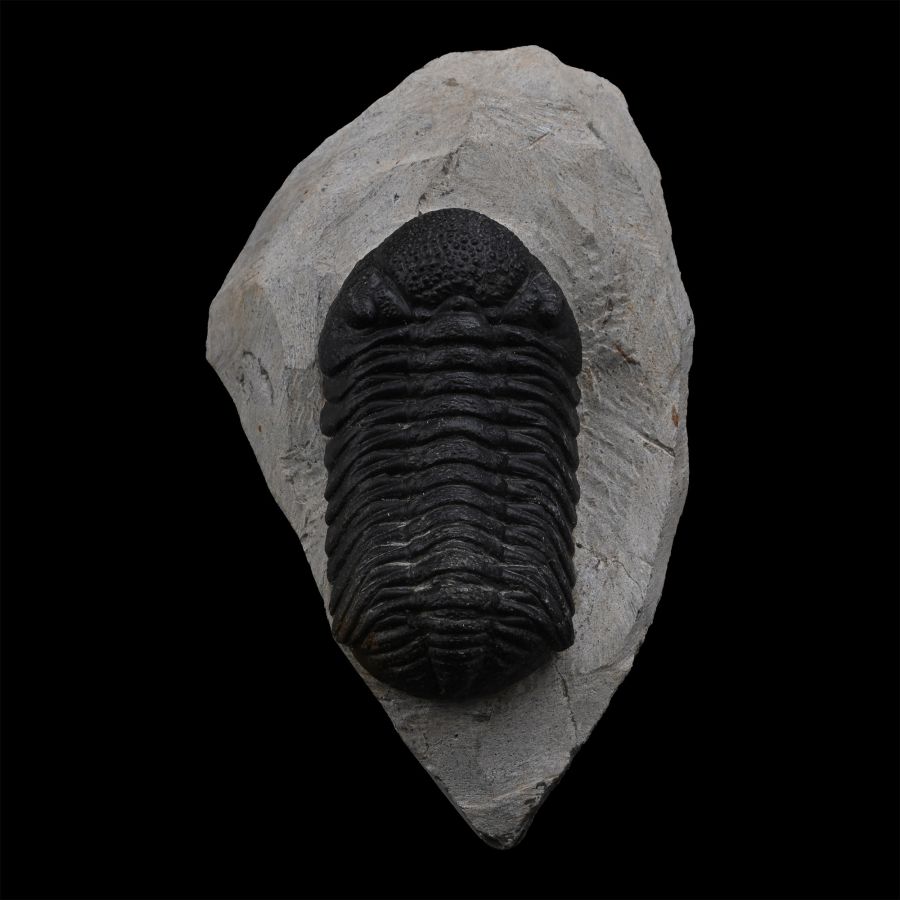
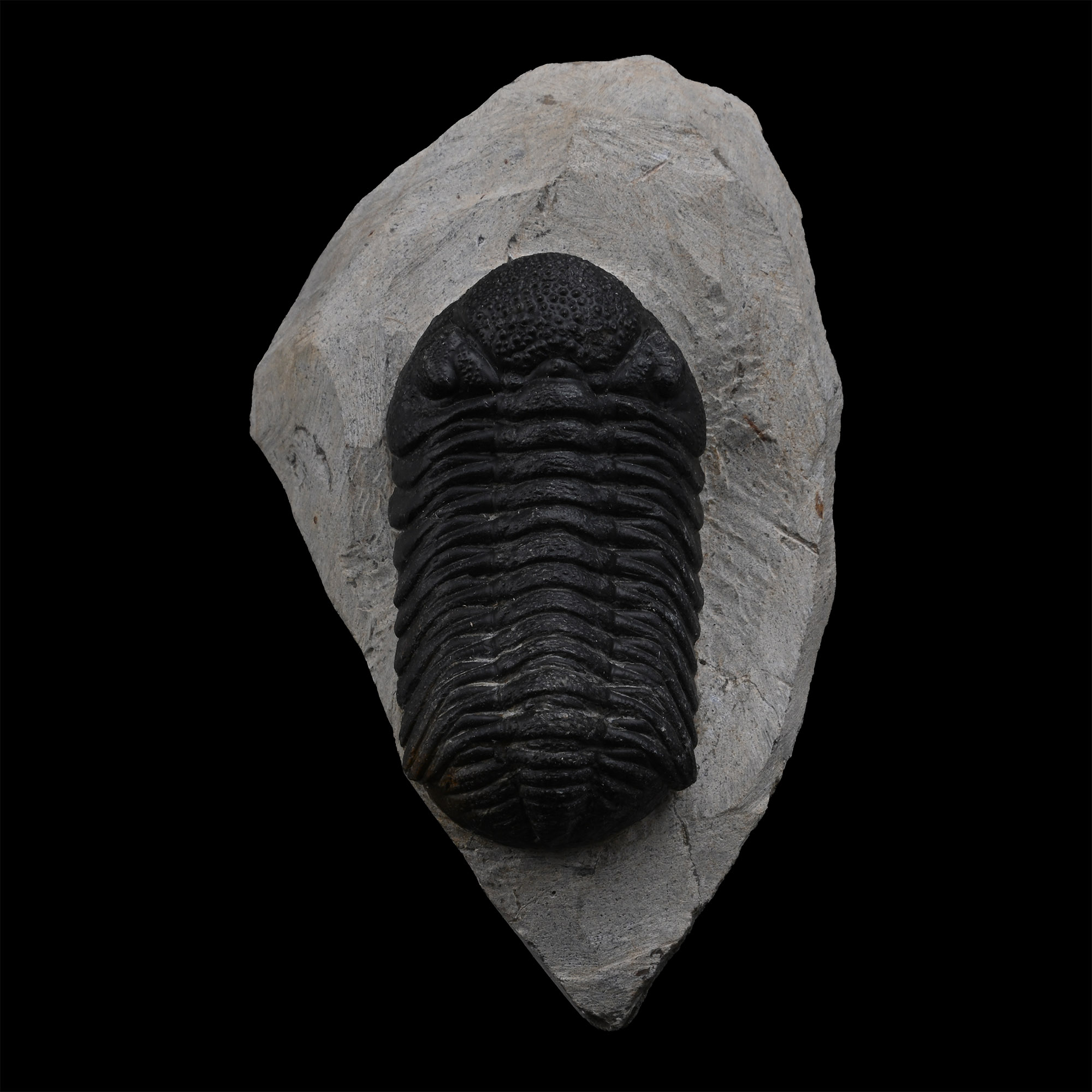
Fossil Phacops Trilobite on Matrix
DEVONIAN PERIOD, CIRCA 444-439 MILLION YEARS B.P.
4 3/8 in. (302 grams, 11.3 cm).
The aquatic arthropod showing good detail in the carapace, resting on an irregular matrix. [No Reserve]
ProvenanceFrom Morocco, North Africa.
From a Cambridgeshire, UK, collection.
TimeLine Auctions follows a vetting process to ensure the authenticity and legality of all items, reinforcing our commitment to integrity and responsible trading. Each antiquity, antique, and coin lot undergoes thorough examination by a vetting committee of at least ten external specialists, professional trade association members, scientists, and archaeologists: Our Vetting Process
AUCTIONS:
TimeLine is a leading auction house specialising in antiquities, ancient art, collectables, natural history, coins, medals, and books. Our auctions offer museums, collectors, historians, and enthusiasts the opportunity to acquire unique and historically significant pieces.
-
![Large Group of Thirty Seven [37] Large Rock Crystal Mineral Points](https://timelineauctions.com/upload/images/items/small/250994-s.jpg)
Large Group of Thirty Seven [37] Large Rock Crystal Mineral Points
Sold for (Inc. bp): £33
A boxed group of well-formed prismatic crystals with pyramidal terminations. 2.82 kg total including box, 58-95 mm
From Brazil. Ex Mineral Imports, London, UK. Gregory, Bottley & Lloyd (Gregory's), Harwich, UK. -
![Group of Six [6] Large Cut, Polished and Felt-Backed Agate Coasters](https://timelineauctions.com/upload/images/items/small/251024-s.jpg)
Group of Six [6] Large Cut, Polished and Felt-Backed Agate Coasters
Sold for (Inc. bp): £13
A graduated set of highly polished slices, each showing brown to beige banding, four showing nearly straight colour bands. 865 grams total, 11-13.8 cm
Ex Mineral Imports, London, UK. Gregory, Bottley & Lloyd (Gregory's), Harwich, UK. -
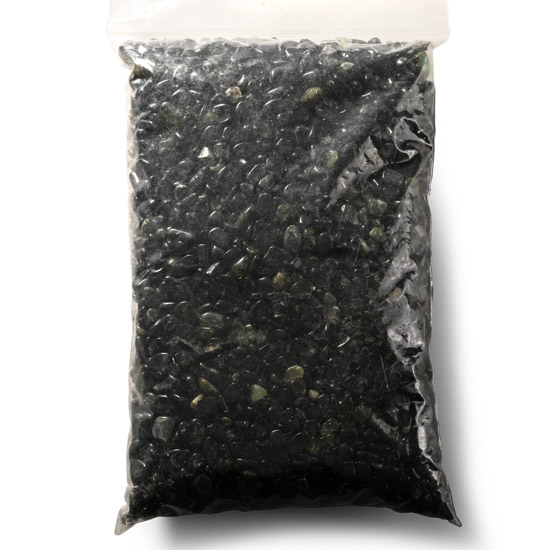
Very Large Quantity of Polished Green Tourmaline Gemstones
Sold for (Inc. bp): £39
Large group of tumbled, mainly dark green to almost black tourmaline specimens. 1.1 kg total, 6-11 mm
Ex Mineral Imports, London, UK. Gregory, Bottley & Lloyd (Gregory's), Harwich, UK.
