
Loading, please wait...
LOT 0395
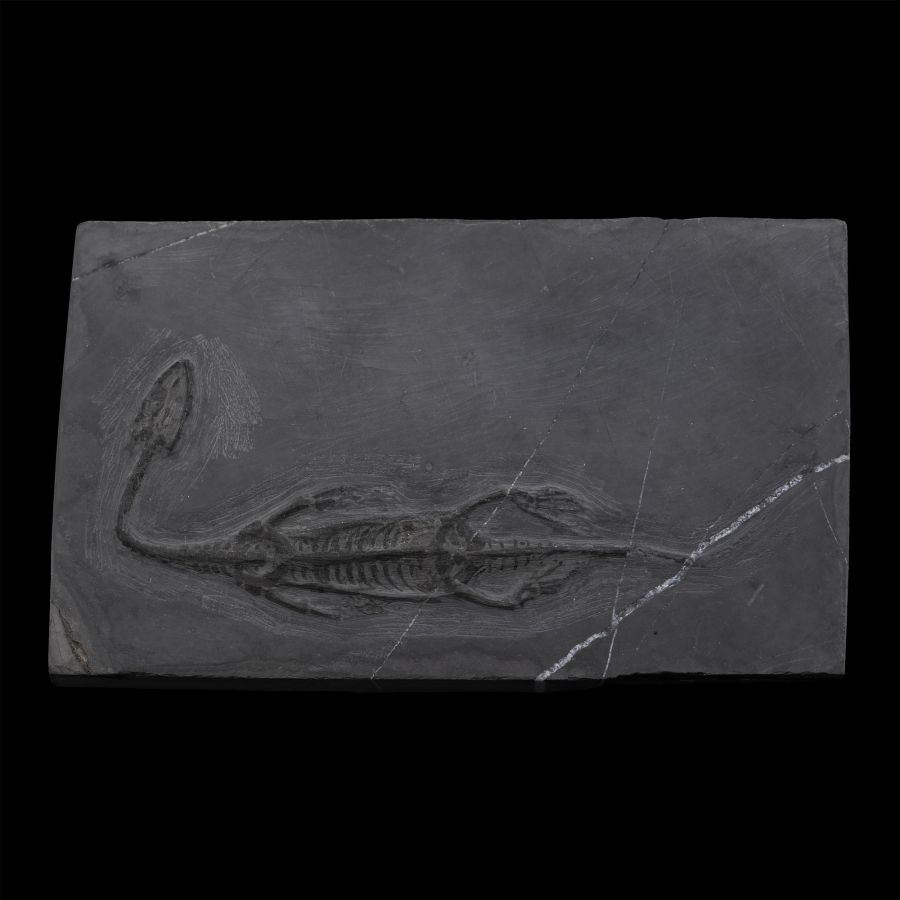
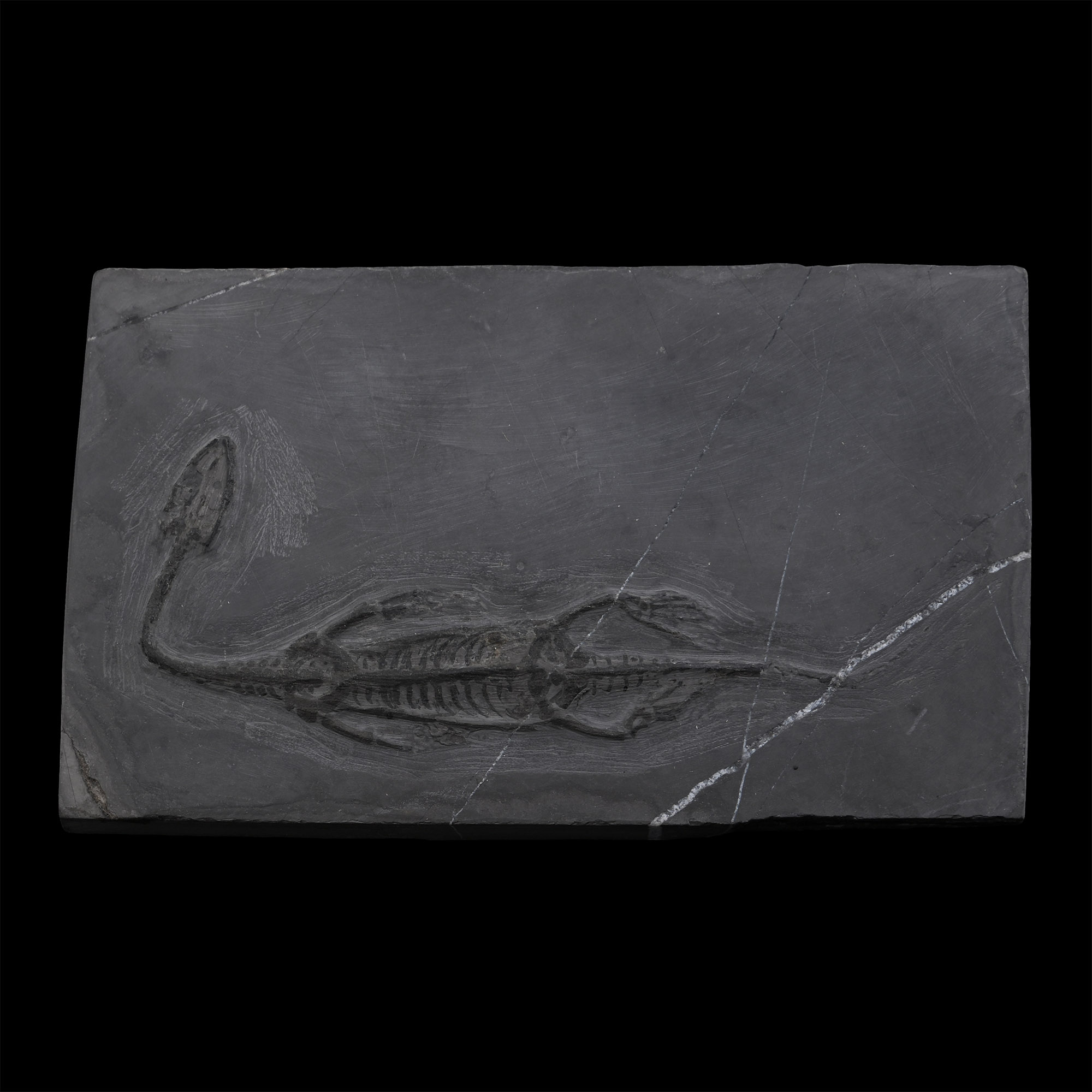
Fossil Keichousaurus Marine Reptile Skeleton
TRIASSIC PERIOD, CIRCA 250 MILLION YEARS B.P.
4 5/8 in. (197 grams, 11.7 cm).
Comprising a complete Keichousaurus hui skeleton on a rectangular matrix.
ProvenanceFrom a Cambridgeshire, UK, collection.
FootnotesKeichousaurus was a late Triassic marine reptile, a member of the Pleurosaur family, which went extinct 250 million years ago during the Triassic-Jurassic extinction event. They were specialised fish eaters, and were highly unusual amongst marine reptiles in that they gave birth to live young rather than laying eggs.
CONDITIONTimeLine Auctions follows a vetting process to ensure the authenticity and legality of all items, reinforcing our commitment to integrity and responsible trading. Each antiquity, antique, and coin lot undergoes thorough examination by a vetting committee of at least ten external specialists, professional trade association members, scientists, and archaeologists: Our Vetting Process
AUCTIONS:
TimeLine is a leading auction house specialising in antiquities, ancient art, collectables, natural history, coins, medals, and books. Our auctions offer museums, collectors, historians, and enthusiasts the opportunity to acquire unique and historically significant pieces.
-
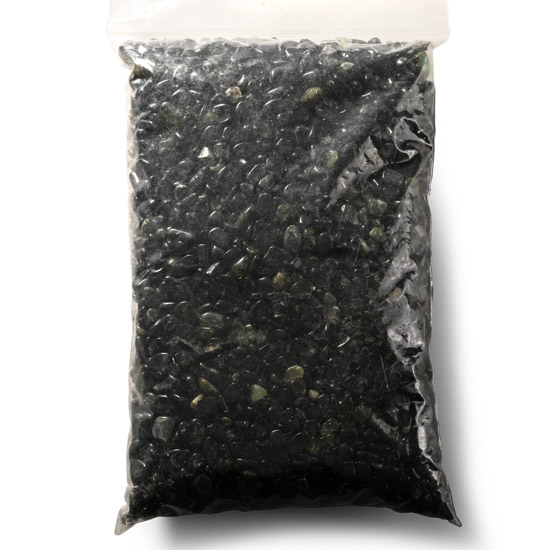
Very Large Quantity of Polished Green Tourmaline Gemstones
Sold for (Inc. bp): £39
Large group of tumbled, mainly dark green to almost black tourmaline specimens. 1.1 kg total, 6-11 mm
Ex Mineral Imports, London, UK. Gregory, Bottley & Lloyd (Gregory's), Harwich, UK. -
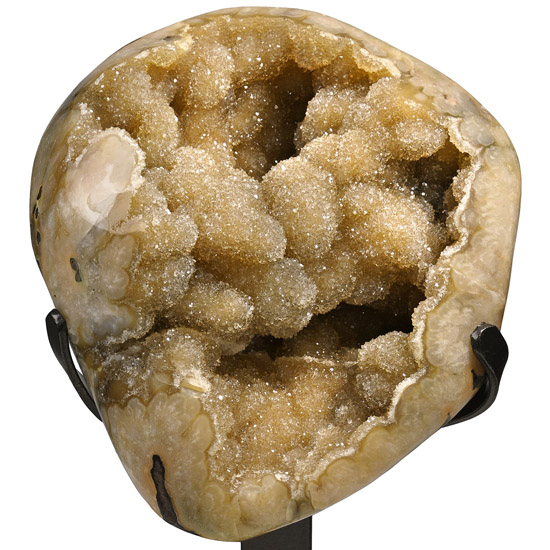
Agate Geode Display with Quartz Crystals
Estimate: £500 - 700 (+bp*)
Opening Bid: £270
A rounded geode section with highly polished borders showing white and brown banding, internal cavity lined with botryoidal formation covered with druzy quartz; mounted on a custom-made display stand. 3.7 kg total, 28 cm including stand
From Artigas, Uruguay. Property of a London lady. -
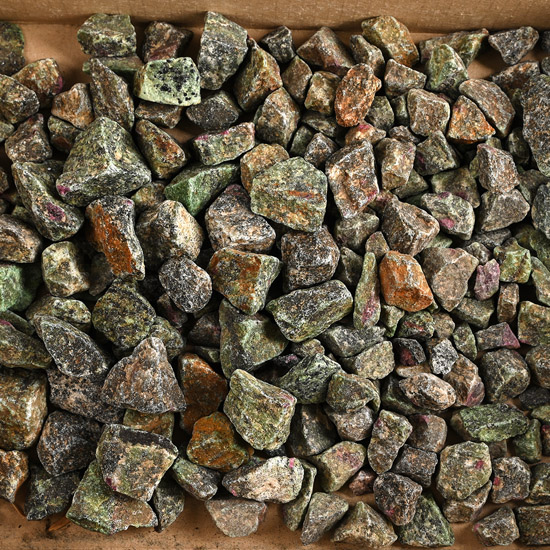
A Large Collection of Natural Ruby in Zoisite Mineral Specimens
Sold for (Inc. bp): £20
A boxed group of unpolished ruby in zoisite specimens. 3.95 kg total including box, 16-56 mm
Ex Mineral Imports, London, UK. Gregory, Bottley & Lloyd (Gregory's), Harwich, UK.
