
Loading, please wait...
LOT 0399
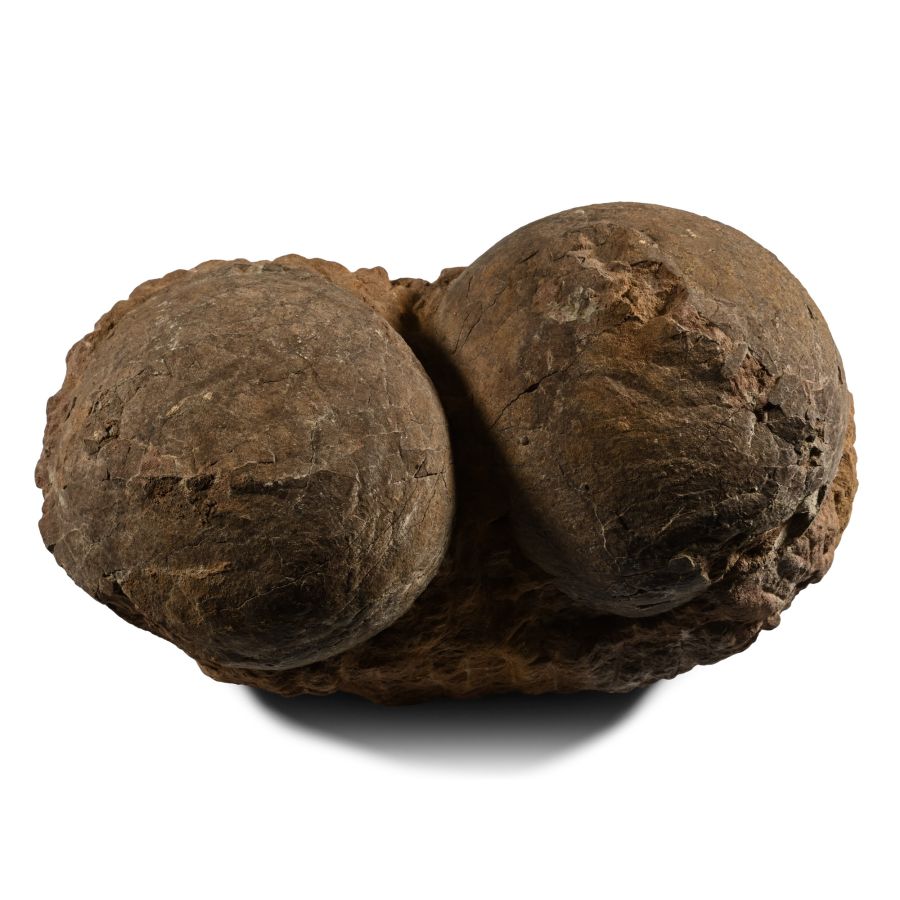
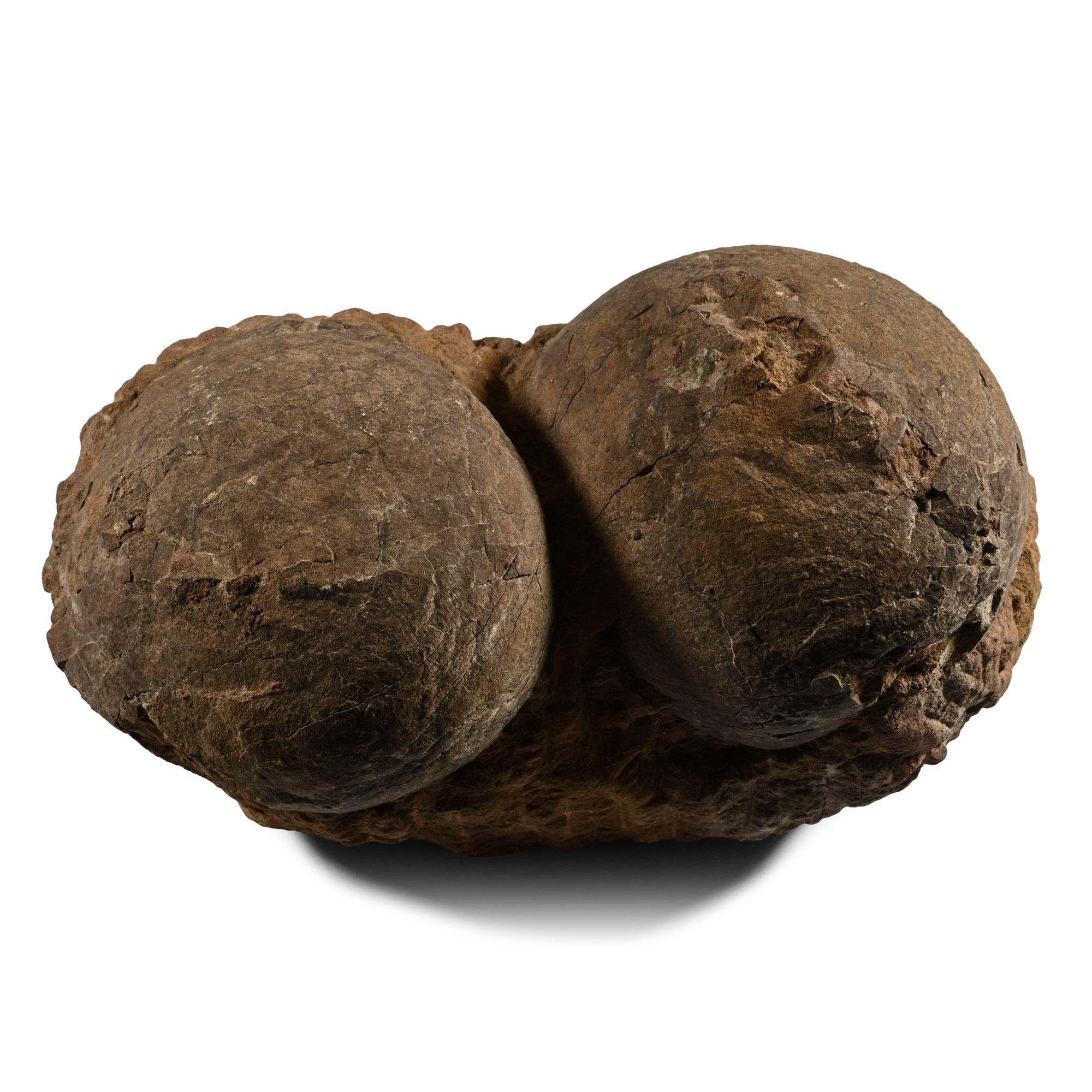
Fossil Hadrosaur Dinosaur Nest Egg Pair
CRETACEOUS PERIOD, 145-65 MILLION YEARS B.P.
10 1/4 x 5 1/2 in. (7.6 kg total, 26 x 14 cm).
A pair of Charonosaurus sp. hadrosaur eggs on a matrix retaining evidence of the original leathery surface.
ProvenanceFrom a Lincolnshire, UK, collection, 1990s.
Property of a Cambridgeshire gentleman.
Dinosaur eggs are known from about 200 sites around the world, the majority in Asia and mostly in terrestrial (non-marine) rocks of the Cretaceous Period. It may be that thick calcite eggshells evolved during the Cretaceous (145 to 65 million years ago). Most dinosaur eggs have one of two forms of eggshell that are distinct from the shells of related modern animal groups, such as turtles or birds; however, some eggs closely resemble the type of shells seen in present day ostrich eggs.
CONDITIONTimeLine Auctions follows a vetting process to ensure the authenticity and legality of all items, reinforcing our commitment to integrity and responsible trading. Each antiquity, antique, and coin lot undergoes thorough examination by a vetting committee of at least ten external specialists, professional trade association members, scientists, and archaeologists: Our Vetting Process
AUCTIONS:
TimeLine is a leading auction house specialising in antiquities, ancient art, collectables, natural history, coins, medals, and books. Our auctions offer museums, collectors, historians, and enthusiasts the opportunity to acquire unique and historically significant pieces.
-
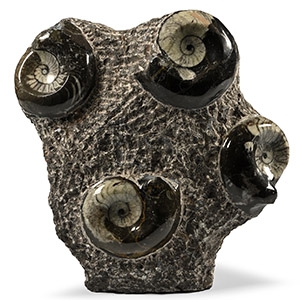
Polished Fossil Goniatite Stand
Devonian Period, circa 417-354 million years B.P.Sold for (Inc. bp): £156
A display comprising four polished Goniatite sp. specimens on a textured freestanding matrix. 1.47 kg, 18 cm
From Atlas Mountains, Morocco, North Africa. From a Cambridgeshire, UK, collection. -
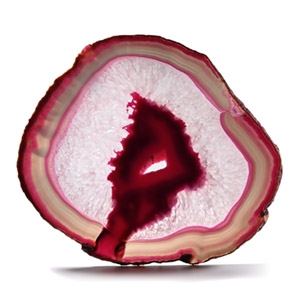
Very Large Cut and Polished Mauve Agate Geode Slice
Sold for (Inc. bp): £910
Translucent with a thick band of white quartz crystals, dyed to enhance the internal structure. 640 grams, 23.3 cm
From Brazil. Ex Mineral Imports, London, UK. Gregory, Bottley & Lloyd (Gregory's), Harwich, UK. -
![Polished Mixed Mineral Specimen Group [36]](https://timelineauctions.com/upload/images/items/small/227905-s.jpg)
Polished Mixed Mineral Specimen Group [36]
Sold for (Inc. bp): £20
Comprising polished pebbles of amethyst, tiger's eye, quartz, agate, turquoise, and others. 465 grams total, 21-47 mm
Ex Mineral Imports, London, UK. Gregory, Bottley & Lloyd (Gregory's), Harwich, UK.
