
Loading, please wait...
LOT 2366
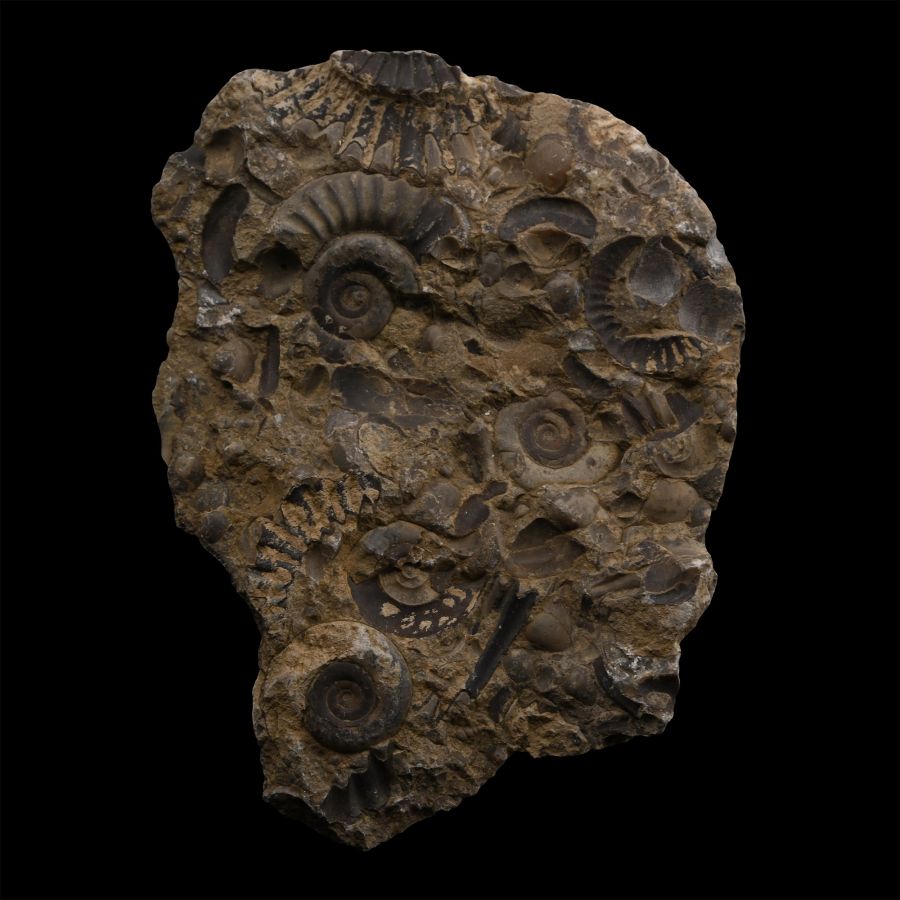
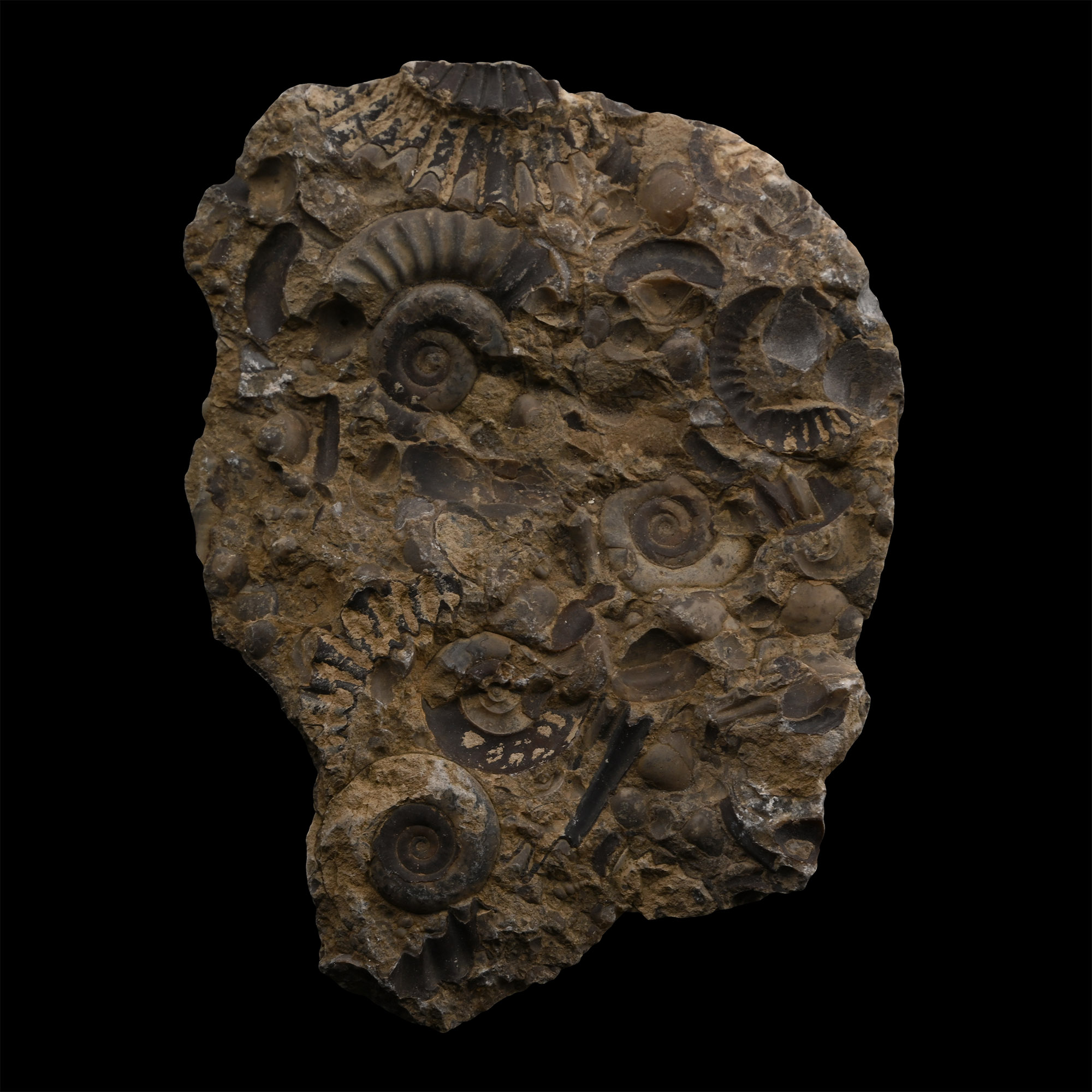
Fossil Grmmoceras and Cotteswoldia Ammonite Cluster
JURASSIC PERIOD, TOARCIAN STAGE, CIRCA 180 MILLION YEARS B.P.
4 1/2 in. (232 grams, 11.6 cm).
An irregular matrix containing Grmmoceras with some Cotteswoldia ammonites and other fossil specimens. [No Reserve]
ProvenanceFrom Whitby, UK.
From a Lincolnshire, UK, collection.
TimeLine Auctions follows a vetting process to ensure the authenticity and legality of all items, reinforcing our commitment to integrity and responsible trading. Each antiquity, antique, and coin lot undergoes thorough examination by a vetting committee of at least ten external specialists, professional trade association members, scientists, and archaeologists: Our Vetting Process
AUCTIONS:
TimeLine is a leading auction house specialising in antiquities, ancient art, collectables, natural history, coins, medals, and books. Our auctions offer museums, collectors, historians, and enthusiasts the opportunity to acquire unique and historically significant pieces.
-
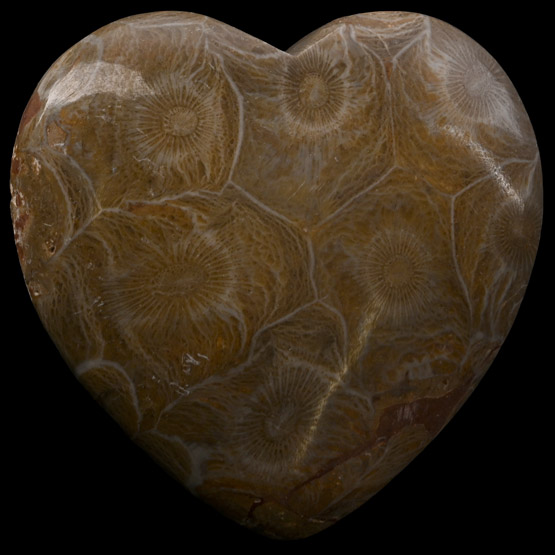
Polished Fossil Coral Head Heart
Devonian Period, circa 417-354 million years B.P.Sold for (Inc. bp): £20
Cut to a heart shape and polished to reveal the internal structure. 166 grams, 72 mm
From a Cambridgeshire, UK, collection. -
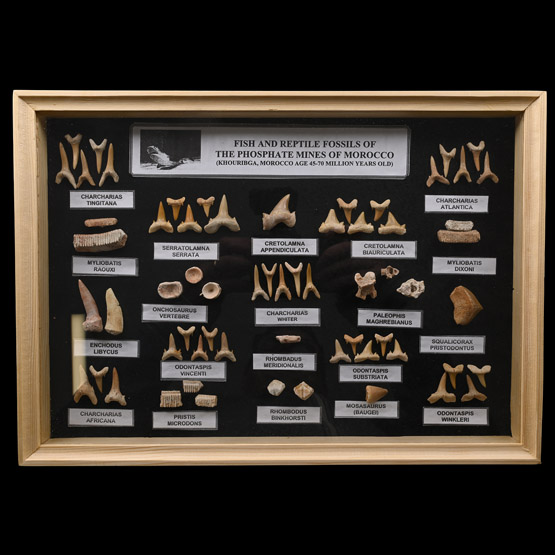
Fossil Shark Tooth Display Case
Cretaceous-Eocene Period, circa 70-45 million years B.P.Sold for (Inc. bp): £85
A glazed display case with mounted specimens of various teeth, vertebrae and ray palates, with identifying labels. 949 grams total, 34.5 x 24.5 cm
From a Cambridgeshire, UK, collection. -
.jpg)
Deep Purple Amethyst Crystal Cluster Formation
Sold for (Inc. bp): £1,300
A cut section of beautifully layered amethyst crystals with orange druse, polished stalactite formations on the field formed of green celadonite, red-brown agate and white quartz; mounted on a custom-made display stand. 10 kg total, 53 cm high including stand
From Artigas, Uruguay. Property of a London lady.
