
Loading, please wait...
LOT 2361
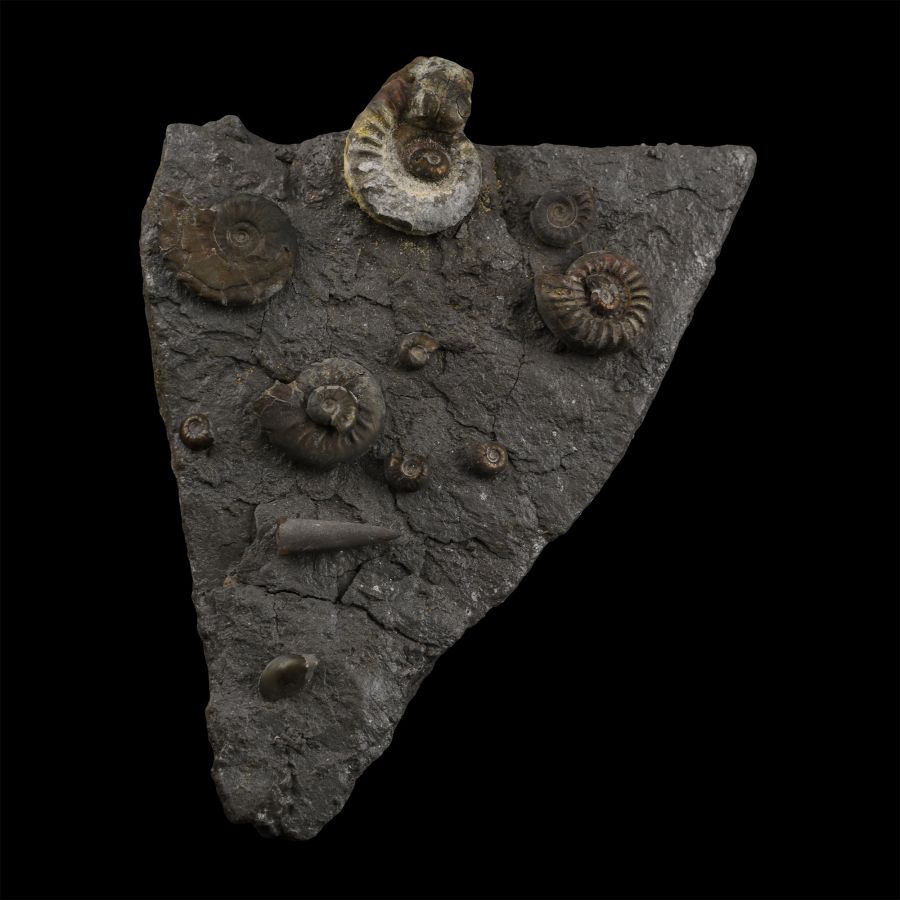
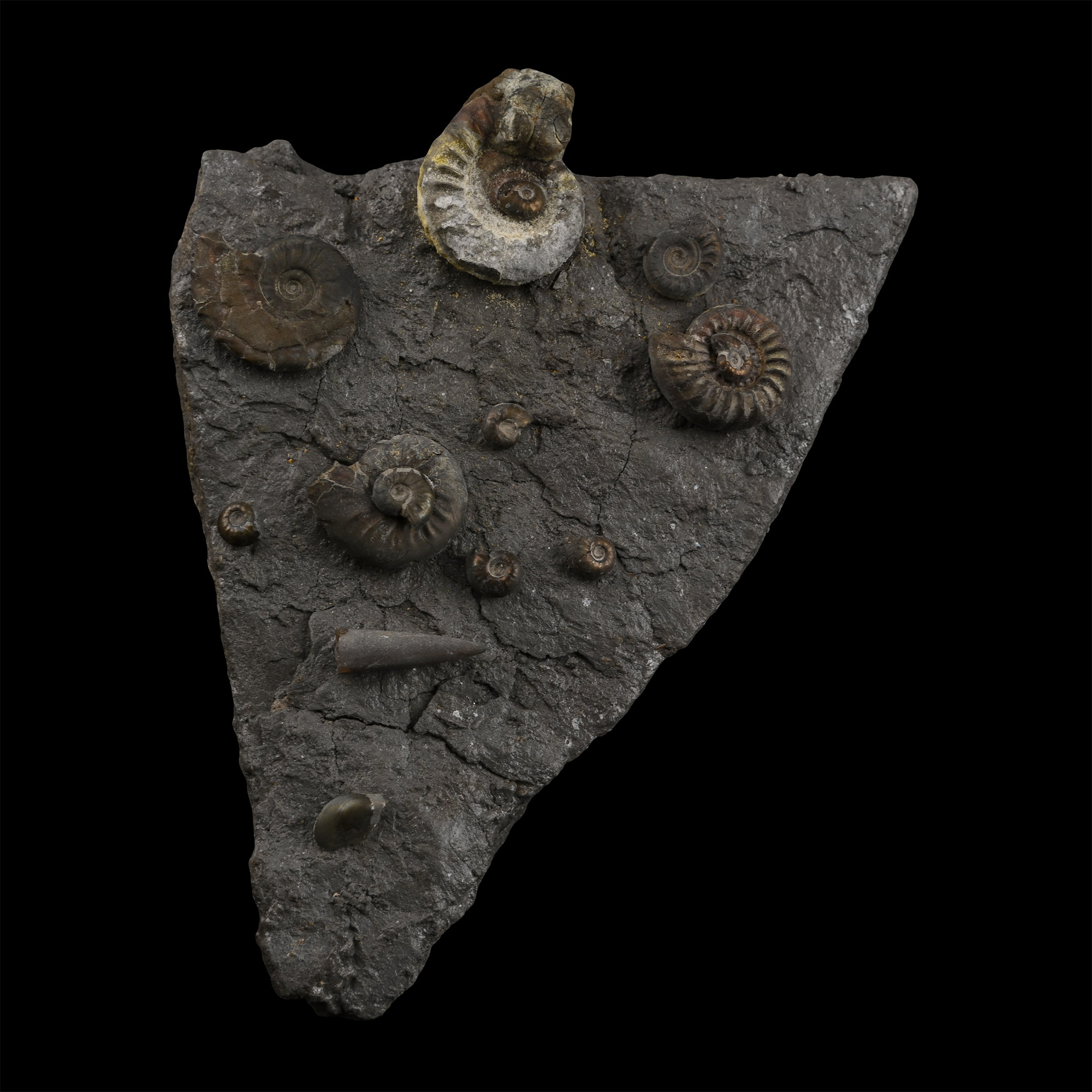
Fossil Grmmoceras and Cotteswoldia Ammonite Cluster
JURASSIC PERIOD, TOARCIAN STAGE, CIRCA 180 MILLION YEARS B.P.
5 1/4 in. (364 grams, 13.5 cm).
A triangular composite matrix with Grmmoceras with some Cotteswoldia examples, and a belemnite. [No Reserve]
ProvenanceLikely from Yorkshire.
From a Lincolnshire, UK, collection.
TimeLine Auctions follows a vetting process to ensure the authenticity and legality of all items, reinforcing our commitment to integrity and responsible trading. Each antiquity, antique, and coin lot undergoes thorough examination by a vetting committee of at least ten external specialists, professional trade association members, scientists, and archaeologists: Our Vetting Process
AUCTIONS:
TimeLine is a leading auction house specialising in antiquities, ancient art, collectables, natural history, coins, medals, and books. Our auctions offer museums, collectors, historians, and enthusiasts the opportunity to acquire unique and historically significant pieces.
-
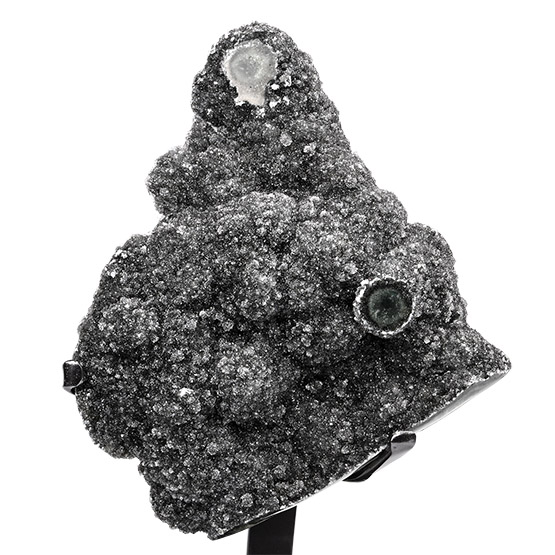
Druzy Quartz Crystal Geode Display
Cretaceous Period, circa 120-140 million years B.P.Estimate: £1,200 - 1,700 (+bp*)
Opening Bid: £650
Cut section of geode lined with dark grey to almost black druzy quartz crystals, creating a shimmering effect; two cut stalagmites with polished upper face showing attractive dark banding; mounted on a custom-made display stand. 4.13 kg, 26 x 22 x 10 cm, 32 cm including stand
From Artigas, Uruguay. Property of a London lady. -
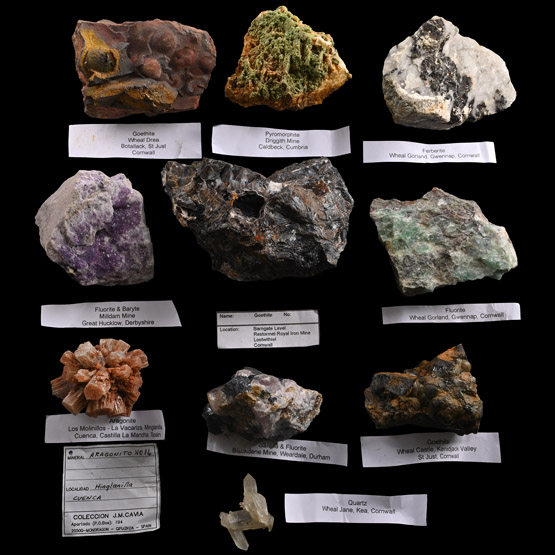
Mixed English and Spanish Crystal and Mineral Specimen Group
Sold for (Inc. bp): £20
Comprising: goethite from Wheal Drea, Botallack, St Just, Cornwall; pyromorphite from Driggith Mine, Cadbeck, Cumbria; green fluorite from Wheal Gorland, Gwennap, Cornwall; goethite from Wheal Castle, Kenidjack Valley, St Just, Cornwall; aragonite from Los Molinillos-La Vacariza, Minglanilla, Cuenca, Castilla La Mancha, Spain; prismatic quartz from Wheal Jane, Kea, Cornwall; galena and fluorite from Blackdene Mine, Weardale, Durham; fluorite and Baryte from Milldam Mine, Great Hucklow, Derbyshire; ferberite from Wheal Gorland, Gwennap, Cornwall; ferberite from Wheal Gorland, Gwennap, Cornwall; goethite from Barngate Level, Restormel Royal Iron Mine, Lostwithiel, Cornwall. 2.7 kg total, 4.2-11.5 cm
From the property of a Cornwall, UK, gentleman. -
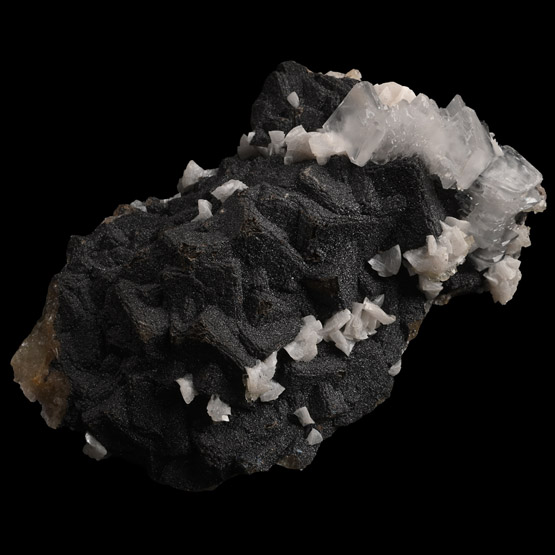
White Fluorite and Pyrite Mineral Specimen
Sold for (Inc. bp): £20
A matrix with fluorite, calcite and druzy pyrite. 112 grams, 82 mm
From Moscona Mine, Solis, Asturias, Spain. From the property of a Cornwall, UK, gentleman. Accompanied by an old collection label.
