
Loading, please wait...
LOT 2537
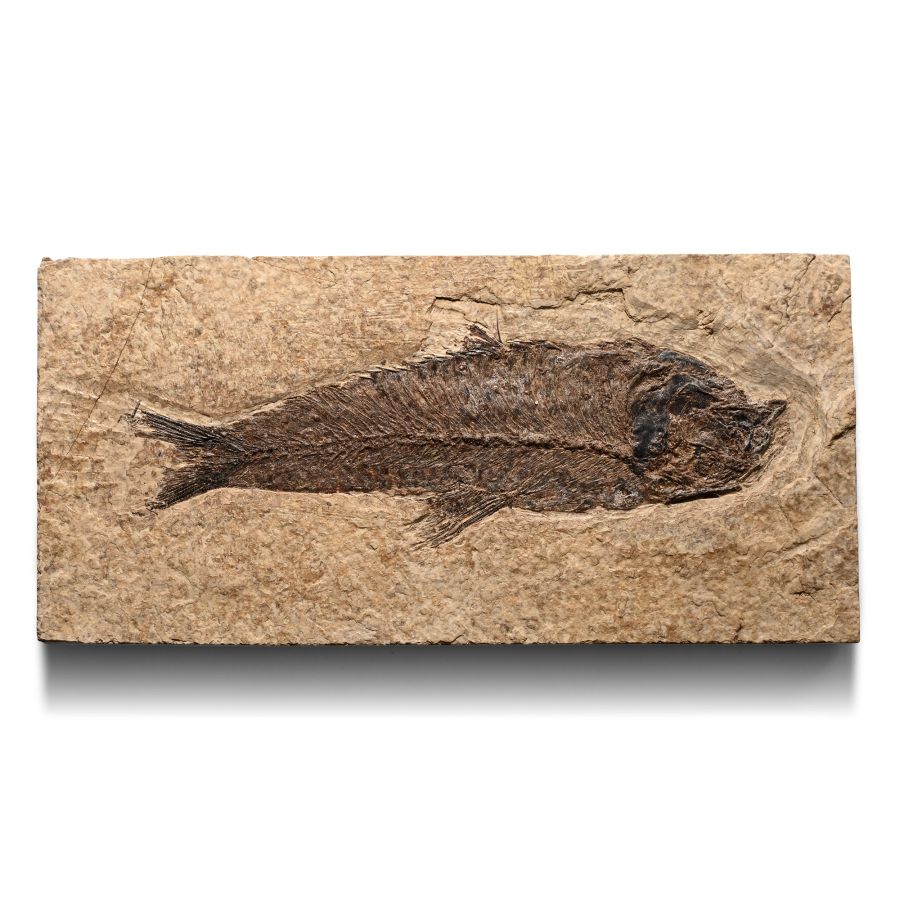
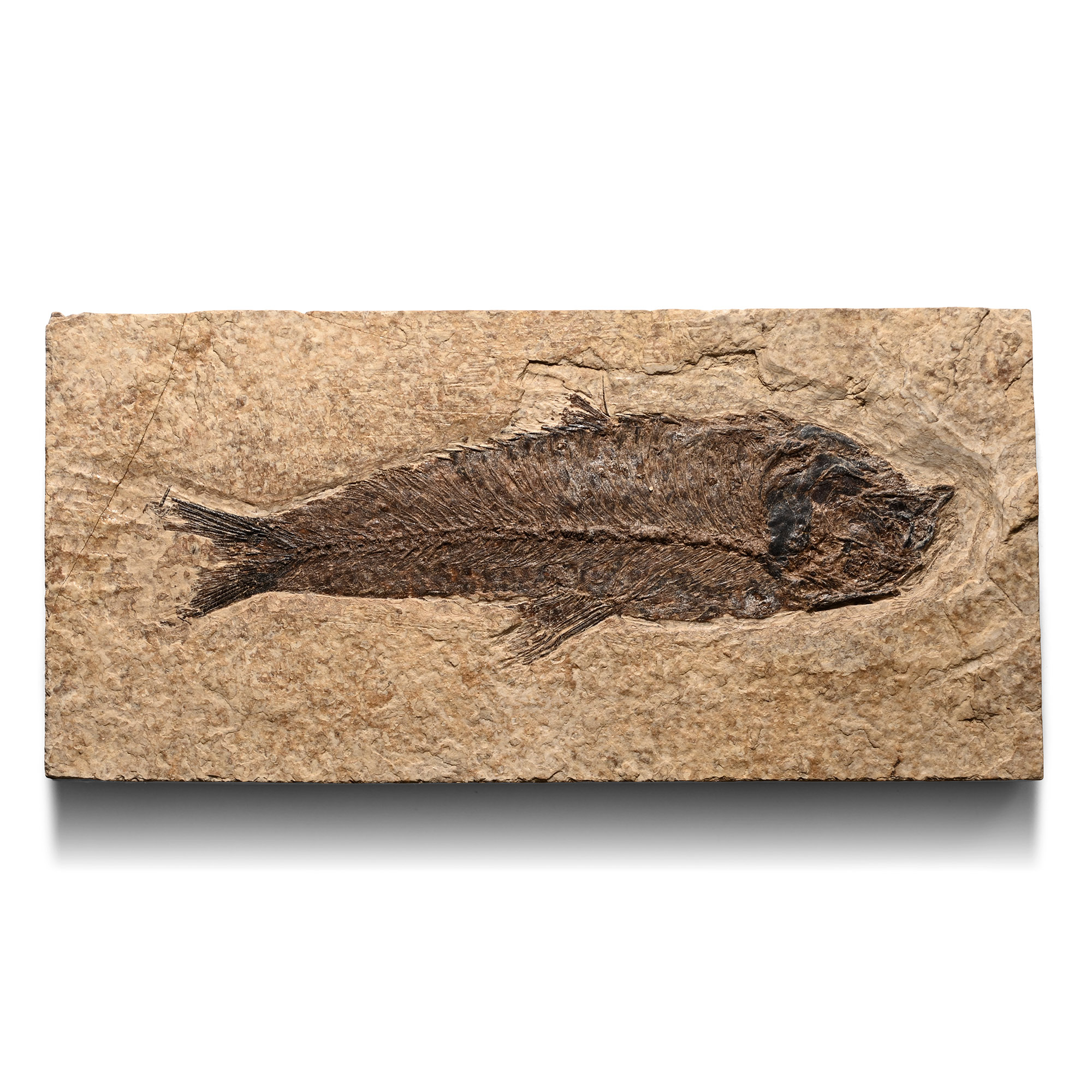
Fossil Fish in Matrix
EOCENE PERIOD, CIRCA 58-36 MILLION YEARS B.P.
6 1/2 in. (335 grams, 16.5 cm).
On a rectangular matrix, possibly Diplomystus. [No Reserve]
ProvenanceFrom Green River formation, Wyoming, USA.
From the private collection of Kenneth Machin (1936-2020), Buckinghamshire, UK; his collection of antiquities and natural history was formed since 1948; thence by descent.
TimeLine Auctions follows a vetting process to ensure the authenticity and legality of all items, reinforcing our commitment to integrity and responsible trading. Each antiquity, antique, and coin lot undergoes thorough examination by a vetting committee of at least ten external specialists, professional trade association members, scientists, and archaeologists: Our Vetting Process
AUCTIONS:
TimeLine is a leading auction house specialising in antiquities, ancient art, collectables, natural history, coins, medals, and books. Our auctions offer museums, collectors, historians, and enthusiasts the opportunity to acquire unique and historically significant pieces.
-
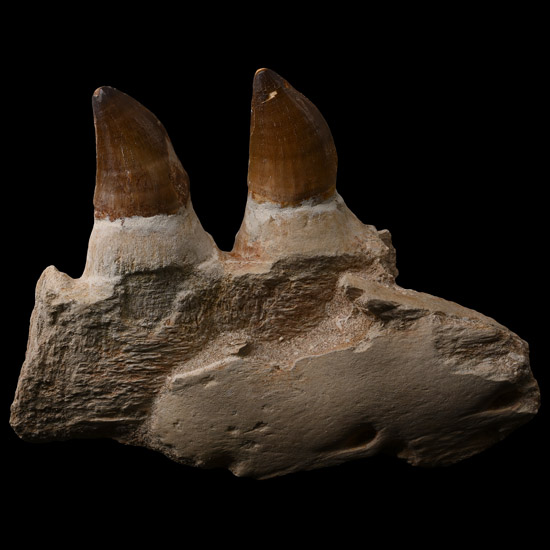
Large Fossil Mosasaur 'Marine Dinosaur' Jaw Fragment
Cretaceous Period, circa 145-65 million years B.P.Sold for (Inc. bp): £780
Large jaw fragment set with two teeth, with another two showing within the jaw. 582 grams, 16.1 cm
From a Cambridgeshire, UK, collection.
The Mosasaur is an extinct, large marine reptile dinosaur with an elongated body, long snout and paddle-like limbs. Found worldwide, they competed with other well-known sea predators of the Late Cretaceous, such as plesiosaurs and ichthyosaurs, for food, existing primarily on a diet of ammonoids, cuttlefish and fish. -
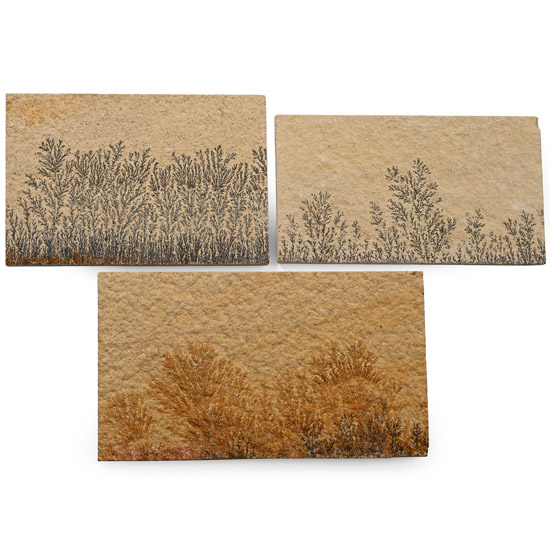
Manganese Dendrite Landscape Plaque Group
Sold for (Inc. bp): £98
A group of three sawn rectangular shale specimens, each displaying manganese oxide dendrites resembling ferns and branching vegetation. 397 grams total, 10.9 x 7.2-13.7 x 7.7 cm
Ex Mineral Imports, London, UK. Gregory, Bottley & Lloyd (Gregory's), Harwich, UK. -
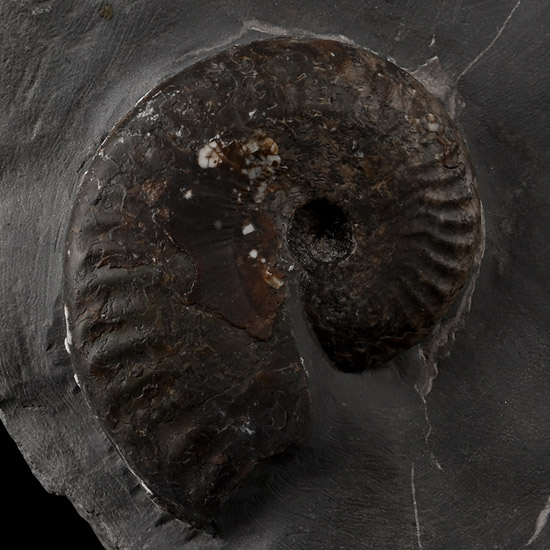
Fossil Ammonite on Matrix
Jurassic Period, Toarcian Stage, circa 180 million years B.P.Sold for (Inc. bp): £26
Large nodule with a single Eleganticeras ammonite specimen. 1.59 kg, 11.5 cm
From a Lincolnshire, UK, collection.
