
Loading, please wait...
LOT 2807
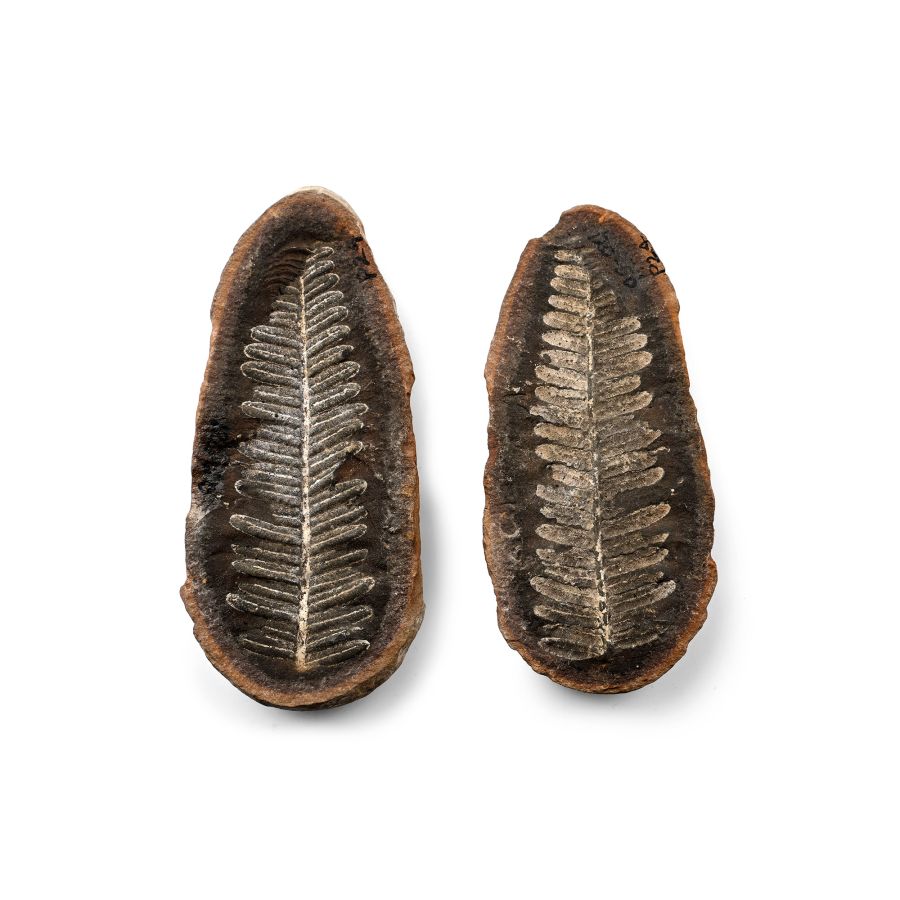
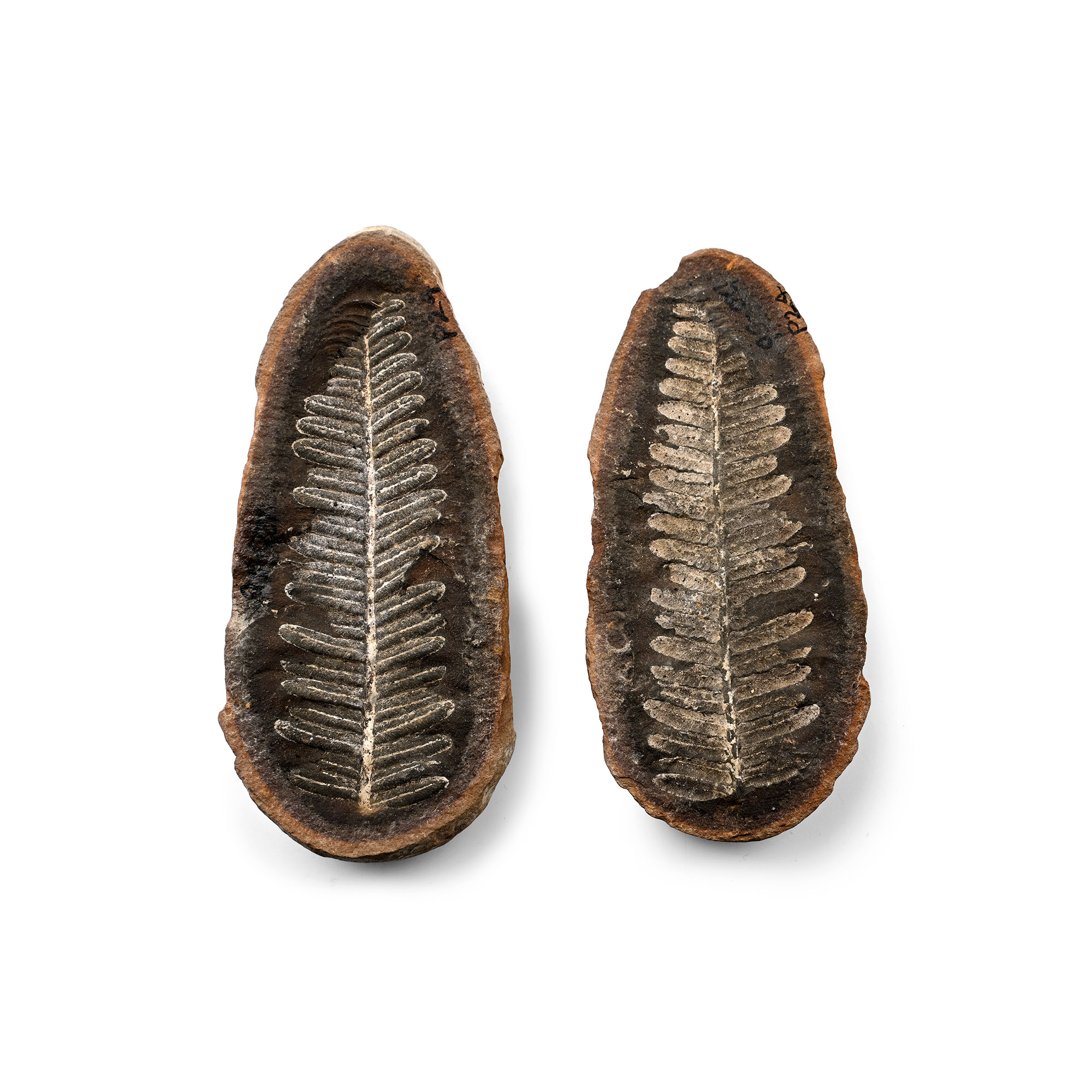
Fossil Fern in Opened Nodule
CRETACEOUS PERIOD, CIRCA 145-65 MILLION YEARS B.P.
3 7/8 - 4 in. (218 grams total, 9.8-10.2 cm).
An opened oval nodule displaying the positive and negative of the fern fossil. [2, No Reserve]
ProvenanceFrom the private collection of Kenneth Machin (1936-2020), Buckinghamshire, UK; his collection of antiquities and natural history was formed since 1948; thence by descent.
CONDITIONTimeLine Auctions follows a vetting process to ensure the authenticity and legality of all items, reinforcing our commitment to integrity and responsible trading. Each antiquity, antique, and coin lot undergoes thorough examination by a vetting committee of at least ten external specialists, professional trade association members, scientists, and archaeologists: Our Vetting Process
AUCTIONS:
TimeLine is a leading auction house specialising in antiquities, ancient art, collectables, natural history, coins, medals, and books. Our auctions offer museums, collectors, historians, and enthusiasts the opportunity to acquire unique and historically significant pieces.
-

Large Cave Stalagmite Section
Sold for (Inc. bp): £7
A colossal cut section of cream-coloured stalagmite showing natural ripples. 76 kg, 105 cm
Previously from a Hong Kong collection. Ex property of a London, UK, gentleman, 1990s.
A stalagmite, is an upward-growing mound of mineral deposits growing on the floor of a cave due to accumulation of material deposited from ceiling drippings. They are typically formed by the deposition of calcium carbonate and other minerals, which is precipitated from mineralised water solutions. Limestone is the chief form of calcium carbonate rock which is dissolved by water that contains carbon dioxide, forming a calcium bicarbonate solution in underground caverns. -
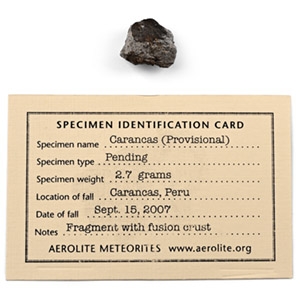
Carancas H4-5 Chondrite Meteorite with Fusion Crust
Fell 15 September 2007 in PeruSold for (Inc. bp): £143
An irregular, uncut specimen. 2.72 grams, 15 mm
Found Carancas, Chucuito, Puno, Peru. Ex Aerolite Meteorites. From the private collection of a Leicestershire, UK, gentleman. Accompanied by an Aerolite Meteorites dealer card, photograph of the impact crater, and set in a Swiss membrane box.
In the afternoon of September 15 2007, at 4.45pm UTC, the small town of Carancas in Provincia Chucuito, Peru, was shaken by an enormous detonation. Eye witnesses described a smoke trail that had descended from the sky and had exploded on contact with the ground, breaking windows and the debris causing damage on the buildings. A mushroom-shaped explosion cloud was seen rising from the impact site and was visible for several minutes above the 13.8 meter crater. -

Large Amethyst Geode with Calcite Formation
Sold for (Inc. bp): £1,430
Cut geode lined with richly-coloured dark purple and lavender coloured amethyst crystals; to the centre of the geode, large cream-coloured calcite crystals bordered by green celadonite and white quartz, typical of Uruguayan crystal formations. 17.65 kg, 35 cm
From Artigas, Uruguay. Property of a London lady.
