
Loading, please wait...
LOT 2488
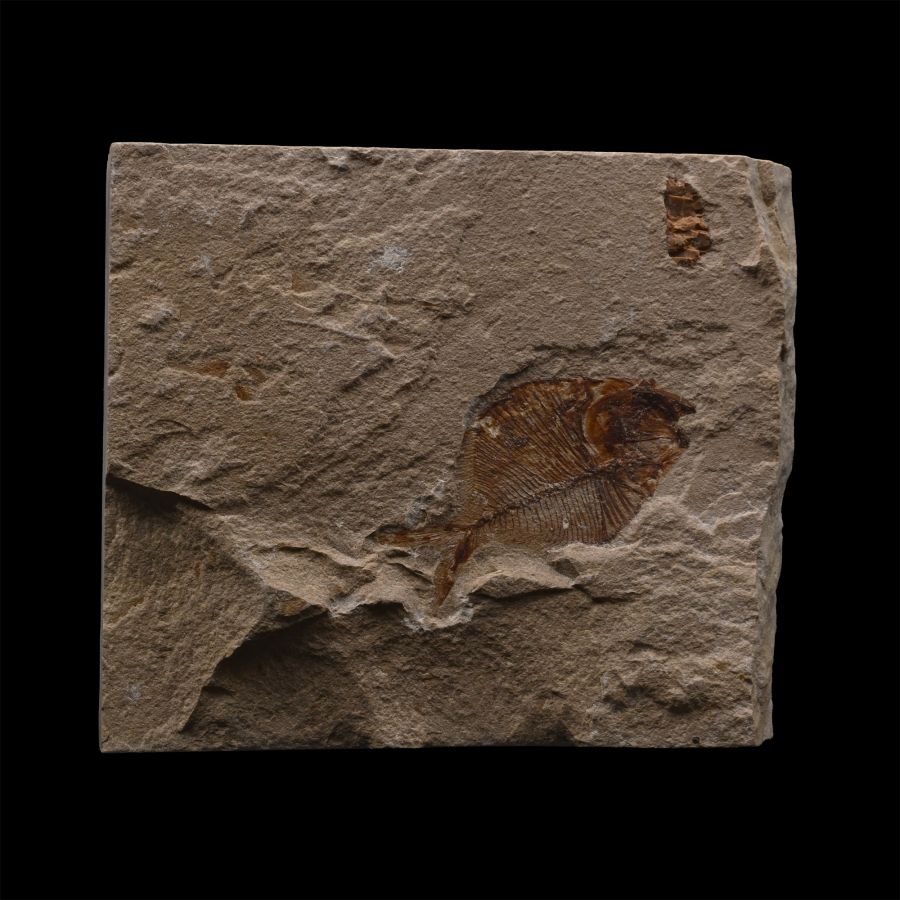
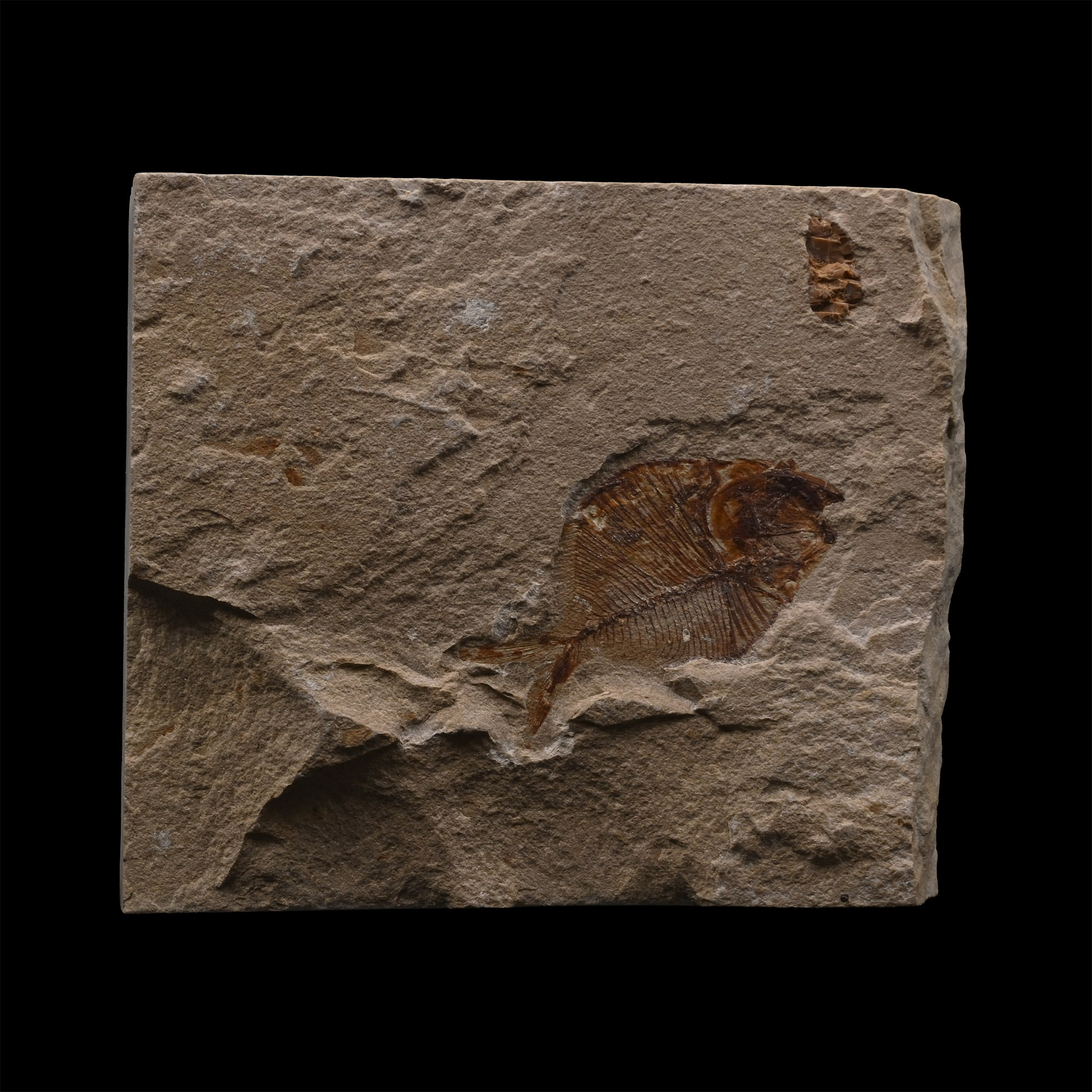
Fossil Diplomystus Fish
EOCENE PERIOD, CIRCA 58-36 MILLION YEARS B.P.
4 in. (382 grams, 10 cm).
Diplomystus birdi sp. fossil fish on a matrix slab showing good detail to the spine and ribs. [No Reserve]
ProvenanceFrom Lebanon.
From a Cambridgeshire, UK, collection.
TimeLine Auctions follows a vetting process to ensure the authenticity and legality of all items, reinforcing our commitment to integrity and responsible trading. Each antiquity, antique, and coin lot undergoes thorough examination by a vetting committee of at least ten external specialists, professional trade association members, scientists, and archaeologists: Our Vetting Process
AUCTIONS:
TimeLine is a leading auction house specialising in antiquities, ancient art, collectables, natural history, coins, medals, and books. Our auctions offer museums, collectors, historians, and enthusiasts the opportunity to acquire unique and historically significant pieces.
-
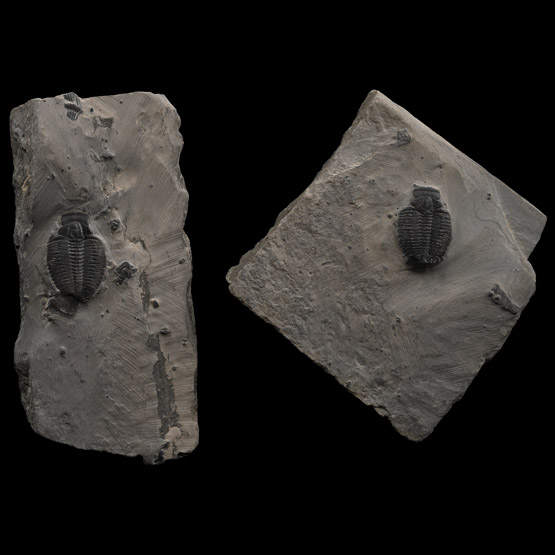
Fossil Elrathia Trilobite Pair
Devonian Period, circa 385-359 million years B.P.Sold for (Inc. bp): £20
Comprising two Elrathia kingii specimens on rectangular matrices. 236 grams total, 8-10.7 cm
From a Lincolnshire, UK, collection. -
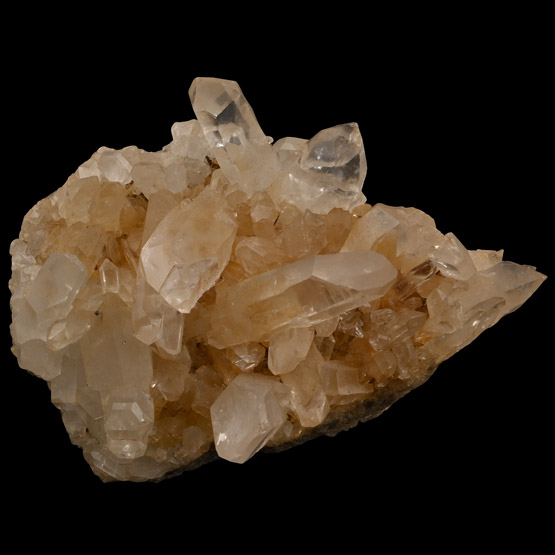
Quartz Crystal Specimen
Sold for (Inc. bp): £13
Containing various sizes of prismatic crystals on a light-coloured matrix. 148 grams, 91 mm
Property of an Essex gallery. -
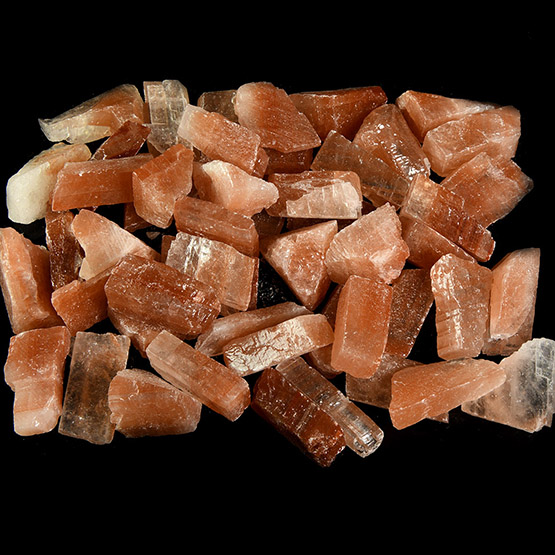
Mexico Red Calcite Mineral Specimens
Sold for (Inc. bp): £7
A group of forty-two cut red calcite mineral specimens in various shapes and sizes. 356 grams total, 25-40mm
Very fine condition.
From the historic ‘Victorian Museum’ or later collection of Gregory, Bottley & Lloyd (Gregory's); formerly Gregory, Bottley & Co. (1932-1981) and previously J. R. Gregory & Co. (1898-1932); originally James Reynolds Gregory (1858-1898). From the private collection of John Meredith, acquired since the 1990s; thence by descent.
