
Loading, please wait...
LOT 2461
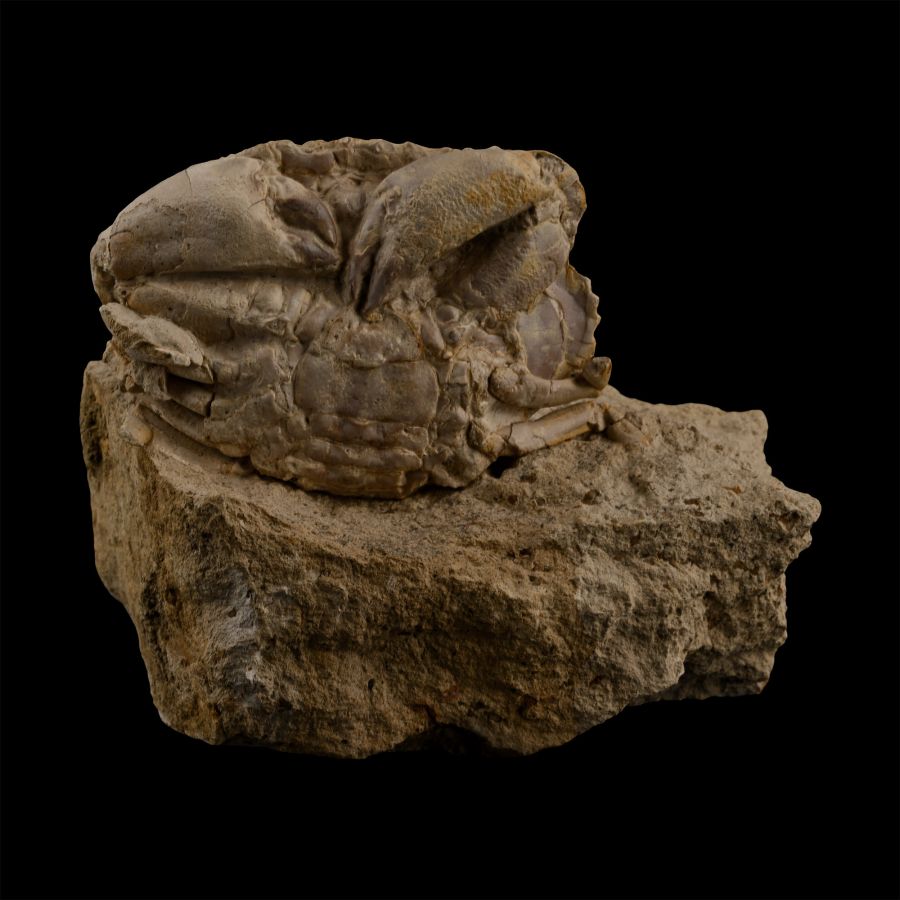
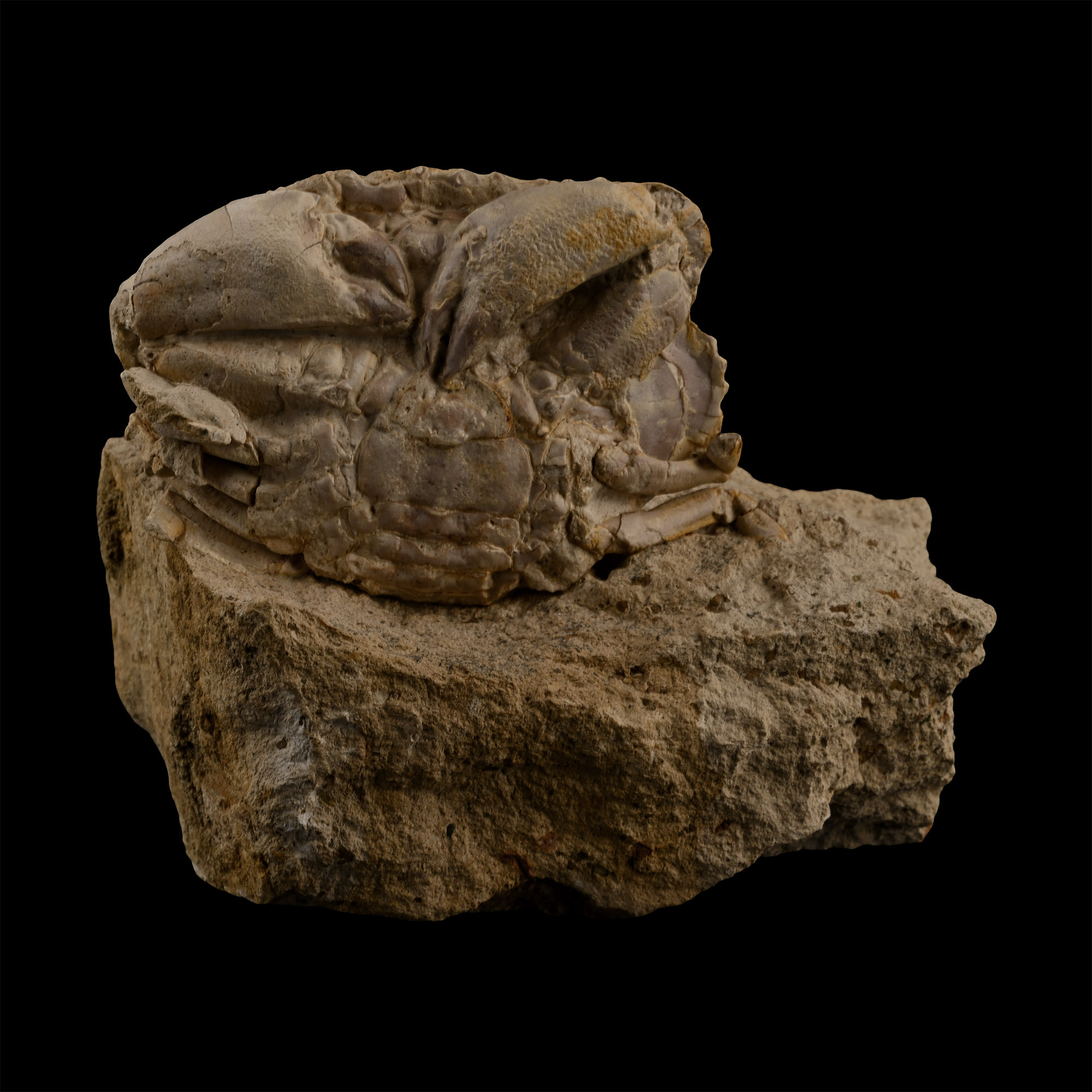
Fossil Crab on Matrix
EOCENE-MIOCENE PERIOD, 58-5.3 MILLION YEARS B.P.
5 1/4 in. (1.16 kg, 13.4 cm).
The remains of a fossil crab set in a sedimentary matrix with its legs and claws curled underneath the body. [No Reserve]
ProvenanceFrom a Cambridgeshire, UK, collection.
CONDITIONTimeLine Auctions follows a vetting process to ensure the authenticity and legality of all items, reinforcing our commitment to integrity and responsible trading. Each antiquity, antique, and coin lot undergoes thorough examination by a vetting committee of at least ten external specialists, professional trade association members, scientists, and archaeologists: Our Vetting Process
AUCTIONS:
TimeLine is a leading auction house specialising in antiquities, ancient art, collectables, natural history, coins, medals, and books. Our auctions offer museums, collectors, historians, and enthusiasts the opportunity to acquire unique and historically significant pieces.
-
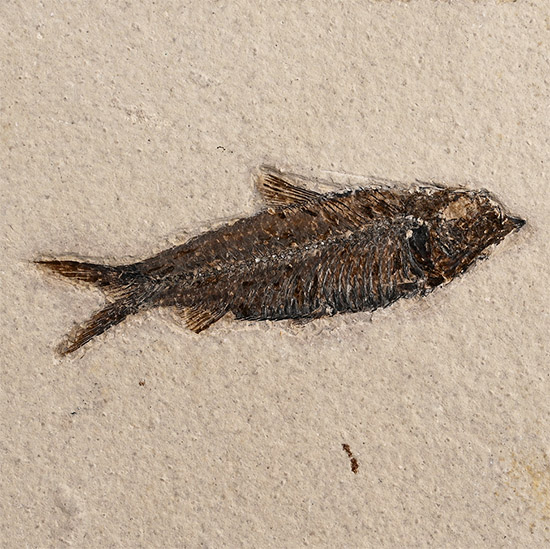
Fossil Knightia Fish Plate
Eocene Period, circa 58-36 million years B.P.Sold for (Inc. bp): £78
A Knightia alta fish on a rectangular limestone matrix. 929 grams, 17.5 x 12.5 cm
From Wyoming, USA. From the private collection of a Devon, UK, lady.
In southwest Wyoming (and parts of Colorado and Utah), in the Green River Formation, are found some of the world's most outstanding specimens of fossil fish. The Green River system was composed of three lakes: Lake Uinta, Lake Gosiute and Fossil Lake. These Eocene lakes lay in a series of intermountain basins formed by geological events that uplifted the Rocky Mountains during the early Tertiary time. The climate was much different from the desert-like climate of this area today. Both the fauna (crocodiles, alligators, boa constrictors and some subtropical fish families) and the flora (such as large palm trees) indicate a climate much like that found along the Gulf Coast today. Large amounts of ash found in the sediments indicate that volcanoes were particularly active at this time. -
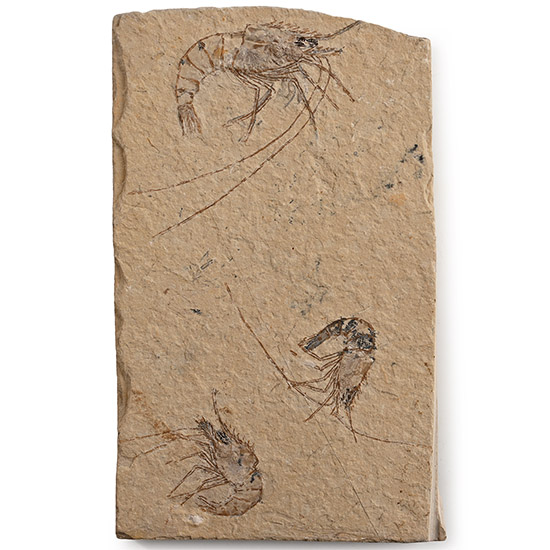
Fossil Shrimp Plate
Eocene Period, circa 58-36 million years B.P.Sold for (Inc. bp): £364
Rectangular matrix containing three good-sized shrimps. 417 grams, 15.2 x 9.1 cm
From Lebanon. From the private collection of a Devon, UK, lady. -
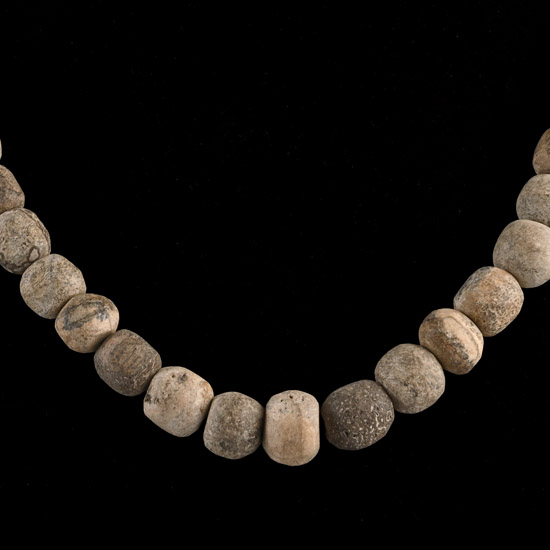
Woolly Mammoth Bone Bead Necklace String
Pleistocene Epoch, 2.6 million-11,700 years B.P.Sold for (Inc. bp): £78
Restrung, using recently polished oblate Mammuthus primigenius spherical bone beads. 140 grams, 59 cm
From a UK collection formed in the early 2000s. Property of an Essex, UK, gentleman.
The mammoth lineage branched from the Asian elephant around 6 million years ago, and later on the Woolly Mammoth, Mammuthus primigenius, evolved in eastern Siberia. Woolly mammoths, being slightly smaller than living African elephants, were foragers and ate grass, as well as small, nutritious flowering plants that flourished in the environment where they lived. They may also have used their curved tusks to dig through snow and eat plants that other foragers were unable to reach.
