
Loading, please wait...


LOT 2683
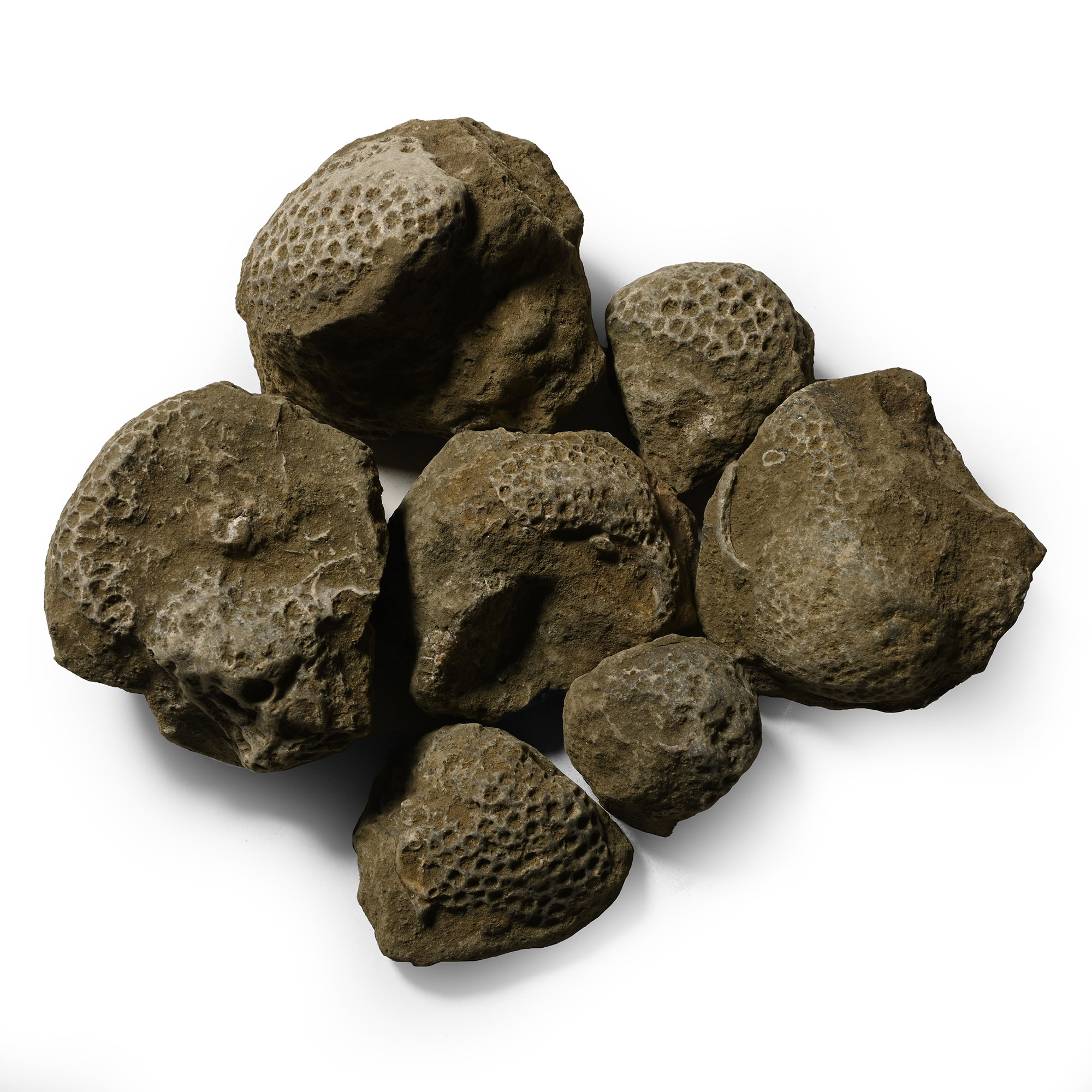
Fossil Coral Head Group
DEVONIAN PERIOD, CIRCA 417-354 MILLION YEARS B.P.
1 3/8 - 2 3/8 in. (604 grams total, 34-60 mm).
Comprising seven variously sized unpolished specimens. [7, No Reserve]
ProvenanceFrom a Lincolnshire, UK, collection.
CONDITIONTimeLine Auctions follows a vetting process to ensure the authenticity and legality of all items, reinforcing our commitment to integrity and responsible trading. Each antiquity, antique, and coin lot undergoes thorough examination by a vetting committee of at least ten external specialists, professional trade association members, scientists, and archaeologists: Our Vetting Process
AUCTIONS:
TimeLine is a leading auction house specialising in antiquities, ancient art, collectables, natural history, coins, medals, and books. Our auctions offer museums, collectors, historians, and enthusiasts the opportunity to acquire unique and historically significant pieces.
-
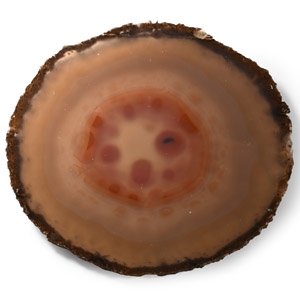
Cut and Polished 'Winking Smiley Face' Natural Agate Slice
Sold for (Inc. bp): £52
Polished to both sides showing light coloured banding to the outer edges and a concentration of rounded formations to the centre with a dark-coloured inclusions within a larger rounded area forming a 'winking eye'. 146 grams, 13.5 cm
From Brazil. Ex Mineral Imports, London, UK. Gregory, Bottley & Lloyd (Gregory's), Harwich, UK. -
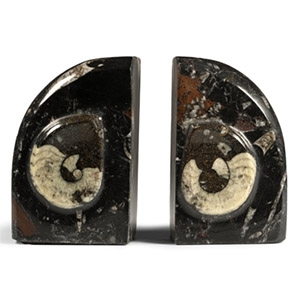
Polished Fossil Goniatite Bookends
Devonian Period, circa 400 million years B.P.Sold for (Inc. bp): £312
Comprising two rounded bookends carved from fossiliferous stone, each with a large Goniatite sp. specimen set to the centre. 2.13 kg total, 11.8 cm each
From Atlas Mountains, Morocco, North Africa. From a Cambridgeshire, UK, collection. -
![Rock Crystal Quartz Point Group [50]](https://timelineauctions.com/upload/images/items/small/227845-s.jpg)
Rock Crystal Quartz Point Group [50]
Sold for (Inc. bp): £33
Prismatic points of various sizes, mostly clear. 937 grams total, 29-70 mm
From Brazil. Ex Mineral Imports, London, UK. Gregory, Bottley & Lloyd (Gregory's), Harwich, UK.
