
Loading, please wait...
LOT 2854
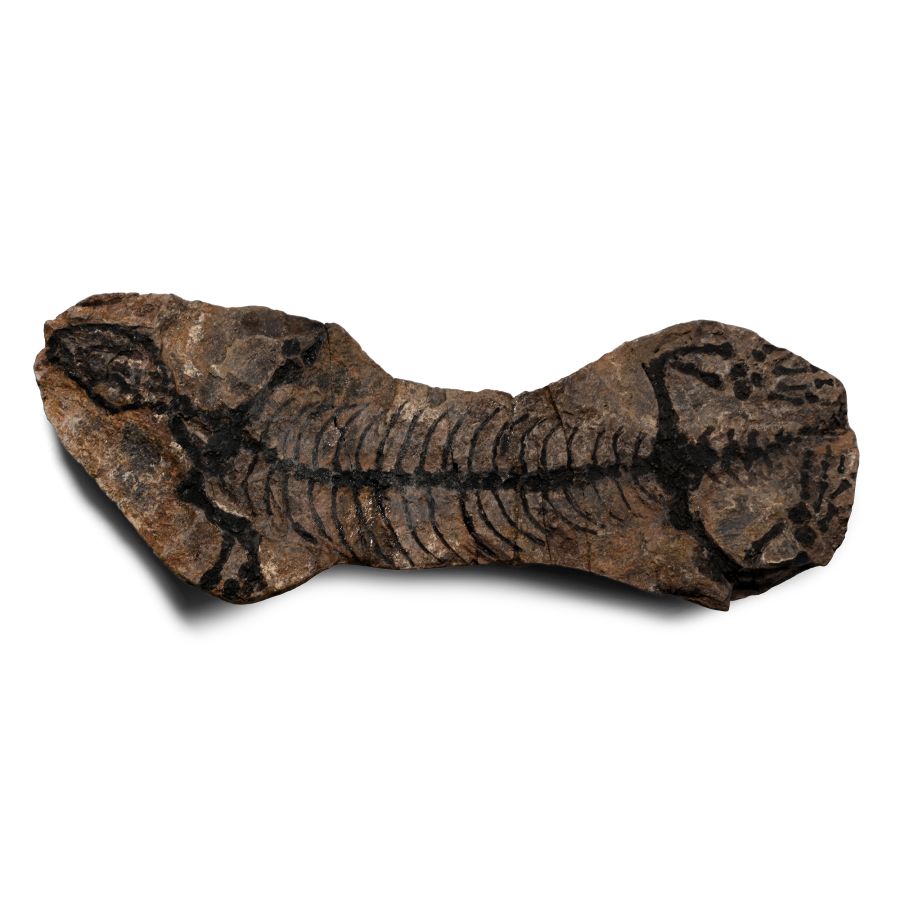
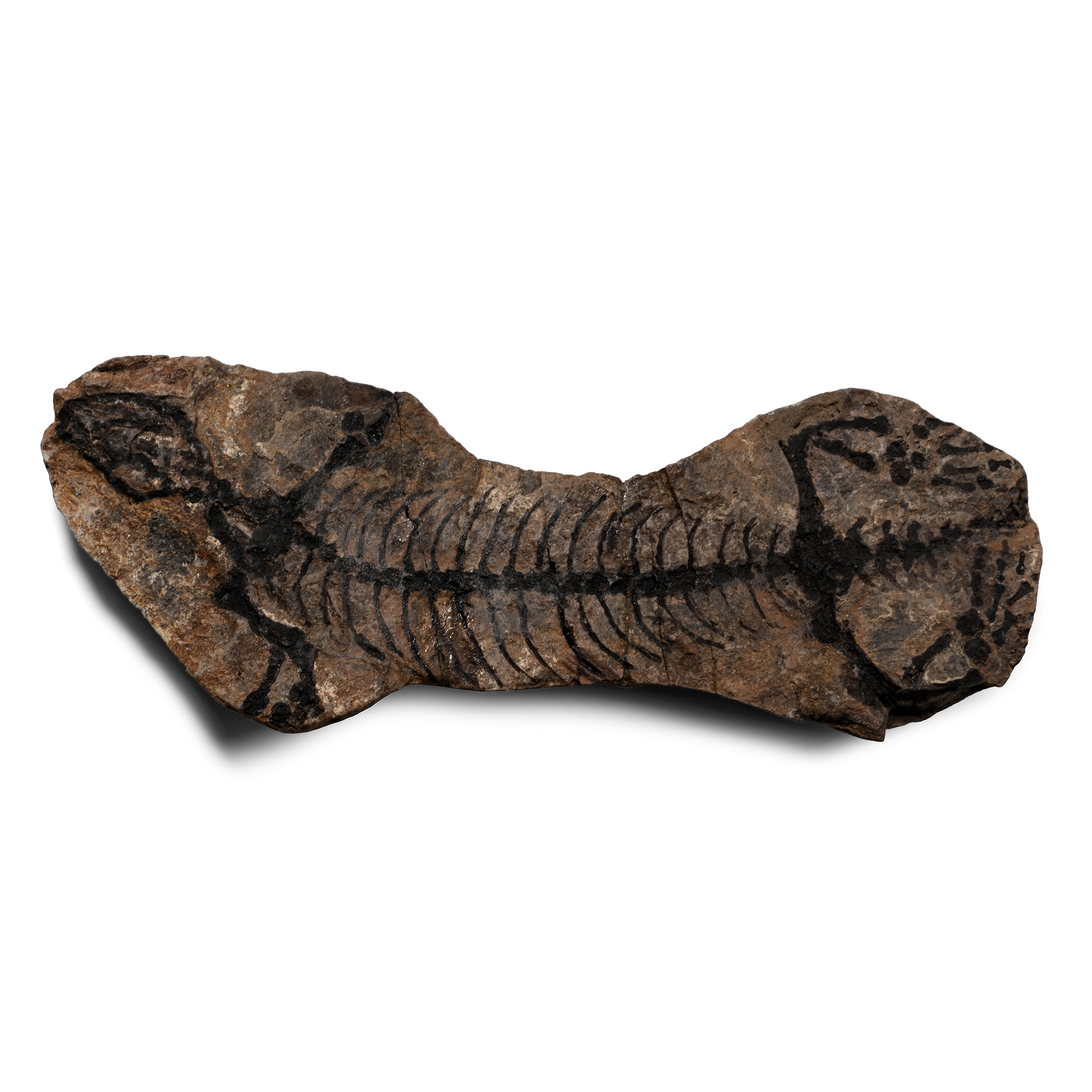
Fossil Barasaurus Besairiei Skeleton in Matrix
TRIASSIC PERIOD, CIRCA 240 MILLION YEARS B.P.
6 3/4 in. (172 grams, 17 cm).
Showing the almost complete skeleton; some restoration.
ProvenanceAcquired on the UK art market before 2000.
Property of an Essex, UK, gentleman.
TimeLine Auctions follows a vetting process to ensure the authenticity and legality of all items, reinforcing our commitment to integrity and responsible trading. Each antiquity, antique, and coin lot undergoes thorough examination by a vetting committee of at least ten external specialists, professional trade association members, scientists, and archaeologists: Our Vetting Process
AUCTIONS:
TimeLine is a leading auction house specialising in antiquities, ancient art, collectables, natural history, coins, medals, and books. Our auctions offer museums, collectors, historians, and enthusiasts the opportunity to acquire unique and historically significant pieces.
-
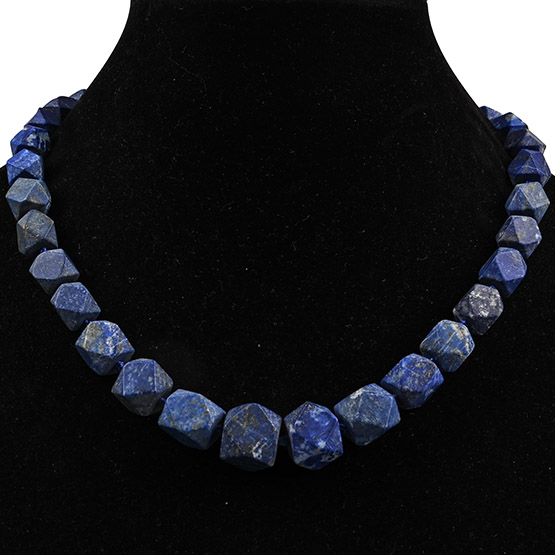
Lapis Lazuli Bead Necklace String
Sold for (Inc. bp): £33
Composed of graduated cornerless cube beads, restrung with a metal clasp. 104 grams, 51 cm
Ex London, UK, art market 1990s. -
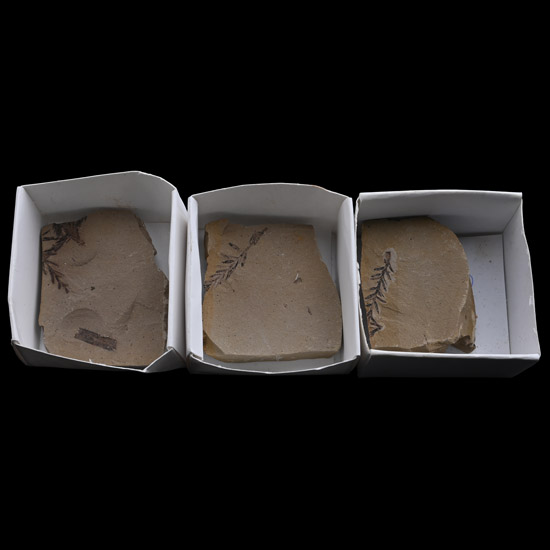
Group of Three Metasequoia Dawn Redwood Fossils
Oligocene Period, circa 34-23 million years B.P.Sold for (Inc. bp): £7
Three irregular matrices containing dawn redwood fossils, showing twig and needle leaves. 88.1 grams total, 46-55 mm
From a Cambridgeshire, UK, collection. -
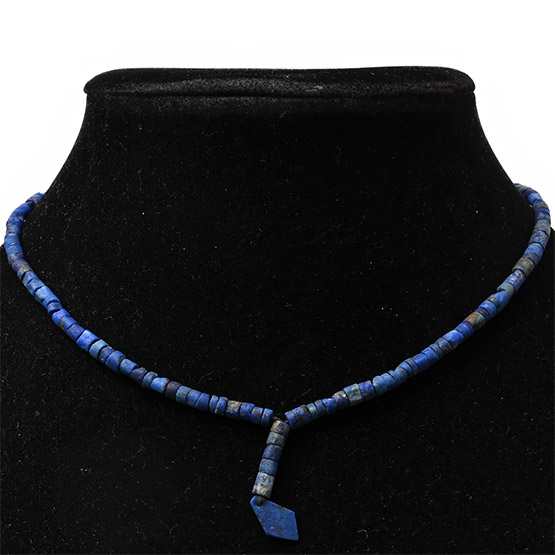
Lapis Lazuli Bead Necklace String
Sold for (Inc. bp): £46
Composed of annular and cylindrical beads with a lozenge-shaped pendant at the centre; restrung. 8.6 grams, 30.5 cm
Ex London, UK, art market 1990s.
