
Loading, please wait...


LOT 2528
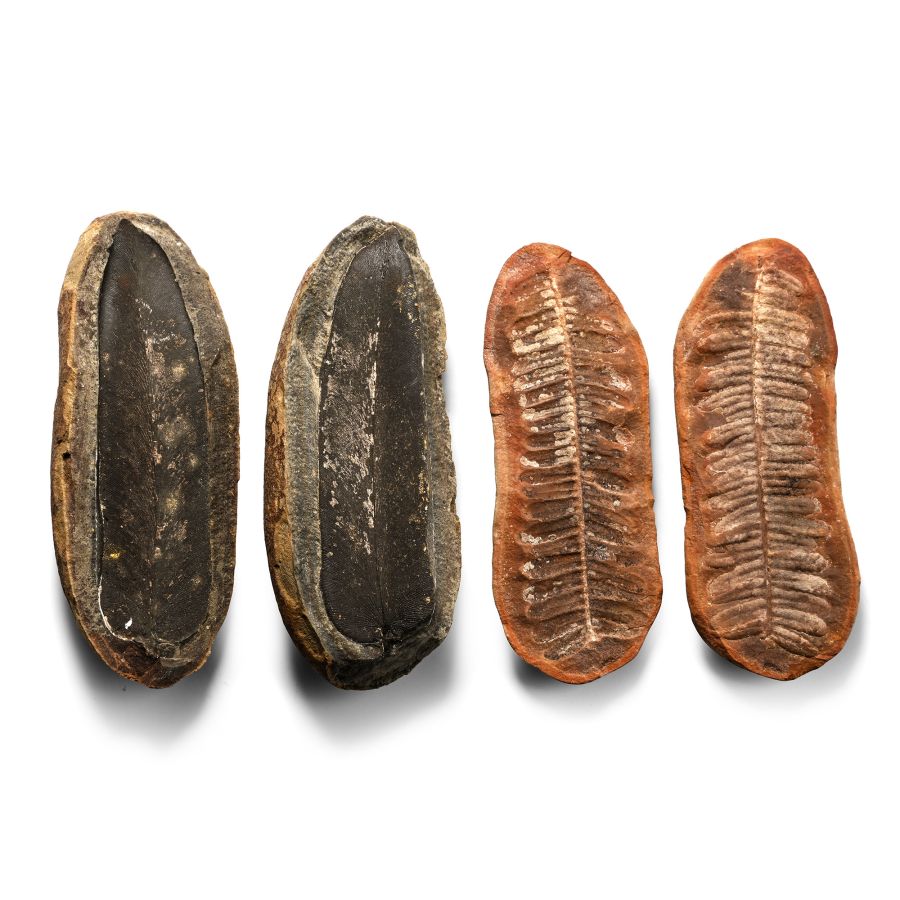
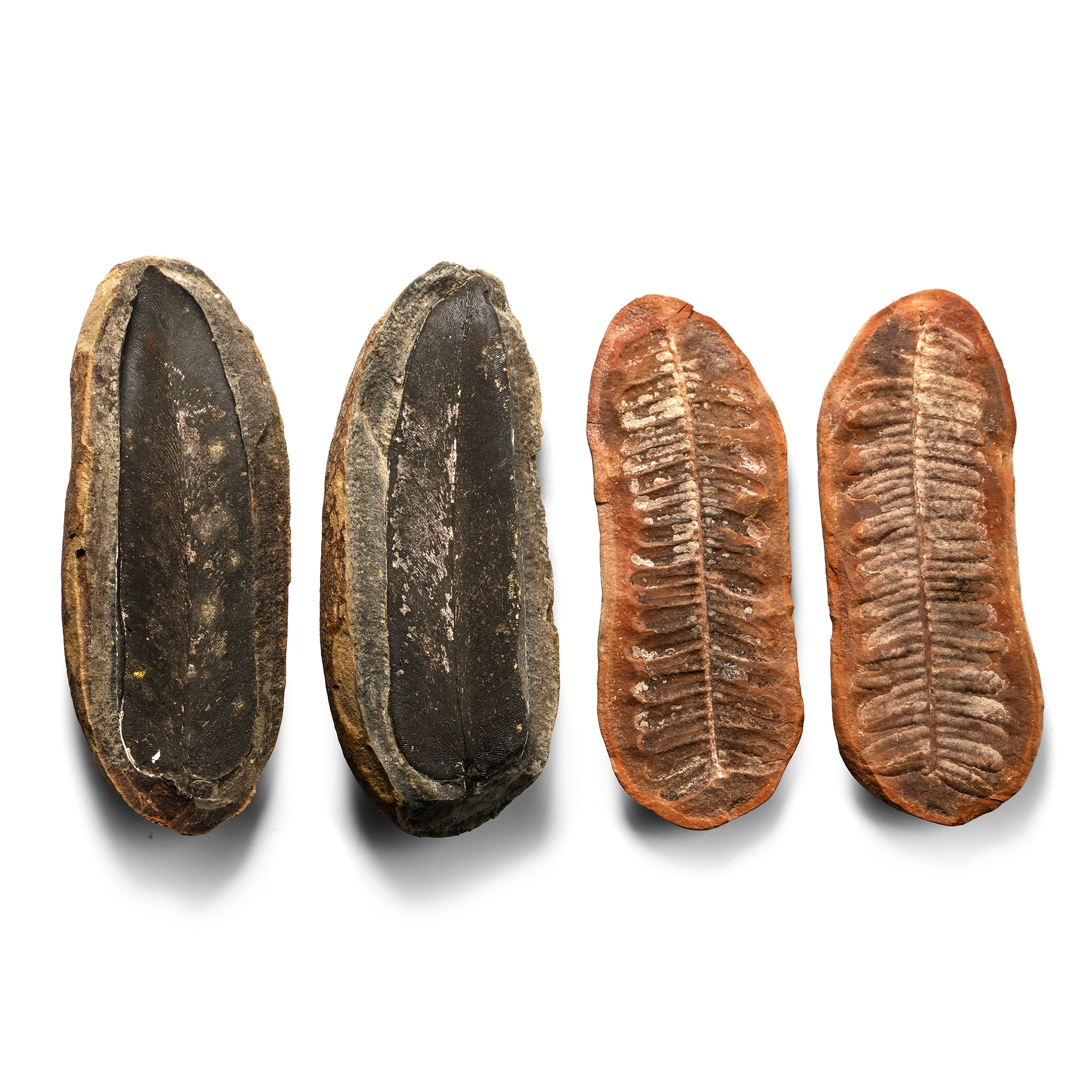
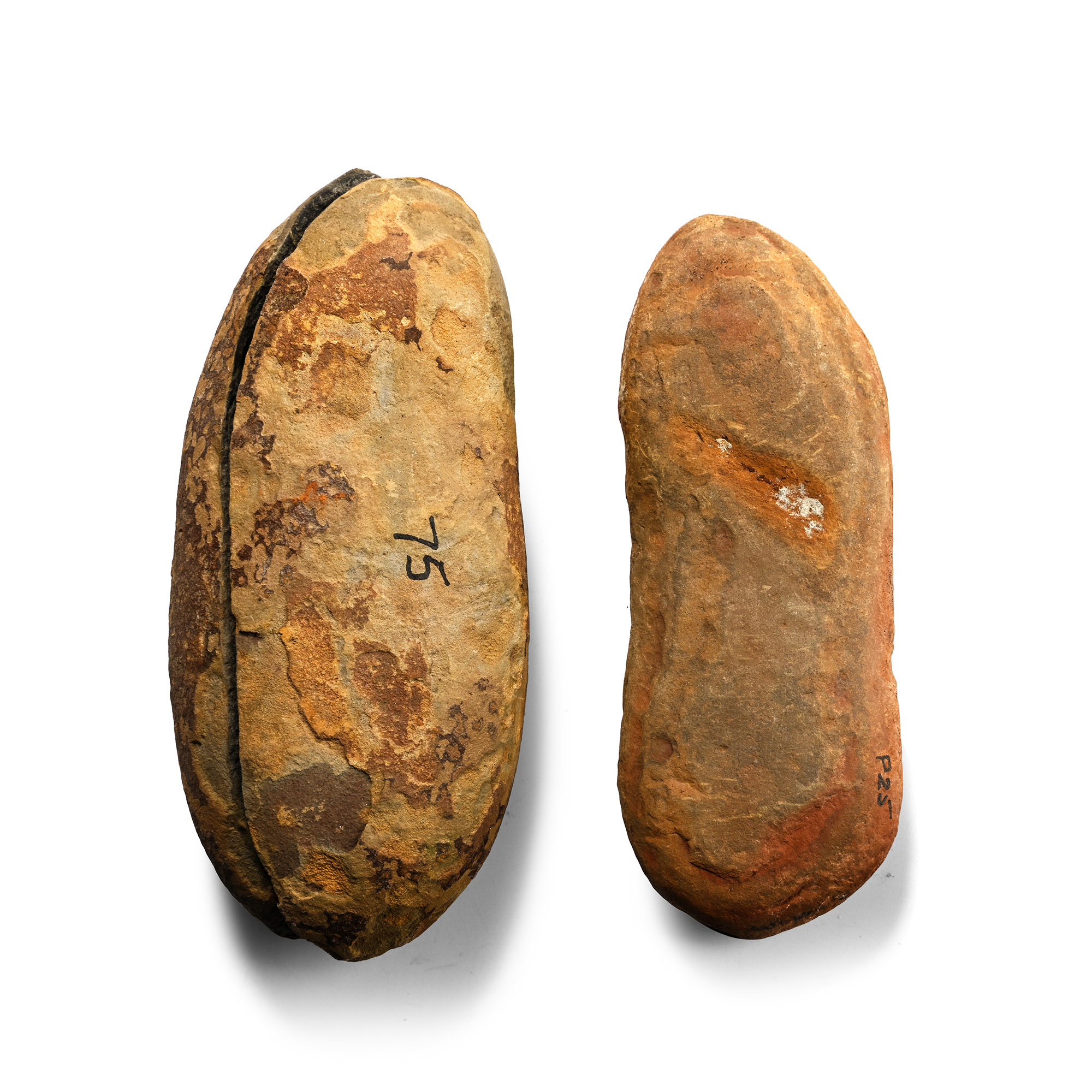
Fossil Astrotheca and Neuropteris Ferns in Split Nodules
CARBONIFEROUS PERIOD, CIRCA 358-298 MILLION YEARS B.P.
4 - 4 1/8 in. (366 grams total, 10-10.7 cm).
Comprising two opened nodules showing the positive and negative of the fern fossil. [2, No Reserve]
ProvenanceFrom Pennsylvanian Mazon Creek, Braidwood, Illinois, USA.
From the private collection of Kenneth Machin (1936-2020), Buckinghamshire, UK; his collection of antiquities and natural history was formed since 1948; thence by descent.
TimeLine Auctions follows a vetting process to ensure the authenticity and legality of all items, reinforcing our commitment to integrity and responsible trading. Each antiquity, antique, and coin lot undergoes thorough examination by a vetting committee of at least ten external specialists, professional trade association members, scientists, and archaeologists: Our Vetting Process
AUCTIONS:
TimeLine is a leading auction house specialising in antiquities, ancient art, collectables, natural history, coins, medals, and books. Our auctions offer museums, collectors, historians, and enthusiasts the opportunity to acquire unique and historically significant pieces.
LOT 2528
Fossil Astrotheca and Neuropteris Ferns in Split Nodules
Sold for (Inc. bp): £143
-
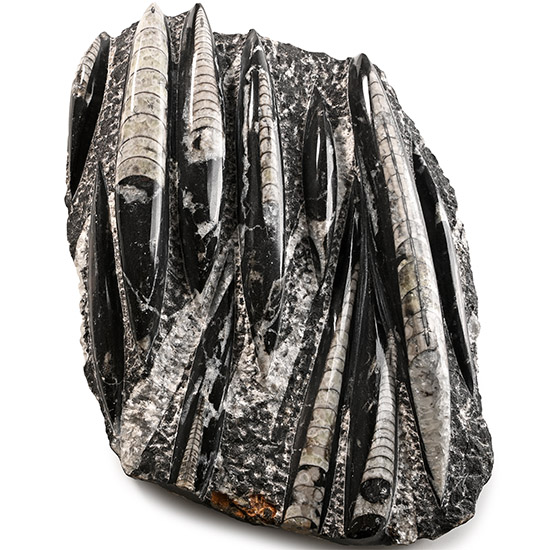
Polished Fossil Orthoceras Display Plaque
Devonian Period, circa 417-354 million years B.P.Sold for (Inc. bp): £20
An irregular plaque with polished bullet-shaped orthoceras specimens. 2.8 kg, 24 cm
From the private collection of a Devon, UK, lady. -
![Large Group of One Hundred [100] Sulphur Specimens](https://timelineauctions.com/upload/images/items/small/255964-s.jpg)
Large Group of One Hundred [100] Sulphur Specimens
Sold for (Inc. bp): £26
Comprising one hundred vivid canary-yellow specimens. 1.3 kg total, 10-50 mm
From Brazil. Ex Mineral Imports, London, UK. Gregory, Bottley & Lloyd (Gregory's), Harwich, UK. -
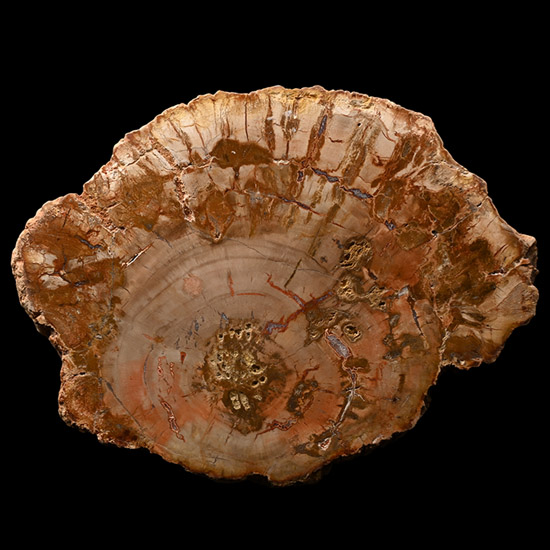
Polished Fossil Tree Slice
Triassic Period, 251-199 million years B.P.Sold for (Inc. bp): £46
Agatized slice showing attractive patterns, polished on both sides. 437 grams, 15.7 cm
From a Cambridgeshire, UK, collection.
