
Loading, please wait...
LOT 2343
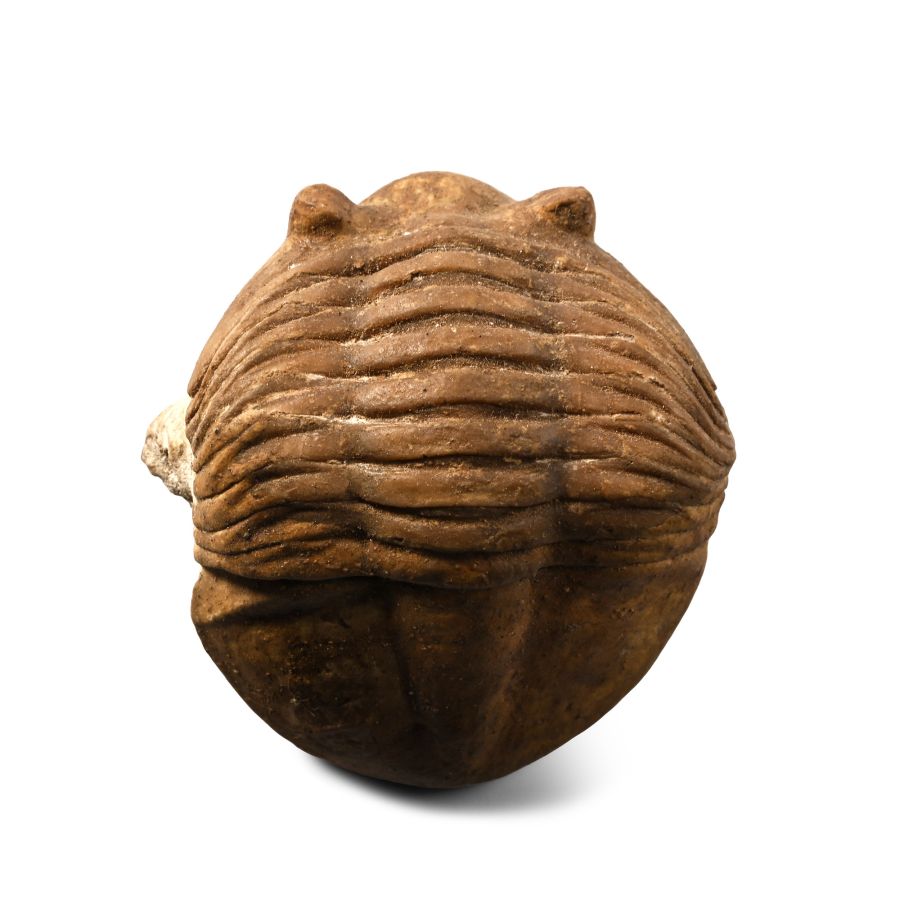
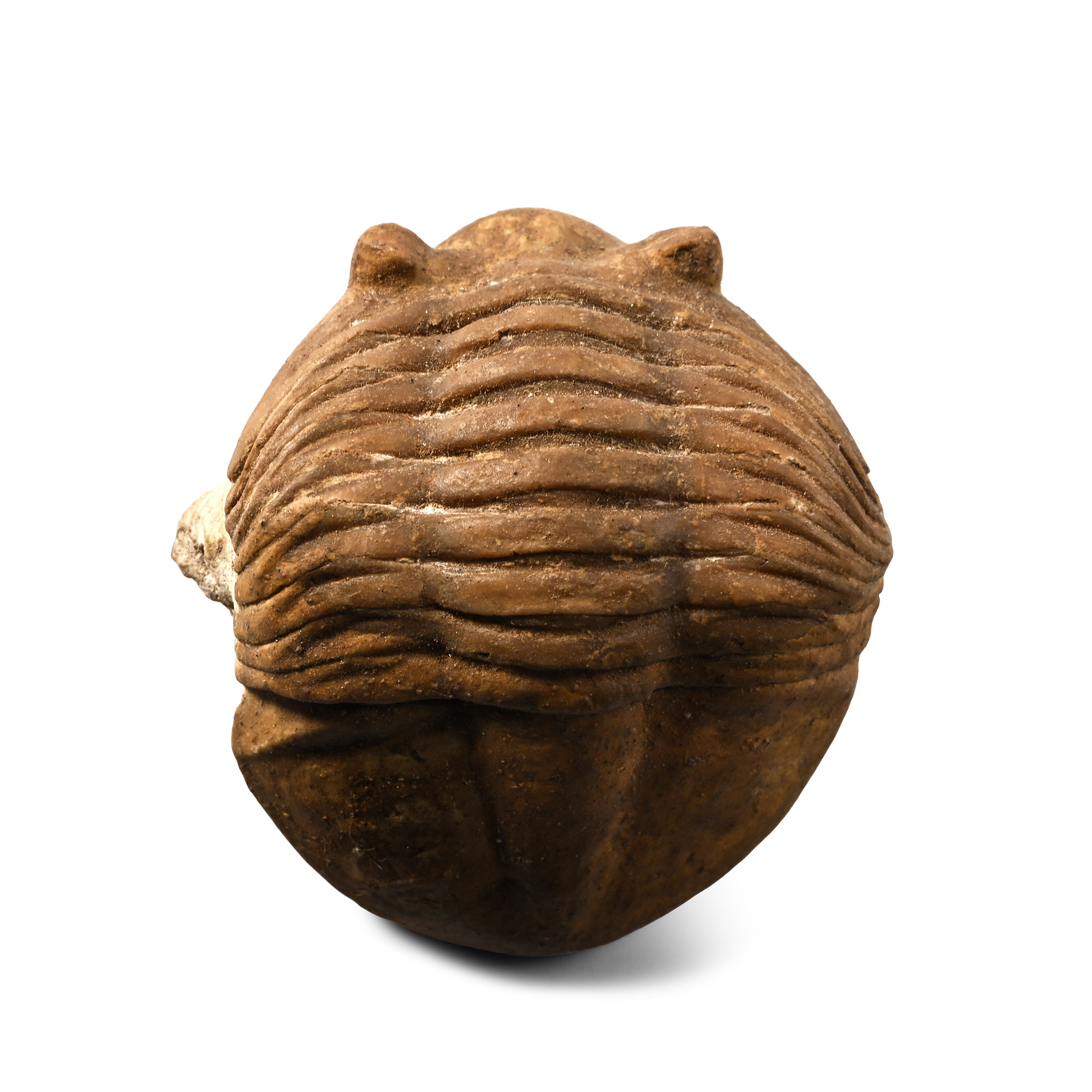
Fossil Asaphus Trilobite in Matrix
MIDDLE ORDOVICIAN, CIRCA 470-458 MILLION YEARS B.P.
2 1/8 in. (65 grams, 54 mm).
Asaphus lepidurus with a semicircular headshield and tailshield separated by well-defined ribs. [No Reserve]
ProvenanceFrom the Putilova River, Volchov, St. Petersburg, Russia.
From the private collection of Kenneth Machin (1936-2020), Buckinghamshire, UK; his collection of antiquities and natural history was formed since 1948; thence by descent.
TimeLine Auctions follows a vetting process to ensure the authenticity and legality of all items, reinforcing our commitment to integrity and responsible trading. Each antiquity, antique, and coin lot undergoes thorough examination by a vetting committee of at least ten external specialists, professional trade association members, scientists, and archaeologists: Our Vetting Process
AUCTIONS:
TimeLine is a leading auction house specialising in antiquities, ancient art, collectables, natural history, coins, medals, and books. Our auctions offer museums, collectors, historians, and enthusiasts the opportunity to acquire unique and historically significant pieces.
-
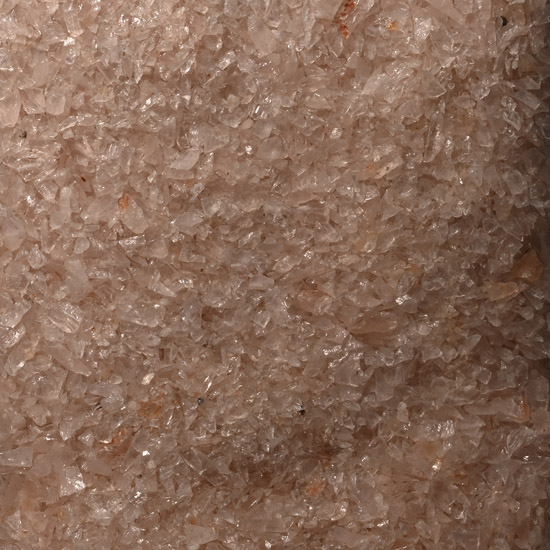
2 Kg of Rose Quartz Fragments
Sold for (Inc. bp): £20
Large quantity of pale pink rose quartz chips. 2 kg total, 1 - 30 mm
Ex Mineral Imports, London, UK. Gregory, Bottley & Lloyd (Gregory's), Harwich, UK. -
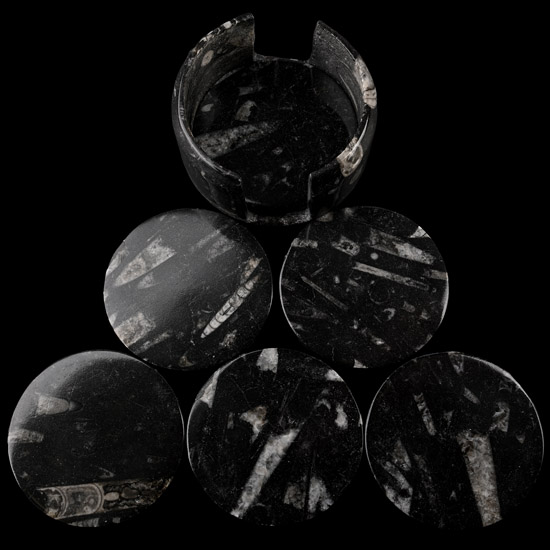
Polished Fossil Orthoceras Coaster Set
Devonian Period, circa 417-354 million years B.P.Sold for (Inc. bp): £52
Comprising six circular coasters, the Orthoceras have been polished through the shell to reveal the calcite preserved inside and showing the dividing gas chambers known as suture patterns. 682 grams, 91 mm wide
From a Cambridgeshire, UK, collection. -
![Group of Twenty [20] Cut Malachite Slices](https://timelineauctions.com/upload/images/items/small/256030-s.jpg)
Group of Twenty [20] Cut Malachite Slices
Sold for (Inc. bp): £26
Comprising twenty irregular, unpolished specimens showing contrasting banding. 622 grams total, 4.4-16 cm
From the Democratic Republic of the Congo. Ex Mineral Imports, London, UK. Gregory, Bottley & Lloyd (Gregory's), Harwich, UK.
