
Loading, please wait...
LOT 2461
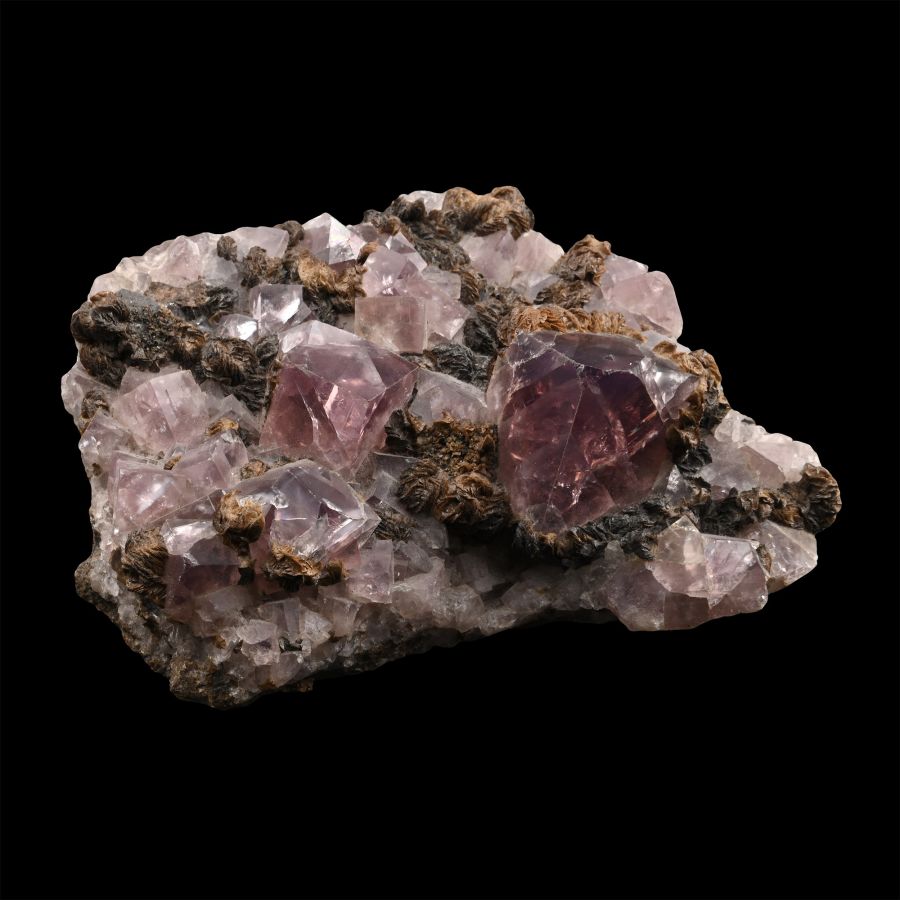
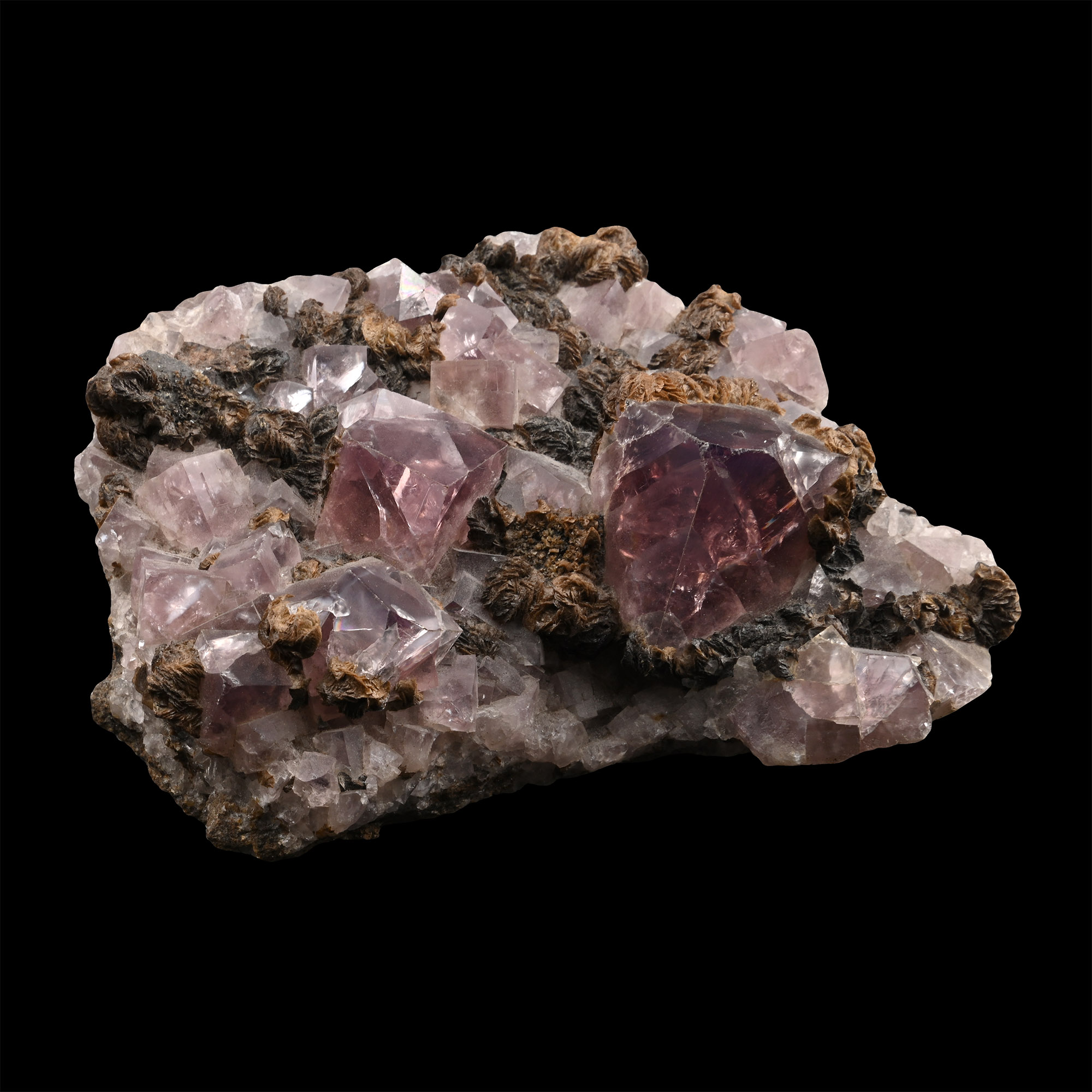
Fluorite Crystal Specimen from Cumbria
5 3/4 in. (822 grams, 14.4 cm).
A matrix containing cubic brown-red crystals, the larger ones showing incipient cleavage lines. [No Reserve]
ProvenanceProperty of an Essex gallery.
CONDITIONTimeLine Auctions follows a vetting process to ensure the authenticity and legality of all items, reinforcing our commitment to integrity and responsible trading. Each antiquity, antique, and coin lot undergoes thorough examination by a vetting committee of at least ten external specialists, professional trade association members, scientists, and archaeologists: Our Vetting Process
AUCTIONS:
TimeLine is a leading auction house specialising in antiquities, ancient art, collectables, natural history, coins, medals, and books. Our auctions offer museums, collectors, historians, and enthusiasts the opportunity to acquire unique and historically significant pieces.
-
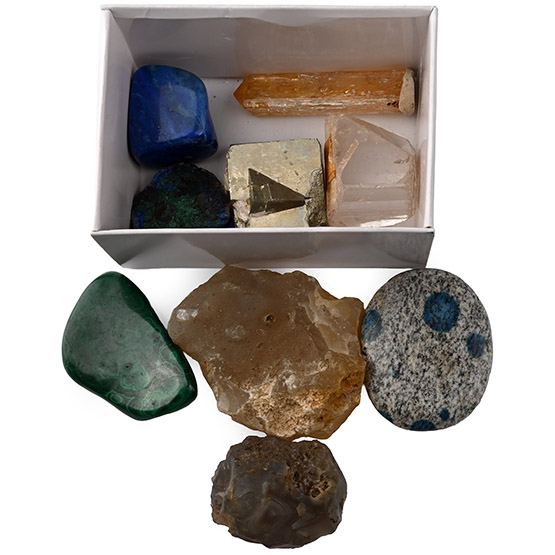
Crystal and Mineral Display Specimen Collection
Sold for (Inc. bp): £221
Comprising: malachite on azurite, sodalite, pyrite, malachite, imperial topaz, colourless topaz, azurite in granite, bicoloured tourmaline, and others. 407 grams total, 27-59 mm
Property of a North West London, UK, lady. -
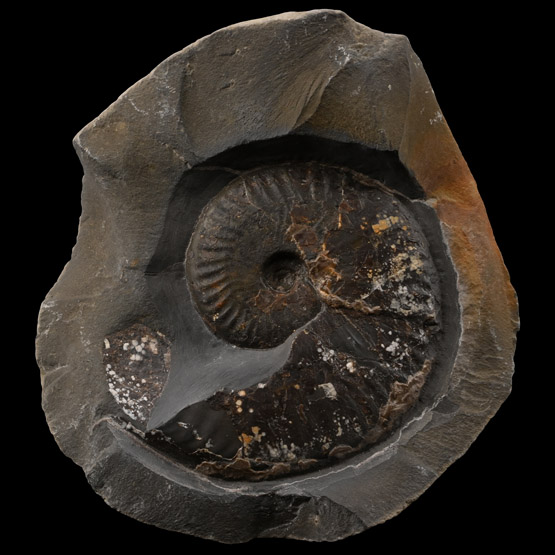
Fossil Pseudolioceras Ammonite
Lower Jurassic Period, Toarcian Stage, circa 180 million years B.P.Sold for (Inc. bp): £20
A rounded pebble half containing an Pseudolioceras lythense ammonite specimen. 795 grams, 13.2 cm
From Whitby, UK. From a Lincolnshire, UK, collection. -

Massive Cave Stalagmite Section
Sold for (Inc. bp): £7
A colossal cut section of cream-coloured stalagmite showing natural ripples. 66.7 kg, 90 cm
Previously from a Hong Kong collection. Ex property of a London, UK, gentleman, 1990s.
A stalagmite, is an upward-growing mound of mineral deposits growing on the floor of a cave due to accumulation of material deposited from ceiling drippings. They are typically formed by the deposition of calcium carbonate and other minerals, which is precipitated from mineralised water solutions. Limestone is the chief form of calcium carbonate rock which is dissolved by water that contains carbon dioxide, forming a calcium bicarbonate solution in underground caverns.
