
Loading, please wait...
LOT 1196
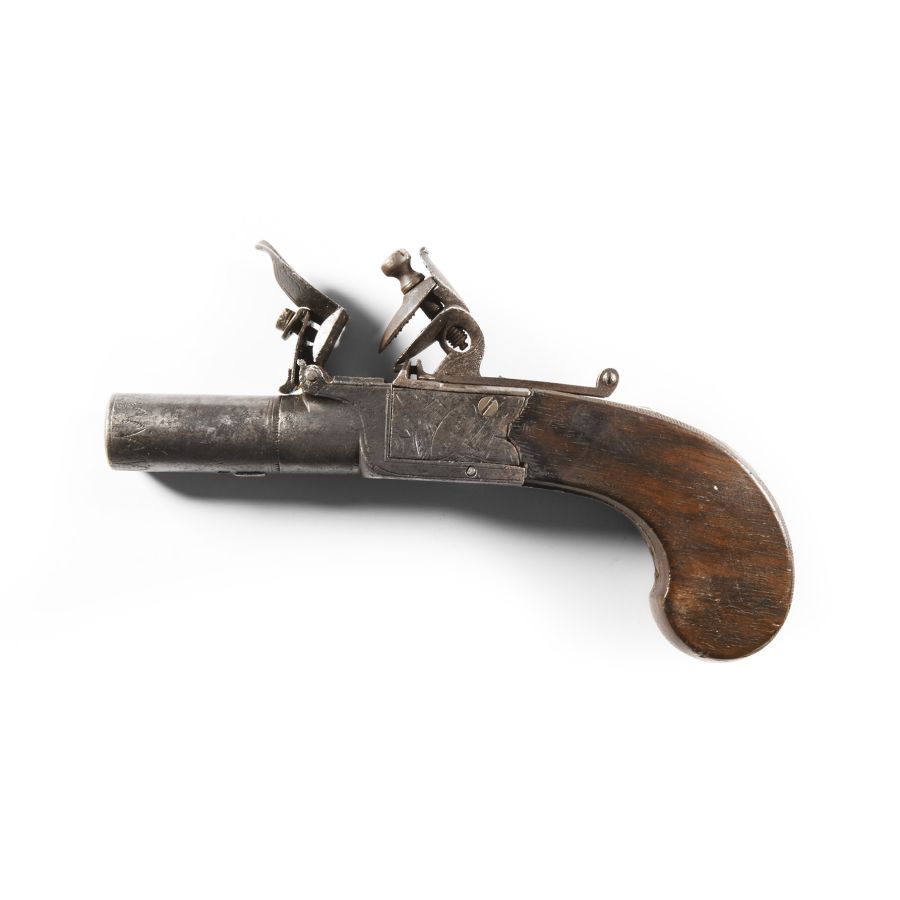
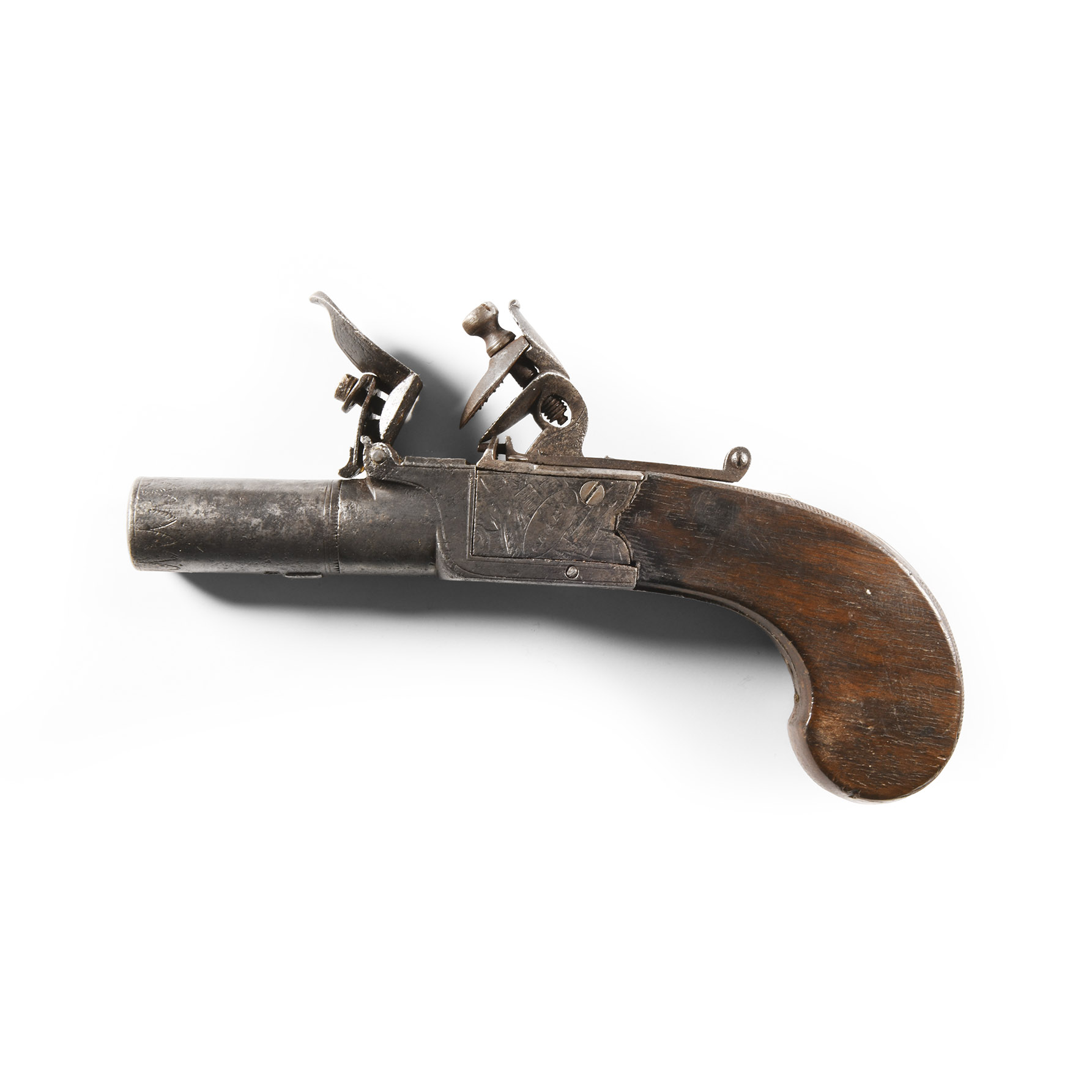
Flintlock Pocket Pistol
18TH CENTURY A.D.
5 1/4 in. (280 grams, 16 cm).
With 40mm (1½") turn-off barrel, box-lock with sliding safety marked 'CLARK' left and 'LONDON' right; fitted with plain wood butt and octagonal escutcheon; action working.
ProvenanceAcquired on the UK market.
Property of a Kent collector.
Sold as an exempt item under Section 58 (2) of the Firearms Act, 1968, to be held as a curiosity or ornament. No license required but buyer must be over 18 years of age. Overseas bidders should note that, due to UK regulations governing export of all firearms, overseas buyers will need to make arrangements for shipping this lot out of the UK directly, by air freight, with a specialist company or agent.
CONDITIONTimeLine Auctions follows a vetting process to ensure the authenticity and legality of all items, reinforcing our commitment to integrity and responsible trading. Each antiquity, antique, and coin lot undergoes thorough examination by a vetting committee of at least ten external specialists, professional trade association members, scientists, and archaeologists: Our Vetting Process
AUCTIONS:
TimeLine is a leading auction house specialising in antiquities, ancient art, collectables, natural history, coins, medals, and books. Our auctions offer museums, collectors, historians, and enthusiasts the opportunity to acquire unique and historically significant pieces.
-
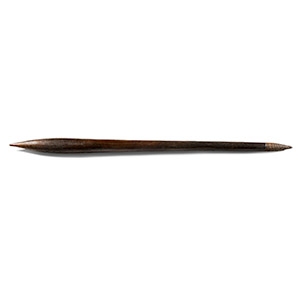
Australian Aboriginal Throwing Club
19th century A.D.Sold for (Inc. bp): £117
The round-section shaft with one tapered end and a pointed, bulbous head. 435 grams, 69 cm
Acquired UK market. Property of a Kent collector.
Used for hunting and in warfare. Possibly engraved using a possum tooth. -
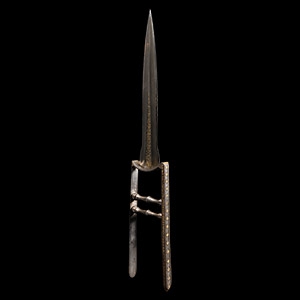
Indian Quatar Iron Dagger
18th-19th century A.D.Estimate: £900 - 1,200 (+bp*)
Opening Bid: £500
Comprising a broad blade tapering to an armour-piercing point, the steel side bars and balustered grips decorated with copper Koftgari work flowers and scrolls. 488 grams, 48 cm
General condition very good.
Property of a London gallery.
Unique to South Asia, the quatar or katar was a dagger that held at the crossbars with a clenched fist. The weapon was meant to be thrust into the opponent or prey from a close range. Rajput and Mughal royalty used this weapon to hunt tigers and even crocodiles to demonstrate their bravery and martial skill. -
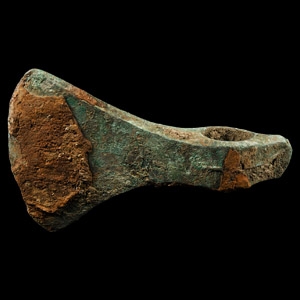
Luristan Bronze Axehead
2nd-1st millennium B.C.Sold for (Inc. bp): £130
With wide swept blade, large socket with raised circumferential rib, hammer to the rear. 1.3 kg, 21 cm
Acquired 1980-2015. Ex Abelita family collection.
