
Loading, please wait...


LOT 0574
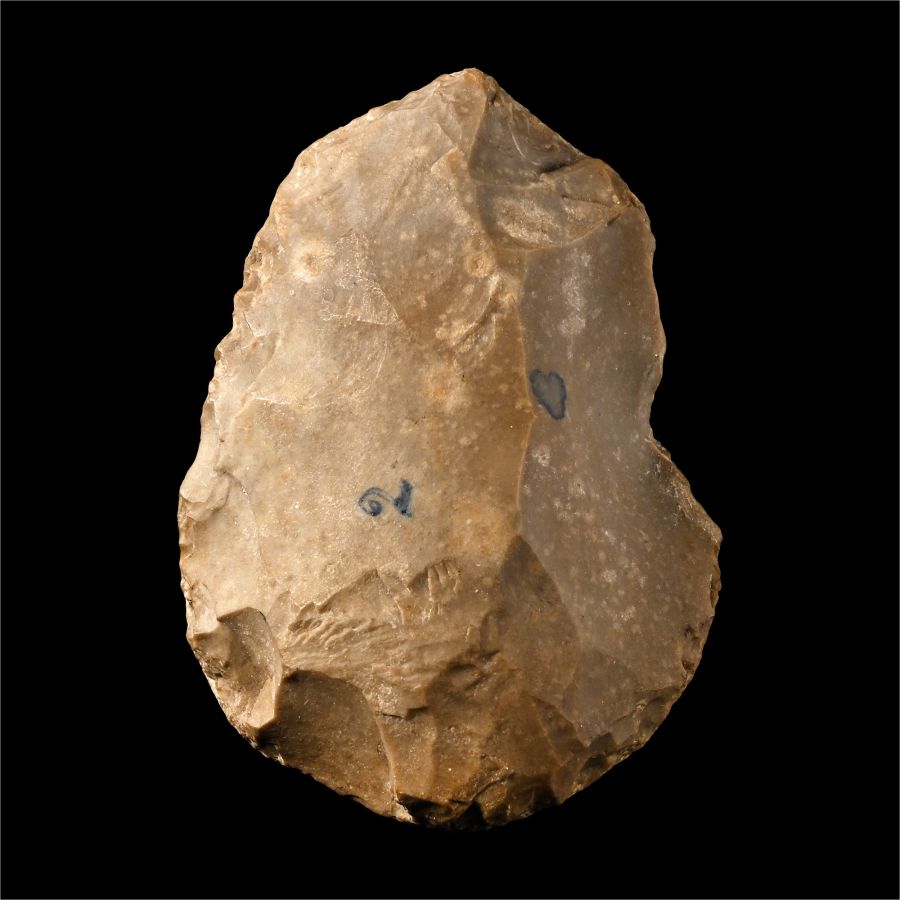
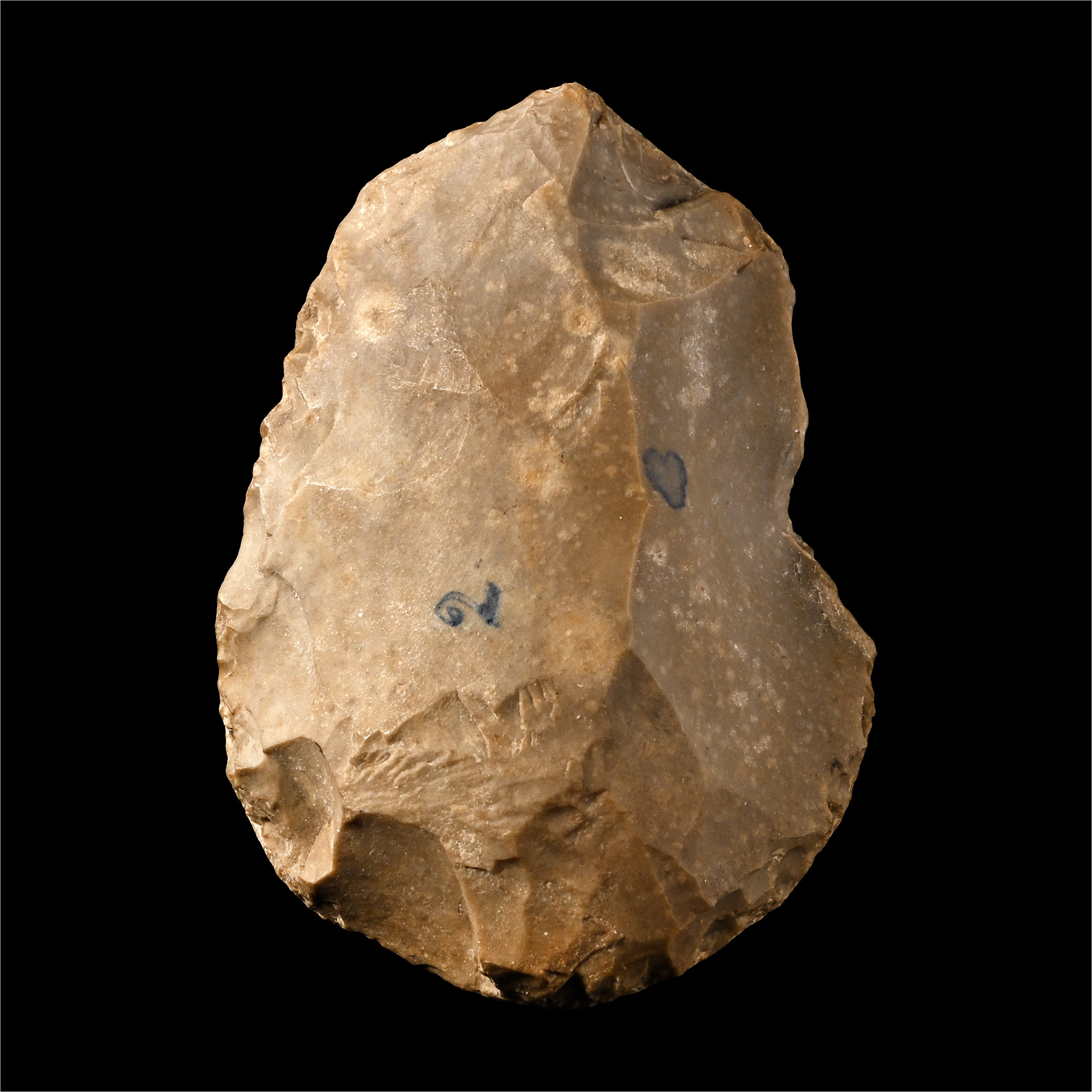
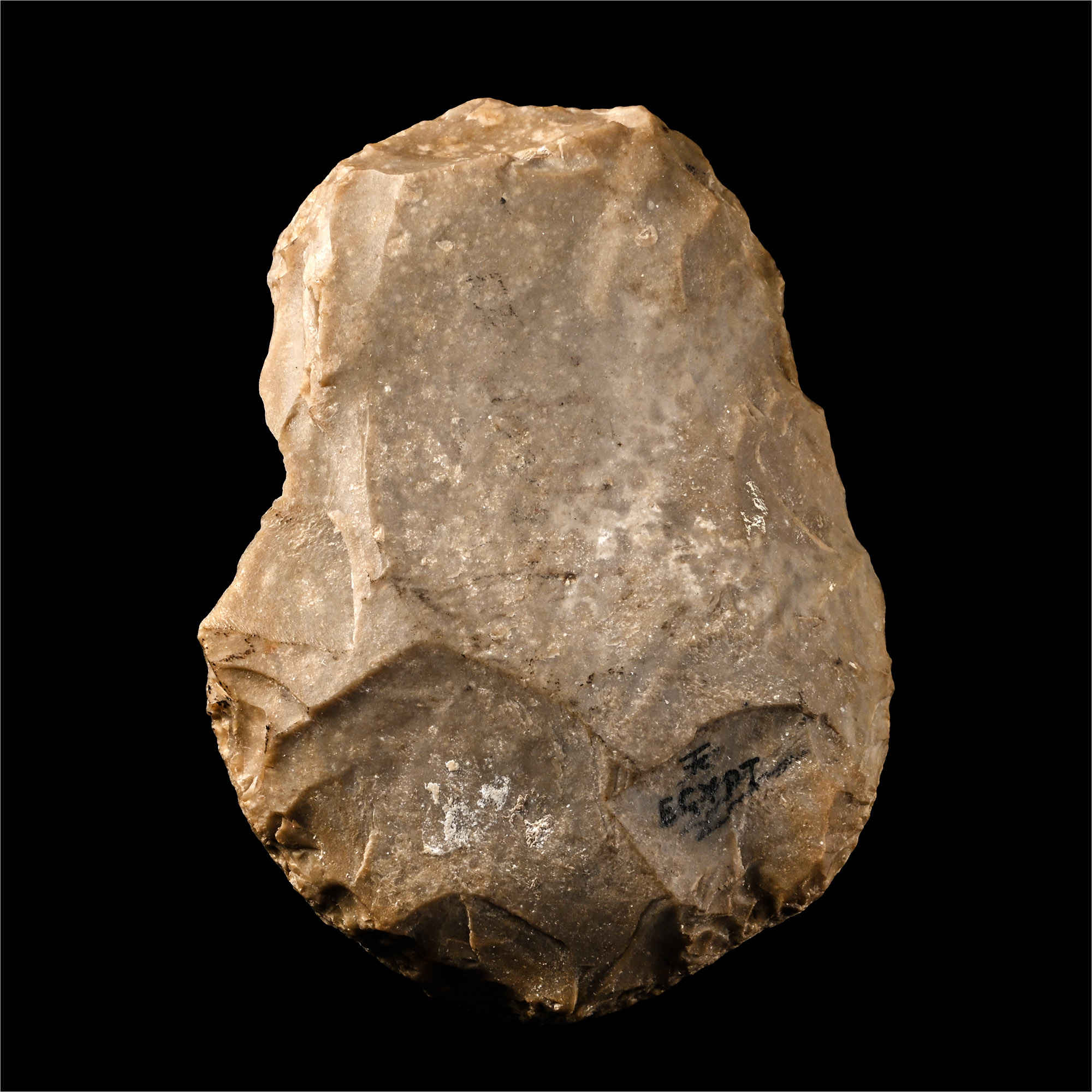
Fawcett Collection Egyptian Knapped Stone Axe with Fawcett Monogram
NEOLITHIC PERIOD, CIRCA 6,000 B.P.
3 1/4 in. (144 grams, 83 mm).
Ovate type with inked 'Egypt' legend beneath monogram, and '2' to obverse. [No Reserve]
ProvenanceFound Egypt.
Ex Dr Hugh Alderson Fawcett (1891-1982), a general practitioner and antiquarian who built up an important collection of ancient implements, weapons and ornaments.
The present part of the collection having been gifted to Haselmere Parish Priest, Charles Borelli (c.1914-2000) of Farnham; who was part of the Borelli family from Italy who emigrated from Lake Como in 1828 to set up the Borelli family watch and jewellery business; thence by family descent to his nephew.
TimeLine Auctions follows a vetting process to ensure the authenticity and legality of all items, reinforcing our commitment to integrity and responsible trading. Each antiquity, antique, and coin lot undergoes thorough examination by a vetting committee of at least ten external specialists, professional trade association members, scientists, and archaeologists: Our Vetting Process
AUCTIONS:
TimeLine is a leading auction house specialising in antiquities, ancient art, collectables, natural history, coins, medals, and books. Our auctions offer museums, collectors, historians, and enthusiasts the opportunity to acquire unique and historically significant pieces.
LOT 0574
Fawcett Collection Egyptian Knapped Stone Axe with Fawcett Monogram
Estimate £60 - 80€70 - 93 (for guidance only)$81 - 108 (for guidance only)
Opening Bid
£5 (EUR 6; USD 7) +BP*
-
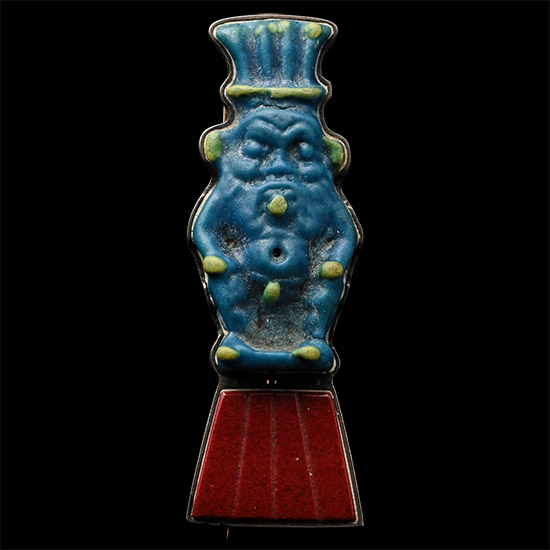
Egyptian Polychrome Faience Amulet of the God Bes Fashioned as a Dress Pin
Late-Ptolemaic Period, circa 664-30 B.C.Estimate: £300 - 400 (+bp*)
Opening Bid: £167
The dwarf god depicted in a characteristic bandy-legged stance, with his hands on his hips and a fearsome expression, wearing a plumed headdress; the deep blue glaze highlighted in yellow; set in a metal casing with hinged pins on the reverse and a red jasper insert depicting four plumes beneath his feet. 13.7 grams, 52 mm
Early 20th century UK collection. Ex A.H. collection, London, UK. Accompanied by a previous catalogue information page with provenance.
From the New Kingdom onwards, Bes became one of ancient Egypt's most popular apotropaic deities. Despite his somewhat fearsome appearance, Bes served as the patron and protector of pregnant women and children and was believed to shield them from snakes. The role of Bes as a guardian of women persisted at least until the third or fourth century A.D. -
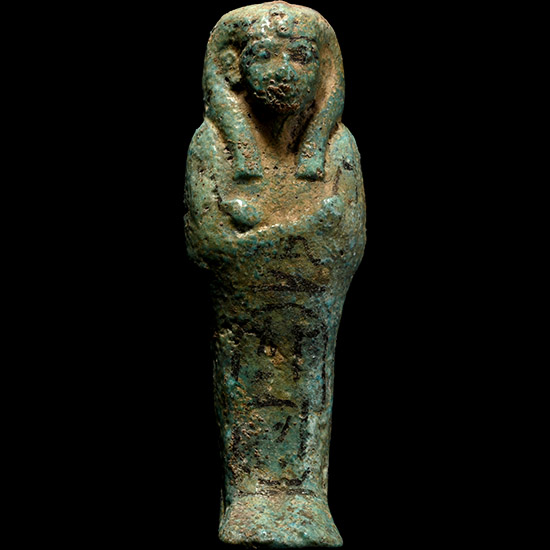
Egyptian Turquoise Blue Glazed Faience Shabti with Cartouche of Kedmerut
Third Intermediate Period, 22nd Dynasty, circa 825-777 B.C.Estimate: £500 - 700 (+bp*)
Bids: 15 | Current Bid: £210
Mummiform shabti wearing a lappet wig, bearing a faintly modelled royal uraeus on the brow, with arms crossed and hands holding black-painted hoes, a black-painted seed belt across the back, black detailing on the face, and hieroglyphic text on the lower body giving the introduction 'The Osiris' followed by Kedmerut's name within a cartouche. 60.8 grams, 99 mm
From the private collection of Peter Clayton, FCILIP, Dip, Arch, FSA, FRNS, Hemel Hempstead, Hertfordshire, UK; formed since the late 1950s.
Kedmerut was the 23rd Divine Adoratrice of Amun, a title originally bestowed on the daughters of Amun’s chief priests during Hatshepsut’s reign (1473–1458 BC). By the Third Intermediate Period, these priestly women also held the title ‘God’s Wife of Amun’ and wielded considerable power, effectively ruling Upper Egypt as sovereigns. Indeed, Kedmerut’s shabti bears a uraeus on its forehead, symbolising kingship. -
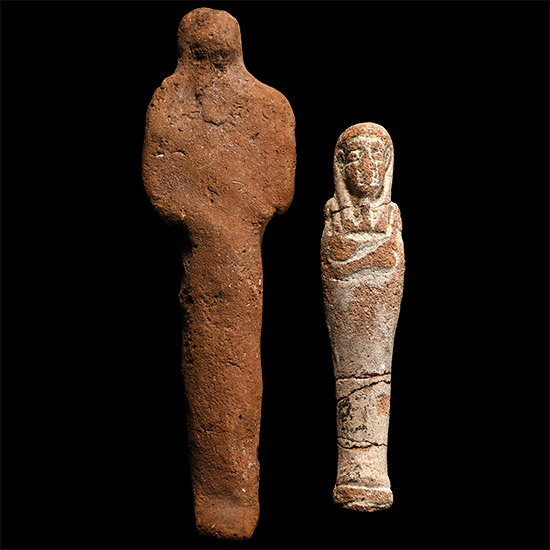
Egyptian Clay Shabti Group
New Kingdom-Late Period, circa 13th-4th century B.C.Estimate: £80 - 100 (+bp*)
Bids: 1 | Current Bid: £5
Comprising: a crude, red clay mummiform figure with minimal shaping, and a mould-formed figure with a lappet wig and crossed arms holding agricultural implements, with white pigment on the surface. 80 grams total, 9.3-12.7 cm
with a privately curated collection, 1980s-early 2000s. From the private collection and estate of Christine Simons (1943-2025), West Midlands, UK.
