
Loading, please wait...
LOT 1211
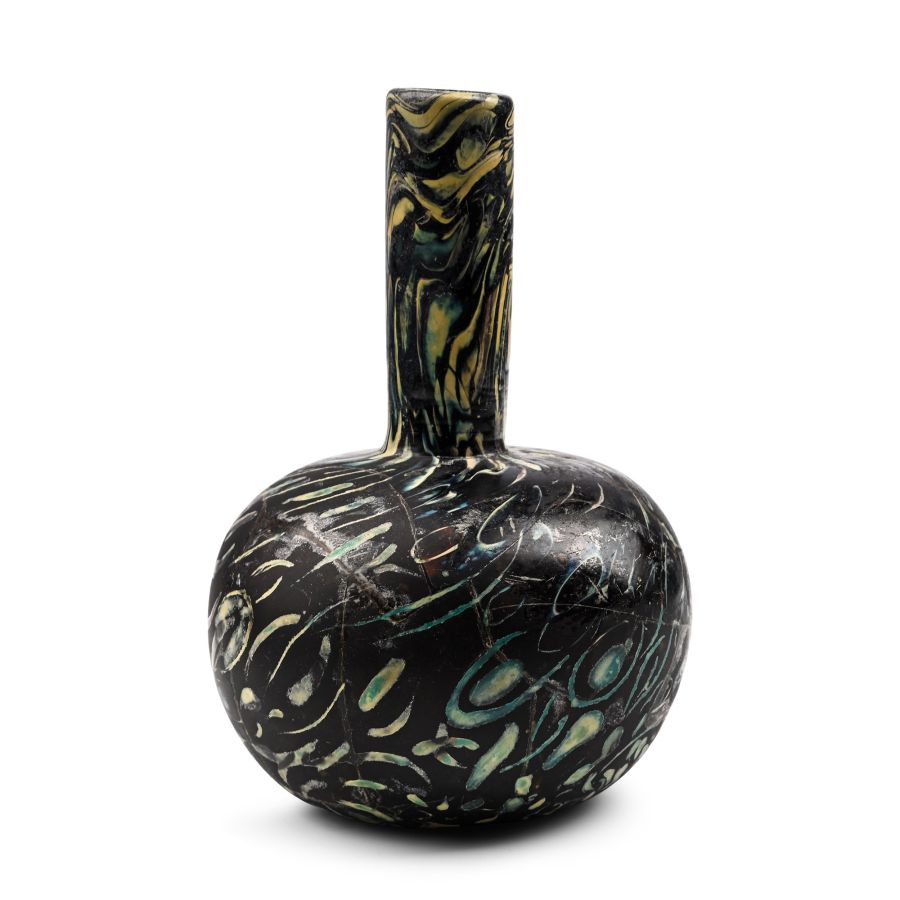
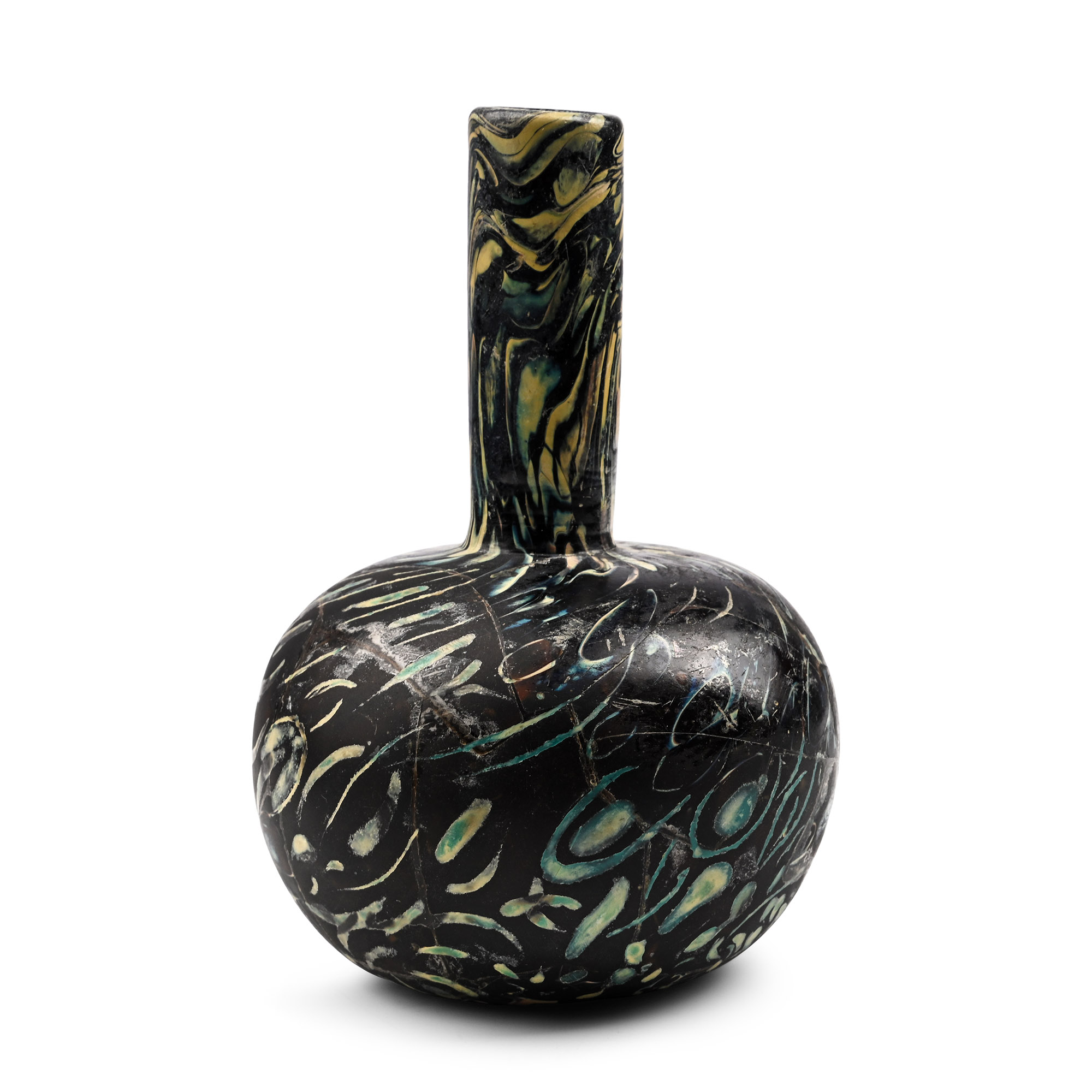
Fatimid Opaque Mosaic Glass Vase
CIRCA 10TH-12TH CENTURY A.D. OR LATER
6 1/8 in. (242 grams, 15.5 cm).
Comprising a squat rounded body and tubular neck with rounded rim, pontil base; dragged swirl motifs in white on a navy blue field; repaired.
ProvenancePrivate collection, UK.
CONDITIONTimeLine Auctions follows a vetting process to ensure the authenticity and legality of all items, reinforcing our commitment to integrity and responsible trading. Each antiquity, antique, and coin lot undergoes thorough examination by a vetting committee of at least ten external specialists, professional trade association members, scientists, and archaeologists: Our Vetting Process
AUCTIONS:
TimeLine is a leading auction house specialising in antiquities, ancient art, collectables, natural history, coins, medals, and books. Our auctions offer museums, collectors, historians, and enthusiasts the opportunity to acquire unique and historically significant pieces.
LOT 1211
Fatimid Opaque Mosaic Glass Vase
Estimate £800 - 1,000€930 - 1,160 (for guidance only)$1,080 - 1,350 (for guidance only)
-
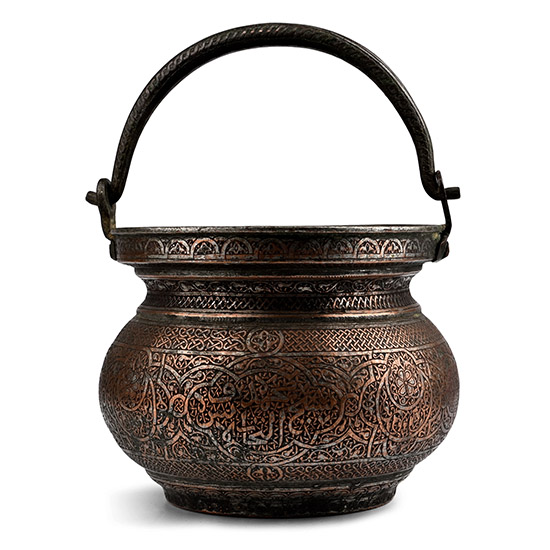
Western Asiatic Mamluk Style Copper Handled Calligraphic Vessel
20th century A.D.Sold for (Inc. bp): £234
Squat and with a low foot, broad carinated mouth; raised rim with brackets supporting a strap handle; dense knotwork and arcaded borders, rosettes and tendrils. 945 grams, 18 cm wide
Private collection, UK. -
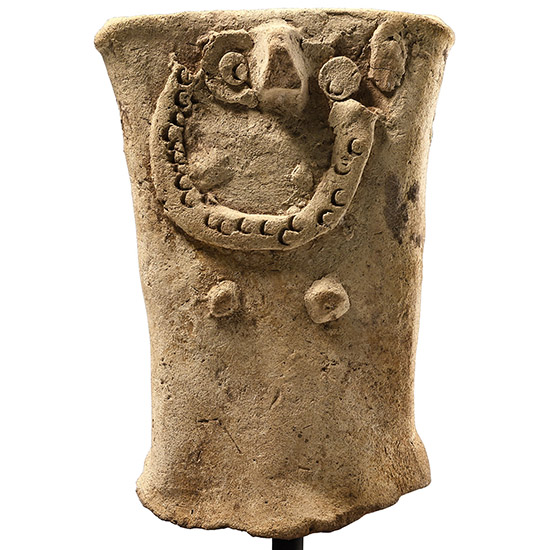
Mesopotamian Terracotta Mother Goddess Head
2nd millennium B.C.Sold for (Inc. bp): £195
A substantial figurine fragment comprising a trapezoidal plaque with expanded lower edge, applied discoid eyes and pinched nose, necklace with impressed bead detailing, applied breasts; mounted on a custom-made stand. 313 grams total, 15 cm including stand
Fine condition.
From an old Tokyo collection; formerly the property of a Japanese gentleman since the early 1990s. From the private collection of John Meredith, acquired since the 1990s; thence by descent. -
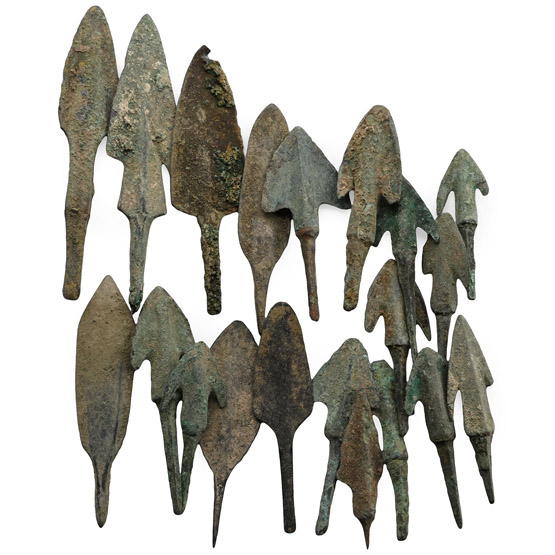
Western Asiatic Bronze Arrowhead Collection
1st millennium B.C.Estimate: £100 - 140 (+bp*)
Opening Bid: £50
Including barbed, barbed-and-tanged leaf-shaped and other types. 125 grams total, 40-75 mm
Ex London, UK, collection, 1990s.
