
Loading, please wait...
LOT 1200
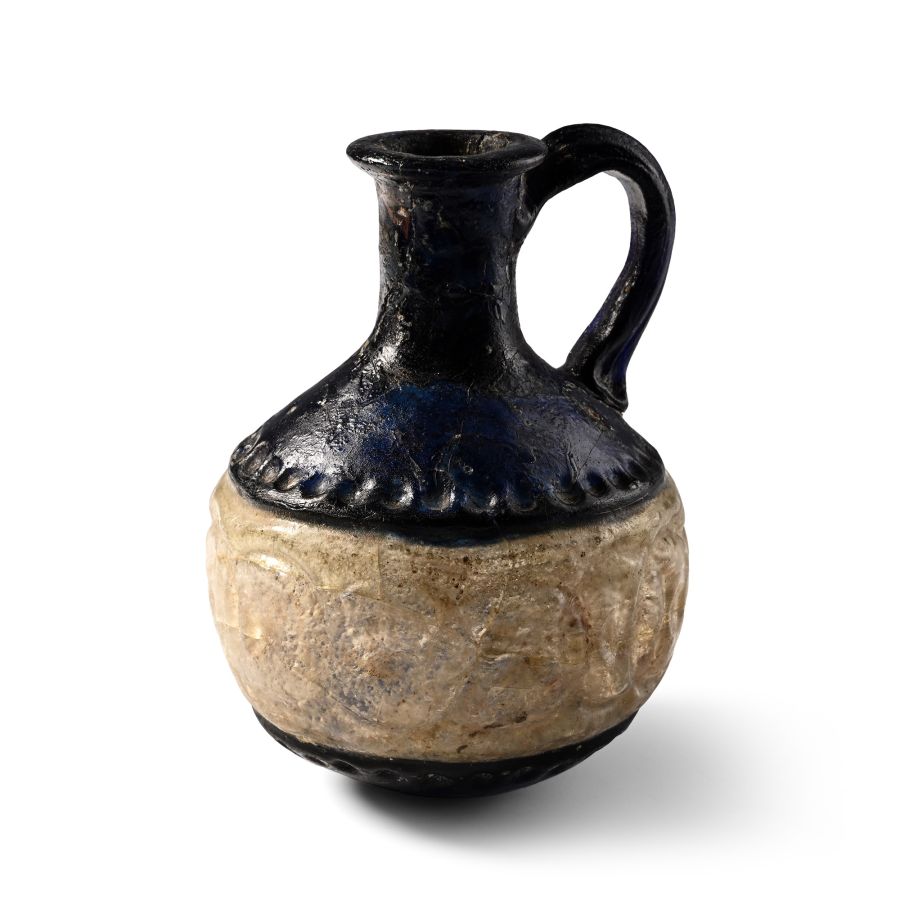
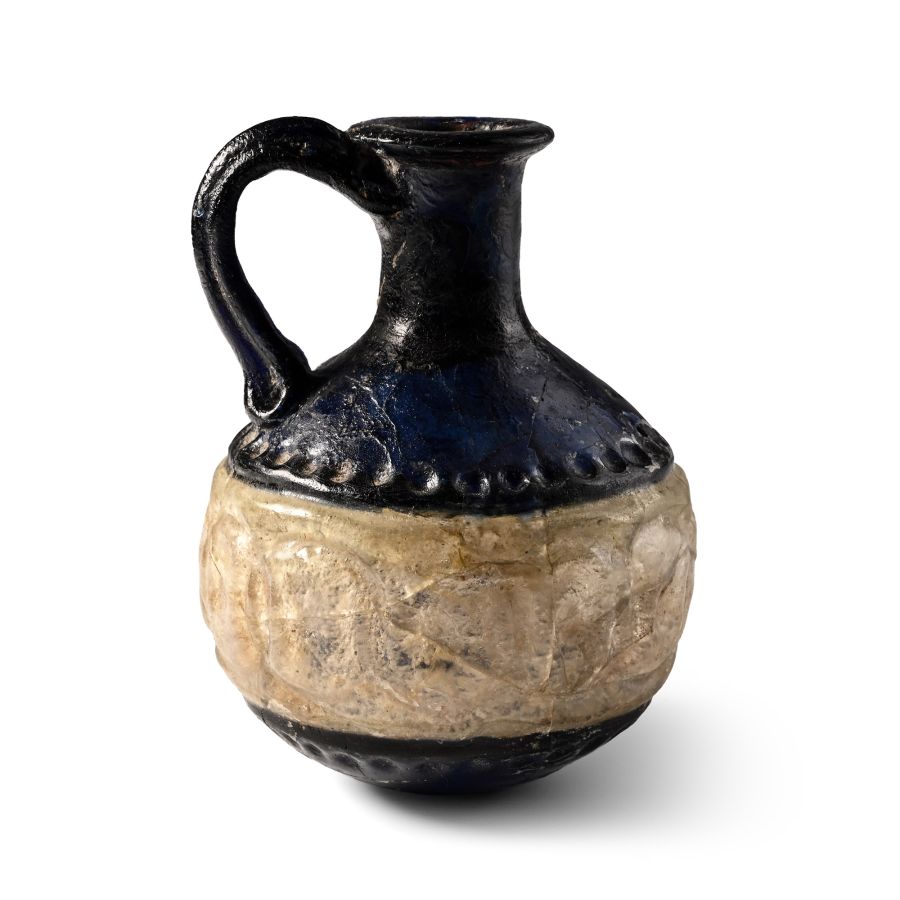
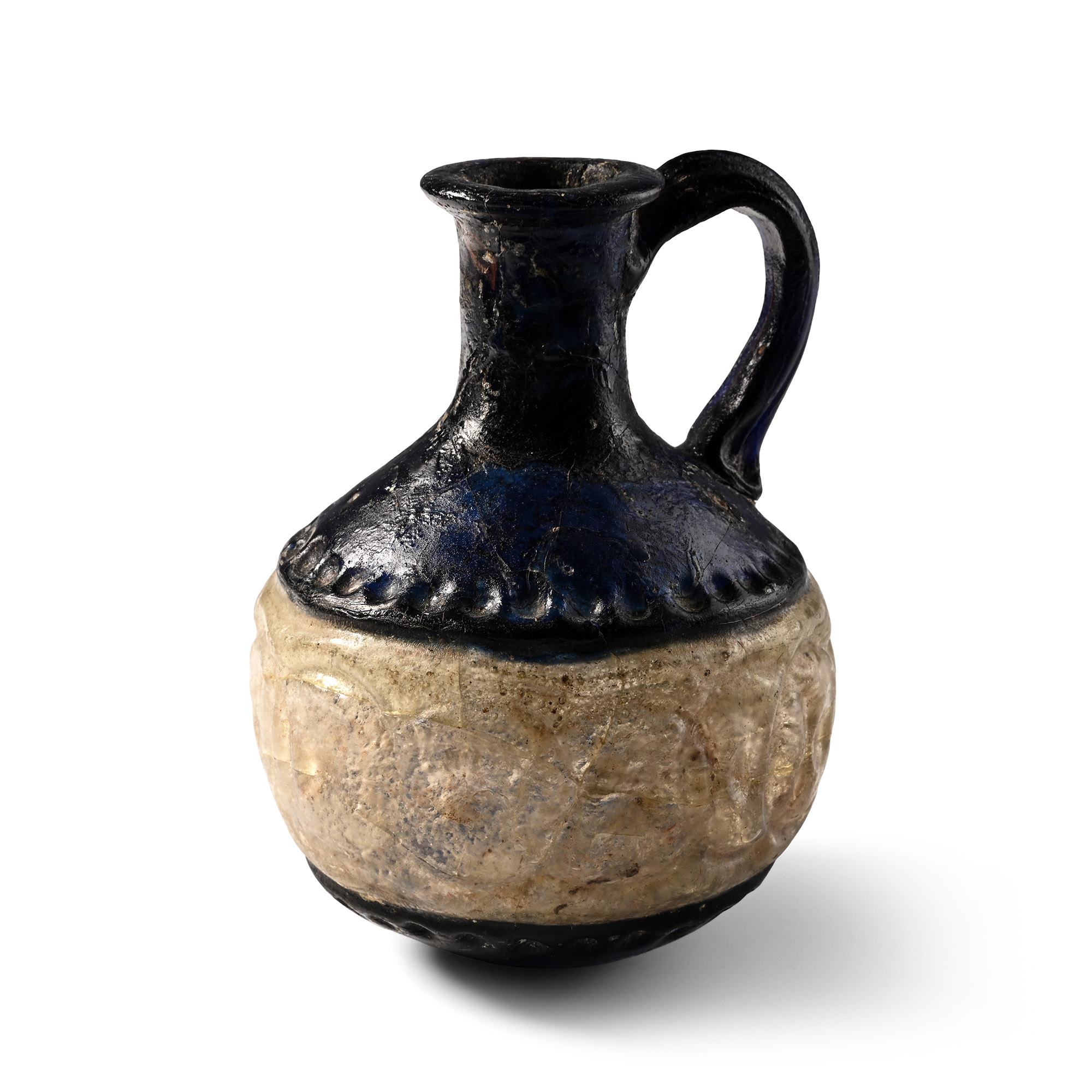
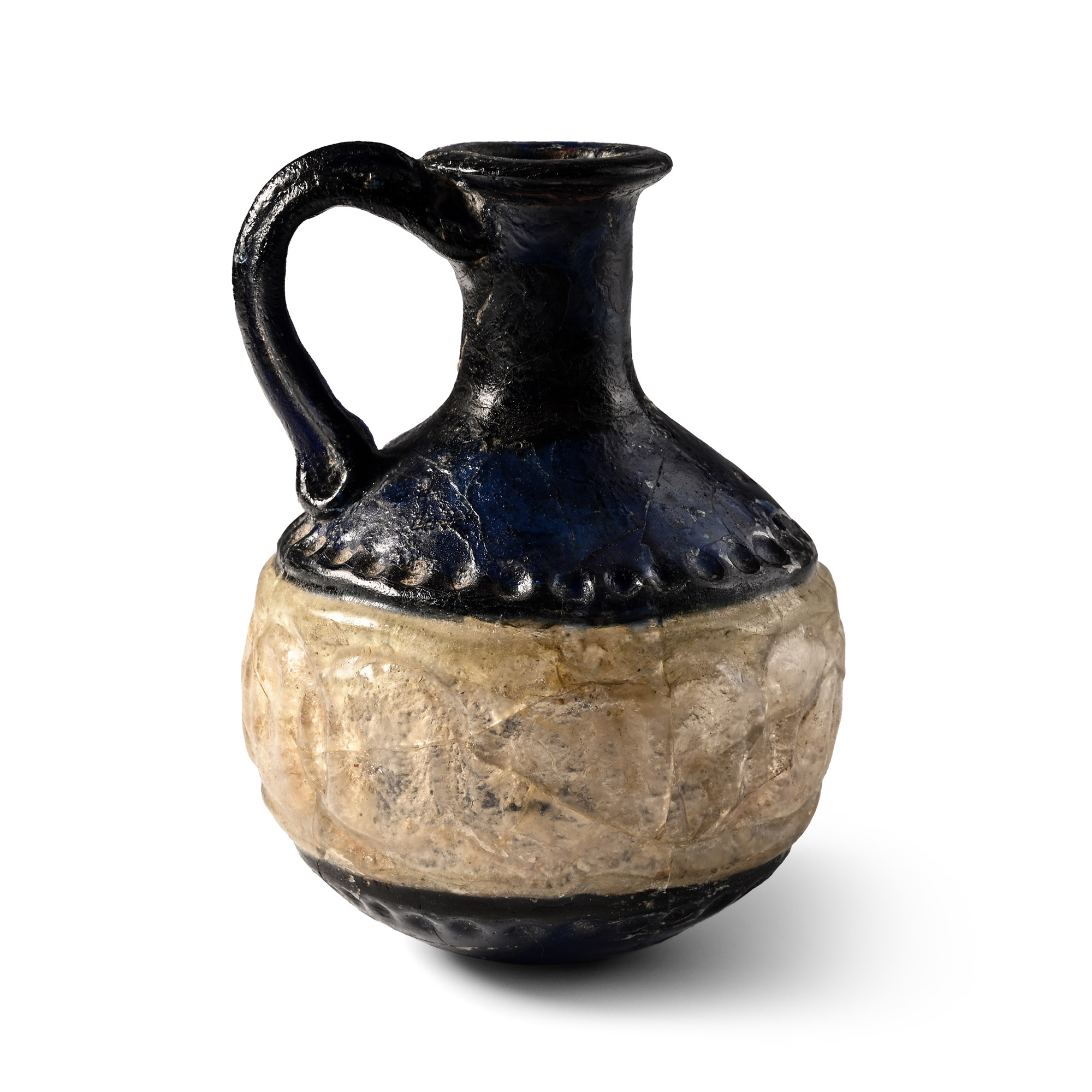
Fatimid Opaque and Clear Glass Juglet
CIRCA 10TH-12TH CENTURY A.D.
3 7/8 in. (92 grams, 98 mm).
Mould glass, comprising a clear glass equator with incuse guilloche design; domed blue glass base with impressed pellets; similar shoulder and neck with trumpet-shaped mouth and strap handle. [No Reserve]
ProvenancePrivate collection, UK.
CONDITIONTimeLine Auctions follows a vetting process to ensure the authenticity and legality of all items, reinforcing our commitment to integrity and responsible trading. Each antiquity, antique, and coin lot undergoes thorough examination by a vetting committee of at least ten external specialists, professional trade association members, scientists, and archaeologists: Our Vetting Process
AUCTIONS:
TimeLine is a leading auction house specialising in antiquities, ancient art, collectables, natural history, coins, medals, and books. Our auctions offer museums, collectors, historians, and enthusiasts the opportunity to acquire unique and historically significant pieces.
-
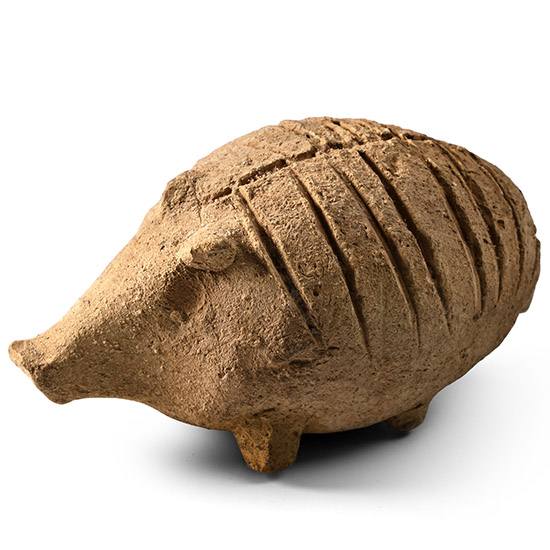
Mesopotamian Terracotta Animal
2400-1900 B.C.Sold for (Inc. bp): £468
Hollow-formed porcine figure with upturned snout, pinched ears, incised fur detailing. 42 grams, 77 mm
Ex private collection, Contessa L.G., since the 1980s. Private collection, acquired in 2000. -
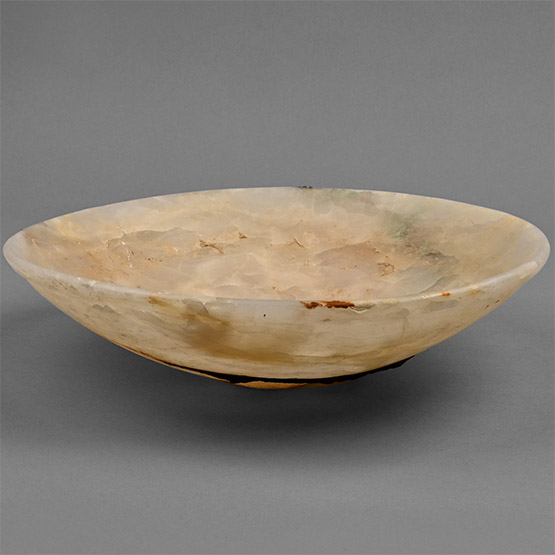
Large Bactrian Alabaster Bowl with Bronze-Encrusted Base
3500-3100 B.C.Sold for (Inc. bp): £780
Broad shallow bowl with integral basal ring, carination below the rim, encrusted bronze circle to the underside. 2.21 kg, 30 cm wide
Private collection, Kent, UK. -
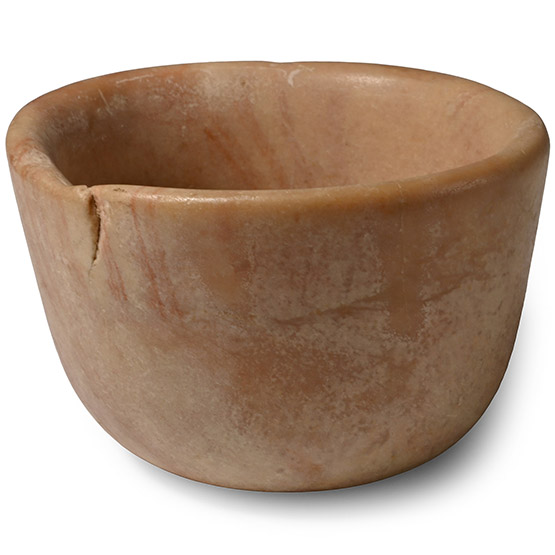
Western Asiatic Stone Cup
1st millennium B.C.Estimate: £100 - 140 (‡+bp*)
Opening Bid: £50
Carved with a broad flat base, gently flared profile, rounded rim. 174 grams, 72 mm wide
Private collection, assembled in the 1950s-1970s, thence by descent.
