
Loading, please wait...
LOT 2462
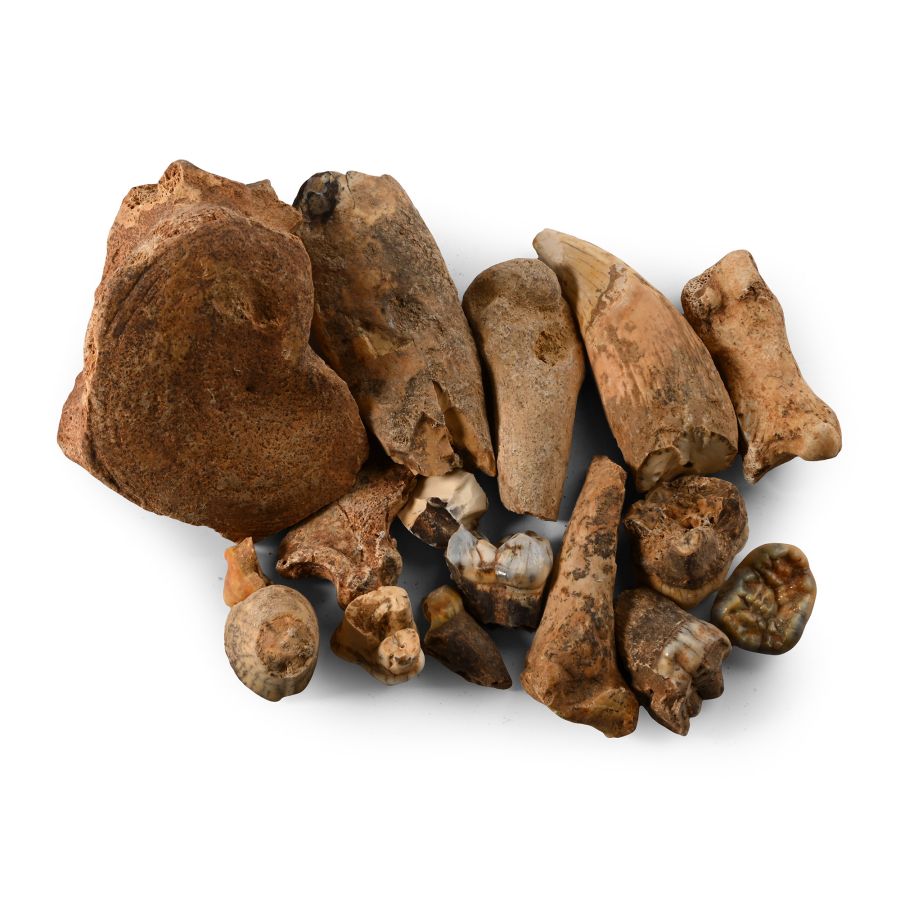
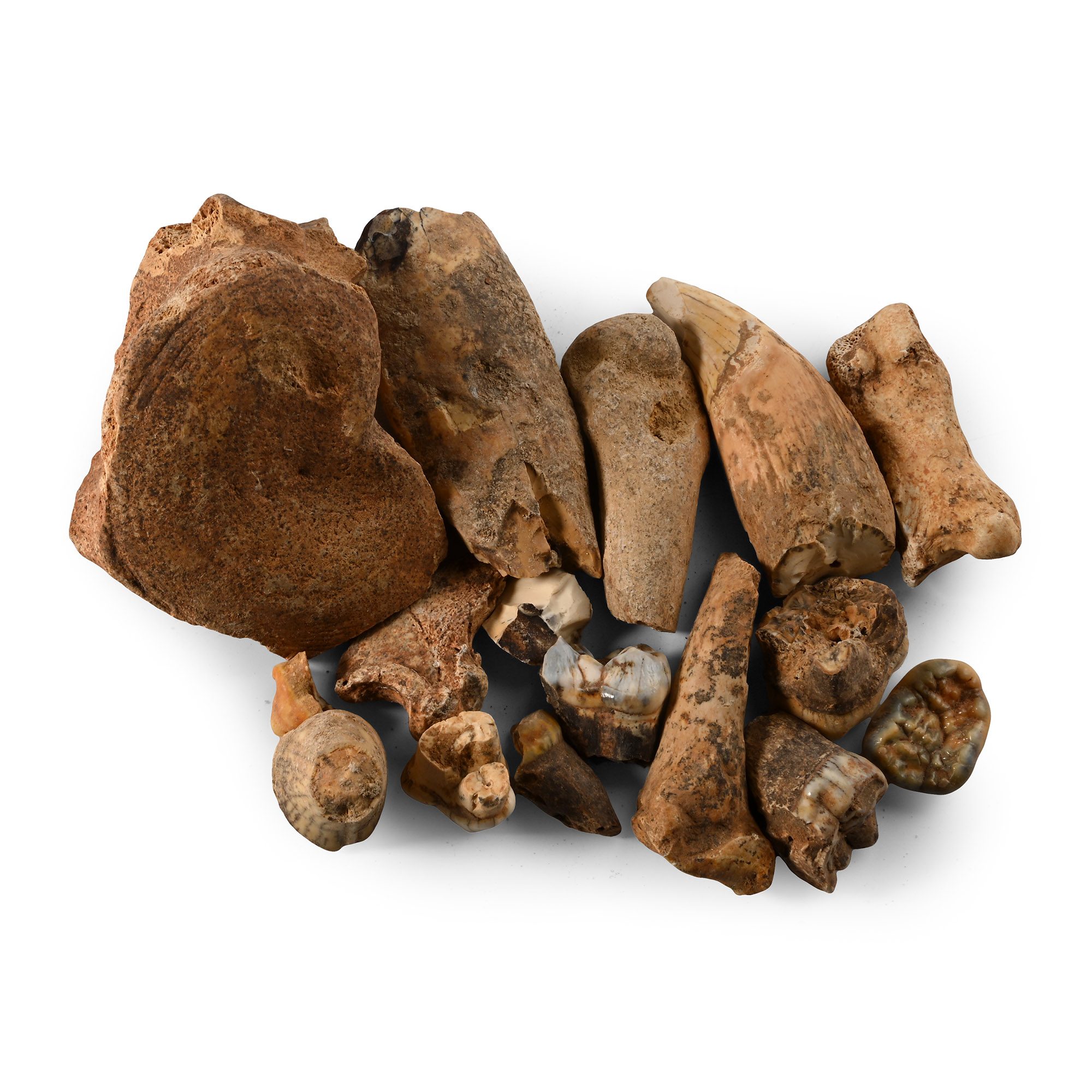
Extinct Animal Bone and Bear's Tooth Collection
POSSIBLY LOWER PALAEOLITHIC PERIOD, CIRCA 700,000-300,000 B.P.
1/2 - 2 7/8 in. (193 grams total, 14-73 mm).
Mixed group of bone and teeth fragments, including molars and canines. [16, No Reserve]
ProvenancePreviously in several old Stone Age tool collections, having been annotated with two different accession numbers.
Acquired from an Oxfordshire, UK, auction house.
From the private collection of a West Midlands lady collector.
TimeLine Auctions follows a vetting process to ensure the authenticity and legality of all items, reinforcing our commitment to integrity and responsible trading. Each antiquity, antique, and coin lot undergoes thorough examination by a vetting committee of at least ten external specialists, professional trade association members, scientists, and archaeologists: Our Vetting Process
AUCTIONS:
TimeLine is a leading auction house specialising in antiquities, ancient art, collectables, natural history, coins, medals, and books. Our auctions offer museums, collectors, historians, and enthusiasts the opportunity to acquire unique and historically significant pieces.
-
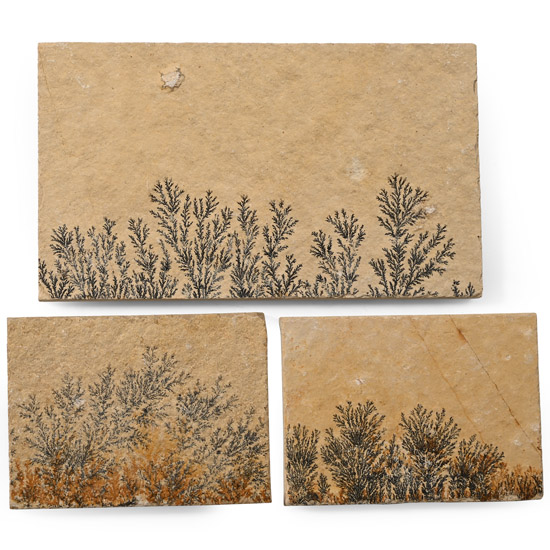
Manganese Dendrite Landscape Plaque Group
Sold for (Inc. bp): £59
Comprising three limestone plaques, each with dendritic inclusions resembling ferns and branching vegetation. 245 grams total, 6.4 x 4.7 - 11.2 x 6.5 cm
Ex Mineral Imports, London, UK. Gregory, Bottley & Lloyd (Gregory's), Harwich, UK. -
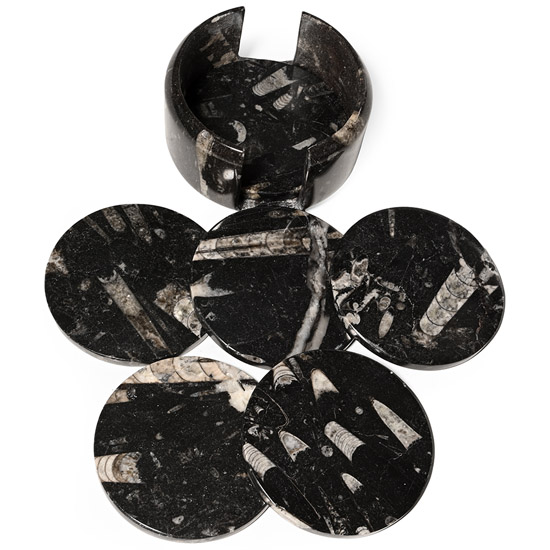
Polished Orthoceras Fossil Coaster Set
Devonian Period, circa 400 million years B.P.Sold for (Inc. bp): £91
Comprising a set of six round coasters and a holder, carved from fossiliferous stone. 700 grams total, 91 mm
Ex Cambridgeshire, UK, collection. -
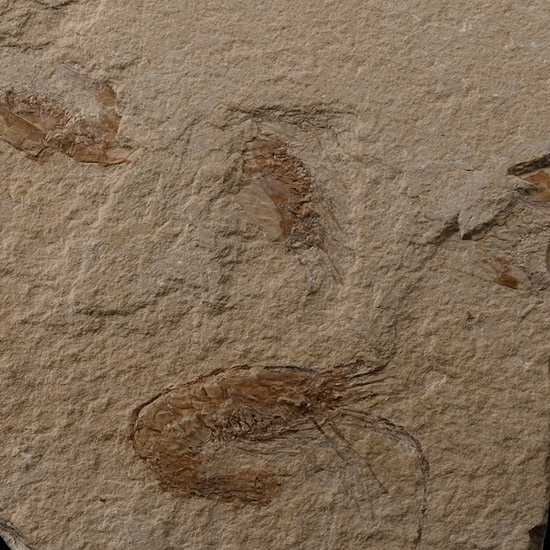
Fossil Shrimp Cluster
Late Cretaceous, circa 100.5-93.9 million years B.P.Sold for (Inc. bp): £182
Polygonal matrix with a number of shrimp fossils. 283 grams, 16.2 cm
From Lebanon. From a Cambridgeshire, UK, collection.
