
Loading, please wait...
LOT 0071
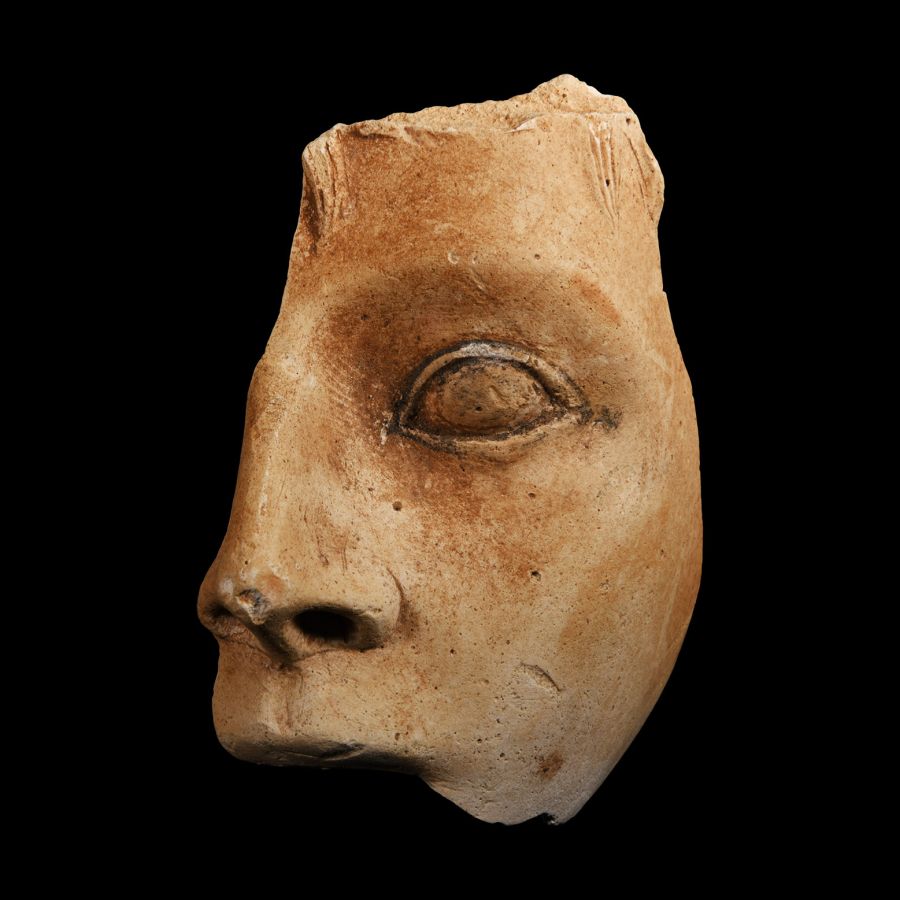
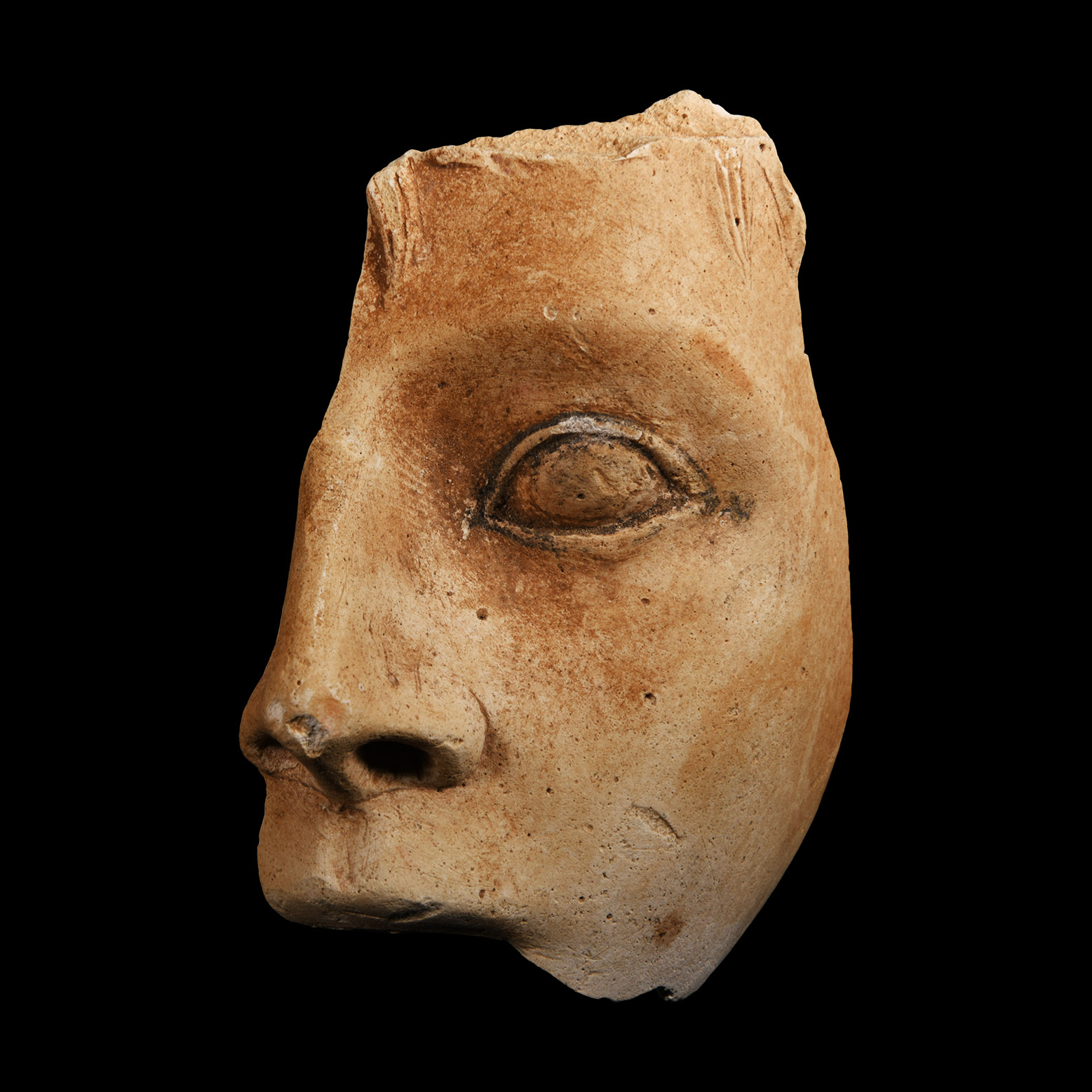
Etruscan Terracotta Fragment of a Face
6TH CENTURY B.C.
5 1/8 in. (125 grams, 13 cm high).
An amorphous fragment from a terracotta face, retaining the left eye, nose, partial upper lip and fringes of hair, rendered with semi-naturalistic detailing.
ProvenancePrivate Swiss collection, acquired 2002.
CONDITIONTimeLine Auctions follows a vetting process to ensure the authenticity and legality of all items, reinforcing our commitment to integrity and responsible trading. Each antiquity, antique, and coin lot undergoes thorough examination by a vetting committee of at least ten external specialists, professional trade association members, scientists, and archaeologists: Our Vetting Process
AUCTIONS:
TimeLine is a leading auction house specialising in antiquities, ancient art, collectables, natural history, coins, medals, and books. Our auctions offer museums, collectors, historians, and enthusiasts the opportunity to acquire unique and historically significant pieces.
-
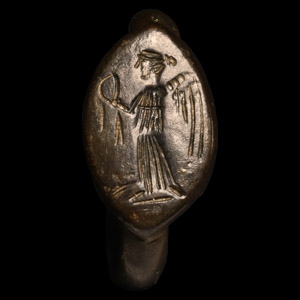
Hellenistic Ring with Nike
2nd-1st century B.C.Sold for (Inc. bp): £208
A bronze finger ring with carinated hoop and stud to the underside, scaphoid bezel with intaglio winged Nike holding a wreath. 6.83 grams, 24.80 mm overall, 20.31 mm internal diameter (approximate size British R 1/2, USA 8 3/4, Europe 19.38, Japan 18)
Acquired before 2000. From the collection of a European gentleman living in the UK. -
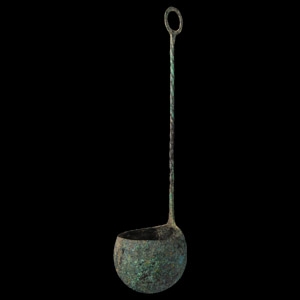
Greek Ladle with Twisted Handle
5th-3rd century A.D.Estimate: £300 - 400 (+bp*)
Opening Bid: £125
A bronze ladle with deep bowl, integral bronze handle twisted about it own axis, loop finial. 77 grams, 26.2 cm
UK private collection before 2000. UK art market. Property of a London gentleman. -
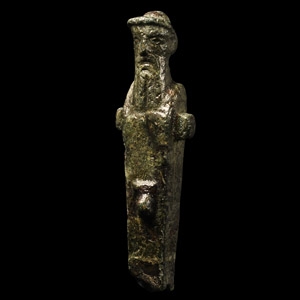
Greek Lock Plate Herm Figure
Circa 3rd century B.C.Sold for (Inc. bp): £130
A lock plate formed as a herm figure with tapering square-section body, stylised head and genitals, stub arms. 19.1 grams, 54 mm
German art market, 1990s. Mr A.H., a North American collector living in the UK.
