
Loading, please wait...
LOT 0098
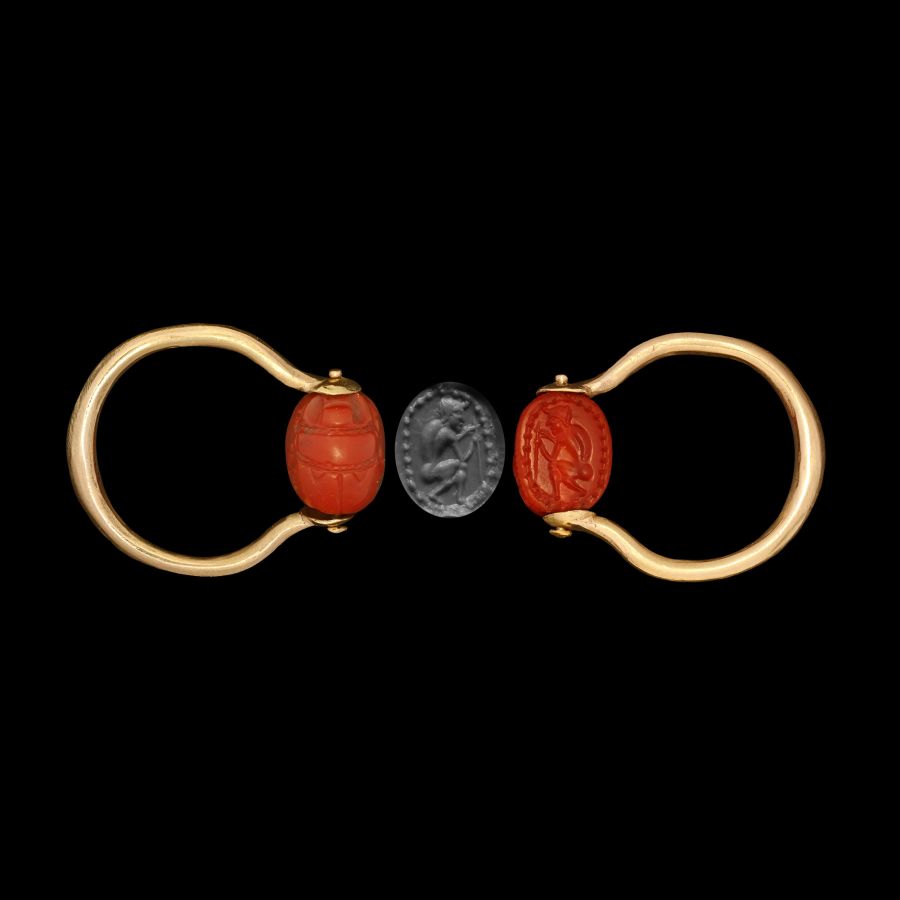
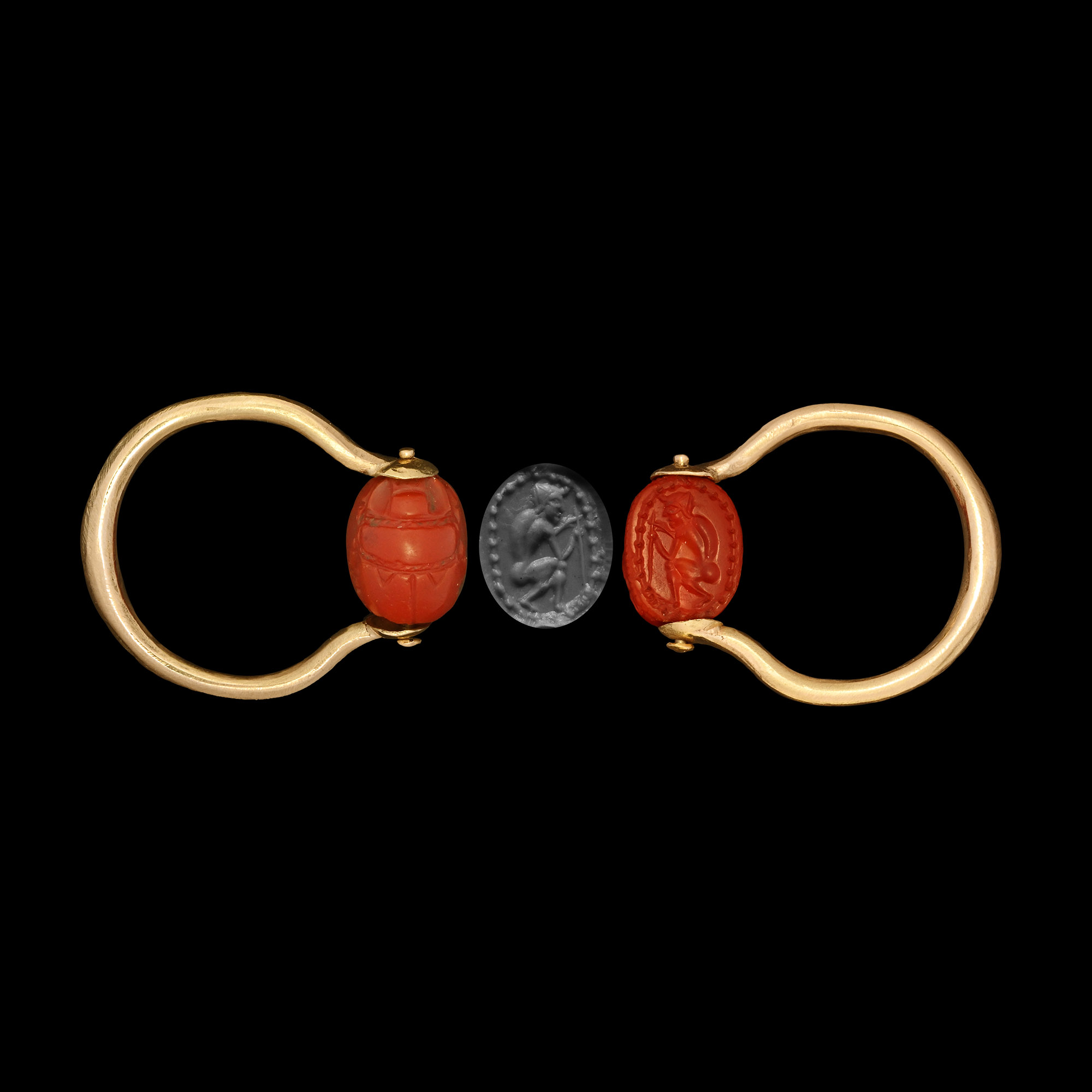
Etruscan Carnelian Scarab of a Fletcher in Gold Ring
4TH-3RD CENTURY B.C.
1 in. (4.24 grams, 27.12 mm overall, 18.38 x 18.49 mm internal diameter (approximate size British P 1/2, USA 7 3/4, Europe 16.86, Japan 16)).
With carapace detailing and intaglio of a crouching male carving an arrow; set into a later gold swivel ring.
ProvenancePrivate collection, Europe.
Acquired on the English art market.
For the motif, see Boardman, J. and Vollenweider, M-L., Catalogue of the Engraved Gems and Finger Rings, I: Greek and Etruscan, Oxford, 1978, items 67-8.
CONDITIONTimeLine Auctions follows a vetting process to ensure the authenticity and legality of all items, reinforcing our commitment to integrity and responsible trading. Each antiquity, antique, and coin lot undergoes thorough examination by a vetting committee of at least ten external specialists, professional trade association members, scientists, and archaeologists: Our Vetting Process
AUCTIONS:
TimeLine is a leading auction house specialising in antiquities, ancient art, collectables, natural history, coins, medals, and books. Our auctions offer museums, collectors, historians, and enthusiasts the opportunity to acquire unique and historically significant pieces.
LOT 0098
Etruscan Carnelian Scarab of a Fletcher in Gold Ring
Estimate £1,200 - 1,700€1,390 - 1,970 (for guidance only)$1,620 - 2,300 (for guidance only)
-
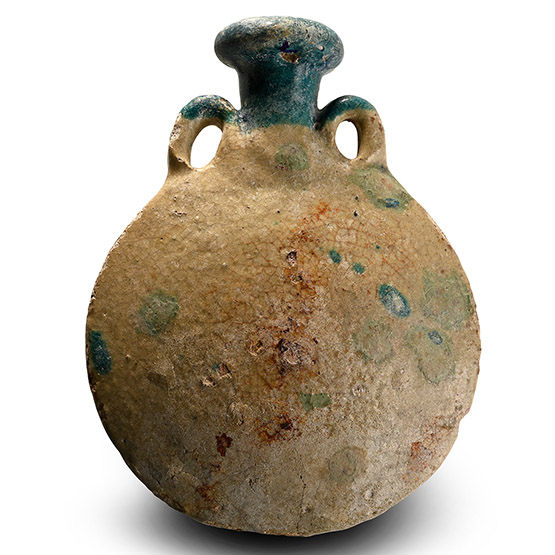
Parthian Blue Glazed Water Vessel
2nd century B.C.Estimate: £400 - 600 (+bp*)
Opening Bid: £160
Discoid body and short tubular neck with everted rim, two loop handles. 561 grams, 19.2 cm
Ex London, UK gallery, 1971-early 2000s. Private collection, London. -
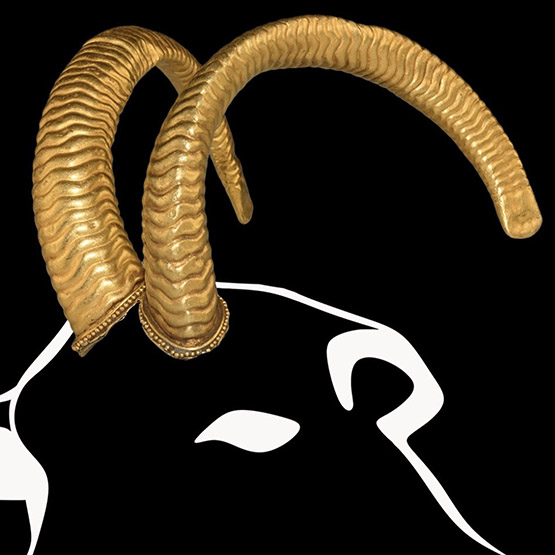
Greek Gold 'Golden Fleece' Ram-Horn Pair
5th-3rd century B.C.Sold for (Inc. bp): £6,240
A matched pair of sheet-gold model ram's horns, each curved with a narrow end flattened, ribbed body, flared rim to the mouth with applied granule detailing; probably from a representation of the χρυσόμαλλον δέρας or 'golden fleece' from the legend of Jason and his adventures with the crew of the ship Argo. 60.61 grams total, 10.5 cm each
From a private collection of seals and amulets, the property of a Canadian gentleman living in London; from his father's collection formed in the late 1960s to 1980s. This lot has been checked against the Interpol Database of stolen works of art and is accompanied by search certificate number no.13105-249639.
The legend of the Golden Fleece is referenced by several ancient writers, including Pindar, whose reformulation forms the basis of most modern retellings, but an earlier version was evidently familiar to Homer in the 8th century B.C. It appears as a pictorial theme on early Greek vases. The story refers to a celestial winged ram with golden wool, which was believed to live and be worshipped by the inhabitants of lands north of the Black Sea; this ram, in some versions of the tale, is transformed into the constellation Aries. -
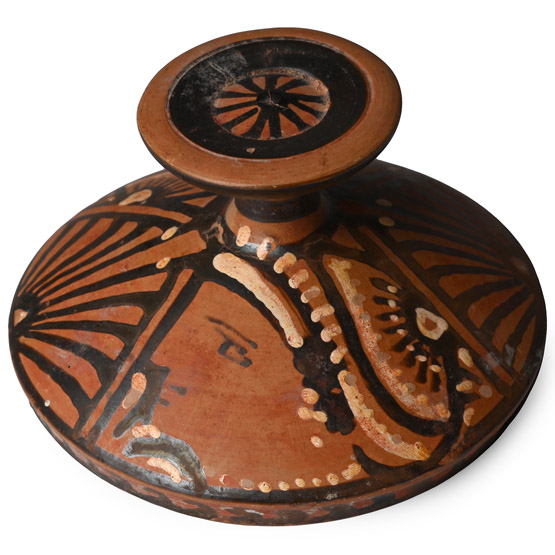
Greek Apulian Lekanis Lid with Lady of Fashion
Circa 4th century B.C.Sold for (Inc. bp): £234
Composed of a domed body with inverted rim and knob handle; body decorated with two heads of ladies of fashion, palmettes between, waveband around the rim. 109 grams, 98 mm
Ex J. Cummings, UK, 1990s.
A lekanis was a covered dish.
