
Loading, please wait...
LOT 2627
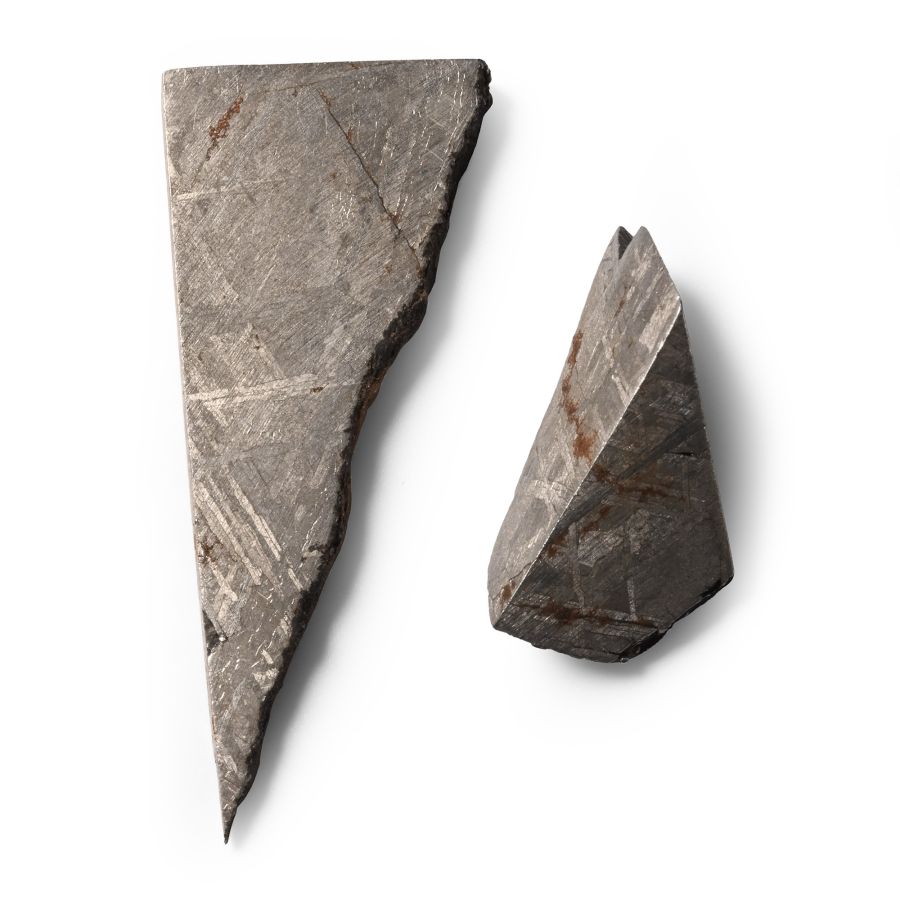
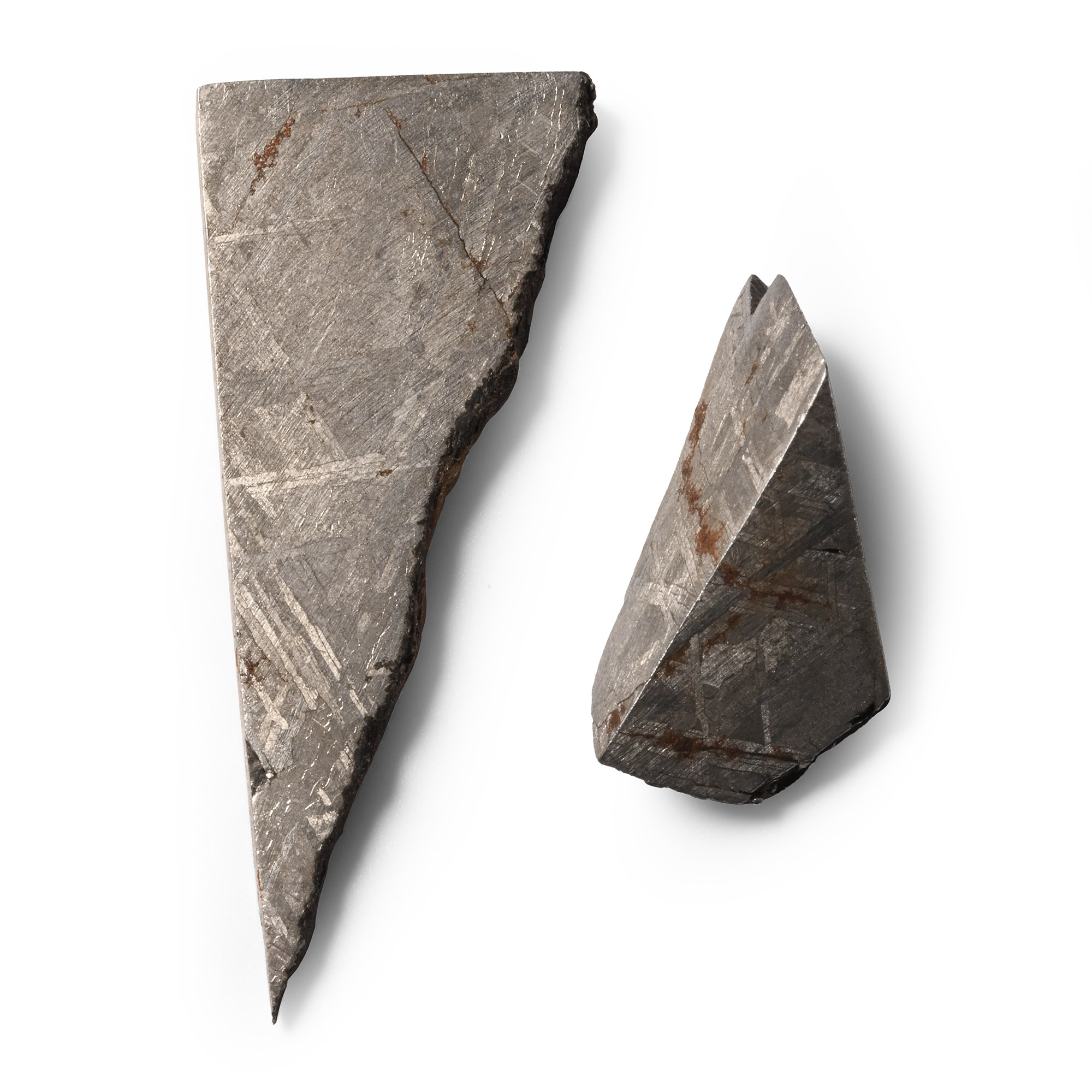
Etched Gibeon Meteorite Group
3/4 - 1 1/4 in. (8.27 grams total, 18-32 mm).
Two sawn sections showing good Widmanstatten lines and characteristic ablated surface. [2, No Reserve]
ProvenanceFrom Namibia, Africa.
Acquired from Rod White, UK, 2001.
From the private collection of Kenneth Machin (1936-2020), Buckinghamshire, UK; his collection of antiquities and natural history was formed since 1948; thence by descent.
Gibeon is a meteorite that fell in prehistoric times in Namibia and was named after the nearest town. The meteorite was discovered by the Nama people and used by them to make tools and weapons; in 1836 the English captain J. E. Alexander collected samples in the vicinity of the Great Fish River and sent them to London. John Herschel analysed them and confirmed for the first time the extra-terrestrial nature of the material.
CONDITIONTimeLine Auctions follows a vetting process to ensure the authenticity and legality of all items, reinforcing our commitment to integrity and responsible trading. Each antiquity, antique, and coin lot undergoes thorough examination by a vetting committee of at least ten external specialists, professional trade association members, scientists, and archaeologists: Our Vetting Process
AUCTIONS:
TimeLine is a leading auction house specialising in antiquities, ancient art, collectables, natural history, coins, medals, and books. Our auctions offer museums, collectors, historians, and enthusiasts the opportunity to acquire unique and historically significant pieces.
-
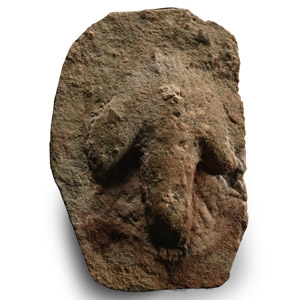
Fossil Dinosaur Foot Print
Triassic Period, circa 220 million years B.P.Sold for (Inc. bp): £338
From a small theropod, showing clearly the three toes and footpad; pencilled note to the reverse. 658 grams, 12.5 cm
From South Wales, UK. From the private collection of Kenneth Machin (1936-2020), Buckinghamshire, UK; his collection of antiquities and natural history was formed since 1948; thence by descent. -
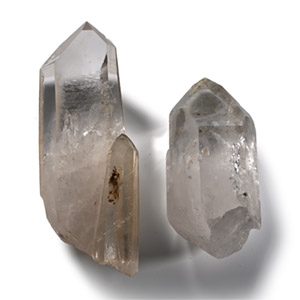
Massive Rock Crystal Quartz Point Pair
Sold for (Inc. bp): £33
Comprising two large prismatic points, one with a smaller point to the side. 987 grams total, 11.6-16.4 cm
From Brazil. Ex Mineral Imports, London, UK. Gregory, Bottley & Lloyd (Gregory's), Harwich, UK. -
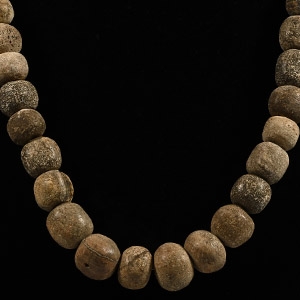
Woolly Mammoth Bone Bead Necklace String
Pleistocene Period, 2.6 million-11,700 years B.P.Sold for (Inc. bp): £65
Restrung using recently polished Mammuthus primigenius bone beads. 220 grams, 62 cm
Ex West country, UK, collection, 2000s.
The mammoth lineage branched from the Asian elephant around 6 million years ago, and later on the Woolly Mammoth, Mammuthus primigenius, evolved in eastern Siberia. Woolly mammoths, being slightly smaller than living African elephants, were foragers and ate grass, as well as small, nutritious flowering plants that flourished in the environment where they lived. They may also have used their curved tusks to dig through snow and eat plants that other foragers couldn't get to.
