
Loading, please wait...
LOT 0234
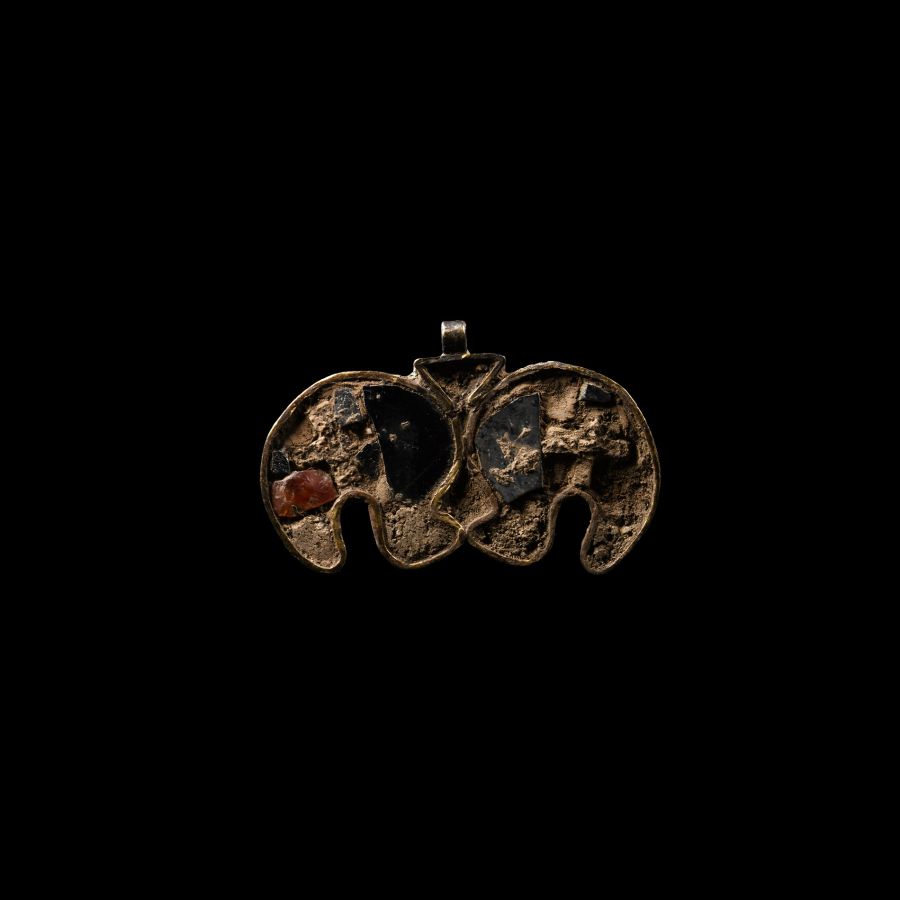
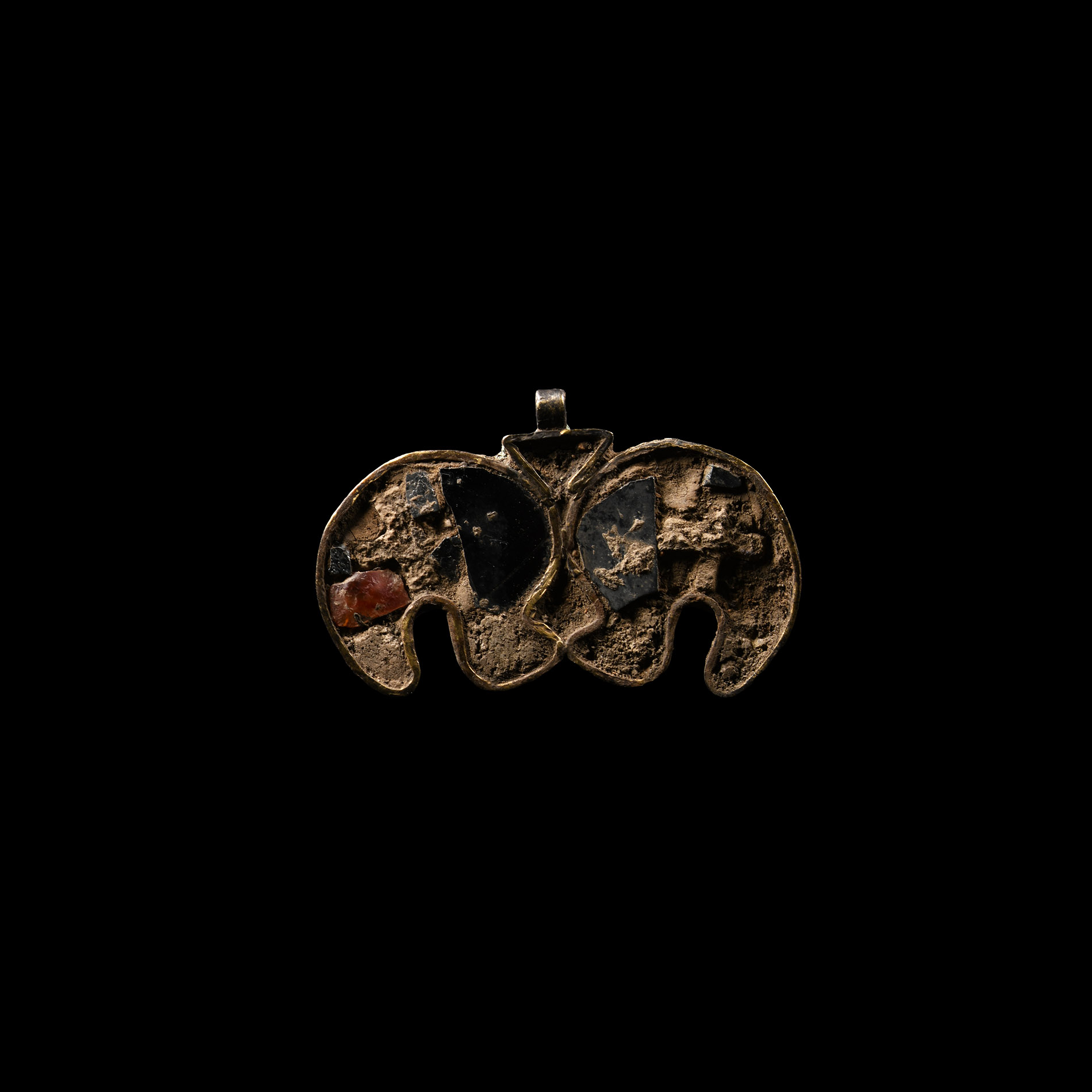
Elamite Silver Bird Pendant with Inlays
3RD MILLENNIUM B.C.
2 in. (10.9 grams, 49 mm).
Formed as two addorsed stylised birds with suspension lug between, remains of a cross to each body together with inlays, including highly reflective fragments, possibly haematite.
Provenancewith a London, UK gallery, 1971-early 2000s.
CONDITIONTimeLine Auctions follows a vetting process to ensure the authenticity and legality of all items, reinforcing our commitment to integrity and responsible trading. Each antiquity, antique, and coin lot undergoes thorough examination by a vetting committee of at least ten external specialists, professional trade association members, scientists, and archaeologists: Our Vetting Process
AUCTIONS:
TimeLine is a leading auction house specialising in antiquities, ancient art, collectables, natural history, coins, medals, and books. Our auctions offer museums, collectors, historians, and enthusiasts the opportunity to acquire unique and historically significant pieces.
LOT 0234
Elamite Silver Bird Pendant with Inlays
Estimate £700 - 900€810 - 1,040 (for guidance only)$950 - 1,220 (for guidance only)
-
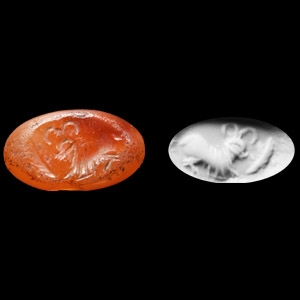
Sassanian Stone Stamp Seal with Ram
3rd-7th century A.D.Sold for (Inc. bp): £104
The polished plano-convex body drilled for suspension, the ram depicted couchant facing left to base. 3.19 grams, 17 mm
Collected since the 1970s. Ex Everitt collection, acquired by descent 2017. -
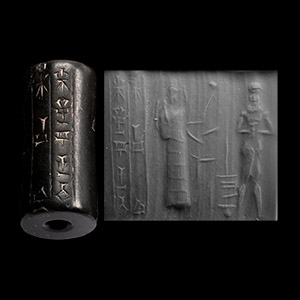
Old Babylonian Haematite Cylinder Seal for (the god) Ea and (the goddess) Dangalnuna
Circa 1894-1595 B.C.Sold for (Inc. bp): £650
With large central hole, incised frieze of a standing nude hero facing and a figure in tiered floor-length garment, two columns of cuneiform text to the rear. 9.18 grams, 28 mm
Acquired 1970s-1996. Property of a North American collector; collection no.033. London collection, 2016. -
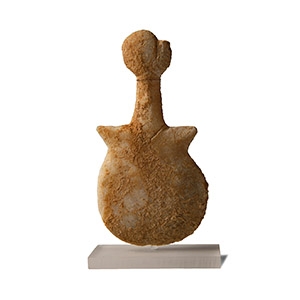
Anatolian Marble Violin Type Idol
2500-2300 B.C.Estimate: £3,000 - 4,000 (‡+bp*)
Opening Bid: £1,500
The schematic figure with a shallow lentoid-shaped cross-section; mounted on a custom-made display base. 36 grams total, 94 mm high including stand
Acquired in Europe before 1995. This lot has been checked against the Interpol Database of stolen works of art and is accompanied by search certificate number no.11866-206514.
