
Loading, please wait...
LOT 1479
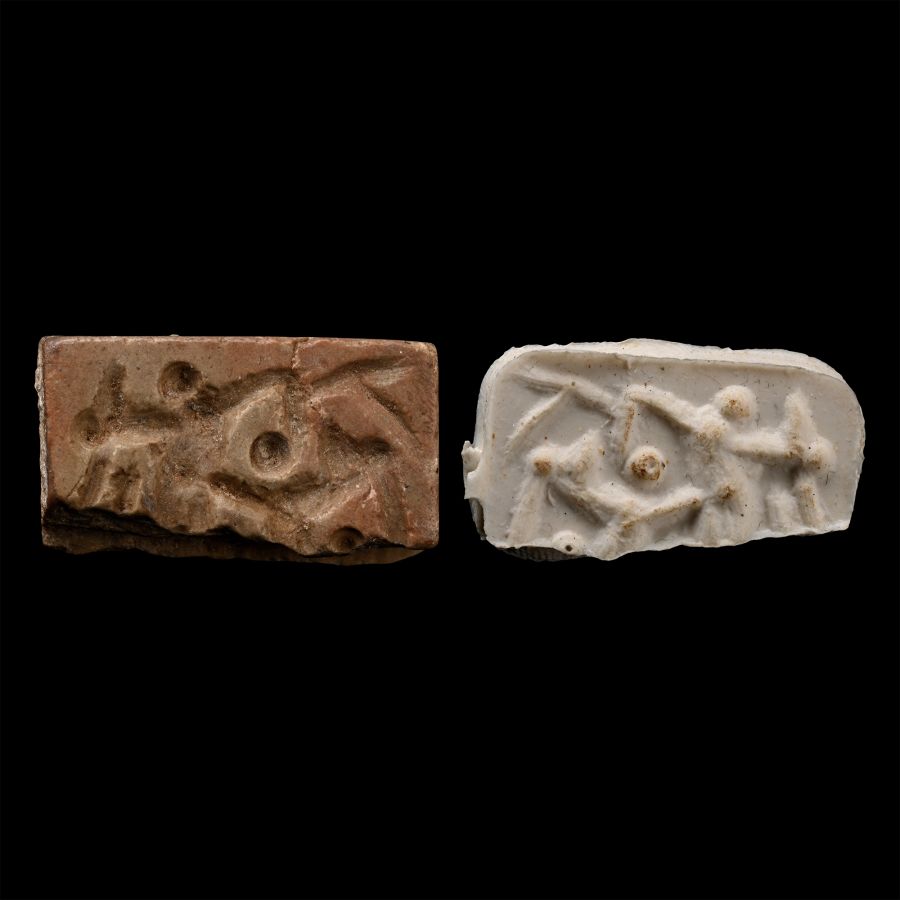
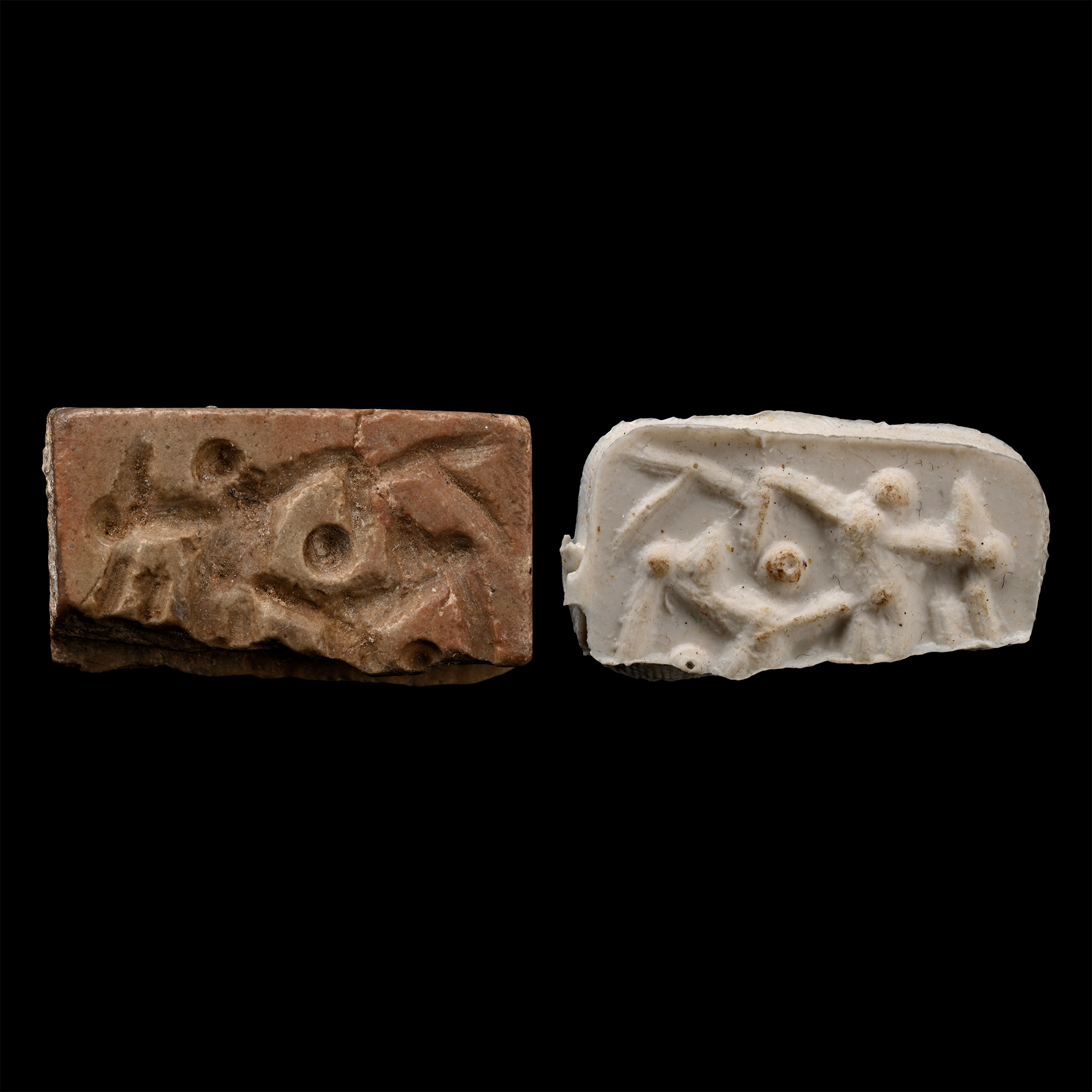
Elamite Brown Stone Stamp Seal Fragment
2ND MILLENNIUM B.C.
1 1/4 in. (10.45 grams, 30 mm).
Rectangular type with incuse animal frieze to the underside; supplied with a museum-quality impression. [No Reserve]
ProvenanceFrom the private collection of a European gentleman (1942-2024), formed since the 1970s.
CONDITIONTimeLine Auctions follows a vetting process to ensure the authenticity and legality of all items, reinforcing our commitment to integrity and responsible trading. Each antiquity, antique, and coin lot undergoes thorough examination by a vetting committee of at least ten external specialists, professional trade association members, scientists, and archaeologists: Our Vetting Process
AUCTIONS:
TimeLine is a leading auction house specialising in antiquities, ancient art, collectables, natural history, coins, medals, and books. Our auctions offer museums, collectors, historians, and enthusiasts the opportunity to acquire unique and historically significant pieces.
-
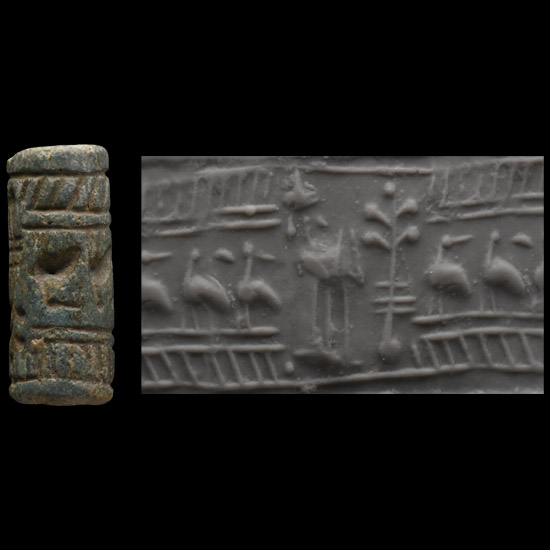
Mitanni Faience Cylinder Seal with Birds and Palm Tree
Circa 1400 B.C.Sold for (Inc. bp): £182
Cylinder with hatched borders, three standing birds facing back towards a standing figure, tree behind; supplied with a museum-quality impression. 1.8 grams, 23 mm
From a late Warwickshire numismatic collector, his collection formed from the early 1980s. -
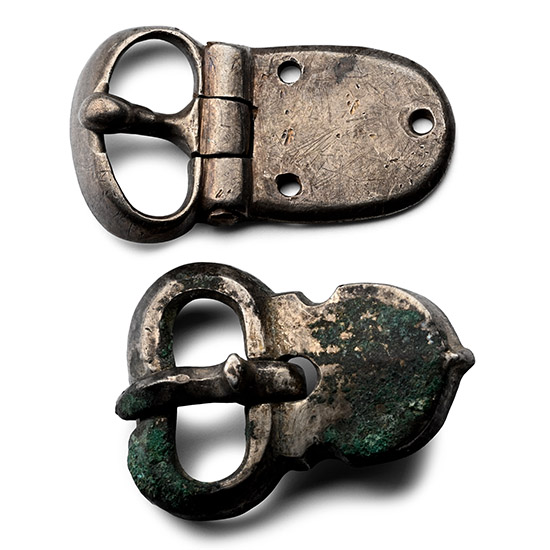
Western Asiatic Silver Buckle Group
6th-8th century A.D.Estimate: £100 - 140 (+bp*)
Opening Bid: £50
Each a kidney-shaped loop and a D-shaped buckle plate, one pierced to accept rivets and the other with pierced lugs to the underside. 21.48 grams total, 32-34 mm
Acquired before 1983. Ex London gallery, 1990s. Private collection, London, UK. -
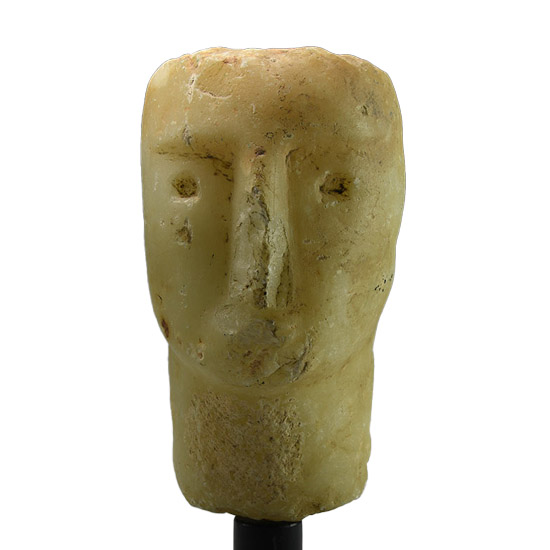
Nabataean Marble Head of a Man
3rd-1st century B.C.Sold for (Inc. bp): £572
A carved D-section male head with a triangular nose and a shallow eye-socket, mounted on a custom-made stand. 7.3 kg total, 28 cm including stand
Fine condition, chipped.
Ex property of a North London gentleman; formerly in a West German collection, Cologne.
