
Loading, please wait...
LOT 0020
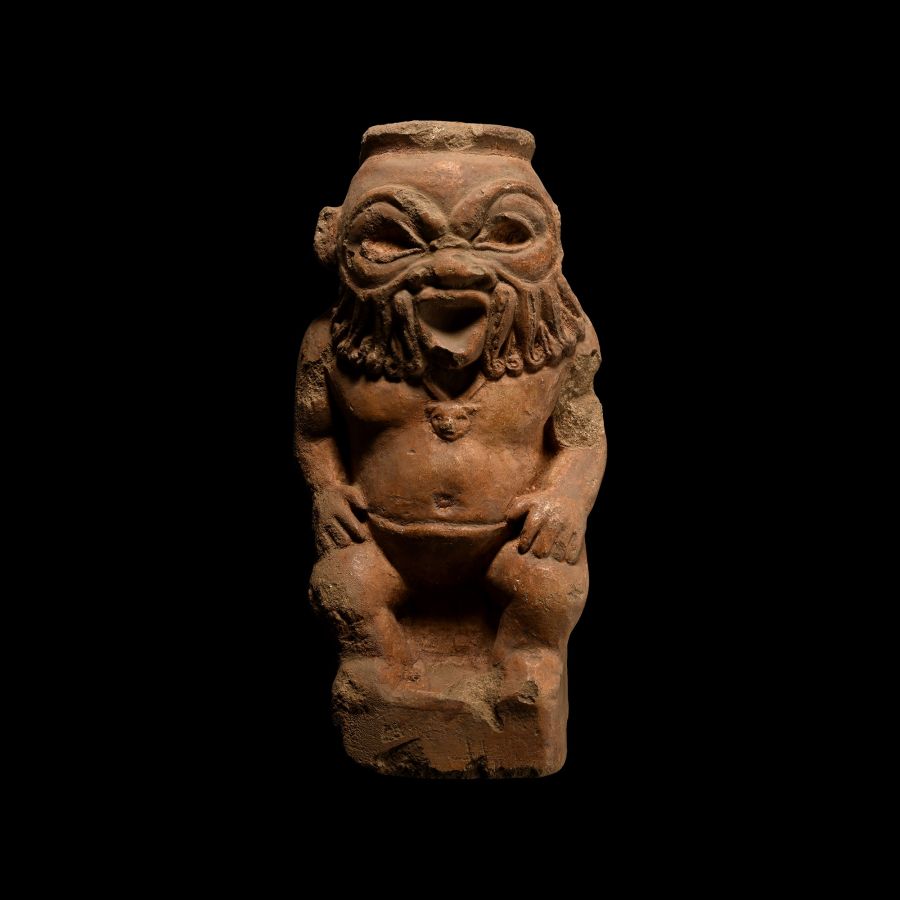
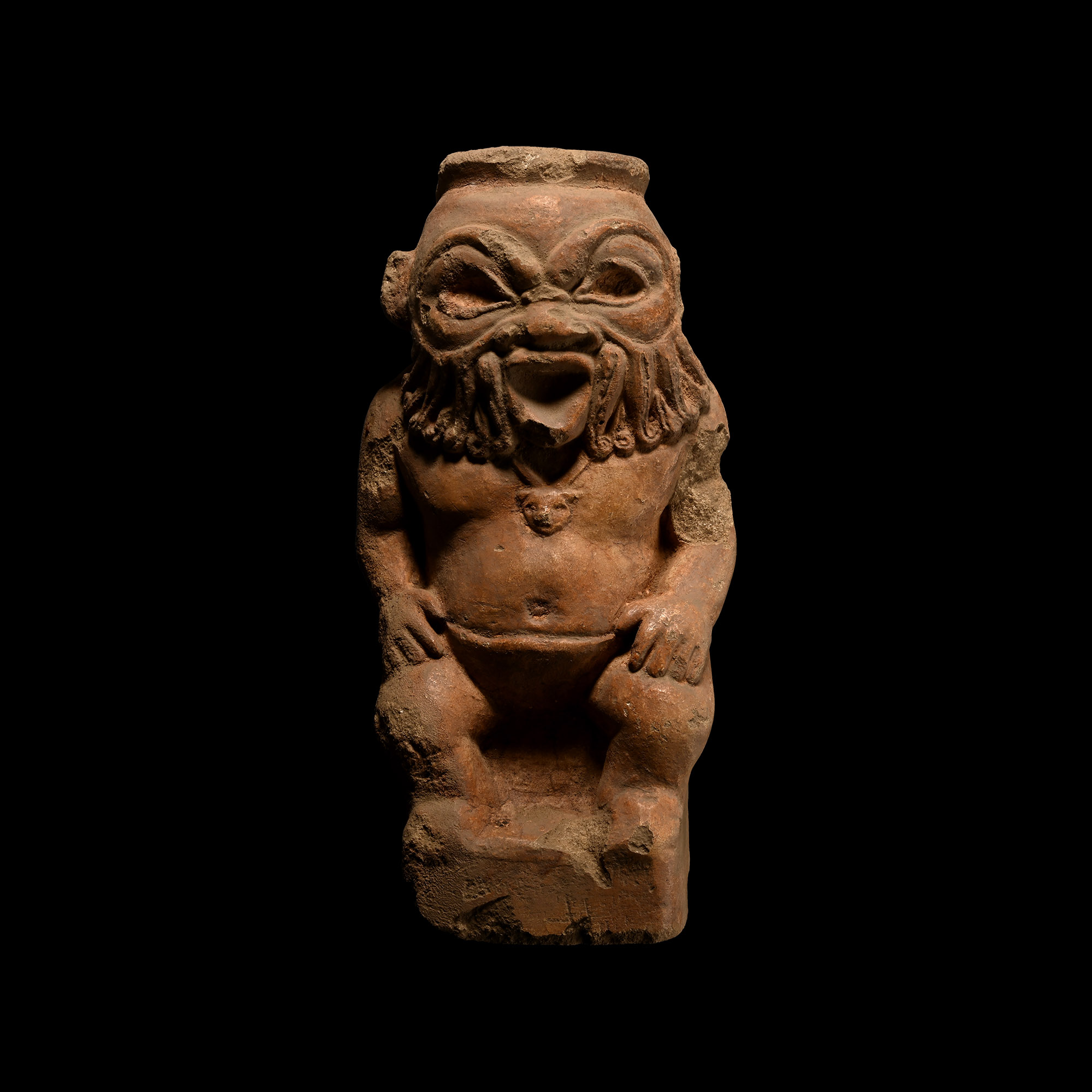
Egypto-Roman Seated Limestone Statuette of Bes
PTOLEMAIC-ROMAN PERIOD, CIRCA 332 B.C.-300 A.D.
7 1/4 in. (942 grams, 18.5 cm).
Modelled in the round in a crouching pose on a rectangular base; the beard modelled in hanks with curled ends, the eyes recessed to accept inserts, mouth gaping; animal head amulet on the chest suspended on a cord; socket to reverse; chipped.
ProvenanceBonhams, London, 4 July 1995, no.36.
Private collection, New York, USA.
This lot has been checked against the Interpol Database of stolen works of art and is accompanied by search certificate number no.13294-255443.
Cf. Walker, S., Higgs, P. (eds.), Cleopatra of Egypt from History to Myth, p. 99, no. 119, for a similarly modelled terracotta figure in the British Museum (EA 22378); Roeder, G., Die Denkmäler des Pelizaeus-Museums zu Hildesheim, Hildesheim 1921, p. 78, for a similar figure.
FootnotesFrom the New Kingdom onwards, Bes became one of ancient Egypt's most popular apotropaic deities. Despite his somewhat fearsome appearance, Bes served as the patron and protector of pregnant women and children and was also believed to shield them from snakes.
CONDITIONTimeLine Auctions follows a vetting process to ensure the authenticity and legality of all items, reinforcing our commitment to integrity and responsible trading. Each antiquity, antique, and coin lot undergoes thorough examination by a vetting committee of at least ten external specialists, professional trade association members, scientists, and archaeologists: Our Vetting Process
AUCTIONS:
TimeLine is a leading auction house specialising in antiquities, ancient art, collectables, natural history, coins, medals, and books. Our auctions offer museums, collectors, historians, and enthusiasts the opportunity to acquire unique and historically significant pieces.
LOT 0020
Egypto-Roman Seated Limestone Statuette of Bes
Estimate £2,000 - 3,000€2,320 - 3,480 (for guidance only)$2,700 - 4,050 (for guidance only)
-
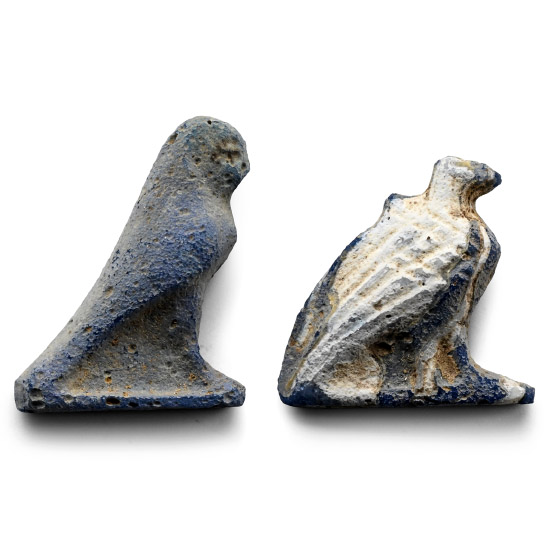
Egyptian Glass Pair of Bird Inlays
Late Period, 664-332 B.C.Sold for (Inc. bp): £234
Comprising: a standing hawk in cobalt blue glass, a standing vulture in white and blue glass with feather detailing on the wings. 4.76 grams total, 20-22 mm
From a 20th century UK collection. -
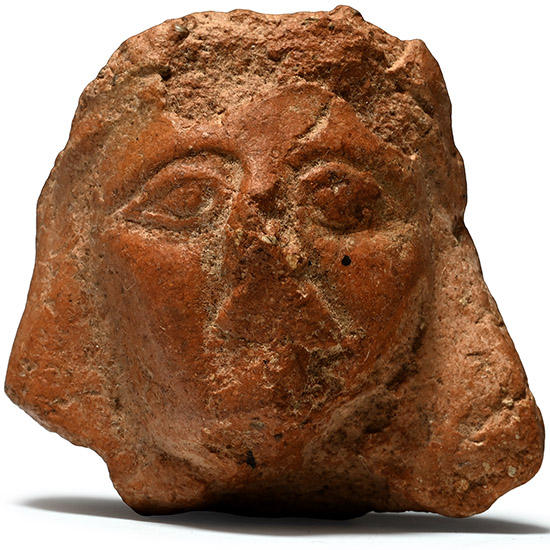
Phoenician Terracotta Head
6th-5th century B.C.Sold for (Inc. bp): £111
Tongue-shaped fragment depicting a figure with almond-shaped eyes and wearing a headdress. 65 grams, 58 mm
From the private collection of a European gentleman (1942-2024), formed since the 1970s. -
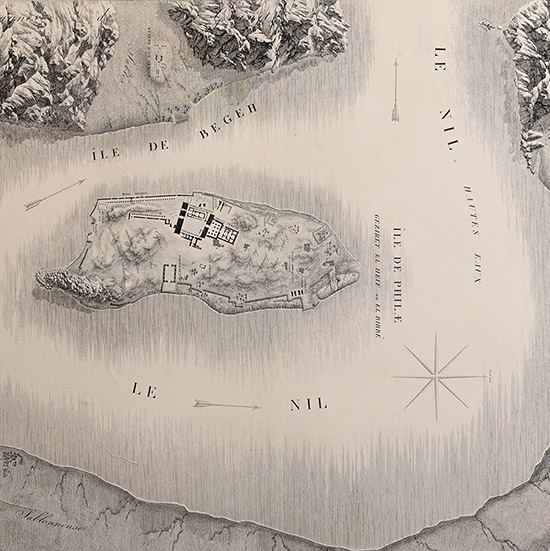
Very Large Egyptian Expedition Lithograph of the Isle of Philae
Early 19th century A.D.Sold for (Inc. bp): £98
Proof etching on laid paper of plate 1 from Île de Philae entitled Plan Général de l'île et de ses environs. 255 grams, 104 x 69 cm
From the collection of a North American priest. Acquired between 1981-1996. Property of a North American collector.
Produced between February 1802 and 1830 on the orders of Napoleon Bonaparte; published between 1809 and 1828. Just 1,000 copies were distributed to various institutions, printed on laid paper with an 'Égypte ancienne et moderne' watermark. The book is subtitled Recueil des observations et des recherches qui ont été faites en Égypte pendant l’expédition de l’Armée française, publié par les ordres de Sa Majesté l’Empereur Napoléon le Grand (Gathering of observations and discoveries which were made in Egypt during the expedition of the French army, published on the orders of His Majesty the Emperor Napoleon the Great). It was the world's first encyclopedia devoted exclusively to the remains of ancient Egypt. The plates of this book are the first to present the archaeological sites of Thebes (Luxor). The Philae temple complex was one of the monuments moved during the construction of the Aswan High Dam. It was carefully dismantled piece by piece and reassembled on the island of Agilkia.
