
Loading, please wait...
LOT 0724
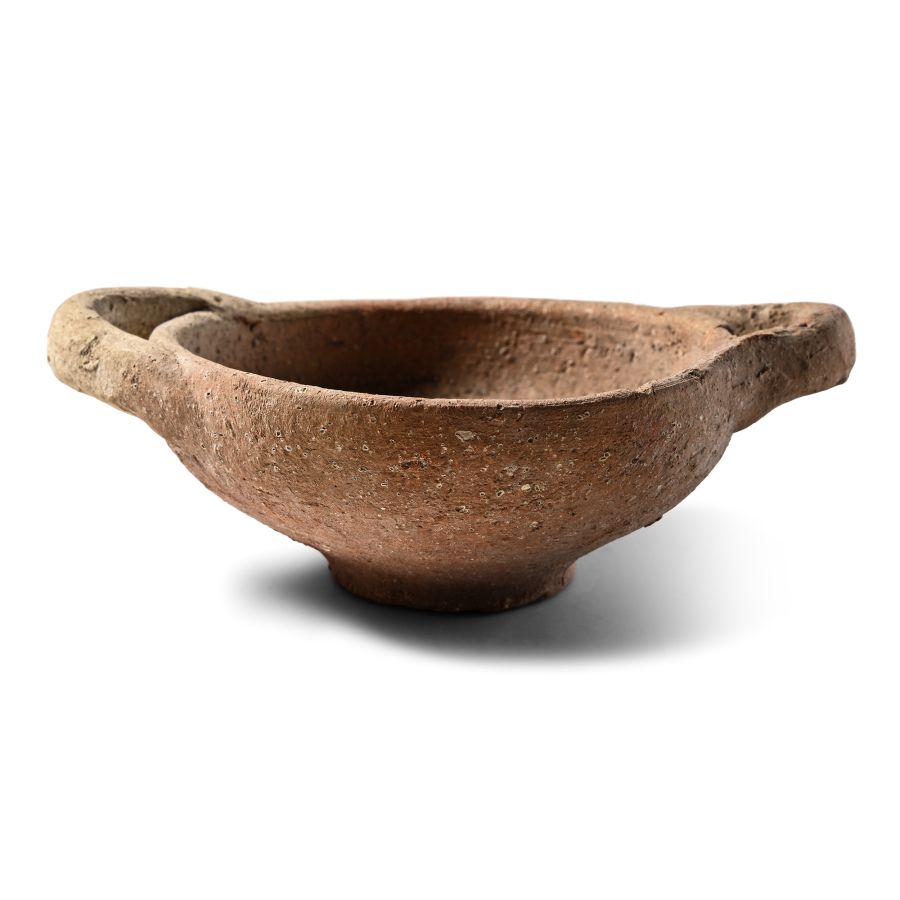
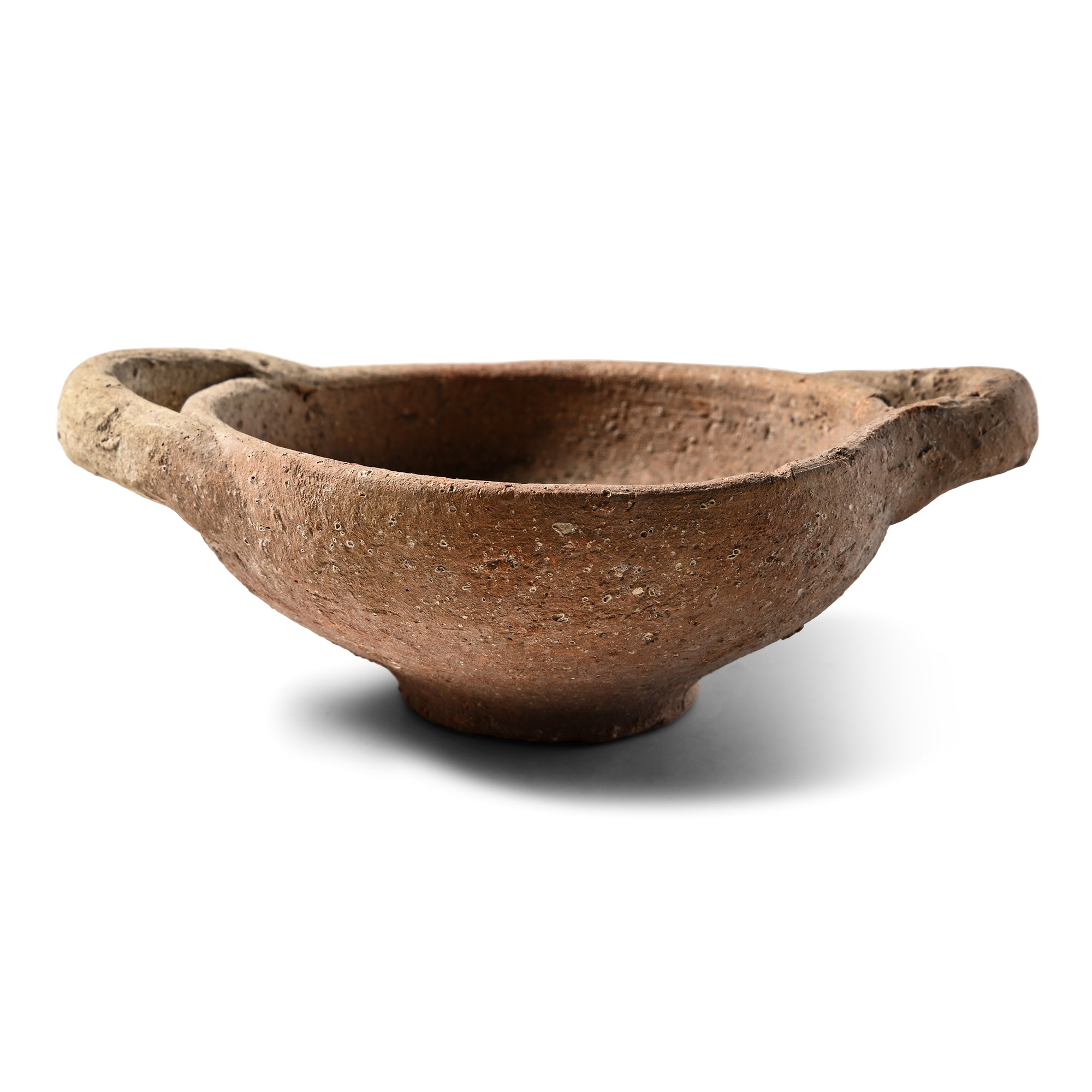
Egyptian Two-Handled Pottery Bowl
LATE PERIOD, 26TH DYNASTY, CIRCA 664-525 B.C.
4 3/4 in. (99 grams, 12.2 cm wide).
Squat in profile with inturned rim, loop handles, old collector's ticket 'Nile Silt. Pottery bowl 26th Dynasty (664-525 BC)'. [No Reserve]
ProvenanceAcquired from various London-based, UK, antiquity dealers.
From a Derbyshire gentleman's private museum formed from the late 1970s-early 1980s.
TimeLine Auctions follows a vetting process to ensure the authenticity and legality of all items, reinforcing our commitment to integrity and responsible trading. Each antiquity, antique, and coin lot undergoes thorough examination by a vetting committee of at least ten external specialists, professional trade association members, scientists, and archaeologists: Our Vetting Process
AUCTIONS:
TimeLine is a leading auction house specialising in antiquities, ancient art, collectables, natural history, coins, medals, and books. Our auctions offer museums, collectors, historians, and enthusiasts the opportunity to acquire unique and historically significant pieces.
LOT 0724
Egyptian Two-Handled Pottery Bowl
Estimate £60 - 80€70 - 93 (for guidance only)$81 - 108 (for guidance only)
-
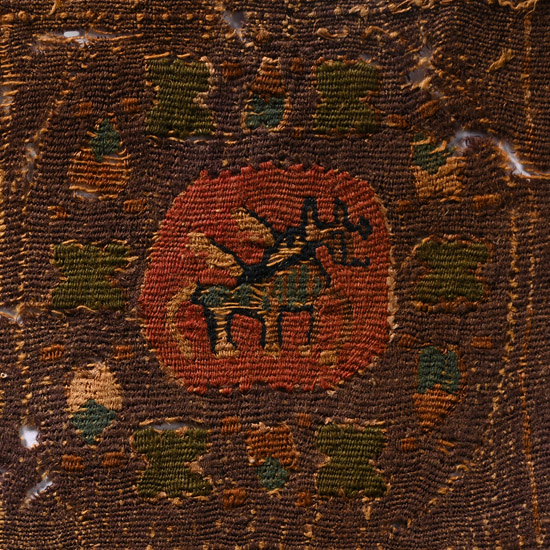
Egyptian Coptic Textile Fragment of a Tunic Tablion with Pegasus
Circa 7th century A.D.Estimate: £40 - 60 (+bp*)
Bids: 1 | Current Bid: £5
In natural wool in shades of light brown, yellow, green, blue, and red with S-twist yarn, depicting the figure of Pegasus within a central medallion, surrounded by geometric and vegetal motifs; borders ornamented with meanders. 1.3 grams, 10.5 cm
Acquired 1970s-1996. Property of a North American collector. London collection, 2016.
The tabula, or tablion, was a square embroidery used to decorate tunics or mantles. The central figure is a rare representation of the winged horse Pegasus, a motif derived from Greek mythology, showing that classical iconography was still alive among the Christian Graeco-Roman people. -
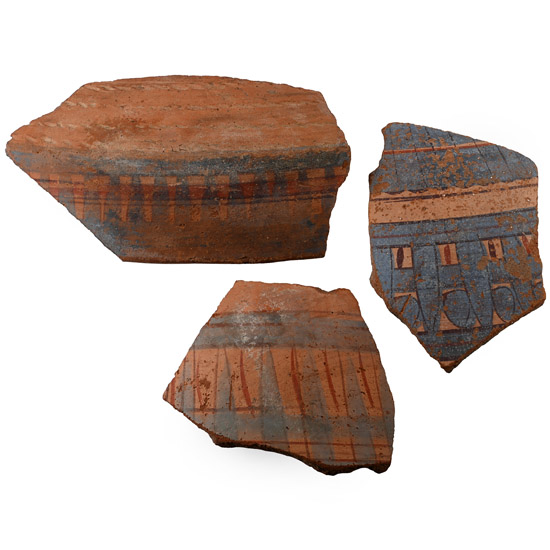
Large Egyptian Painted Bowl Fragments
New Kingdom, 18th Dynasty, Amarna Period, 1379-1362 B.C.Estimate: £80 - 100 (+bp*)
Bids: 1 | Current Bid: £5
Three fragments from three highly decorated blue-painted vessels. 545 grams total, 11.5-18 cm
Acquired in February 1978. From the private collection of Peter Clayton, FCILIP, Dip, Arch, FSA, FRNS, Hemel Hempstead, Hertfordshire, UK; formed since the late 1950s. Accompanied by an old handwritten information card by Peter Clayton, collection no.140.
The distinctive blue colour on these pottery fragments came from a cobalt-and-aluminium slip that reacted during firing. -
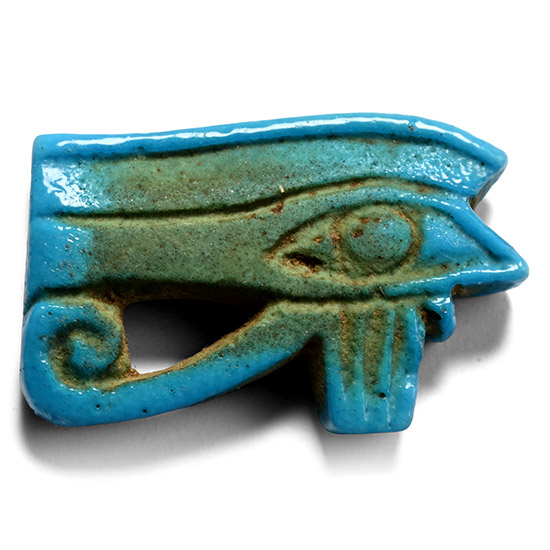
Egyptian Bright Blue Faience Eye of Horus Amulet
New Kingdom, 1504-1450 B.C.Estimate: £100 - 140 (+bp*)
Bids: 1 | Current Bid: £5
Turquoise-glazed wedjat-eye, carved on one face; pierced longitudinally. 0.77 grams, 18 mm
Excavated from Egypt in 1914. From the private collection of Mr David Sams and his wife Elizabeth Kate Sams, gentry and amateur archaeologists who travelled to Egypt in 1914 with their daughter Ethel. Mr Sams and his wife led digging expeditions from which these items come, from the family estate of Mr and Mrs Sams, by direct descent to their granddaughter.
The wedjat-eye amulet depicts Horus’s healed eye, blending human and falcon features. Its ancient Egyptian name means ‘the one that is sound’. Myth says Seth wounded or took the eye, and Thoth later restored it. Believed to offer protection, healing, and regeneration, the popular amulet was worn by the living and the dead.
