
Loading, please wait...


LOT 0482
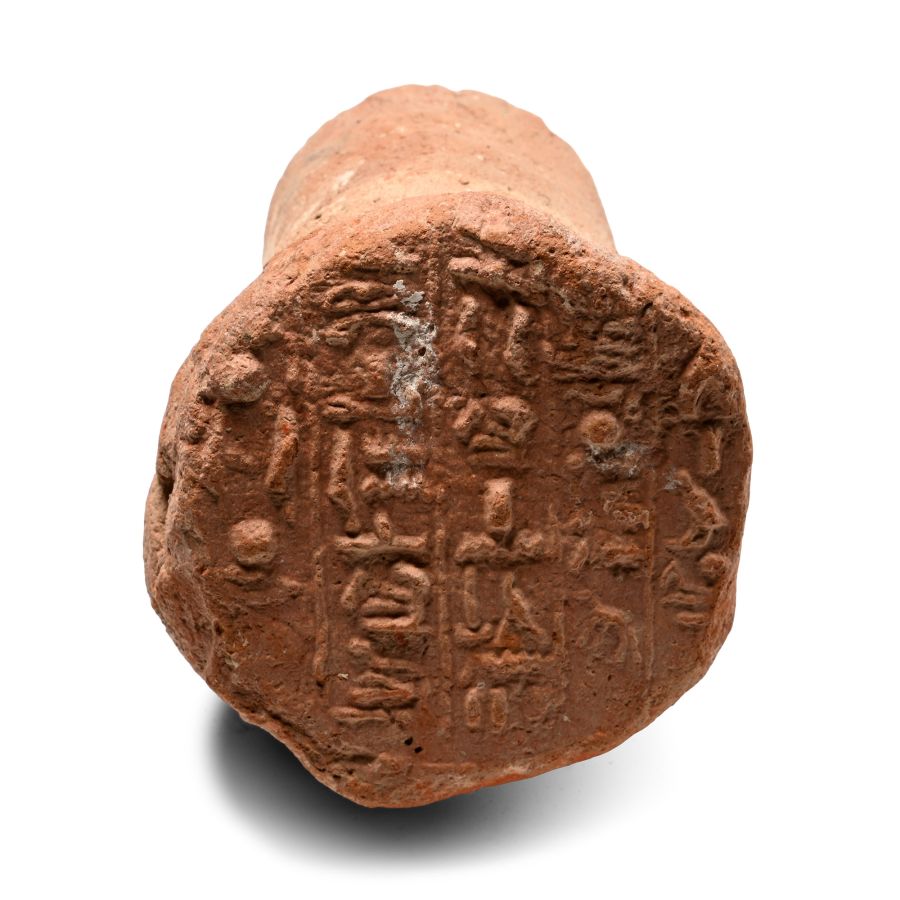
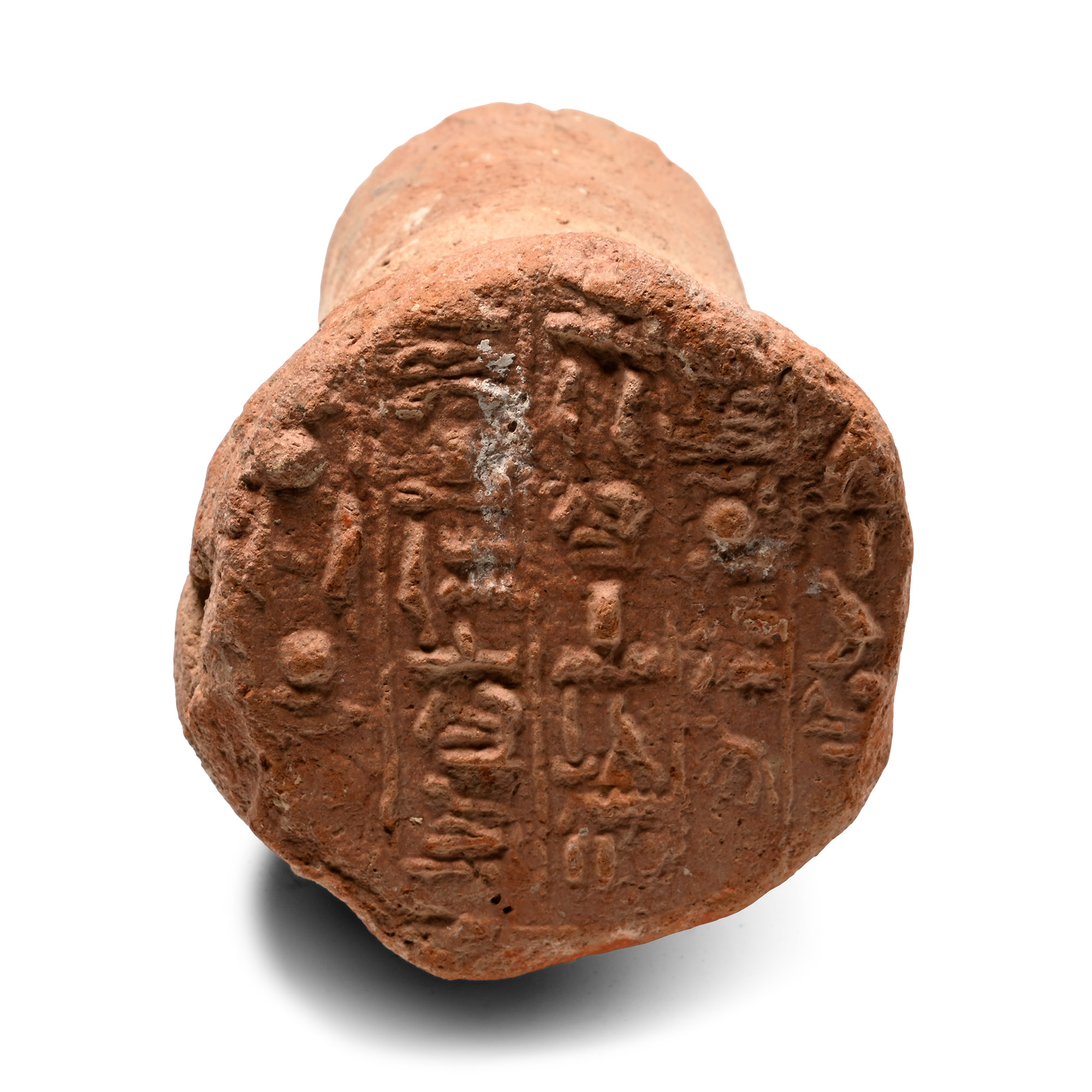
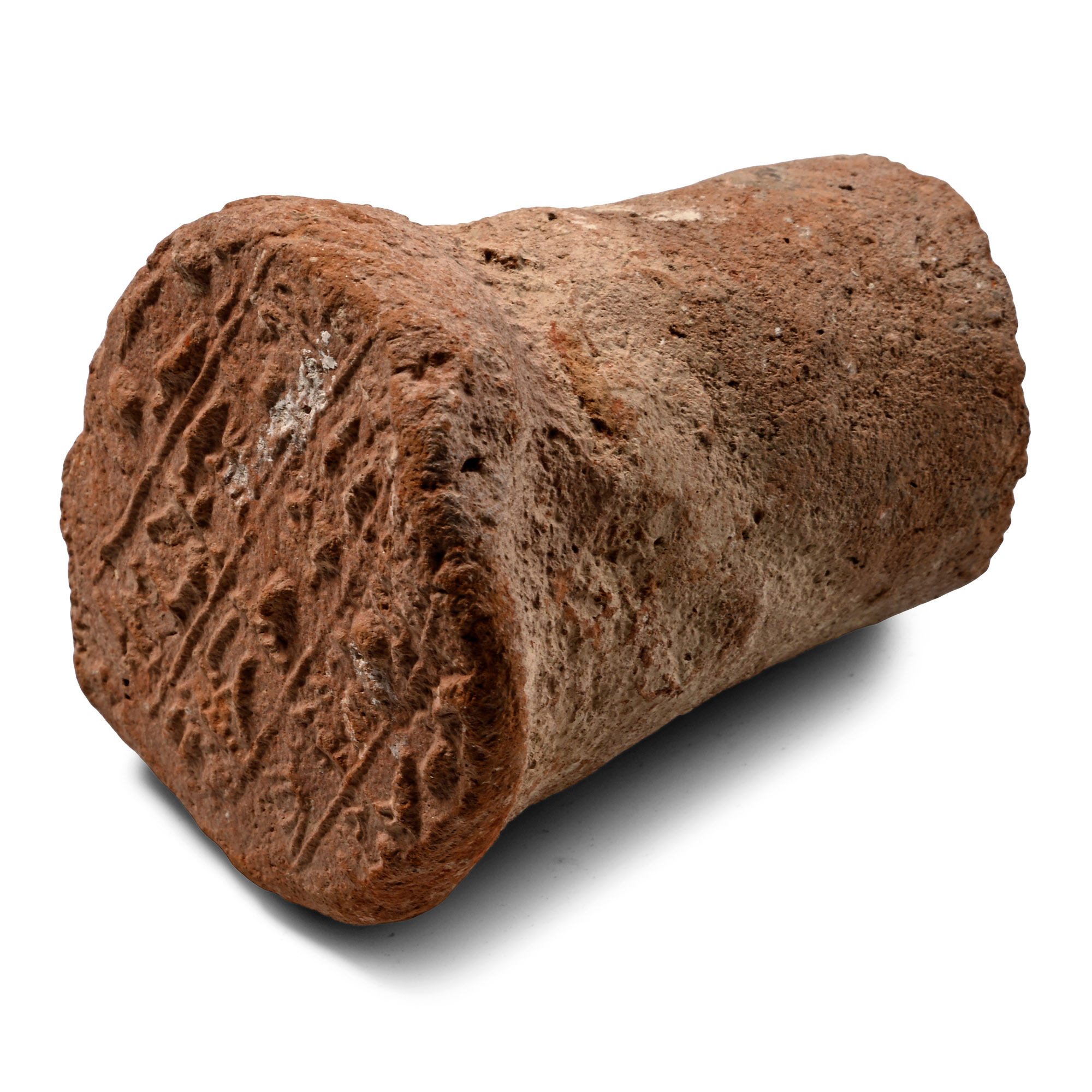
Egyptian Terracotta Funerary Cone of Amunhotep, called Huy
NEW KINGDOM, 18TH DYNASTY, CIRCA 1350 B.C.
2 3/4 in. (220 grams, 71 mm).
Front portion of a tapering funerary cone, with the circular flat end impressed with five columns of hieroglyphic text, reading: 'Honoured before Osiris, hereditary prince, Amunhotep, called Huy, this famous person in the entire land, born of the dignitary Hepu'. [No Reserve]
ProvenanceAcquired from Abdoul Rassoul on the West Bank at Luxor, 1974-1980 when a guest lecturer.
From the private collection of Peter Clayton, FCILIP, Dip, Arch, FSA, FRNS, Hemel Hempstead, Hertfordshire, UK; formed since the late 1950s.
Cf. Davies, N. de G. & Laming Macadam F., A Corpus of Inscribed Egyptian Funerary Cones, Oxford, 1957, no. 10, for the cone type.
FootnotesAlthough funerary cones of Amenhotep have been in circulation for a long time, his Theban tomb was not documented until 1996, when the German Egyptologist Friederike Kampp-Seyfried recorded it and assigned it the number 396.
CONDITIONTimeLine Auctions follows a vetting process to ensure the authenticity and legality of all items, reinforcing our commitment to integrity and responsible trading. Each antiquity, antique, and coin lot undergoes thorough examination by a vetting committee of at least ten external specialists, professional trade association members, scientists, and archaeologists: Our Vetting Process
AUCTIONS:
TimeLine is a leading auction house specialising in antiquities, ancient art, collectables, natural history, coins, medals, and books. Our auctions offer museums, collectors, historians, and enthusiasts the opportunity to acquire unique and historically significant pieces.
LOT 0482
Egyptian Terracotta Funerary Cone of Amunhotep, called Huy
Estimate £300 - 400€350 - 460 (for guidance only)$410 - 540 (for guidance only)
Opening Bid
£5 (EUR 6; USD 7) +BP*
-
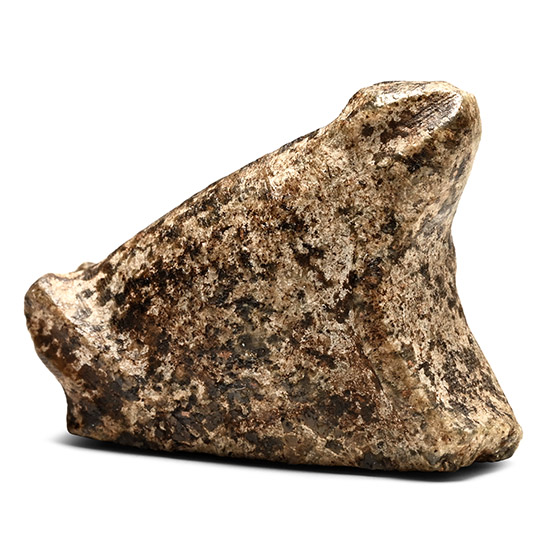
Egyptian Amulet in the Shape of a Squatting Frog
Late Period, 664-332 B.C.Estimate: £500 - 700 (‡+bp*)
Opening Bid: £275
Carved in the round in a squatting pose, with rear legs poised to leap. 9.2 grams, 27 mm
Ex Herbert A. Cahn, Basel, 1970s; thence by descent.
Frog amulets in ancient Egypt symbolised fertility, rebirth, and renewal. Associated with the goddess Heqet, who was linked to childbirth and life-giving forces, they were especially popular for fertility and for protection during pregnancy and labour. Their association with the annual Nile flood, which brought new life to the land, further emphasised their symbolism of revival and abundance. -
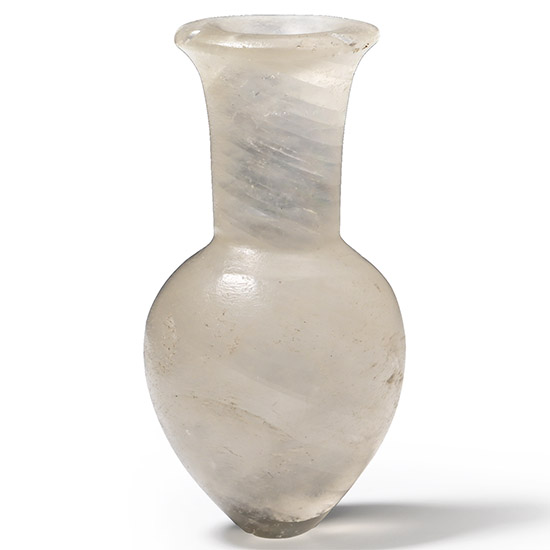
Egyptian Rock Crystal Dummy Vessel
Old Kingdom, 5th-6th Dynasty, circa 2500-2200 B.C.Estimate: £2,000 - 3,000 (+bp*)
Opening Bid: £1,000
Model amphora with a piriform body, a long, flaring, trumpet-like neck and rim, and a shallow depression at the top. 55 grams, 59 mm
with Archaeologia, Switzerland, before 1983. Ex private North American collection. London private collection, 2016. This lot has been checked against the Interpol Database of stolen works of art and is accompanied by a search certificate no.13231-249997.
This was one of the model vessels in a set associated with the 'Opening of the Mouth' ritual, which revived the deceased. -
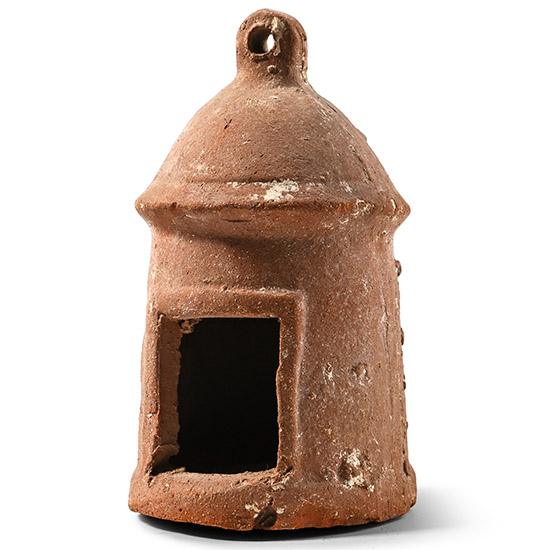
Romano-Egyptian Pottery Shrine
Roman Period, 30 B.C.-323 A.D.Estimate: £50 - 70 (+bp*)
Opening Bid: £5
Tubular type with domed 'beehive' roof and pierced lug at the apex, carinated collar and rectangular opening. 127 grams, 10.4 cm
From the private collection of Peter Clayton, FCILIP, Dip, Arch, FSA, FRNS, Hemel Hempstead, Hertfordshire, UK; formed since the late 1950s.
