
Loading, please wait...


LOT 0415
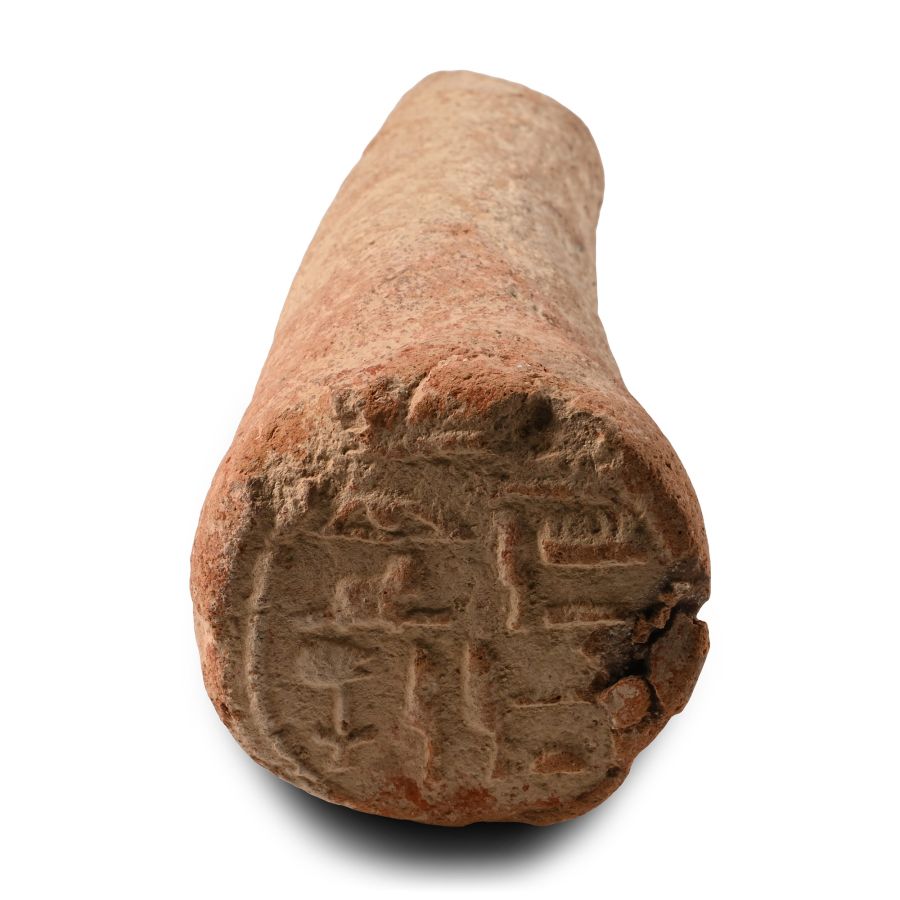
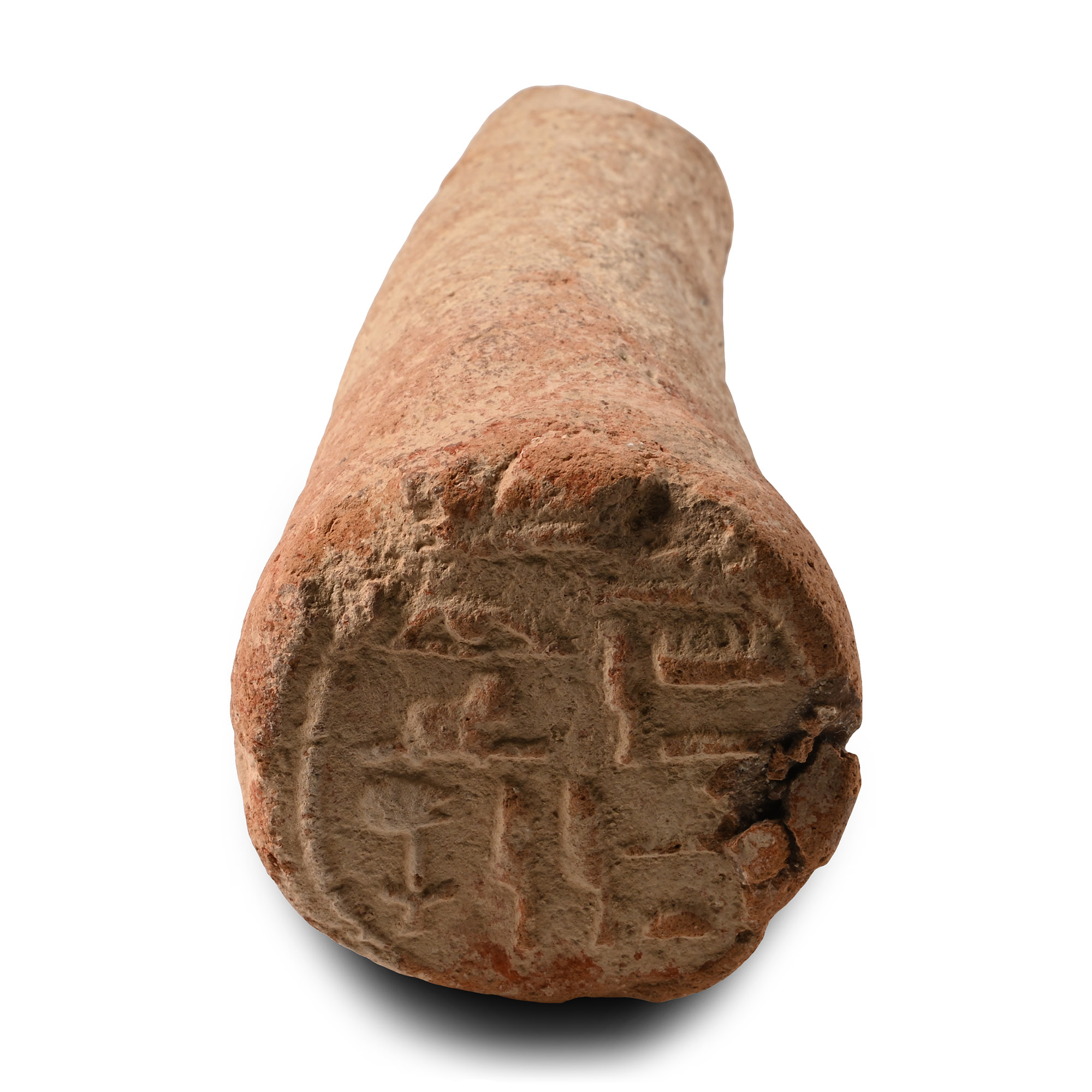
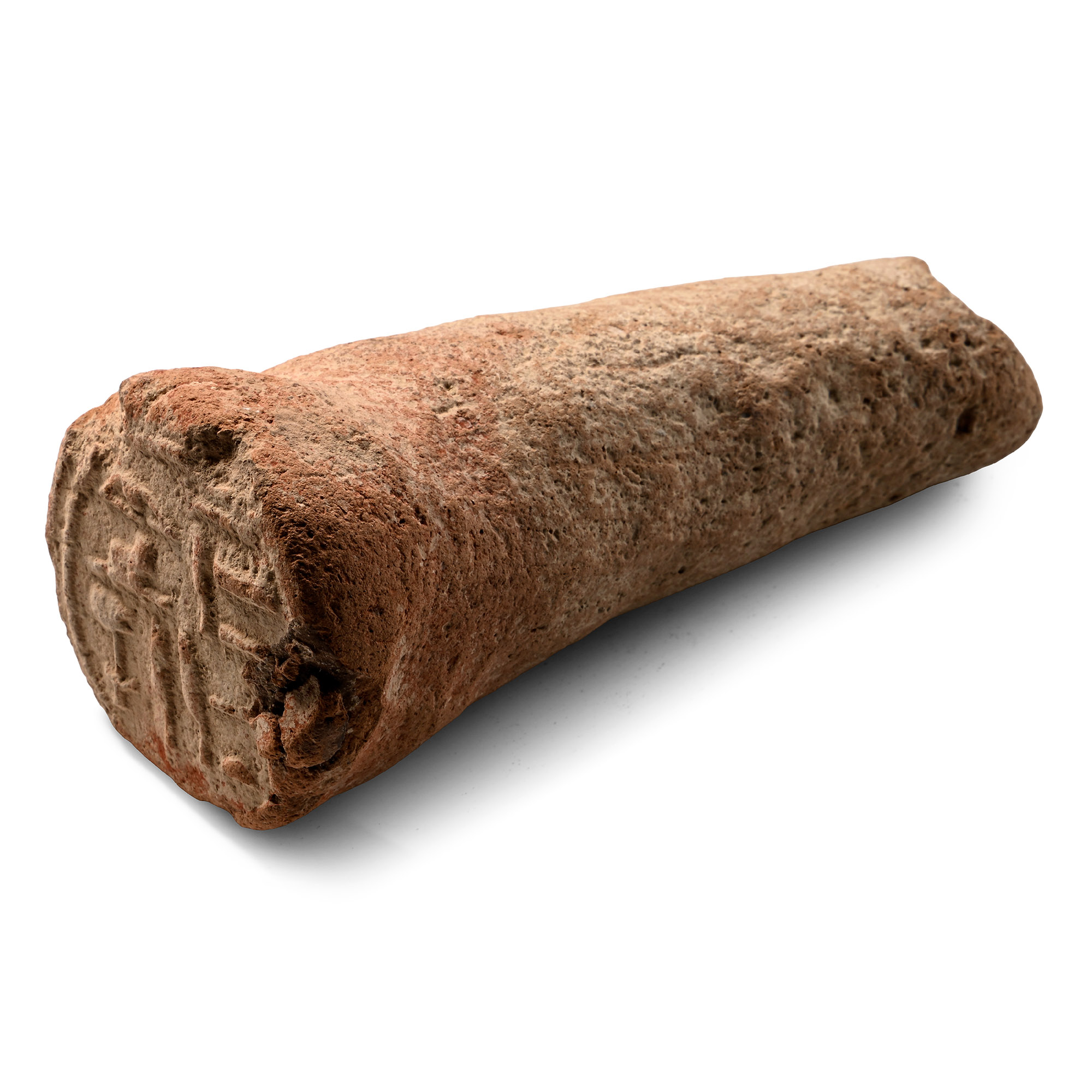
Egyptian Terracotta Funerary Cone for Hat
NEW KINGDOM, 18TH DYNASTY, CIRCA 15TH-14TH CENTURY B.C.
6 1/4 in. (365 grams, 16 cm).
Almost complete funerary cone of typical tapering form, with the circular flat end impressed with two unbordered horizontal lines of hieroglyphic text, reading: "The Osiris, corn measurer of Amun, Hat (or Hat-Amun)". [No Reserve]
ProvenanceAcquired from Abdoul Rassoul on the West Bank at Luxor, 1974-1980 when a guest lecturer.
From the private collection of Peter Clayton, FCILIP, Dip, Arch, FSA, FRNS, Hemel Hempstead, Hertfordshire, UK; formed since the late 1950s.
Cf. Davies, N. de G. & Laming Macadam F., A Corpus of Inscribed Egyptian Funerary Cones, Oxford, 1957, no. 290, for the type.
FootnotesThis individual's tomb remains unknown.
CONDITIONTimeLine Auctions follows a vetting process to ensure the authenticity and legality of all items, reinforcing our commitment to integrity and responsible trading. Each antiquity, antique, and coin lot undergoes thorough examination by a vetting committee of at least ten external specialists, professional trade association members, scientists, and archaeologists: Our Vetting Process
AUCTIONS:
TimeLine is a leading auction house specialising in antiquities, ancient art, collectables, natural history, coins, medals, and books. Our auctions offer museums, collectors, historians, and enthusiasts the opportunity to acquire unique and historically significant pieces.
LOT 0415
Egyptian Terracotta Funerary Cone for Hat
Estimate £400 - 600€460 - 700 (for guidance only)$540 - 810 (for guidance only)
-
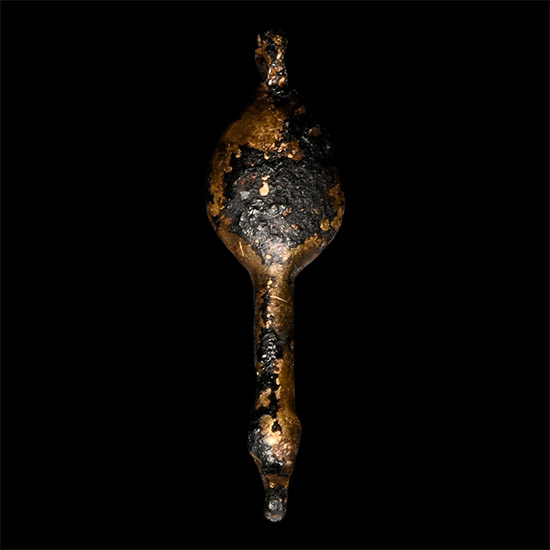
Egyptian Gold Poppy Pendant Amulet
Circa 5th-3rd century B.C.Estimate: £100 - 140 (+bp*)
Opening Bid: £50
Bulbous poppy-head with loop at the top and bottom. 0.2 grams, 12 mm
Ex early 20th century French collection. -
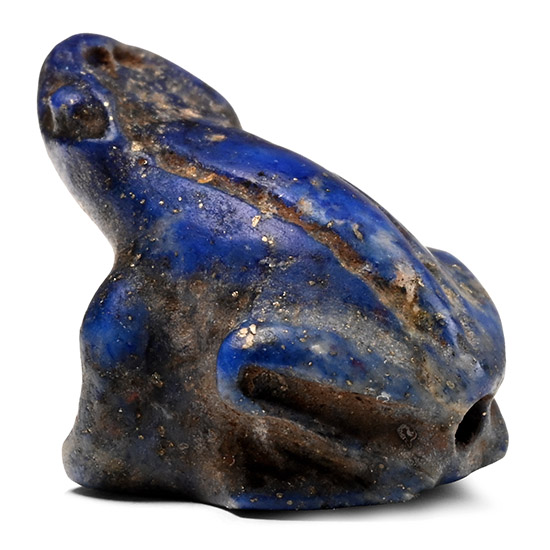
Egyptian Lapis Lazuli Frog Amulet
Late Period, 664-332 B.C.Estimate: £200 - 300 (+bp*)
Opening Bid: £60
Carved in the round in a crouched pose, with hind legs folded behind the body, pierced through the stomach for suspension. 1.02 grams, 14 mm
From a mid 20th century collection.
Frog amulets in ancient Egypt symbolised fertility, rebirth, and renewal. Associated with the goddess Heqet, linked to childbirth and life-giving forces, they were especially popular for fertility and protection during pregnancy and labour. Their association with the annual Nile flood, which brought new life to the land, further emphasised their symbolism of revival and abundance. -
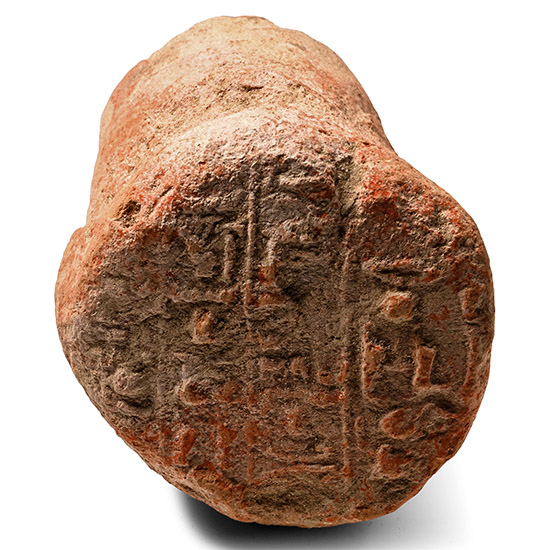
Egyptian Terracotta Funerary Cone of Amenhotep, Called Huy
New Kingdom, 18th Dynasty, mid-to-late 14th century B.C.Estimate: £100 - 140 (+bp*)
Bids: 3 | Current Bid: £35
Sizeable portion of a funerary cone with a tapering profile and a circular flat end impressed with a partial stamp, which, when complete with five columns of text, would read: 'Honoured by Osiris, hereditary prince, Amenhotep, called Huy, the famous person in the entire land, born of the dignitary Hepu.' 174 grams, 61 mm
Acquired from Abdoul Rassoul on the West Bank at Luxor, 1974-1980 when a guest lecturer. From the private collection of Peter Clayton, FCILIP, Dip, Arch, FSA, FRNS, Hemel Hempstead, Hertfordshire, UK; formed since the late 1950s.
Although funerary cones of Amenhotep have circulated for a long time, his tomb was documented only in 1996 by the German Egyptologist Friederike Kampp-Seyfried (tomb 396), primarily on the basis of the number of funerary cones found at the site. In this example, the cone appears to have been made too small to accommodate the full stamp design.
