
Loading, please wait...
LOT 0074
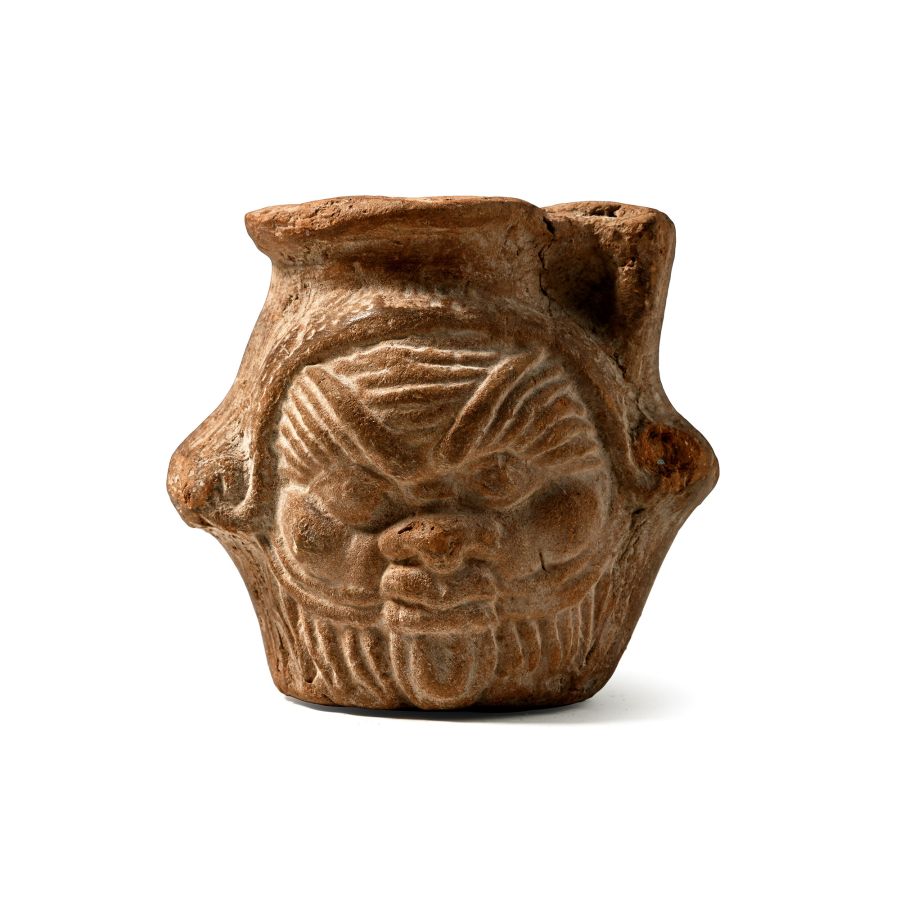
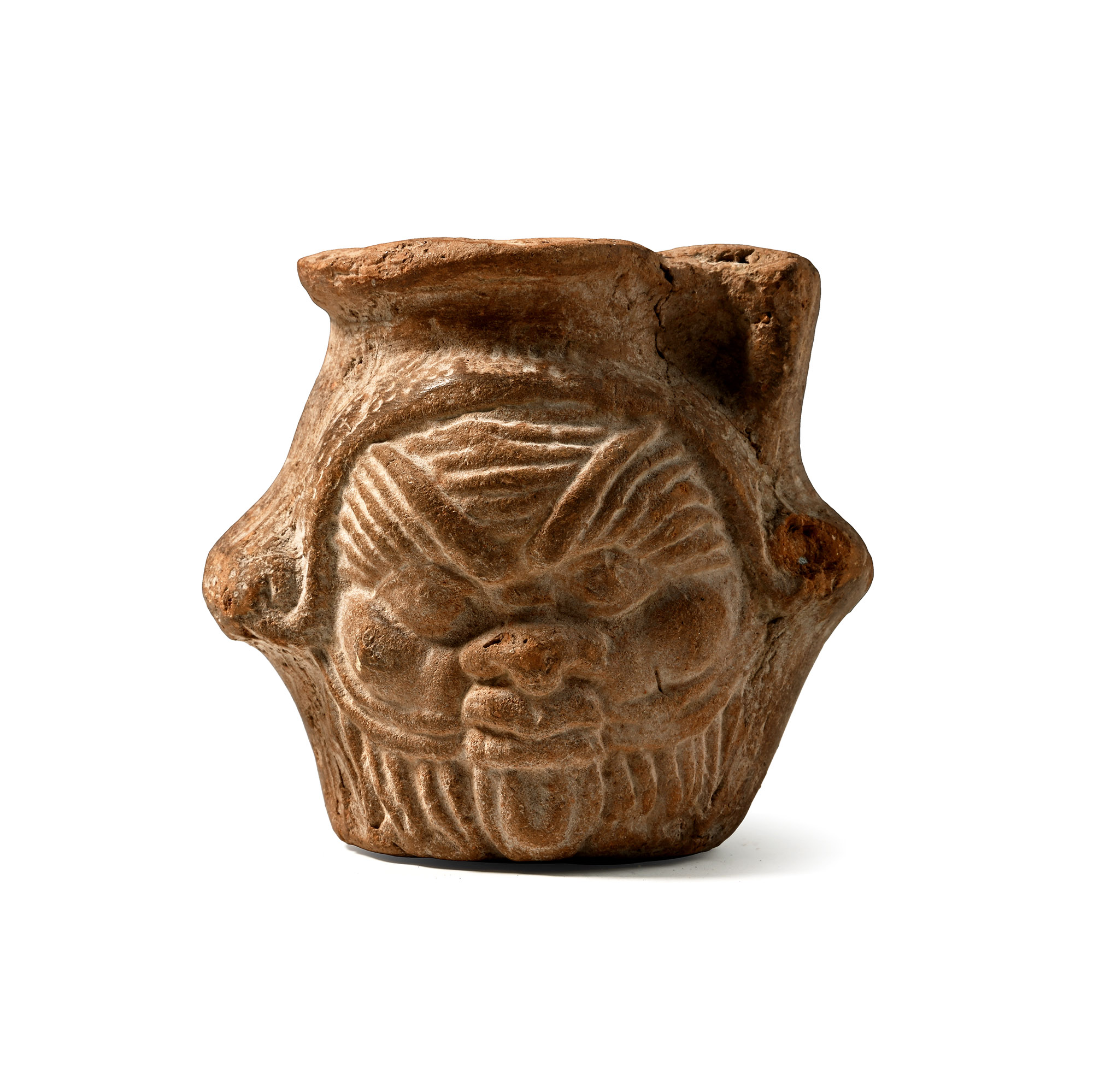
Egyptian Terracotta Bes Vessel
GRAECO-ROMAN PERIOD, 332 B.C.-323 A.D.
2 1/2 in. (140 grams, 68 mm).
Bulbous in profile, with a short, broad neck, a rolled rim, and an angled handle; obverse with a moulded mask of Bes, with lentoid eyes and a hatched face.
ProvenanceFrom the private collection of Peter Clayton, FCILIP, Dip, Arch, FSA, FRNS, Hemel Hempstead, Hertfordshire, UK; formed since the late 1950s.
LiteratureCf. Kaiser, K.R., Water, Milk, Beer and Wine for the Living and the Dead: Egyptian and Syro-Palestinian Bes-Vessels from the New Kingdom through the Graeco-Roman Period, PhD thesis, Berkley, California, 2003, p.464, cat. No. 337 (Bolton Museum inv. no. A.16.1968), for a close parallel of the type.
FootnotesBes, a dwarf deity primarily of the household, was a powerful apotropaic entity who warded off evil spirits, guarded homes, and protected vulnerable family members, especially pregnant women and infants.
Bes vessels were thought to imbue their contents with healing properties. Chemical analysis of some Graeco-Roman Bes vessels shows they held hallucinogenic, medicinal, and alcoholic blends explicitly tied to pregnancy rituals and ritual intoxication.
During the Graeco-Roman period, mould-made figure vessels and terracotta figurines became very common. By contrast, earlier eras produced almost none of these vessels; only one ceramic example is known from the New Kingdom, and none from the Third Intermediate or Late periods.
These mass-produced terracottas allowed non-elites to venerate cult images at home altars or leave them as accessible votive offerings at local sanctuaries.
TimeLine Auctions follows a vetting process to ensure the authenticity and legality of all items, reinforcing our commitment to integrity and responsible trading. Each antiquity, antique, and coin lot undergoes thorough examination by a vetting committee of at least ten external specialists, professional trade association members, scientists, and archaeologists: Our Vetting Process
AUCTIONS:
TimeLine is a leading auction house specialising in antiquities, ancient art, collectables, natural history, coins, medals, and books. Our auctions offer museums, collectors, historians, and enthusiasts the opportunity to acquire unique and historically significant pieces.
LOT 0074
Egyptian Terracotta Bes Vessel
Estimate £500 - 700€580 - 810 (for guidance only)$680 - 950 (for guidance only)
Opening Bid
£250 (EUR 290; USD 338) +BP*
-
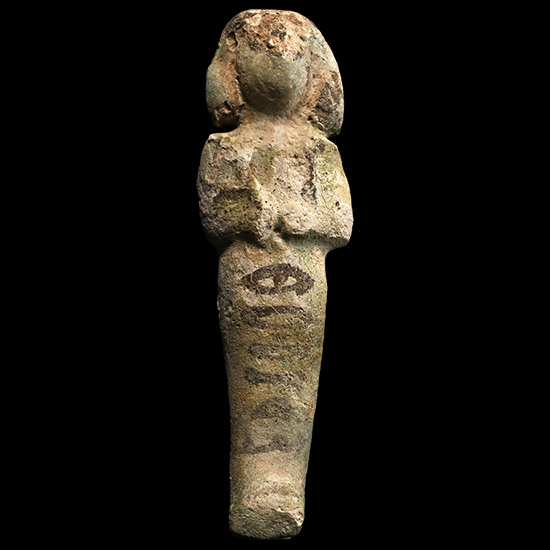
Egyptian Pale Blue Glazed Shabti
Third Intermediate Period, 22nd Dynasty, circa 945-715 B.C.Estimate: £120 - 170 (+bp*)
Bids: 1 | Current Bid: £5
Mummiform figure with a high-relief bag wig, a top sash band, facial details, tools, a seed bag, and hieroglyphs on the lower body, all rendered in black pigment. 40 grams, 10.8 cm
with a privately curated collection, 1980s-early 2000s. From the private collection and estate of Christine Simons (1943-2025), West Midlands, UK. -
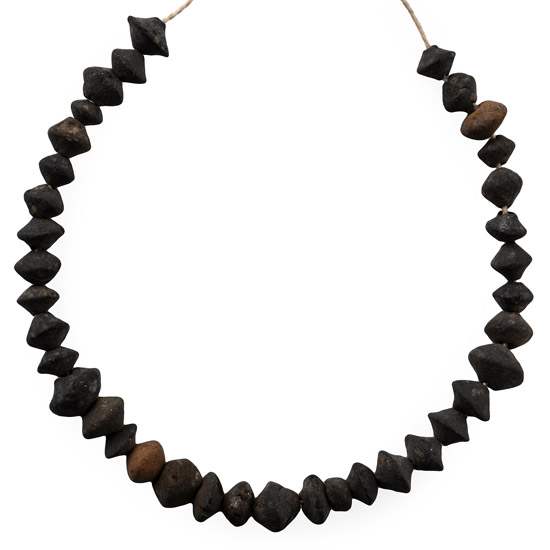
Egyptian Biconical Faience Mummy Bead String
New Kingdom-Late Period, circa 1550-332 B.C.Estimate: £30 - 40 (+bp*)
Bids: 1 | Current Bid: £5
Restrung group of dark brown biconical beads. 4.65 grams, 16 cm
Excavated from Egypt in 1914. From the private collection of Mr David Sams and his wife Elizabeth Kate Sams, gentry and amateur archaeologists who travelled to Egypt in 1914 with their daughter Ethel. Mr Sams and his wife led digging expeditions from which these items come from the family estate of Mr and Mrs Sams, by direct descent to their granddaughter. -
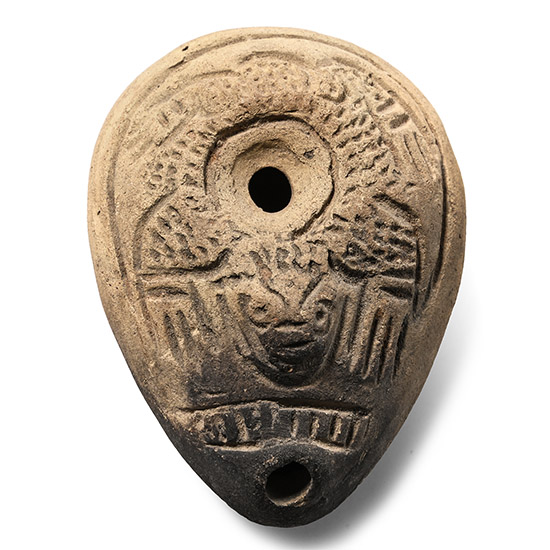
Romano-Egyptian Terracotta Frog Oil Lamp
Roman Period, 3rd-4th century A.D.Estimate: £50 - 70 (+bp*)
Bids: 2 | Current Bid: £20
Ovoid in plan and biconvex in section, low-relief frog image on the discus, starburst on the underside; old collector's note: 'Very light buff coloured frog lamp. Exact type as illustrated in Bailey, [?] Roman pottery lamps. B.17.1963 pl. 14 d. Decorated base. 3-4th century A.D. Found in Alexandria. From Puys-Aubert collection in Alexandria. March 1963.' 71 grams, 81 mm
From the private collection of Peter Clayton, FCILIP, Dip, Arch, FSA, FRNS, Hemel Hempstead, Hertfordshire, UK; formed since the late 1950s. Accompanied by an old handwritten identification card written by Peter Clayton.
