
Loading, please wait...
LOT 2106
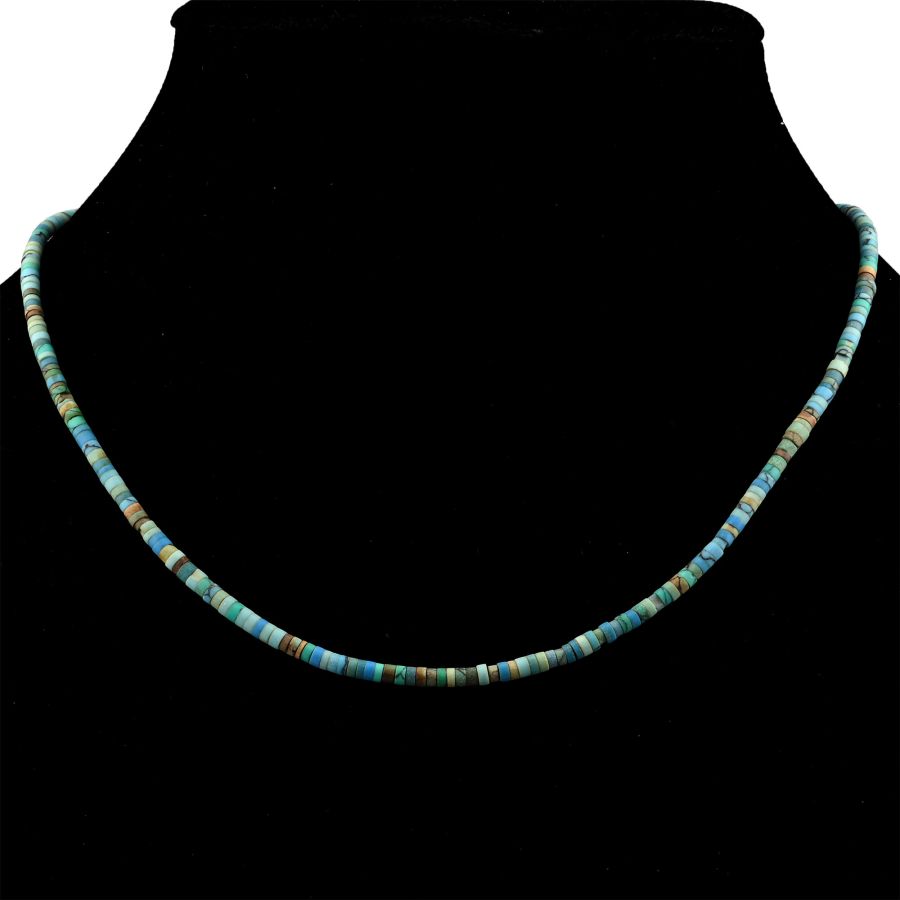
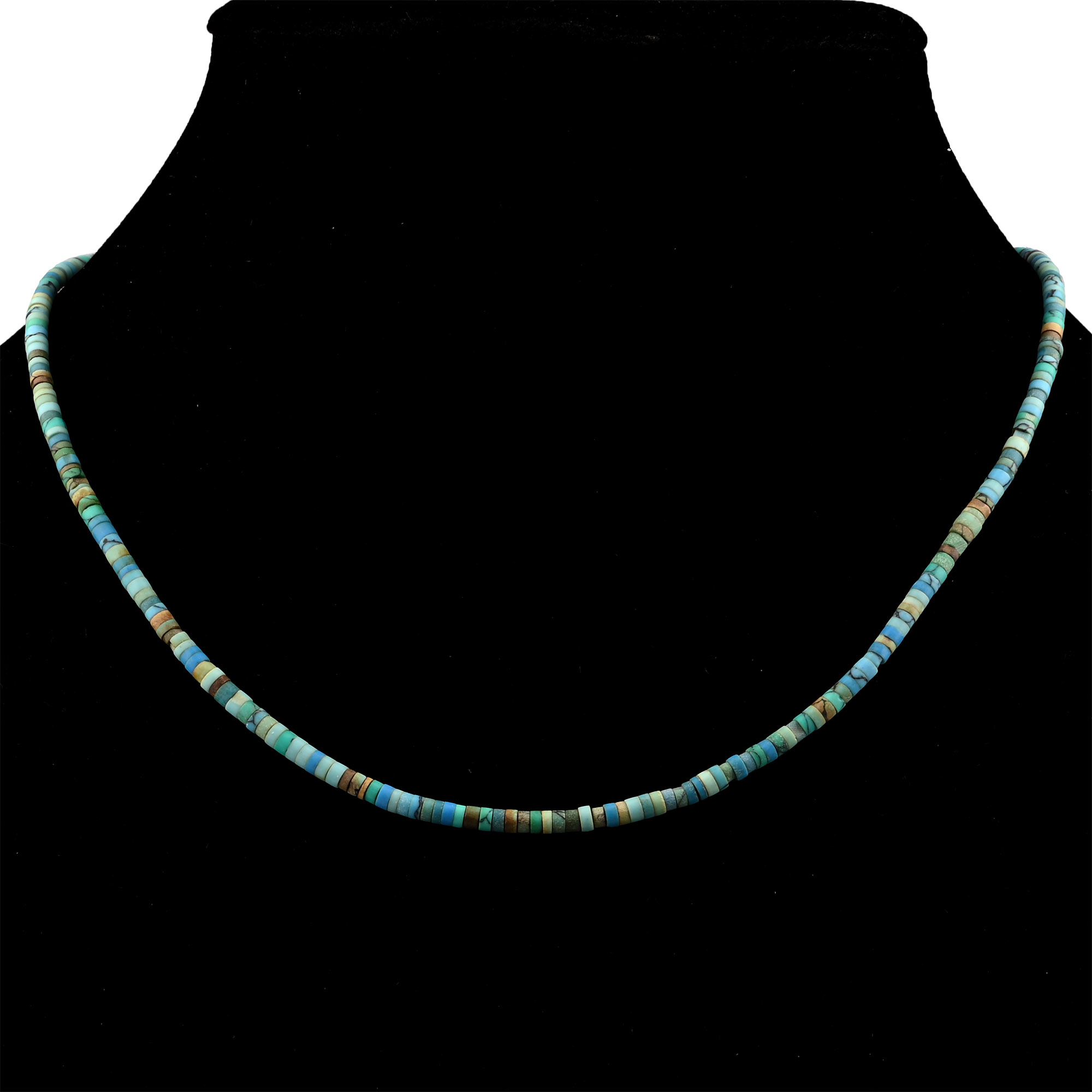
Egyptian Style Stone and Other Bead Necklace String
20TH CENTURY A.D.
14 1/4 in. (4.69 grams, 36.3 cm).
Composed of polychrome annular beads; restrung. [No Reserve]
ProvenanceFrom London, UK, gallery collection, 1990s.
CONDITIONTimeLine Auctions follows a vetting process to ensure the authenticity and legality of all items, reinforcing our commitment to integrity and responsible trading. Each antiquity, antique, and coin lot undergoes thorough examination by a vetting committee of at least ten external specialists, professional trade association members, scientists, and archaeologists: Our Vetting Process
AUCTIONS:
TimeLine is a leading auction house specialising in antiquities, ancient art, collectables, natural history, coins, medals, and books. Our auctions offer museums, collectors, historians, and enthusiasts the opportunity to acquire unique and historically significant pieces.
-
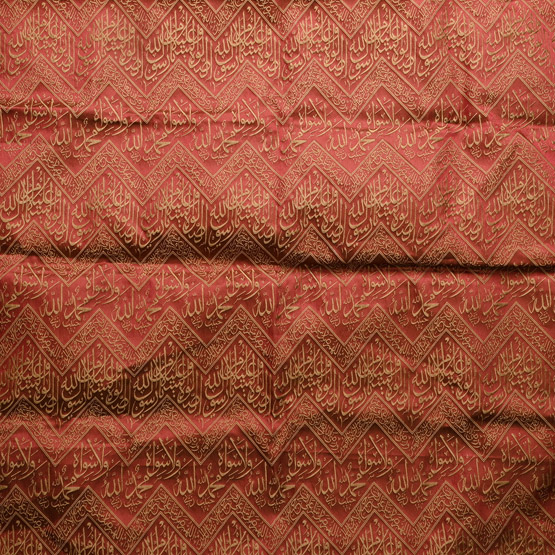
Western Asiatic Lined Calligraphic Table Cloth
20th century A.D.Sold for (Inc. bp): £338
Rectangle of crimson fabric on coarse carrier textile; dense zigzag layers of calligraphic text in various sizes. 260 grams, 77.5 x 85 cm
Private collection, UK. -
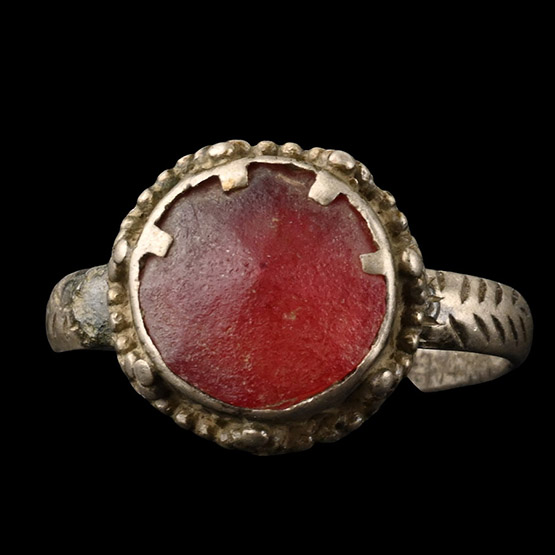
Post Medieval Silver Ring with Cabochon
Circa 18th century A.D.Sold for (Inc. bp): £26
With hatched shoulders, drum-shaped bezel with applied granulation, inset glass cabochon. 4.18 grams, 25.94 mm overall, 18.91 mm internal diameter (approximate size British P, USA 7 1/2, Europe 16.23, Japan 15)
Ex German art market, 2000s. Acquired from an EU collector living in London. From the collection of a Surrey, UK, gentleman. -
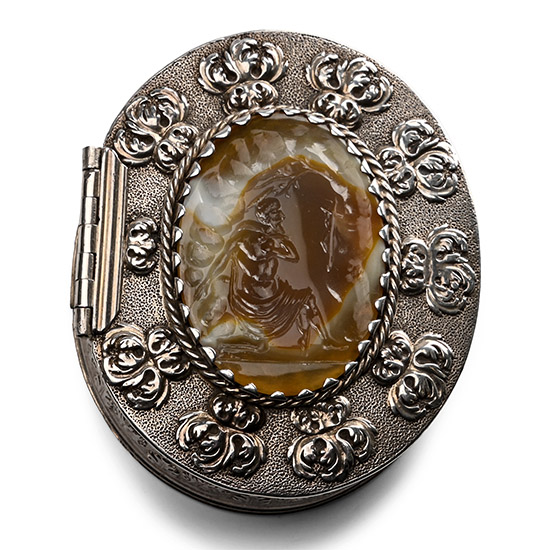
Post Medieval Silver Snuff Box Set with Agate Intaglio of Saint Jerome
Italy, 16th-17th century A.D.Estimate: £1,200 - 1,700 (+bp*)
Opening Bid: £600
Decorated with a repeating motif of acanthus leaves and facing masks of Bacchus; lid of set with an agate intaglio of Saint Jerome kneeling before a crucifix within a rope-twist and dog's tooth border, surrounded by leafy swags on a pounced field; old collector's label 'Walecki Collection 207006' to inner lid. 52.7 grams, 53 mm
Private collection, Europe. Acquired on the English art market.
