
Loading, please wait...
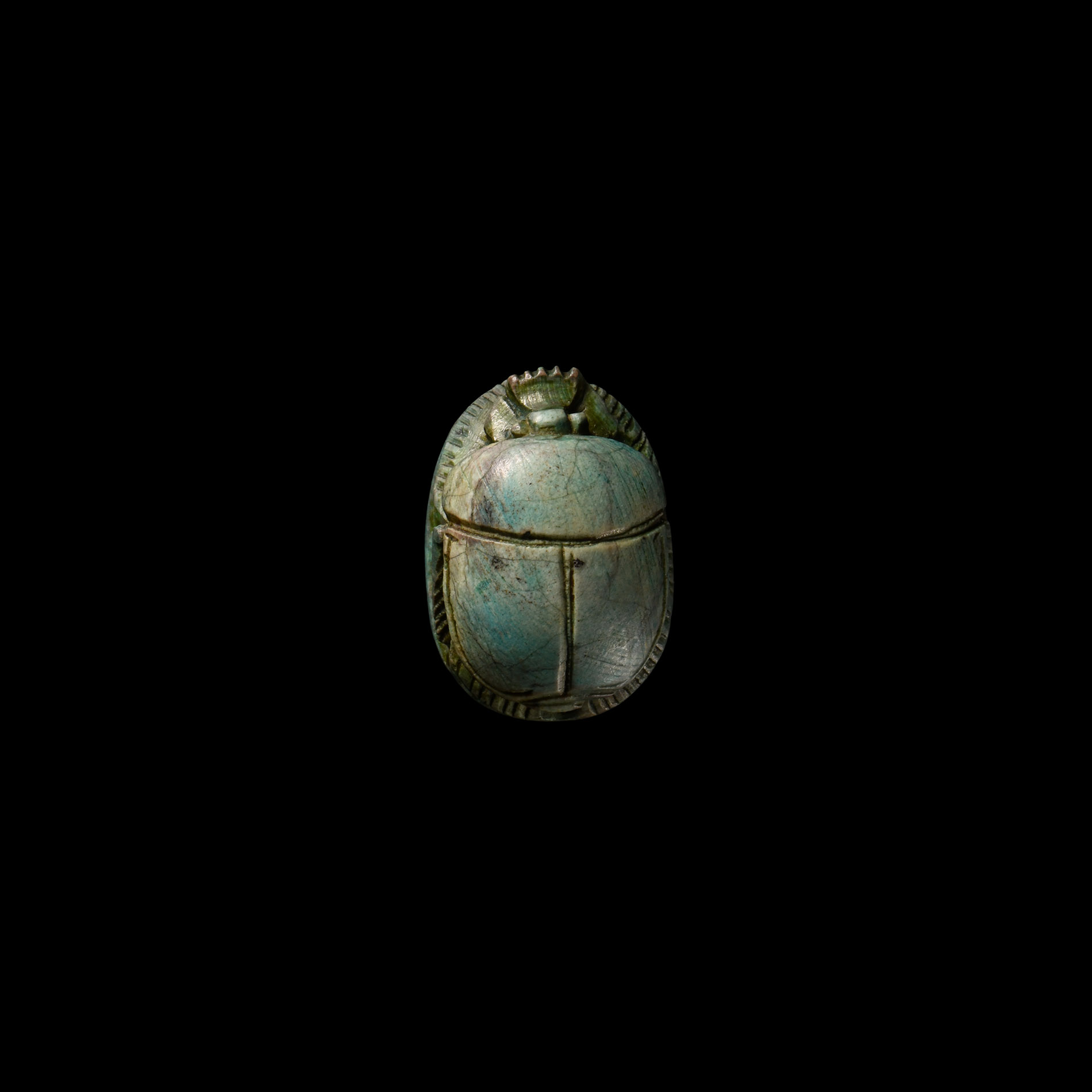
LOT 0033
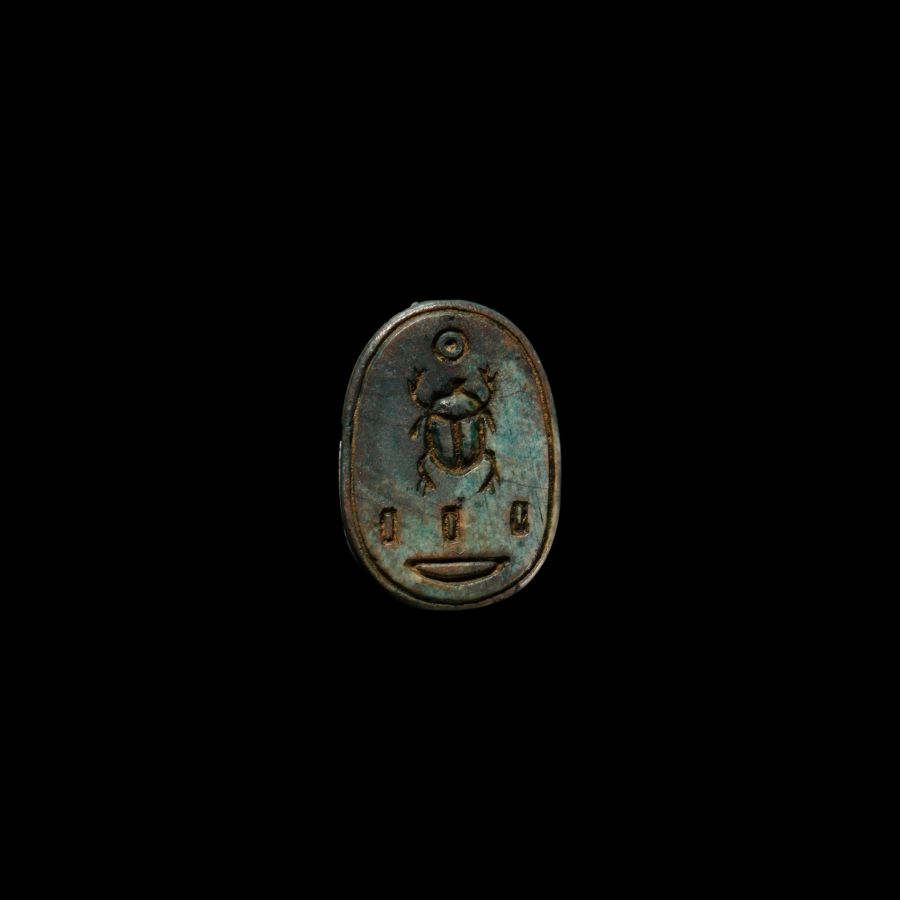
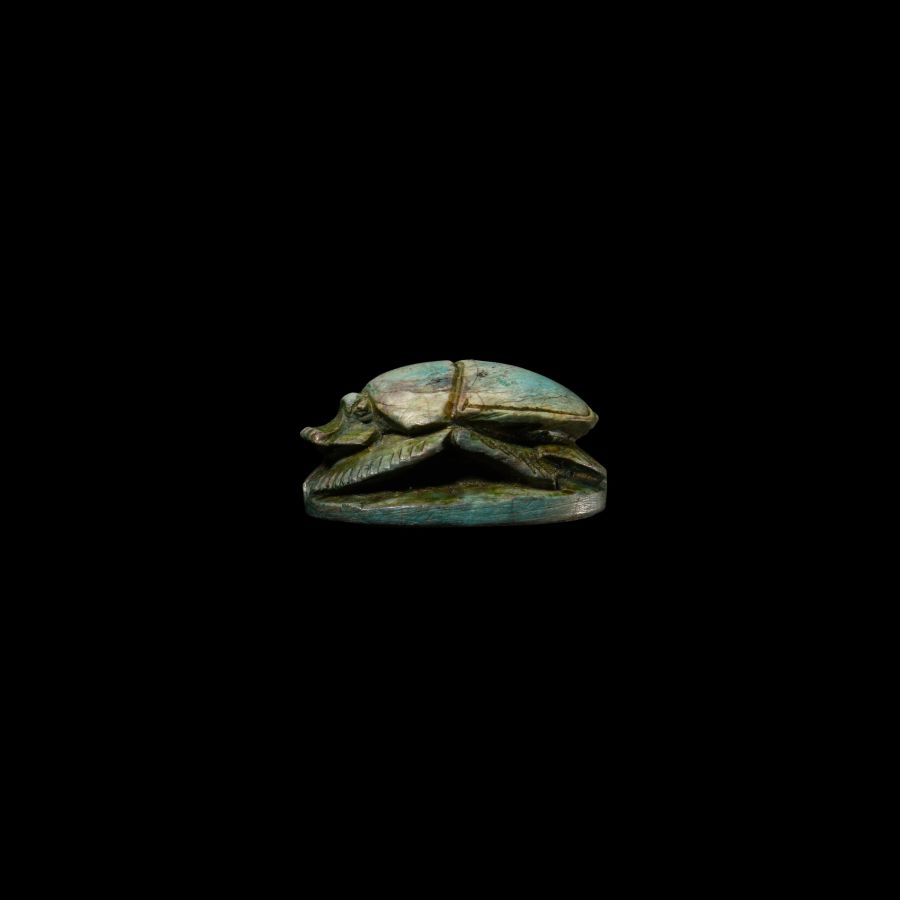
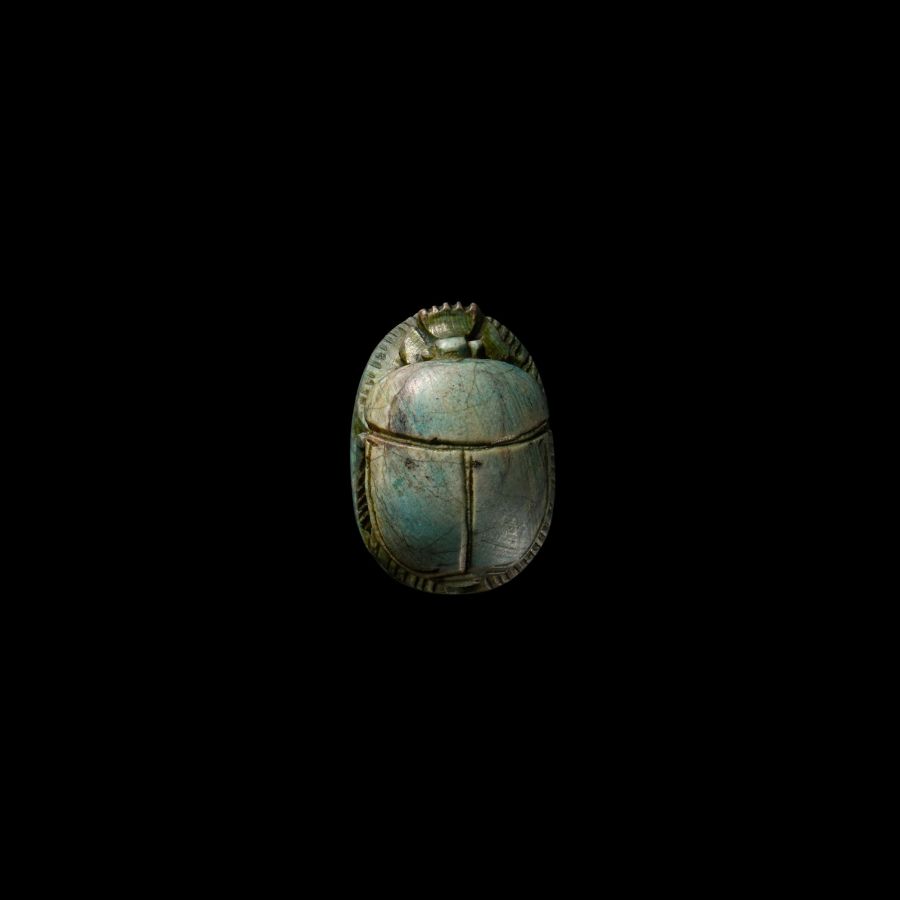
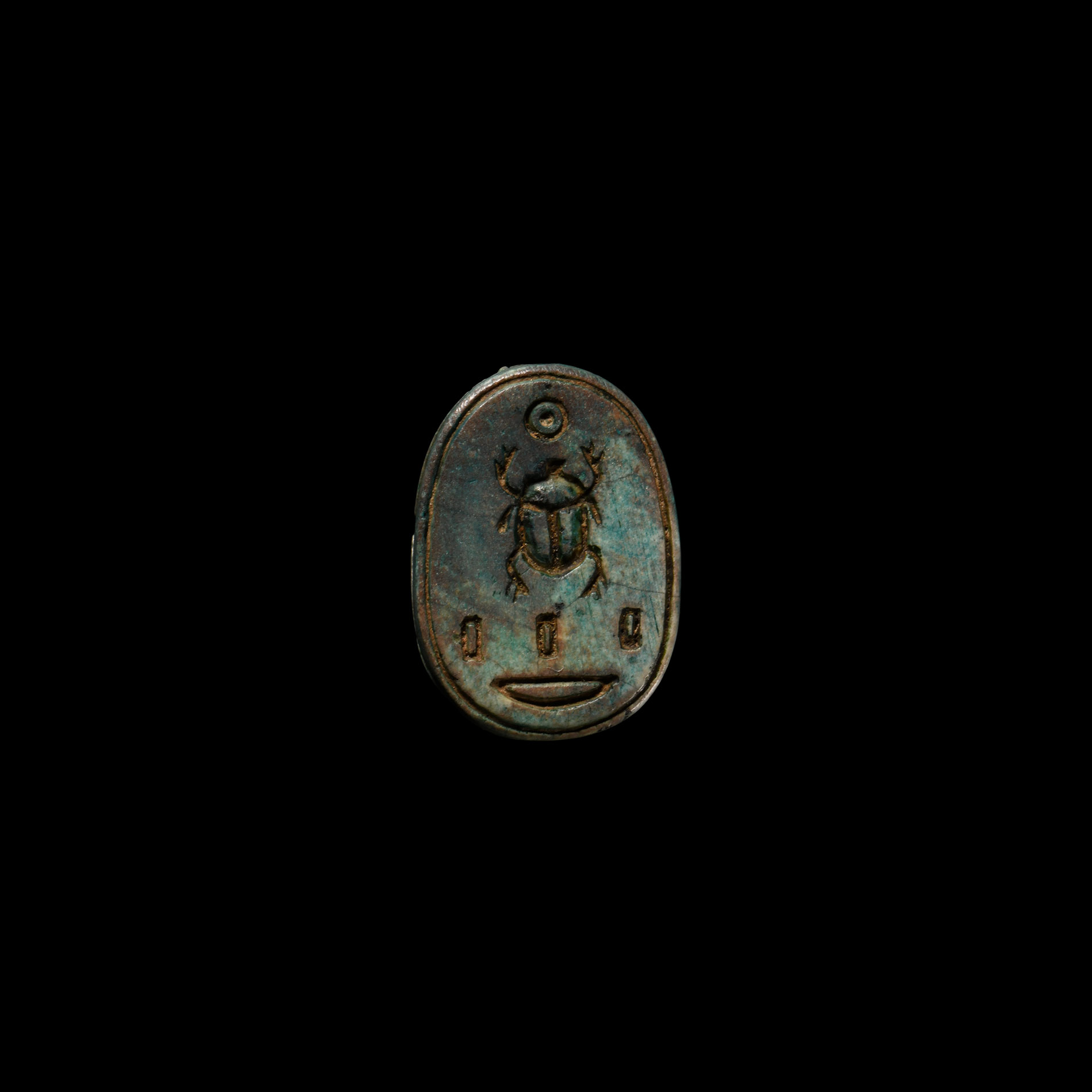
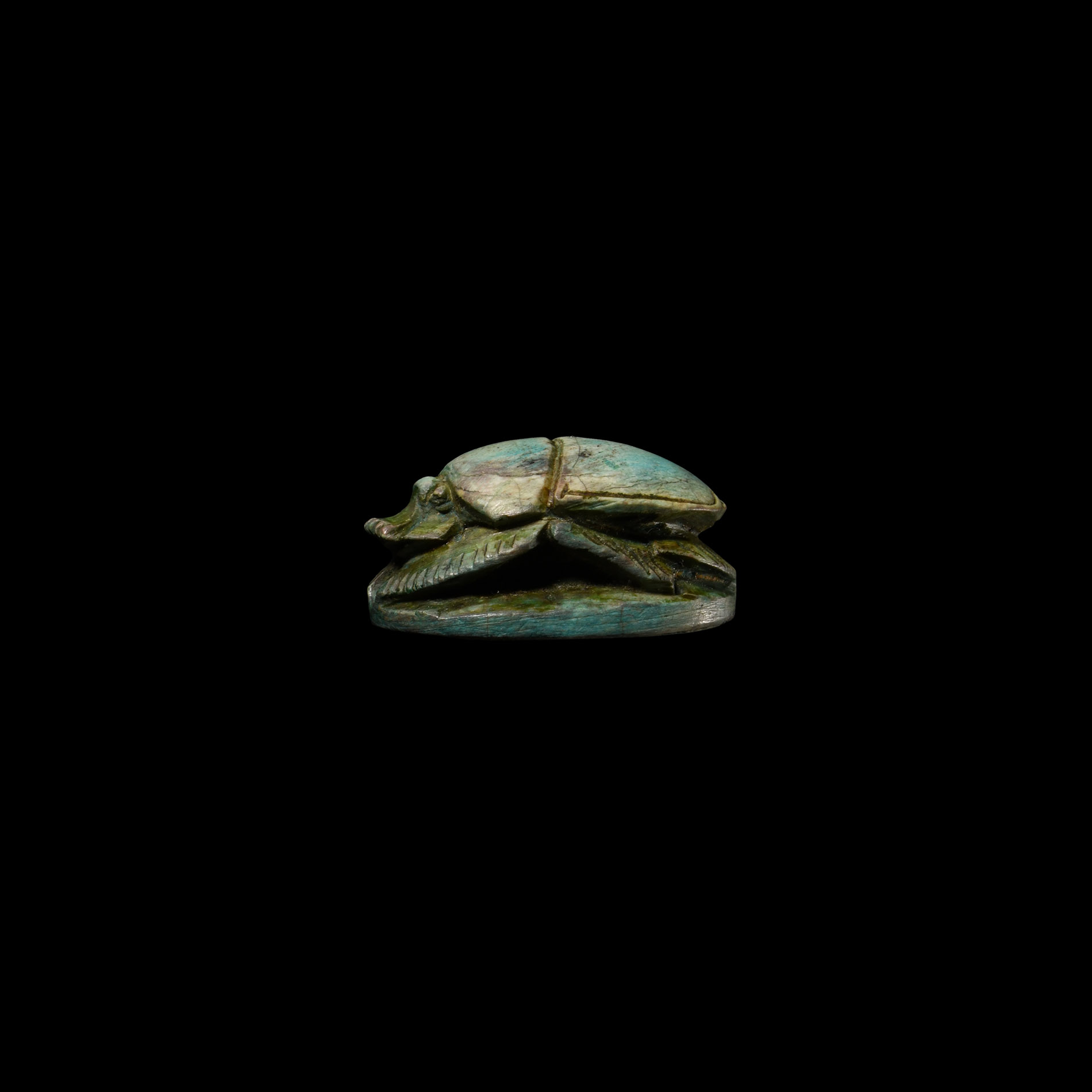
Egyptian Stone Scarab Inscribed for Tutankhamun
NEW KINGDOM, 1334-1325 B.C.
3/4 in. (4.55 grams, 20 mm).
Naturalistically modelled and coloured blue, hieroglyphs on base; pierced for suspension.
ProvenanceEx collection of Emil Saad, Paris-Alexandria.
CONDITIONTimeLine Auctions follows a vetting process to ensure the authenticity and legality of all items, reinforcing our commitment to integrity and responsible trading. Each antiquity, antique, and coin lot undergoes thorough examination by a vetting committee of at least ten external specialists, professional trade association members, scientists, and archaeologists: Our Vetting Process
AUCTIONS:
TimeLine is a leading auction house specialising in antiquities, ancient art, collectables, natural history, coins, medals, and books. Our auctions offer museums, collectors, historians, and enthusiasts the opportunity to acquire unique and historically significant pieces.
-
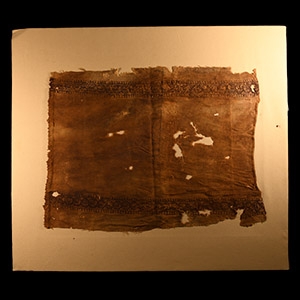
Egyptian Large Portion of Coptic Tunic
Circa 5th-7th century A.D.Sold for (Inc. bp): £156
The upper frontal part of a child's garment, decorated on both sides with purple wool and linen stripes (clavi), running vertically on both sides of the tunic, and ornamented with running animals (hares), the edges of each clavus with crenellated border; selvedged on the upper part of the tunic and with a fringed lower border. 750 grams, 70 x 79 cm
Acquired 1970s-1996. Property of a North American collector. London collection, 2016.
Tunic decoration conformed to a specific layout with the back mirroring the front. Matching bands called clavi ran on either side of the neck. They could be full length, like in our specimen, or stop above the waistline. -
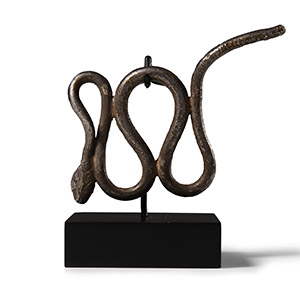
Egyptian Silver Snake Appliqué
Roman Period, 30 B.C.-323 A.D.Estimate: £600 - 800 (+bp*)
Opening Bid: £333
With its body forming meandering loops, stylised detailing to the head and tail; remains of mounting lug to the reverse of the head. 40.6 grams, 73 mm
‘The Ancient Menagerie Collection’ formerly the property of a Cambridgeshire lady, collected since the 1990s and acquired from auctions and dealers throughout Europe and the USA, now ex London collection. -
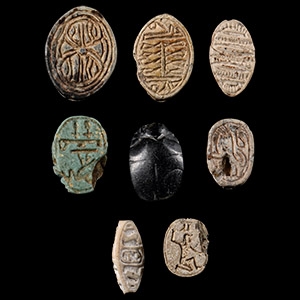
Egyptian Hardstone and Faience Scarab Collection
Late Period, 664-332 B.C.Sold for (Inc. bp): £286
Including hieroglyphic text, figural imagery and geometric designs to the underside. 11.3 grams total, 12-19 mm
Acquired 1970s-1996. Property of a North American collector. London collection, 2016.
