
Loading, please wait...
LOT 0475
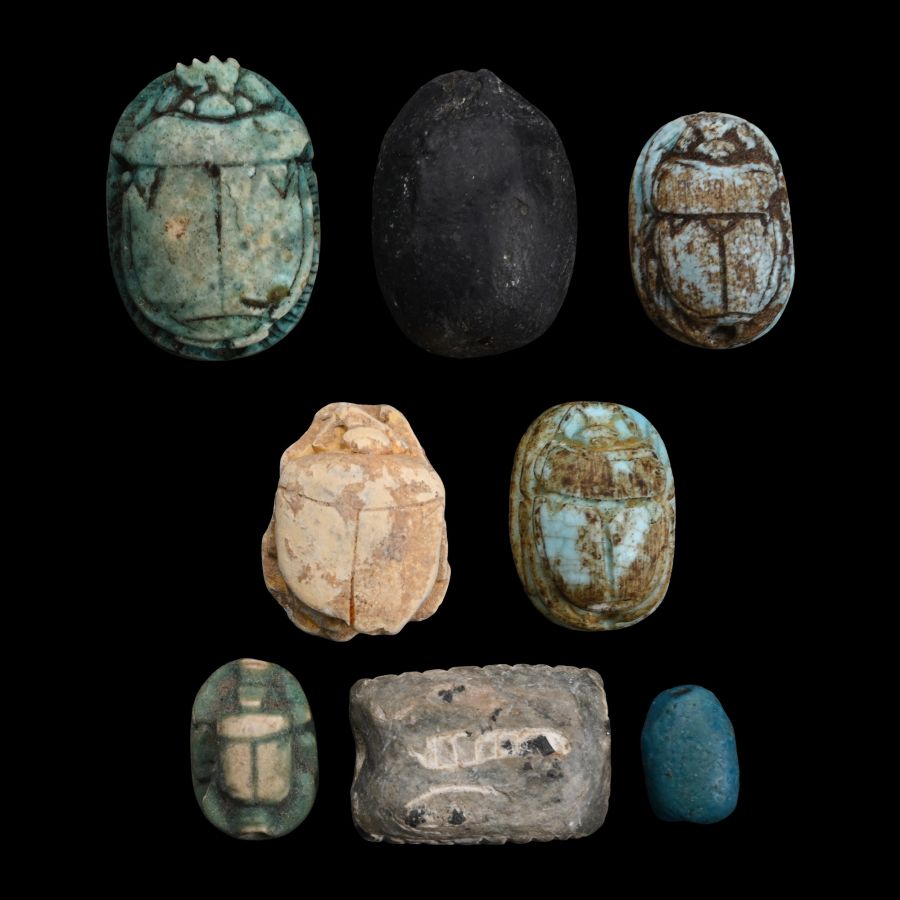
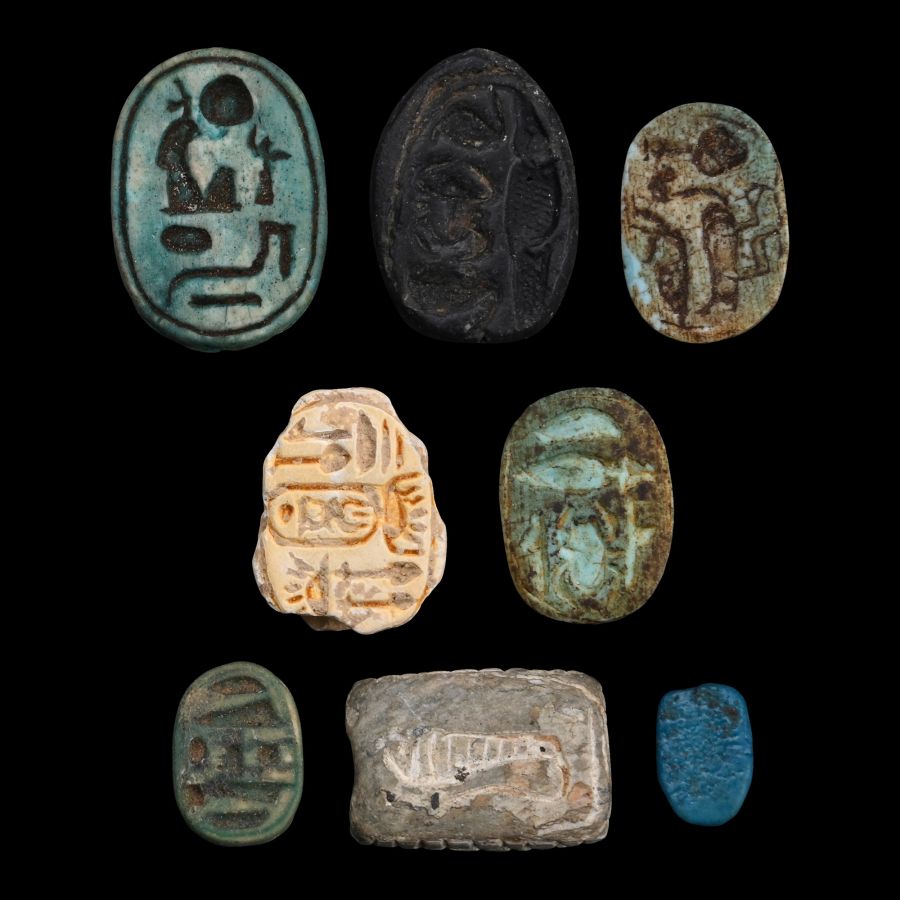
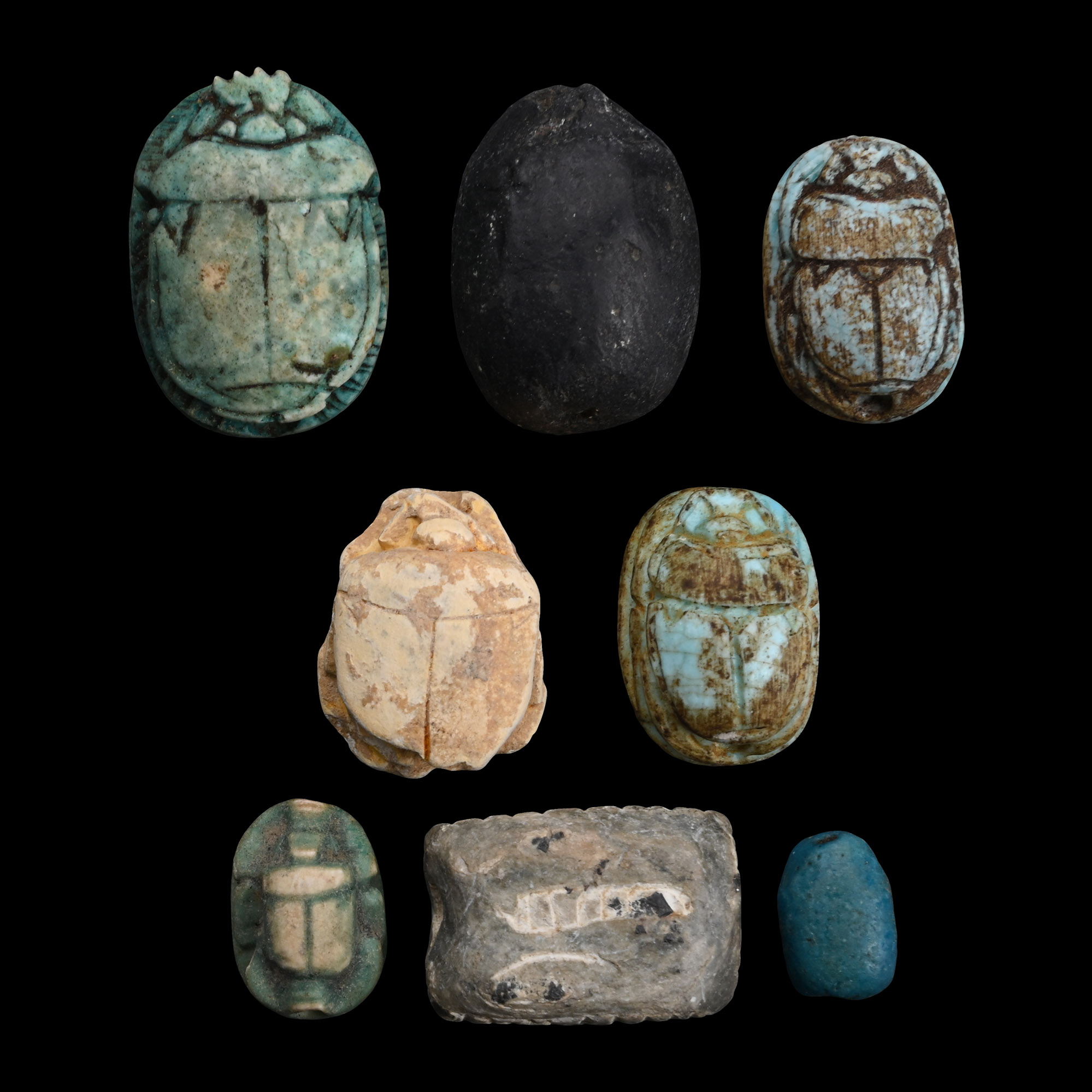
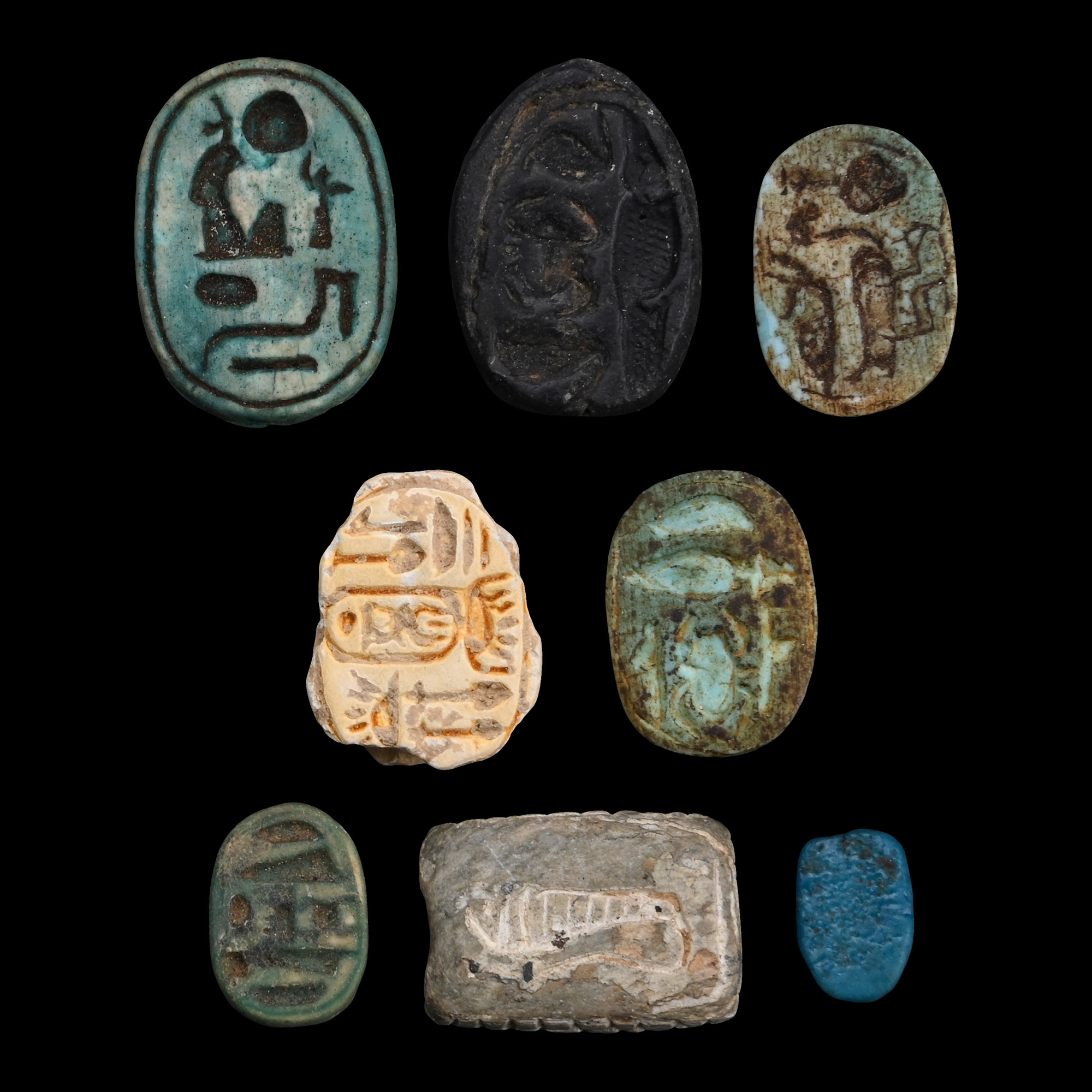
Egyptian Stone Scarab and Amulet Collection
NEW KINGDOM-LATE PERIOD, 1550-332 B.C.
3/8 - 3/4 in. (13.65 grams total, 9-19 mm).
The group comprising scarabs, scaraboids, and other types, some with hieroglyphs on their undersides, including the throne names of Thutmose IV (Men-kheperu-re) and Ramesses II (User-maat-re Setep-en-re)., [8]
ProvenanceFrom the collection of a gentleman, acquired on the London art market in the 1990s.
CONDITIONTimeLine Auctions follows a vetting process to ensure the authenticity and legality of all items, reinforcing our commitment to integrity and responsible trading. Each antiquity, antique, and coin lot undergoes thorough examination by a vetting committee of at least ten external specialists, professional trade association members, scientists, and archaeologists: Our Vetting Process
AUCTIONS:
TimeLine is a leading auction house specialising in antiquities, ancient art, collectables, natural history, coins, medals, and books. Our auctions offer museums, collectors, historians, and enthusiasts the opportunity to acquire unique and historically significant pieces.
-
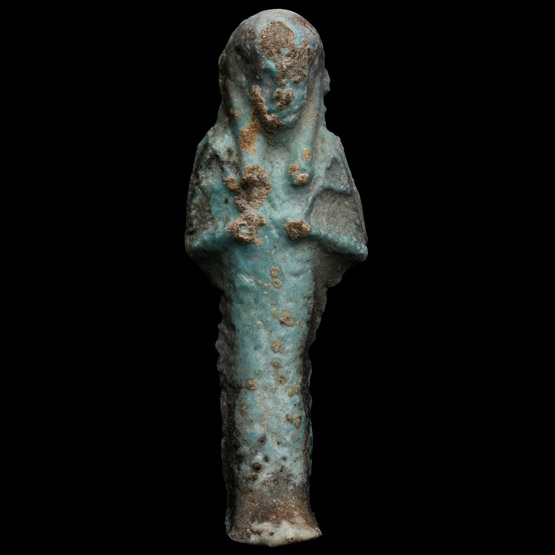
Egyptian Blue-Glazed Faience Shabti
Ptolemaic Period, 332-30 B.C.Sold for (Inc. bp): £117
Plano-convex in section with plain back, mummiform type with agricultural tools. 9.43 grams, 70 mm
Acquired on the UK art market before 2000. Property of an Essex, UK, gentleman. -
.jpg)
Egypto-Phoenician Period Haematite Scarab with Winged Figure
700-500 B.C.Estimate: £500 - 700 (‡+bp*)
Opening Bid: £278
With a scene to underside of a winged figure advancing. 6.52 grams, 17 mm
Acquired in the mid 1980s-1990s. Private collection, Switzerland, thence by descent. Private collection, since the late 1990s. -
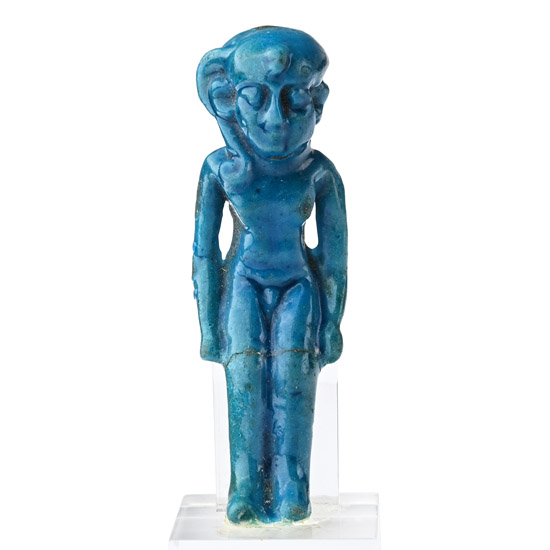
Egyptian Turquoise-Glazed Seated Harpocrates
Late Period, 664-332 B.C. or laterEstimate: £700 - 900 (+bp*)
Opening Bid: £350
Modelled in the round, depicted in a seated pose with bold sidelock reaching to the shoulder, uraeus on the forehead; ribbed suspension loop behind the neck; mounted on a custom-made display stand. 10.09 grams total, 52 mm including stand
Collection of His Excellency Mandou Riaz 1895-1963. Archaeology Auction, Paris, Drouot Montaigne, 11-12 Nov 2001, no.186. Private collection, London, UK.
