
Loading, please wait...
LOT 0485
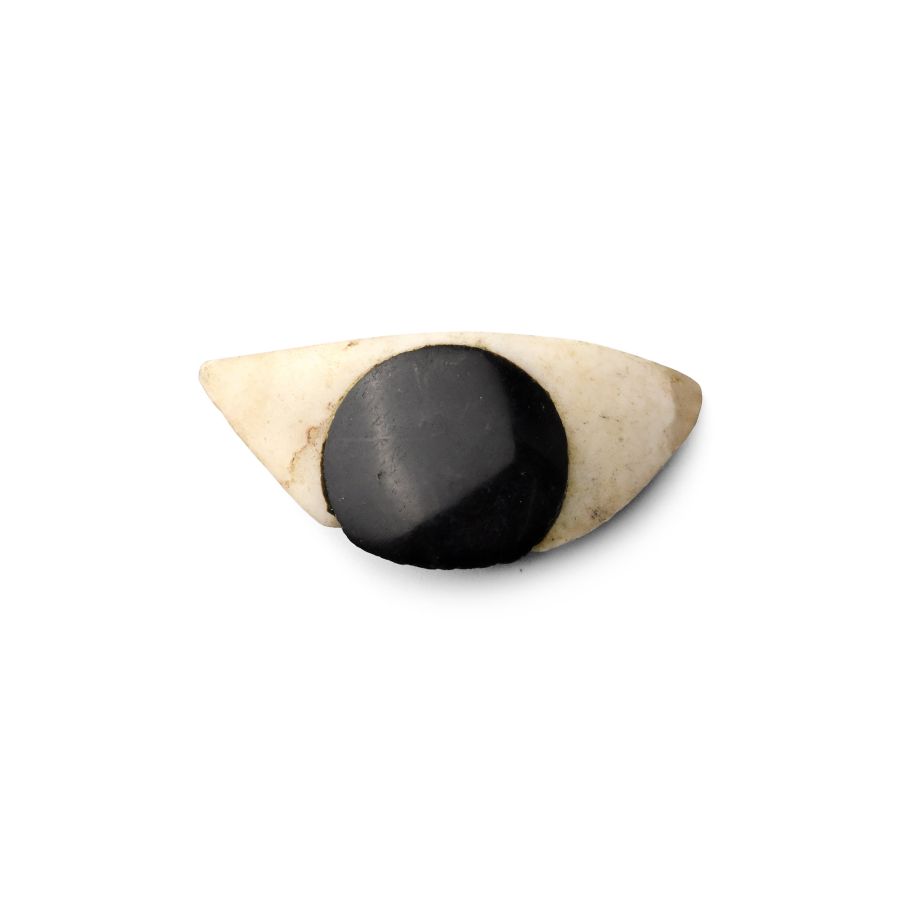
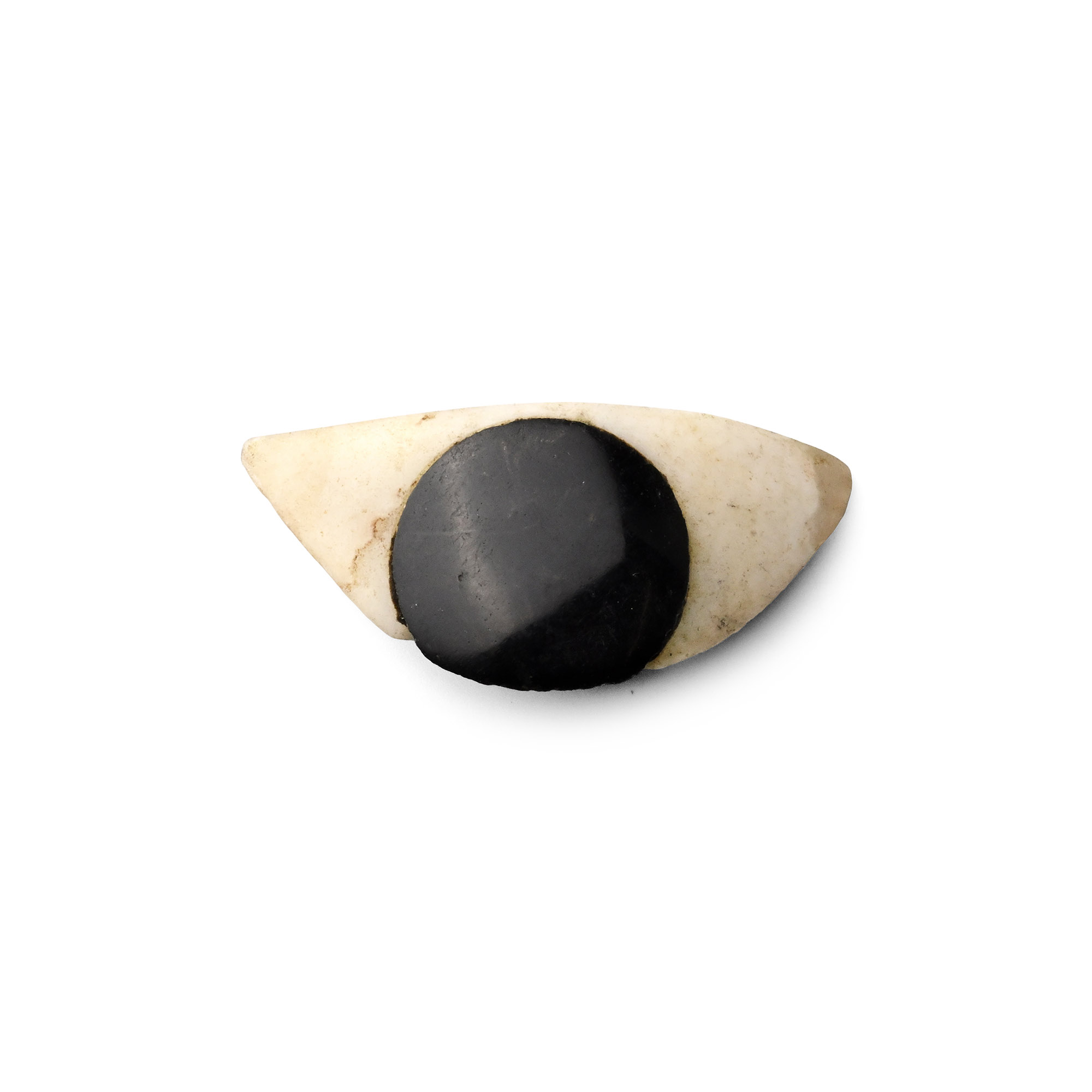
Egyptian Stone Mummy Eye
LATE PERIOD, 664-332 B.C.
1 1/2 in. (9.94 grams, 39 mm).
Carved insert for a mask, white with large inset black pupil.
ProvenanceFrom the collection of a gentleman, acquired on the London art market in the 1990s.
This lot is accompanied by an illustrated lot declaration signed by the Head of the Antiquities Department, Dr Raffaele D'Amato.
TimeLine Auctions follows a vetting process to ensure the authenticity and legality of all items, reinforcing our commitment to integrity and responsible trading. Each antiquity, antique, and coin lot undergoes thorough examination by a vetting committee of at least ten external specialists, professional trade association members, scientists, and archaeologists: Our Vetting Process
AUCTIONS:
TimeLine is a leading auction house specialising in antiquities, ancient art, collectables, natural history, coins, medals, and books. Our auctions offer museums, collectors, historians, and enthusiasts the opportunity to acquire unique and historically significant pieces.
-
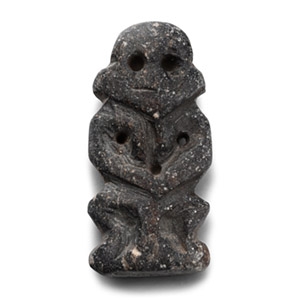
Egyptian Black Serpentine Pataikos Amulet
Late Period, 664-332 B.C. or laterSold for (Inc. bp): £72
Standing nude with hands clasped to the midriff, pierced at the shoulders and with drilled eyes, pierced across the head for suspension. 7.76 grams, 35 mm
Fine condition.
Property of a London gentleman; acquired in the 1970s. From the private collection of John Meredith, acquired since the 1990s; thence by descent. This lot is accompanied by an illustrated lot declaration signed by the Head of the Antiquities Department, Dr Raffaele D'Amato.
From the New Kingdom onward, Bes became one of ancient Egypt's most popular apotropaic deities. Despite his somewhat fearsome appearance, Bes served as the patron and protector of pregnant women and children, and was also believed to shield them from snakes. -
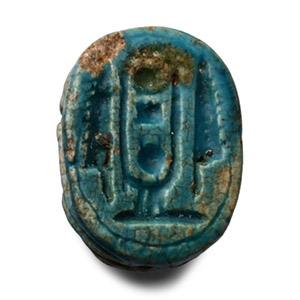
Egyptian Blue Glazed Royal Scarab for Tuthmoses III
New Kingdom, 18th Dynasty, 1479-1425 B.C.Sold for (Inc. bp): £169
With gusset and leg detailing to the sidewall, incuse design to the underside of royal cartouche flanked by feathers. 3.35 grams, 17 mm
From a Post War collection, a deceased estate. Acquired from a UK provincial auction. From the collection of G.M.R.H., London, UK. This lot is accompanied by an illustrated lot declaration signed by the Head of the Antiquities Department, Dr Raffaele D'Amato. -
.jpg)
Phoenician Amethyst Scarab
8th century B.C.Sold for (Inc. bp): £2,600
Plano-convex in section with carved carapace to upper face; two lines of Phoenician script to underside. 3.21 grams, 18 mm
Acquired in 1992. Private collection, Switzerland, thence by descent. Private collection, since the late 1990s. This lot has been checked against the Interpol Database of stolen works of art and is accompanied by a search certificate number no.12851-241685. This lot has been cleared against the Art Loss Register database, and is accompanied by an illustrated lot declaration signed by the Head of the Antiquities Department, Dr Raffaele D'Amato.
