
Loading, please wait...
LOT 0437
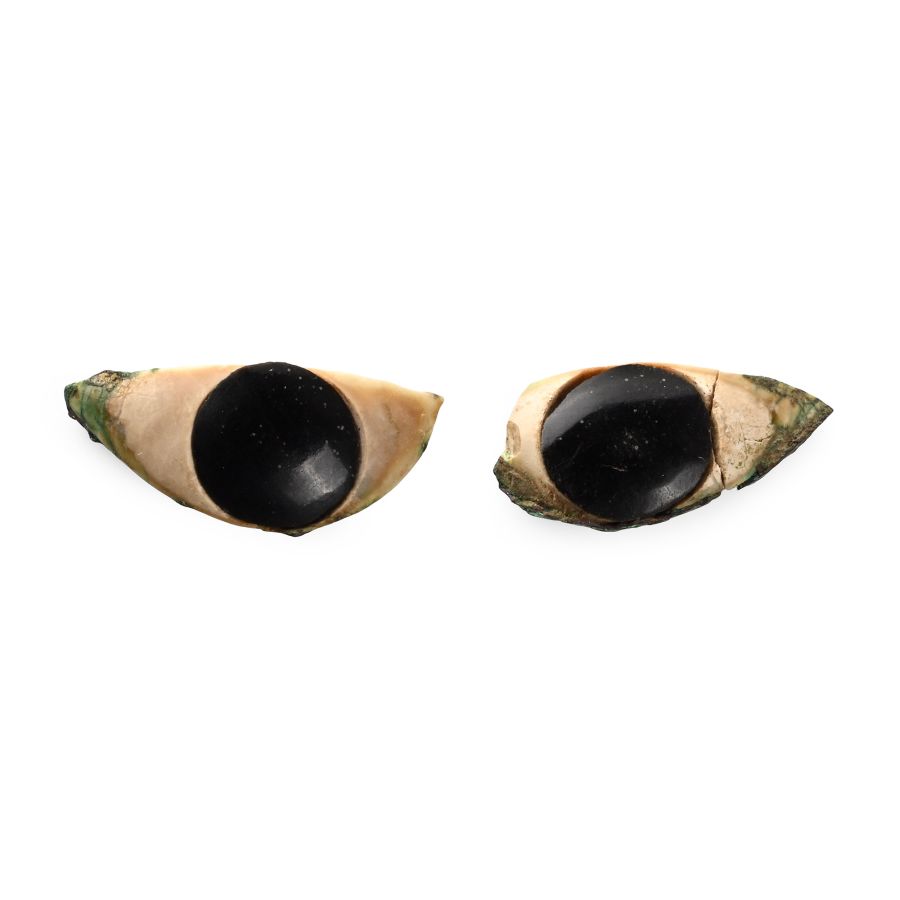
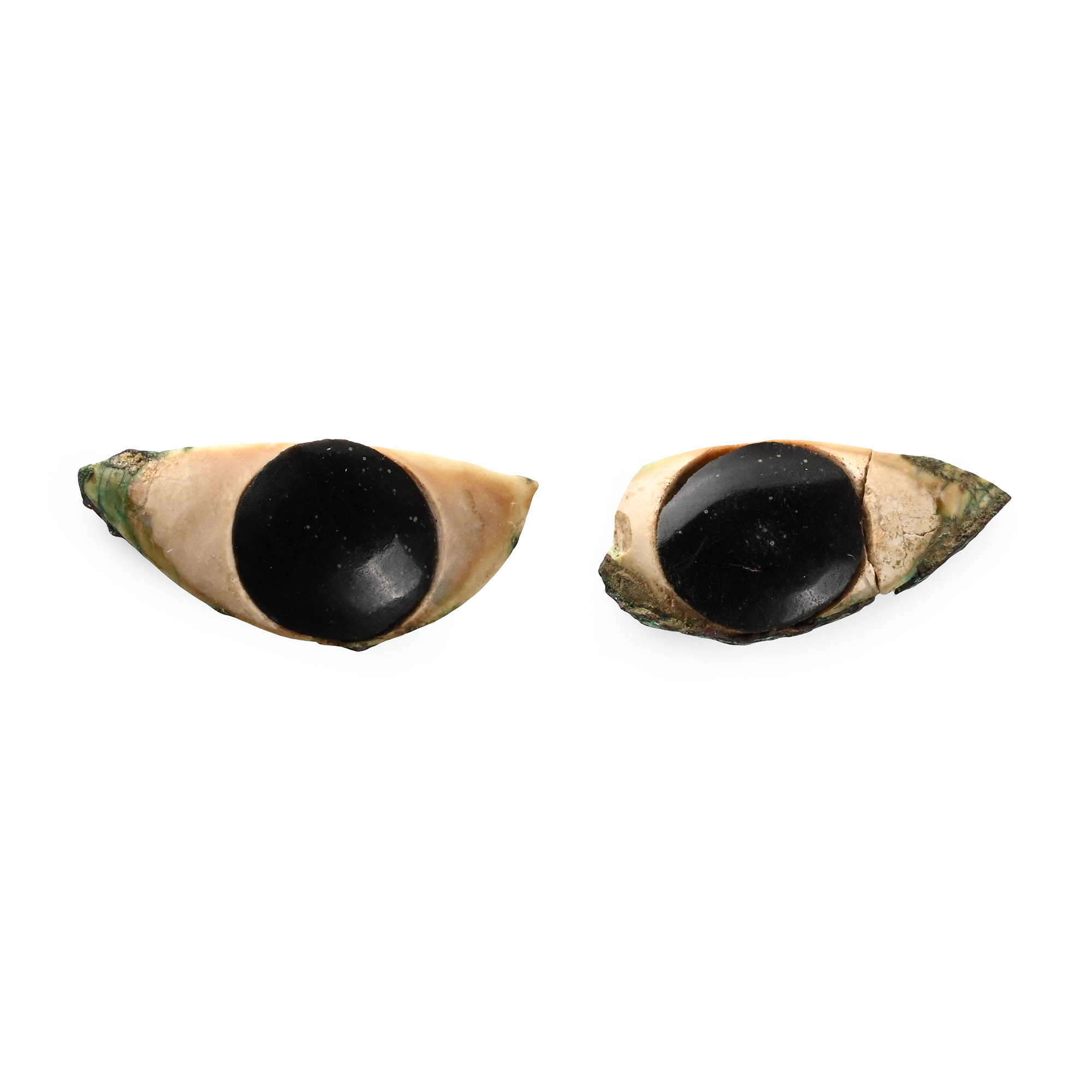
Egyptian Stone Eye Inlay Pair
PTOLEMAIC PERIOD, 332-30 B.C.
1 1/4 in. (10.5 grams total, 30-32 mm).
White stone sclera with black stone iris, green stains visible on edges from copper rims. [2, No Reserve]
ProvenanceAcquired on the UK art market, 1977-1979.
Private collection, London.
This lot is accompanied by an illustrated lot declaration signed by the Head of the Antiquities Department, Dr Raffaele D'Amato.
Egyptian coffin eye inlays were both decorative and symbolic, intended to make the coffin appear lifelike and assist the deceased in the afterlife. Typically, they featured a white sclera (glass, alabaster or quartz), a dark iris (glass or often obsidian), and sometimes red paint at the inner corner. The eyes were often set in bronze or copper frames, occasionally with faience or bronze eyebrows.
CONDITIONTimeLine Auctions follows a vetting process to ensure the authenticity and legality of all items, reinforcing our commitment to integrity and responsible trading. Each antiquity, antique, and coin lot undergoes thorough examination by a vetting committee of at least ten external specialists, professional trade association members, scientists, and archaeologists: Our Vetting Process
AUCTIONS:
TimeLine is a leading auction house specialising in antiquities, ancient art, collectables, natural history, coins, medals, and books. Our auctions offer museums, collectors, historians, and enthusiasts the opportunity to acquire unique and historically significant pieces.
-
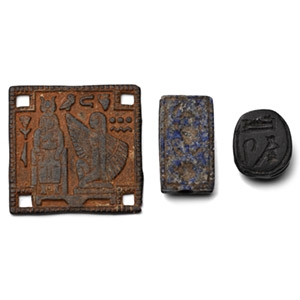
Egyptian Artefact Group
Late Period, 664-332 B.C. and laterSold for (Inc. bp): £117
Comprising: a scarab with text to underside; a plano-convex section bead; a bifacial square plaque with worship scene and hieroglyphs to each face, after the antique. 8.16 grams total, 13-25 mm
From the collection of a gentleman, acquired on the London art market in the 1990s. This lot is accompanied by an illustrated lot declaration signed by the Head of the Antiquities Department, Dr Raffaele D'Amato. -
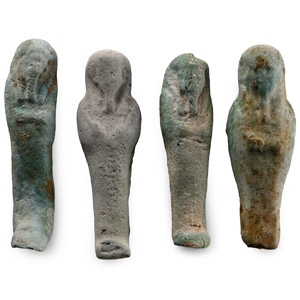
Egyptian Faience Shabti Collection
Ptolemaic Period, 332-30 B.C.Sold for (Inc. bp): £312
Comprising four mummiform shabtis with worn detail, three blue-glazed. 38.5 grams total, 60-65 mm
Acquired on the UK art market before 2000. Property of an Essex, UK, gentleman. This lot is accompanied by an illustrated lot declaration signed by the Head of the Antiquities Department, Dr Raffaele D'Amato. -
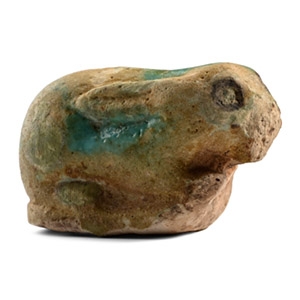
Egyptian Faience Hare Statuette
Ptolemaic Period, 332-30 B.C.Sold for (Inc. bp): £130
Modelled in the round in crouching position with its ears pulled back and resting along the body, black detailing to the eyes. 25 grams, 44 mm
Private collection of Mr K.A., acquired in the 1990s-early 2000s. This lot is accompanied by an illustrated lot declaration signed by the Head of the Antiquities Department, Dr Raffaele D'Amato.
The desert hare was one of the most common wild animals in Egypt. The female hare was sacred to Wenut, goddess of the 15th Upper Egyptian nome, though no specific hare cults are known. The purpose of hare figurines remains uncertain. According to Plutarch, Egyptians regarded the hare’s speed and keen senses—reflected in its open eyes—as divine.
