
Loading, please wait...
LOT 0509
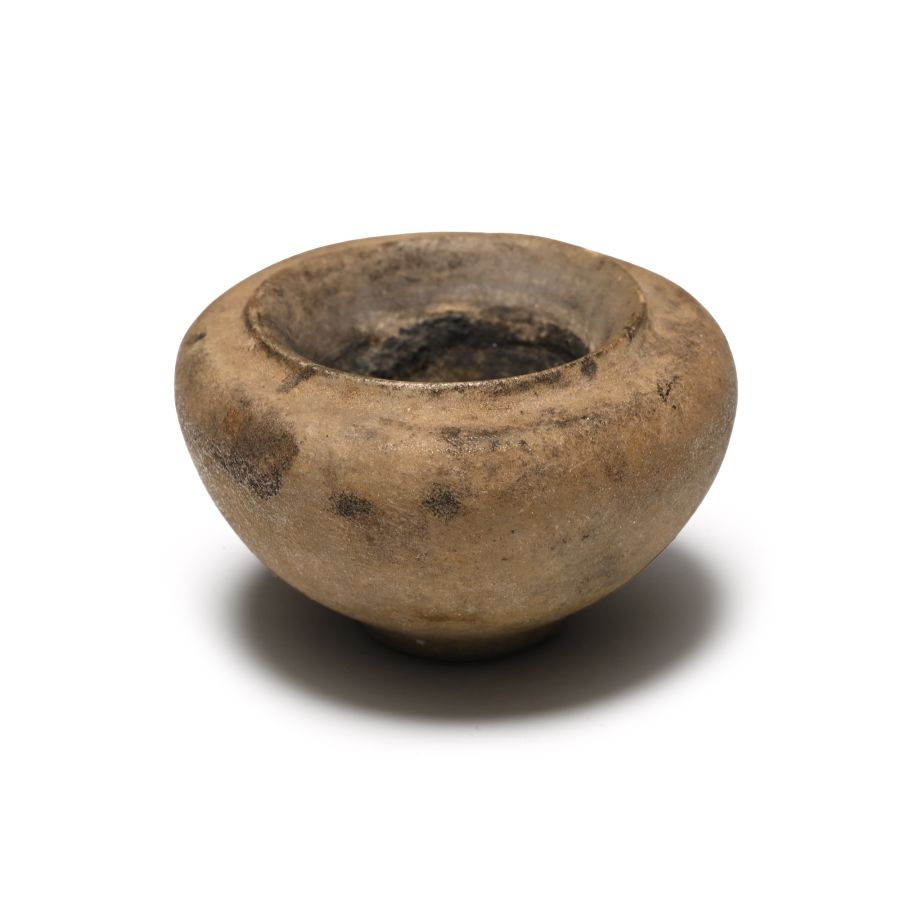
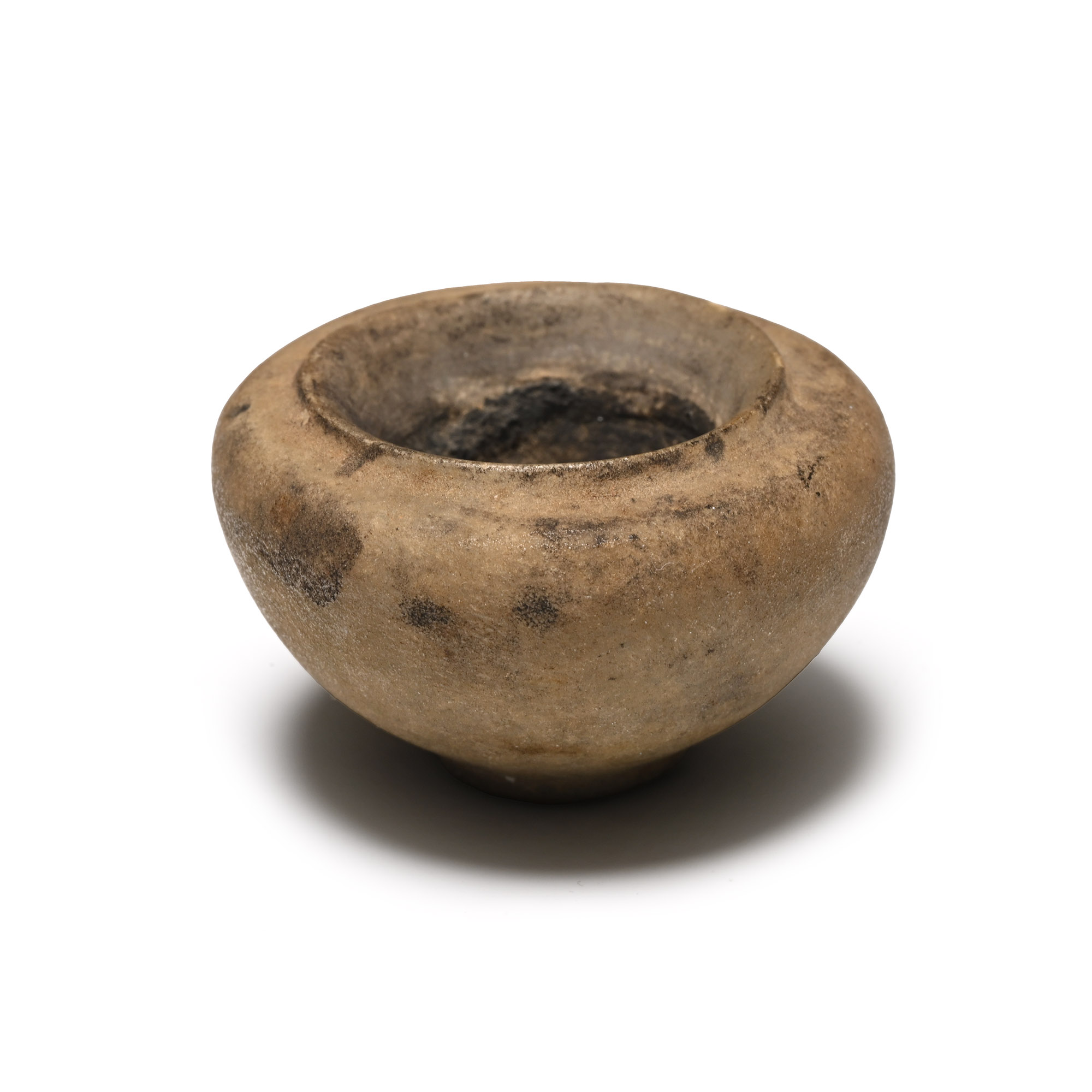
Egyptian Stone Bowl
1ST MILLENNIUM B.C.
1 1/4 in. (28.8 grams, 33 mm).
Miniature bowl with raised rim and disc base. [No Reserve]
ProvenanceCollection of Julien Bessonneau (1842–1916), France, thence by descent.
Jean-Pierre Léveilley, Angers, acquired from the beneficiaries of the above collection in the 1970s–1980s.
TimeLine Auctions follows a vetting process to ensure the authenticity and legality of all items, reinforcing our commitment to integrity and responsible trading. Each antiquity, antique, and coin lot undergoes thorough examination by a vetting committee of at least ten external specialists, professional trade association members, scientists, and archaeologists: Our Vetting Process
AUCTIONS:
TimeLine is a leading auction house specialising in antiquities, ancient art, collectables, natural history, coins, medals, and books. Our auctions offer museums, collectors, historians, and enthusiasts the opportunity to acquire unique and historically significant pieces.
-
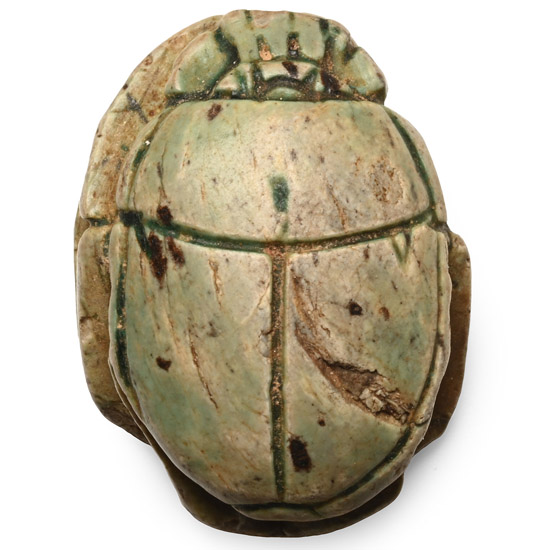
Large Egyptian Steatite Scarab with Hieroglyphs
Late Period, 664-450 B.C.Estimate: £250 - 350 (+bp*)
Opening Bid: £120
Detailed carapace and head, underside with animals and wedjat motif; pierced longitudinally. 6.65 grams, 24 mm
Mrs Allinson to Mrs Foster, 1867 and thence by descent to the current owner, Stanley Crescent, London, UK.
This scarab design has been dated to the 18th Dynasty, though originals or copies have been found at Naukratis and at other sites in the Mediterranean, dated from the 8th to the 5th centuries BC. -
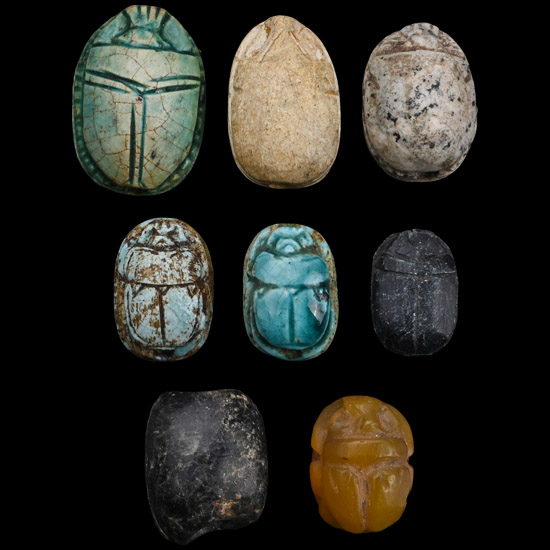
Egyptian Steatite and Other Scarab Collection
New Kingdom-Late Period, 1550-332 B.C.Sold for (Inc. bp): £585
Including carnelian, faience and other materials, some with hieroglyphs to underside. 17.1 grams total, 13-19 mm
From the collection of a gentleman, acquired on the London art market in the 1990s. -
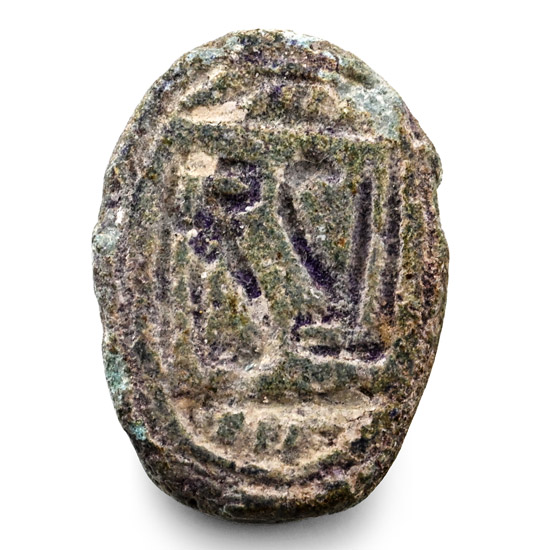
Phoenician Faience Scaraboid with Patterns
1st millennium B.C.Sold for (Inc. bp): £33
Anatomical detailing on the body and symbols on the underside. 0.9 grams, 15 mm
From a late Warwickshire numismatic collector, his collection formed from the early 1980s.
