
Loading, please wait...


LOT 0399
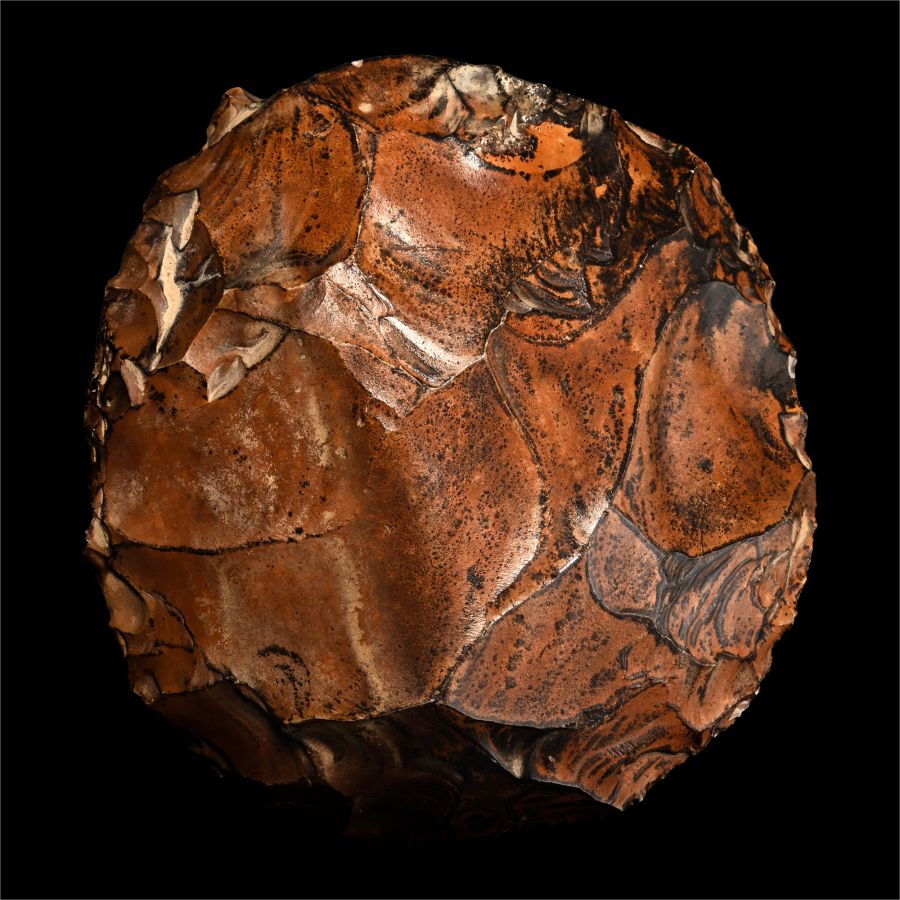
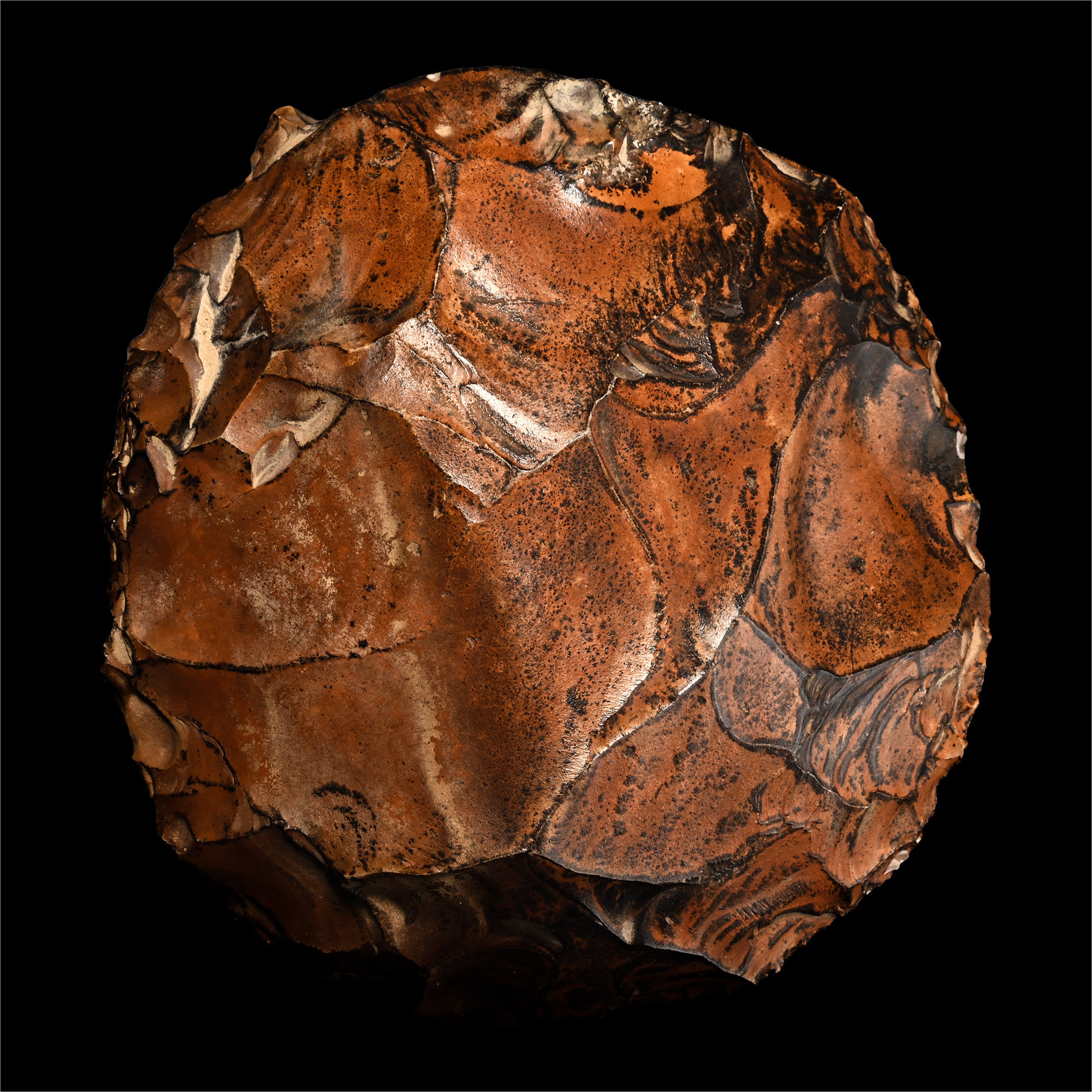
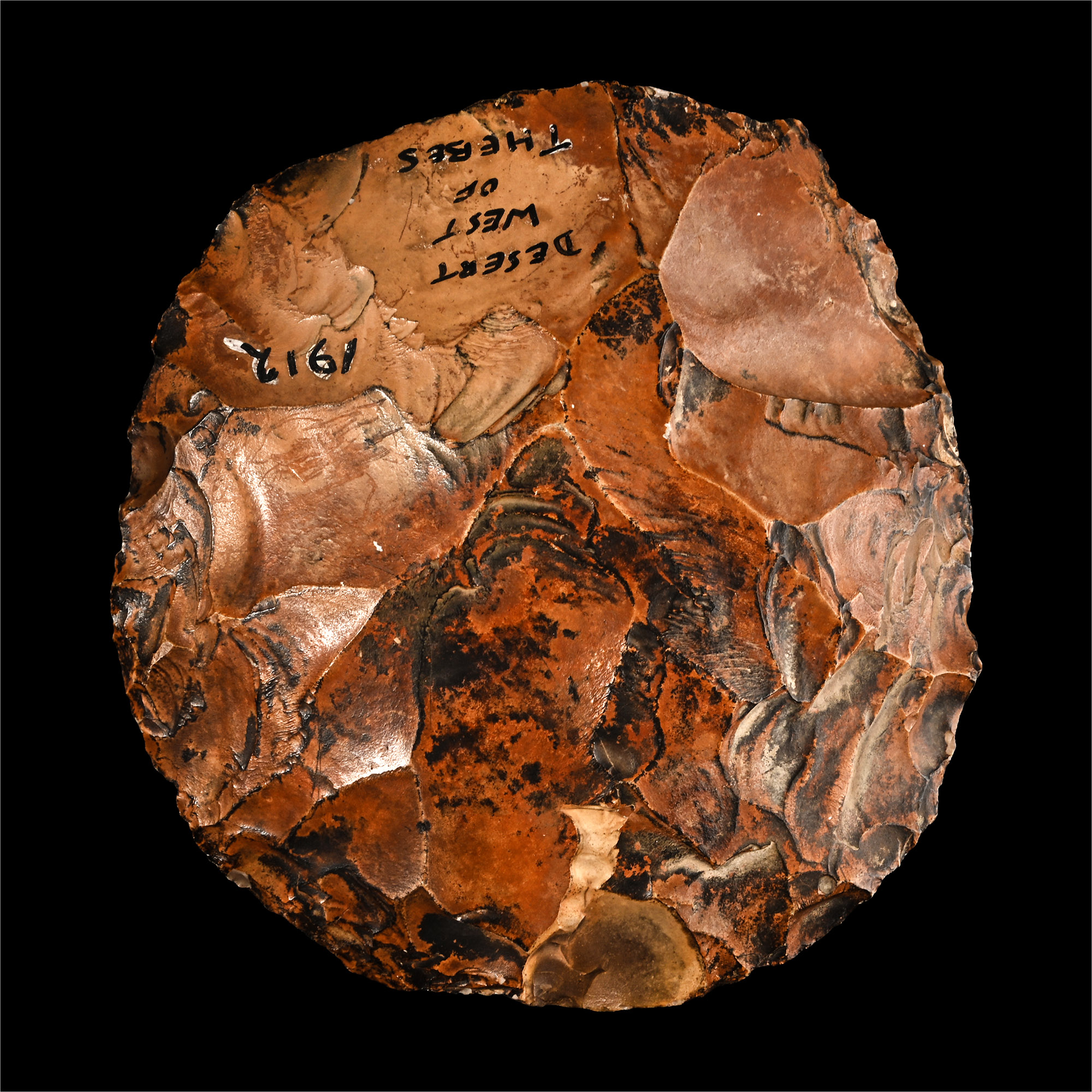
Egyptian Stone Age Knapped Ovate Hand Axe from Thebes
LOWER PALAEOLITHIC PERIOD, CIRCA 40,000-35,000 B.P.
4 1/8 in. (385 grams, 10.4 cm).
Biconvex in profile with inked findspot to the butt: 'Desert West of Thebes 1912'. [No Reserve]
ProvenanceFound in the desert west of Thebes, Egypt, 1912.
Acquired from Sotheby's, 16 June 1959 (part), £4.10.
From the private collection of Peter Clayton, FCILIP, Dip, Arch, FSA, FRNS, Hemel Hempstead, Hertfordshire, UK; formed since the late 1950s.
Accompanied by a copy of an old handwritten identification card written by Peter Clayton.
TimeLine Auctions follows a vetting process to ensure the authenticity and legality of all items, reinforcing our commitment to integrity and responsible trading. Each antiquity, antique, and coin lot undergoes thorough examination by a vetting committee of at least ten external specialists, professional trade association members, scientists, and archaeologists: Our Vetting Process
AUCTIONS:
TimeLine is a leading auction house specialising in antiquities, ancient art, collectables, natural history, coins, medals, and books. Our auctions offer museums, collectors, historians, and enthusiasts the opportunity to acquire unique and historically significant pieces.
LOT 0399
Egyptian Stone Age Knapped Ovate Hand Axe from Thebes
Estimate £300 - 400€350 - 460 (for guidance only)$410 - 540 (for guidance only)
-
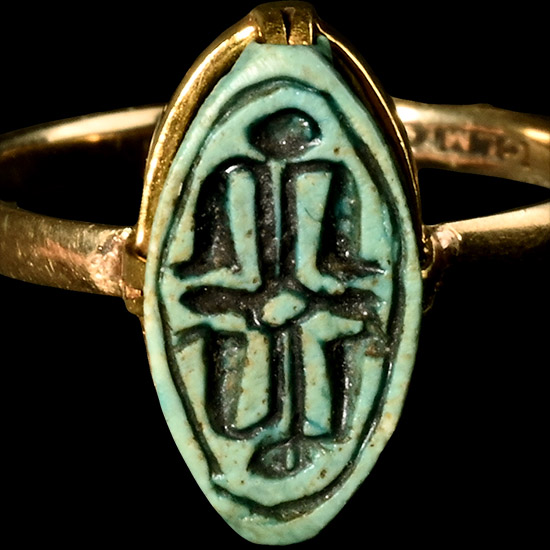
Egyptian Blue Faience Cowroid with Uraei in Gold Ring
Third Intermediate Period, 1069-860 B.C.Estimate: £500 - 700 (+bp*)
Opening Bid: £250
Slender, lentoid form with a finely striated edge design; the main motif comprises four outward-facing uraei, one in each quadrant, with a sun disc at each end, mounted in a modern gold ring. 2.33 grams, 22.62 mm overall, 16.76 mm internal diameter (approximate size British M, USA 6, Europe 12.46, Japan 12)
Private collection, London. -
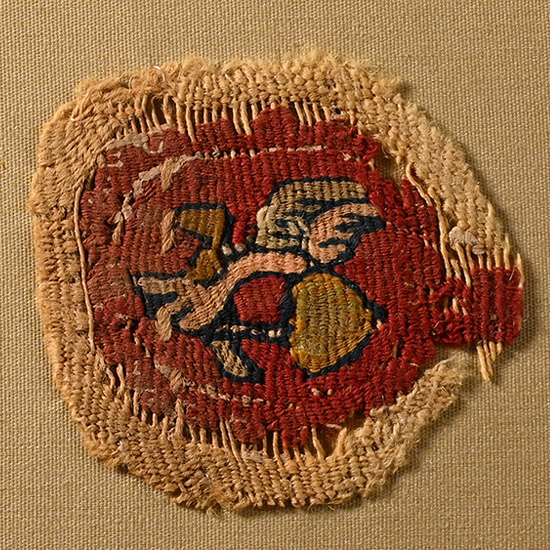
Egyptian Mounted Coptic Textile Terminal Fragment of a Clavus with Putto
Circa 6th century A.D.Estimate: £50 - 70 (+bp*)
Bids: 1 | Current Bid: £5
With a putto flying over a red woven surface, in red, green, and yellow wool, S-twist tapestry. 26 grams total, 52 mm
Acquired 1970s-1996. Property of a North American collector. London collection, 2016.
Among the many fragments of wool tunics, there are several long strips that match to form a nearly full-length central pectoral clavi. They were patterned with a profusion of small figures like this flying putto, kept in one orbiculus (round embroidery), forming the finial of a clavus. -
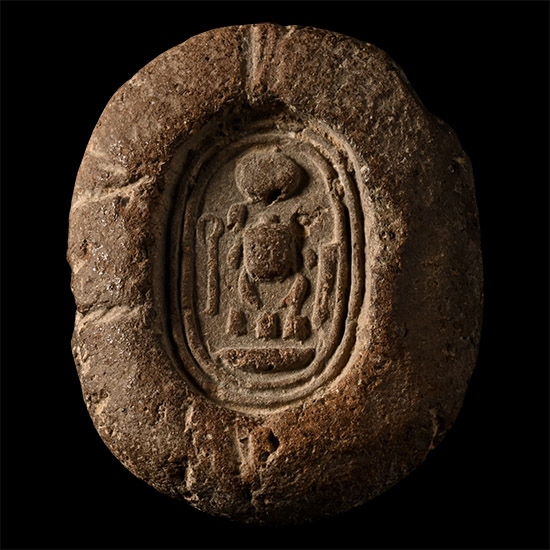
Egyptian Terracotta Mould with Impression of the Cartouche of Pharaoh Tutankhamun
New Kingdom, 18th Dynasty, circa 1342-1323 B.C.Estimate: £500 - 700 (+bp*)
Bids: 10 | Current Bid: £470
Ellipsoid in plan with an impressed cartouche for 'Tutankhamun, ruler of Hermonthis'. 6.5 grams, 29 mm
Acquired Caledonian market, November 1958, for 2 shillings and sixpence. From the private collection of Peter Clayton, FCILIP, Dip, Arch, FSA, FRNS, Hemel Hempstead, Hertfordshire, UK; formed since the late 1950s. Accompanied by an old handwritten information card by Peter Clayton, collection no.50.
Moulds like this were often used to produce faience ring bezels (cf. Seyfried, F. (ed.), In the Light of Amarna: 100 Years of the Nefertiti Discovery, Berlin, 2012, p. 100, fig. 2, for an example of a similar mould and a faience ring bezel for Akhenaten). Hermonthis, also known as Armant, was called ı͗wnu-šmꜤw by the ancient Egyptians and regarded as the southern counterpart to the solar temple complex at Heliopolis.
