
Loading, please wait...
LOT 0459
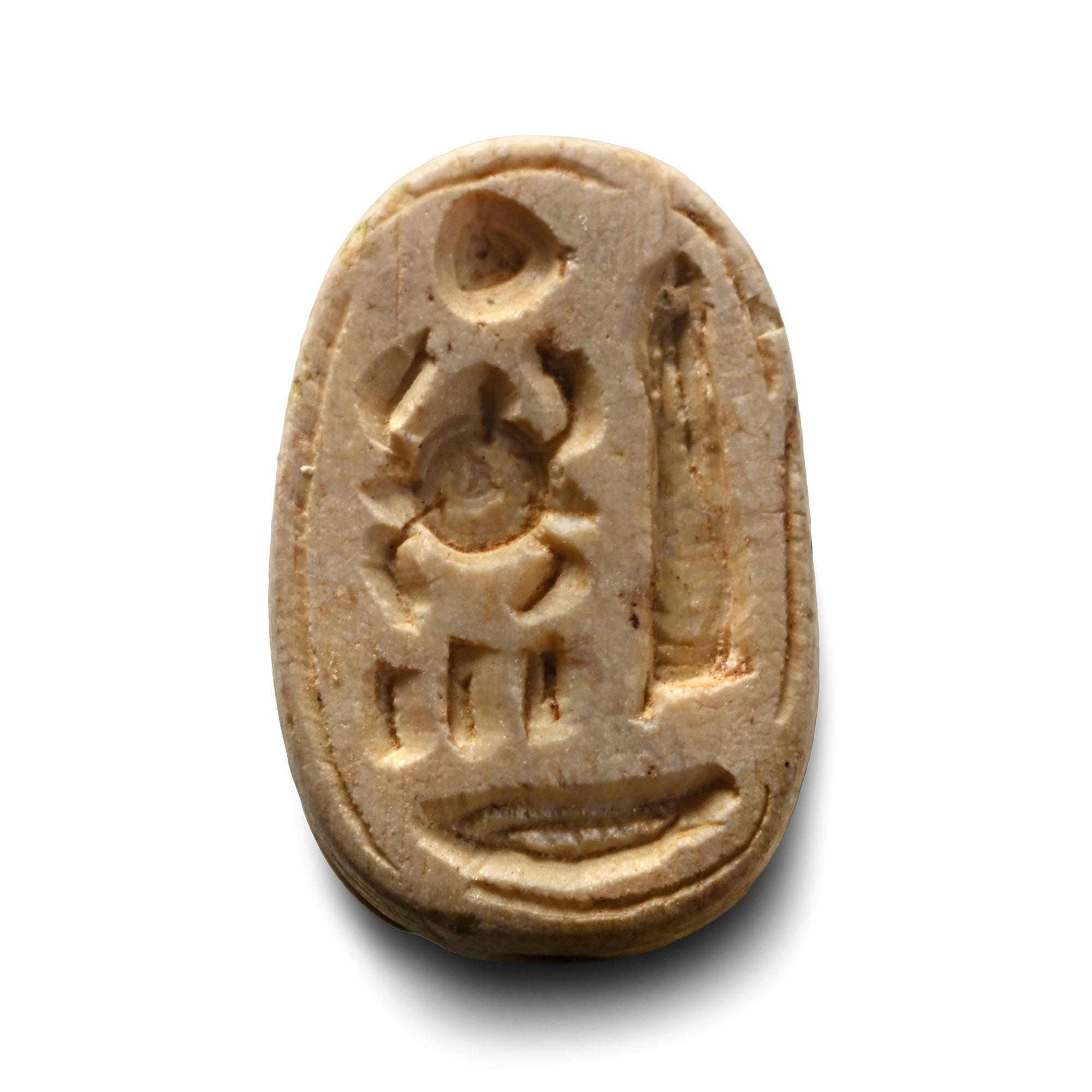
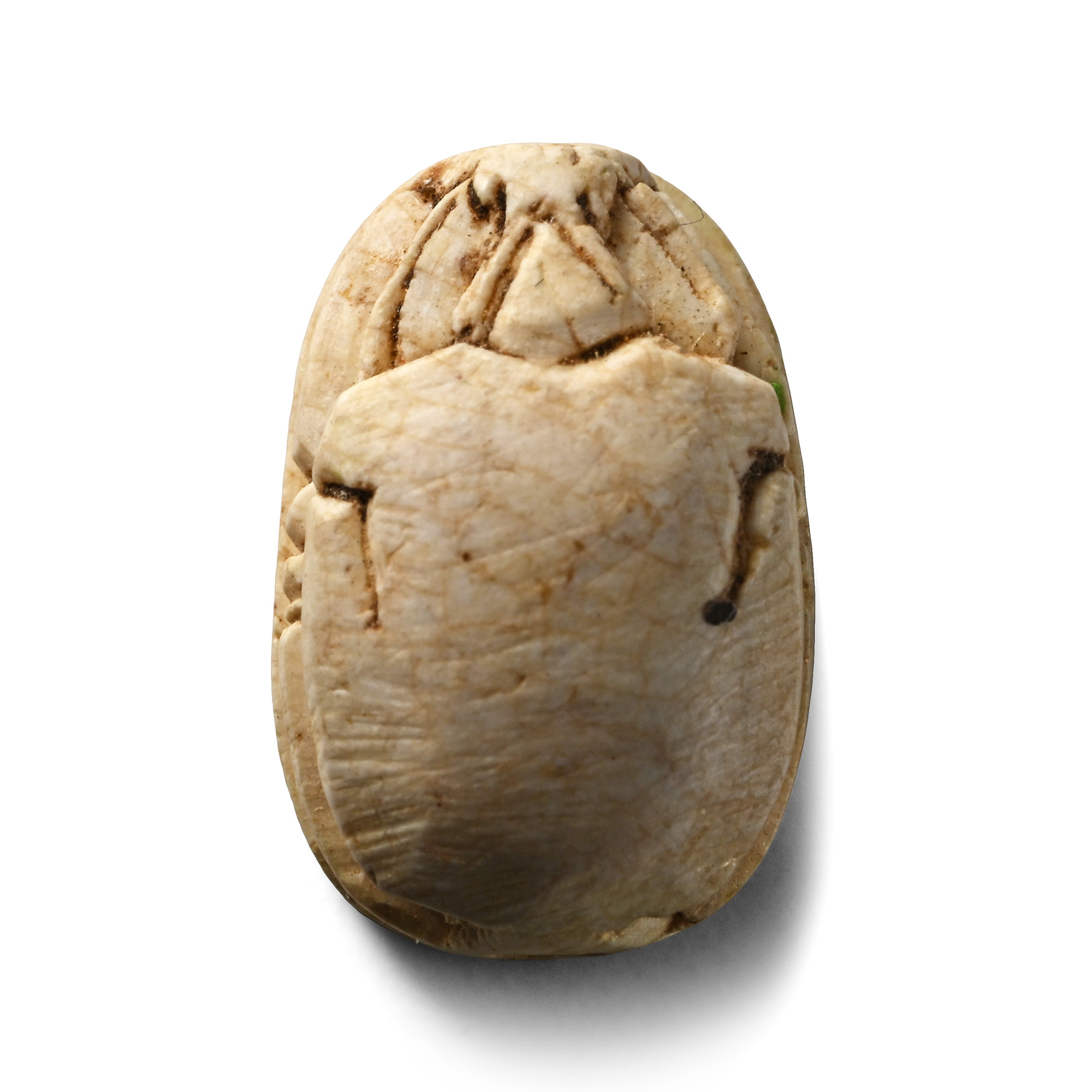
Egyptian Steatite Scarab
LATE PERIOD, 664-332 B.C.
5/8 in. (2 grams, 16 mm).
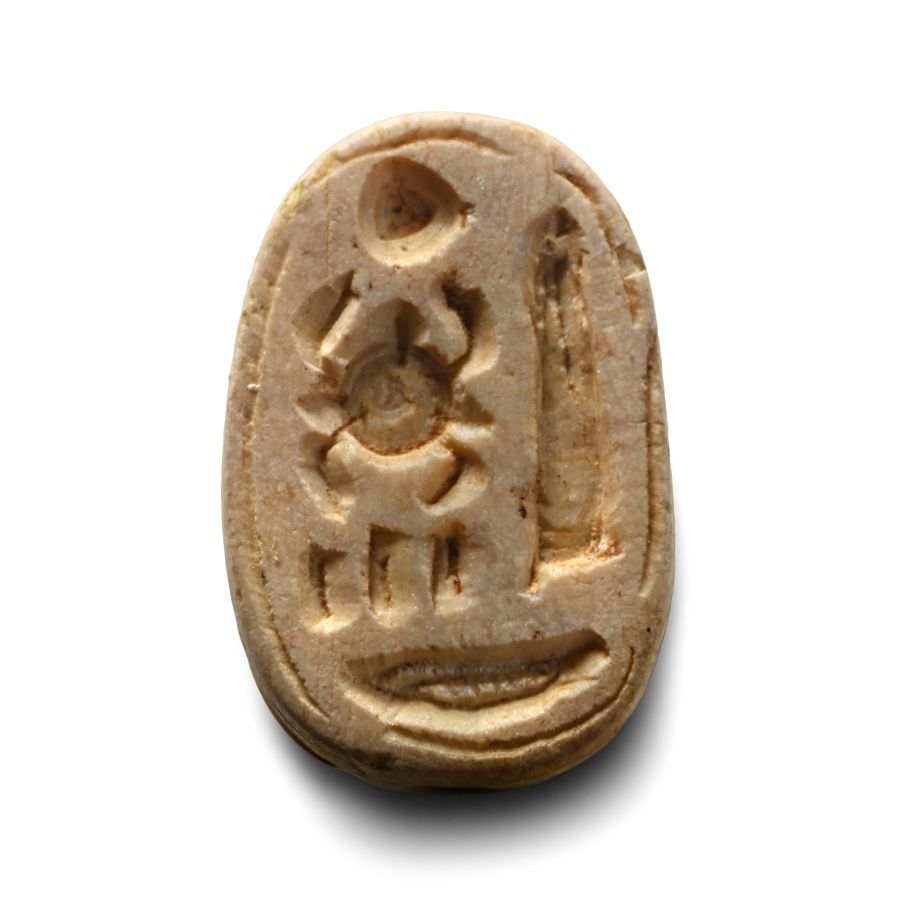
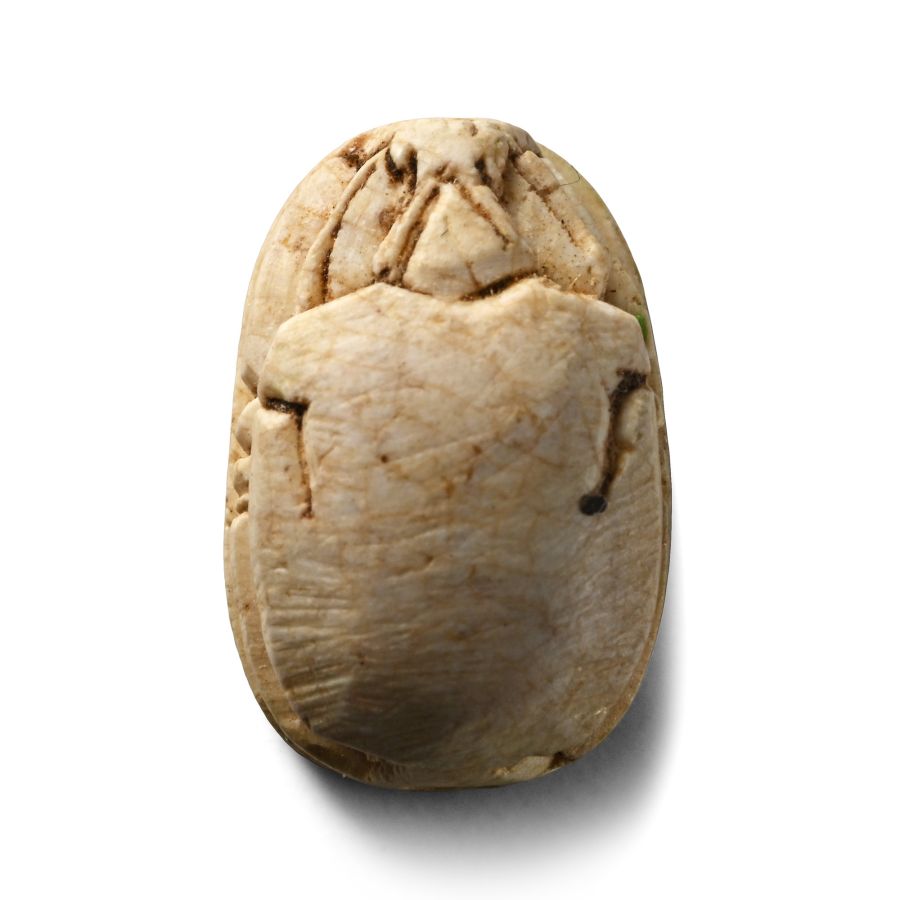
Anatomical detailing on the carapace and the body is pierced longitudinally, with five hieroglyphic signs on the underside. [No Reserve]
ProvenanceFrom the private collection of a European gentleman (1942-2024), formed since the 1970s.
FootnotesThe three hieroglyphs on the left side, together with the bottom sign, spell out the throne name of Tutankhamun (Neb-kheperu-Ra), although the long sign to the right, resembling a reed leaf or Maat feather, indicates that it may be a good luck legend, perhaps interpreted as 'True Lord of Manifestations is Ra'.
CONDITIONTimeLine Auctions follows a vetting process to ensure the authenticity and legality of all items, reinforcing our commitment to integrity and responsible trading. Each antiquity, antique, and coin lot undergoes thorough examination by a vetting committee of at least ten external specialists, professional trade association members, scientists, and archaeologists: Our Vetting Process
AUCTIONS:
TimeLine is a leading auction house specialising in antiquities, ancient art, collectables, natural history, coins, medals, and books. Our auctions offer museums, collectors, historians, and enthusiasts the opportunity to acquire unique and historically significant pieces.
-
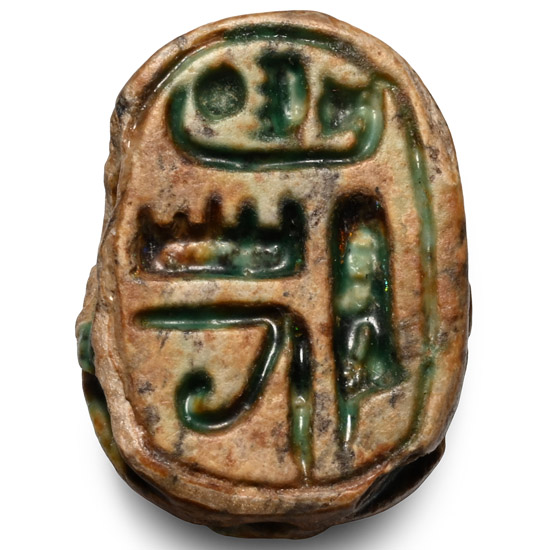
Egyptian Steatite Scarab with Cartouche of Thutmose III
New Kingdom, 1504-1450 B.C. or laterSold for (Inc. bp): £182
Anatomical detailing on the carapace and articulated legs, underside with hieroglyphic inscription including a cartouche. 2.08 grams, 16 mm
Ex Roseberys Auctions, 2025. Private collection, London, UK. -
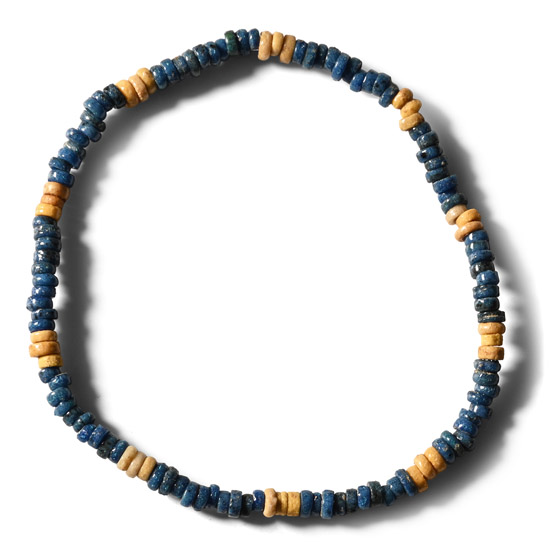
Egyptian Faience Mummy Bead Bracelet
Late Period, 664-332 B.C.Sold for (Inc. bp): £143
Composed of alternating blue and cream annular beads, restrung with an elasticated string. 2.18 grams, 18 cm
Ex Ancient Art Shop, Windsor, UK, 1990s. Ex private collection. -
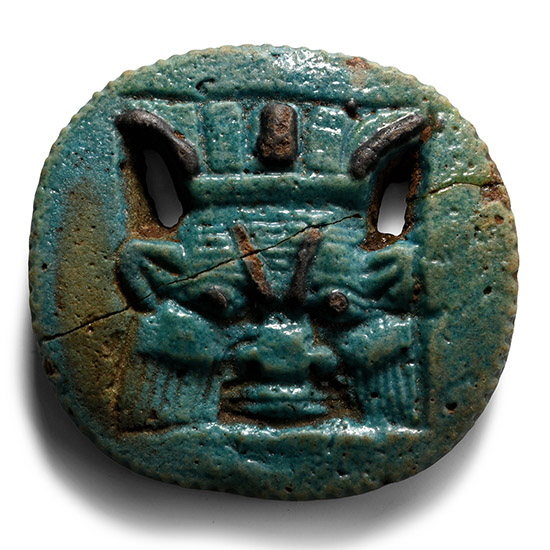
Egyptian Faience Amuletic Bes Plaque
Late Period, 664-332 B.C.Estimate: £1,500 - 2,000 (+bp*)
Current Winning Bid: £750
Oval plaque with ribbed outer edge, central depiction of the typically grimacing face of Bes wearing a feathered headdress. 23.8 grams, 52 mm
From an early 20th century collection.
From the New Kingdom onward, Bes became one of ancient Egypt's most popular apotropaic deities. Despite his somewhat fearsome appearance, Bes served as the patron and protector of pregnant women and children and was also believed to shield them from snakes.
