
Loading, please wait...
LOT 0477
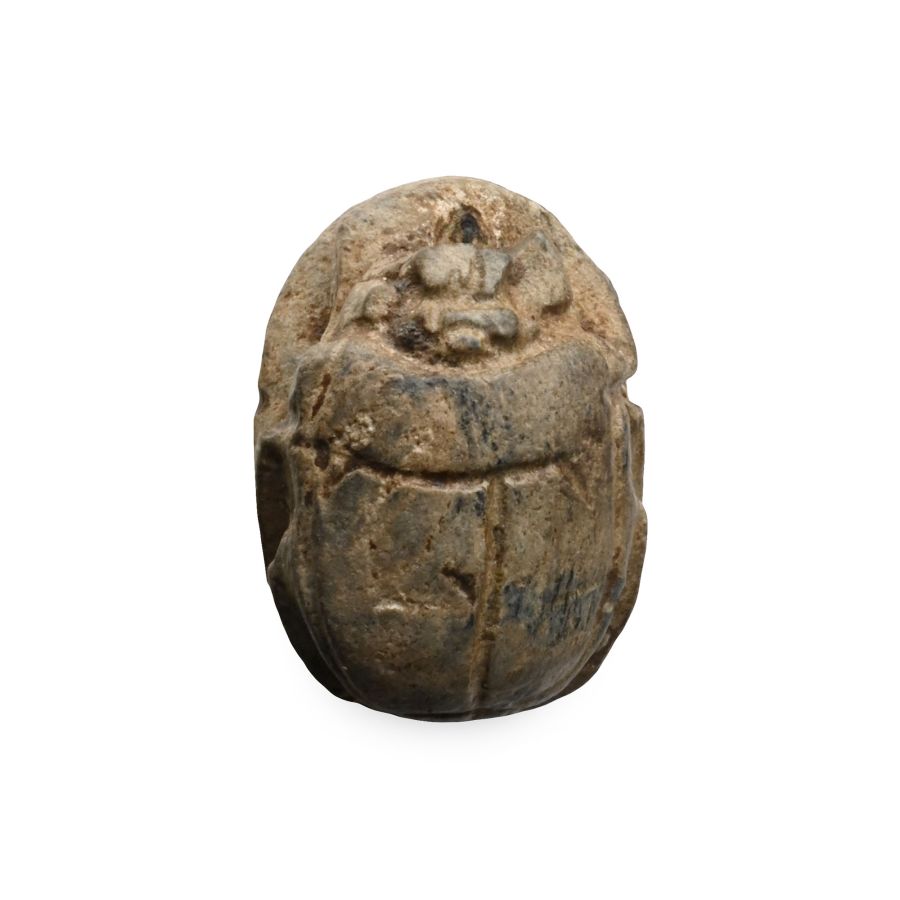
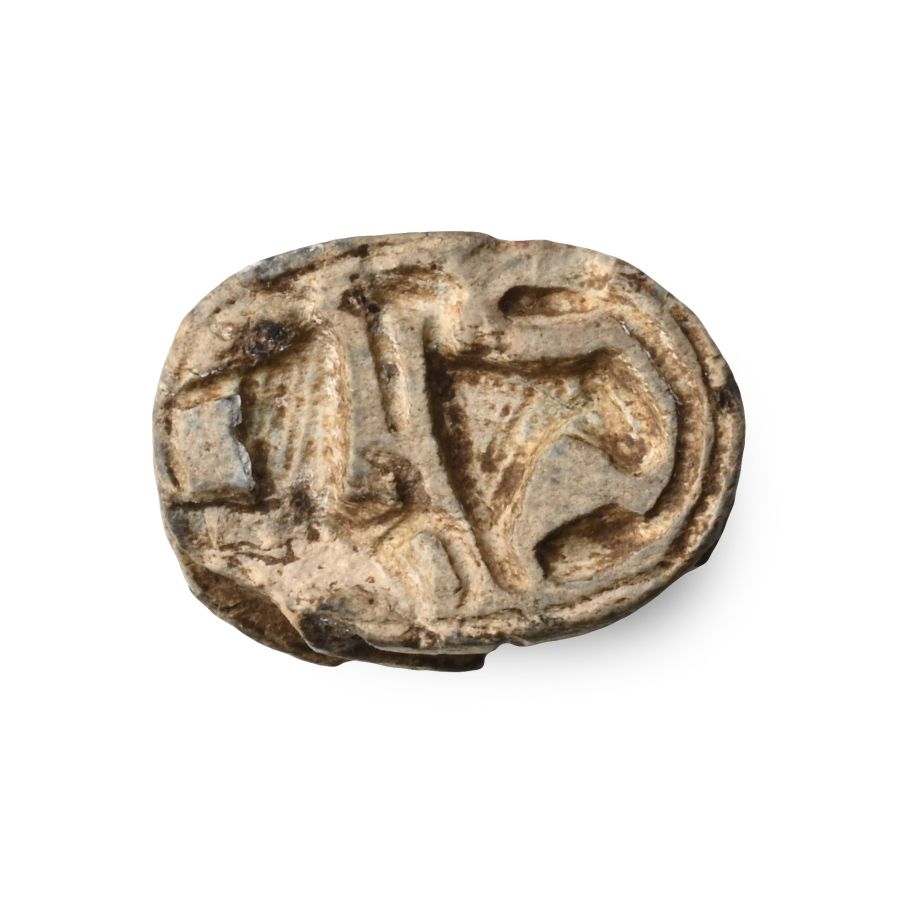
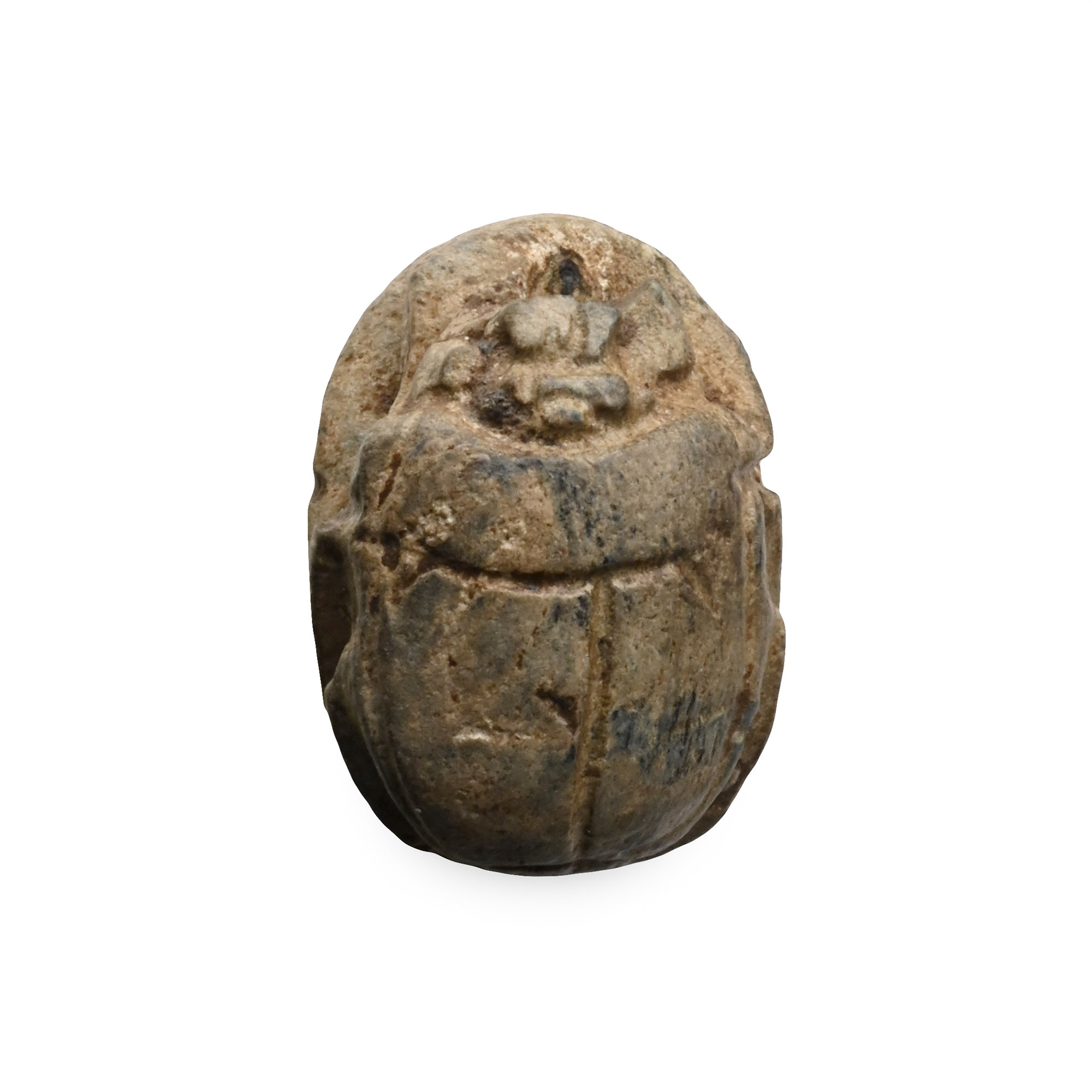
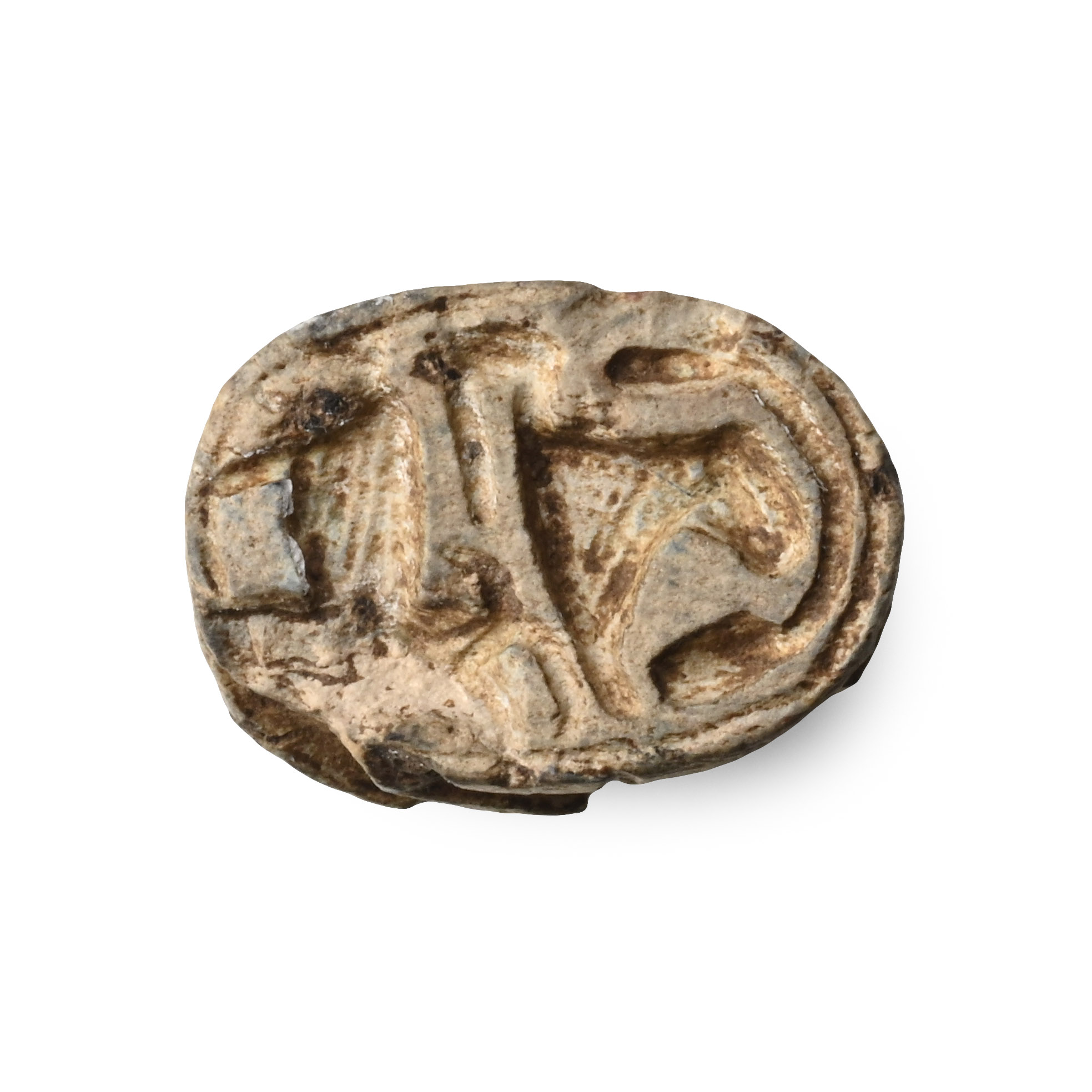
Egyptian Steatite Scarab with Lion and Stag
NEW KINGDOM, 1550-1070 B.C.
5/8 in. (2.11 grams, 16 mm).
With detailed head and carapace; underside with incuse ibex and crouching feline motifs. [No Reserve]
ProvenanceFrom an old English collection.
Ex Fellows Auctions, 31 January 2023, no.950.
Private collection, London, UK.
TimeLine Auctions follows a vetting process to ensure the authenticity and legality of all items, reinforcing our commitment to integrity and responsible trading. Each antiquity, antique, and coin lot undergoes thorough examination by a vetting committee of at least ten external specialists, professional trade association members, scientists, and archaeologists: Our Vetting Process
AUCTIONS:
TimeLine is a leading auction house specialising in antiquities, ancient art, collectables, natural history, coins, medals, and books. Our auctions offer museums, collectors, historians, and enthusiasts the opportunity to acquire unique and historically significant pieces.
-
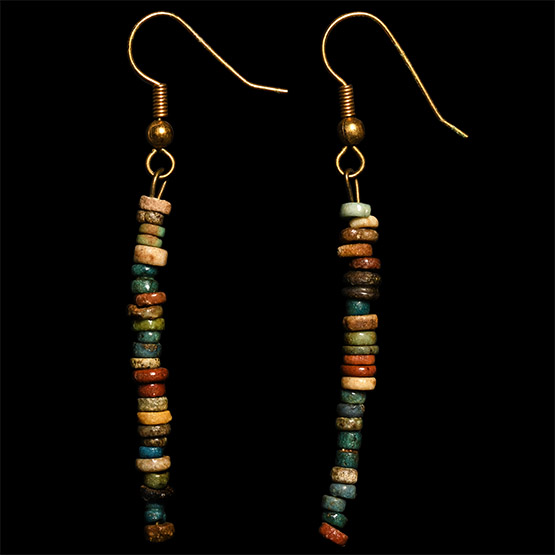
Egyptian Faience Bead Earring Pair
Late Period-Ptolemaic Period, 664-30 B.C.Sold for (Inc. bp): £104
Composed of colourful annular beads threaded to a modern bar with an earring hook. 1.99 grams total, 62 mm each
Acquired from Ancient Art, London, UK. From the collection of a Nottingham, UK, collector, established from the early 2000s. Accompanied by the original Ancient Art certificate of authenticity. -
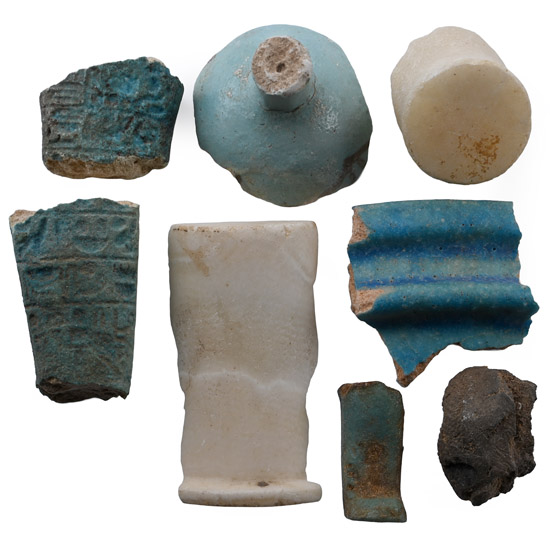
Egyptian Faience Fragment Group
Mostly Late Period, 664-332 B.C.Sold for (Inc. bp): £72
Mixed group of fragments, including two from a shabti figure. 75 grams total, 26-53 mm
From the late collection of a Cornish couple, formed from the early 1990s. -
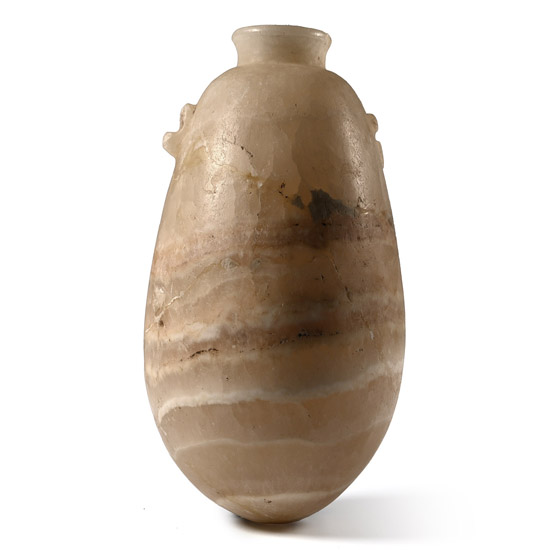
Egyptian Alabaster Alabastron
Late Period, 664-332 B.C.Estimate: £600 - 800 (‡+bp*)
Opening Bid: £300
Ovoid jar with a rounded base, concave shoulders and flared neck; remains of lug handles, restored. 332 grams, 14 cm
Acquired in the mid 1980s-1990s. Private collection, Switzerland, thence by descent. Private collection, since the late 1990s.
