
Loading, please wait...
LOT 0474
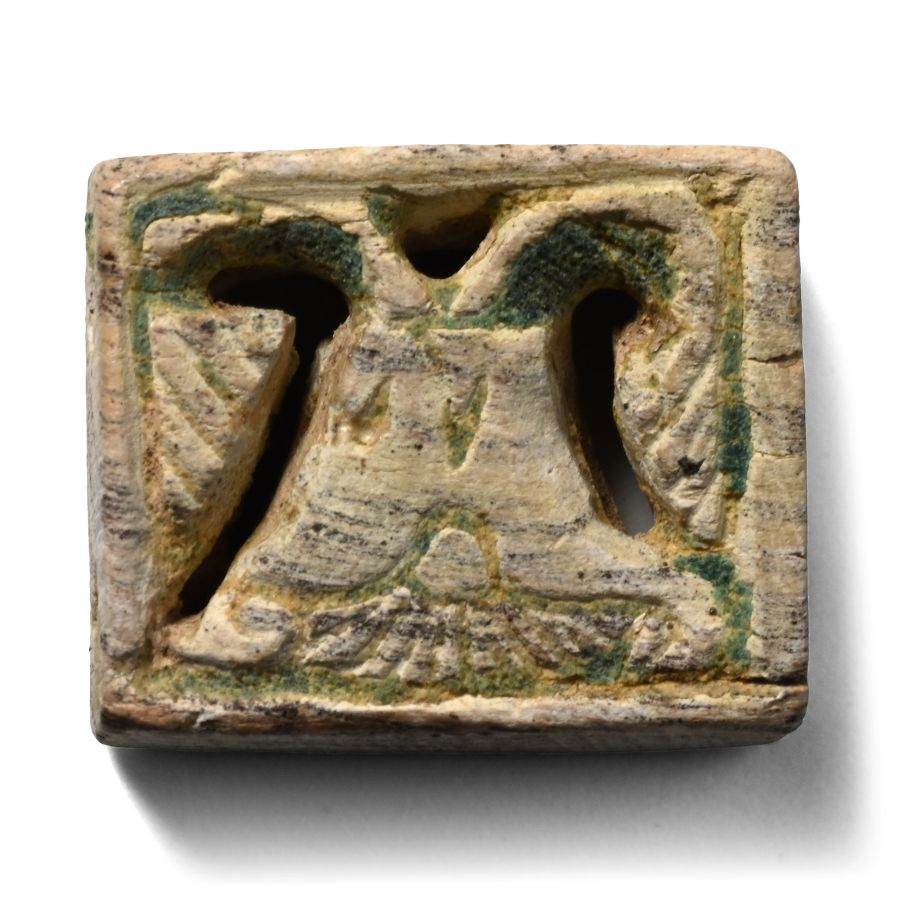
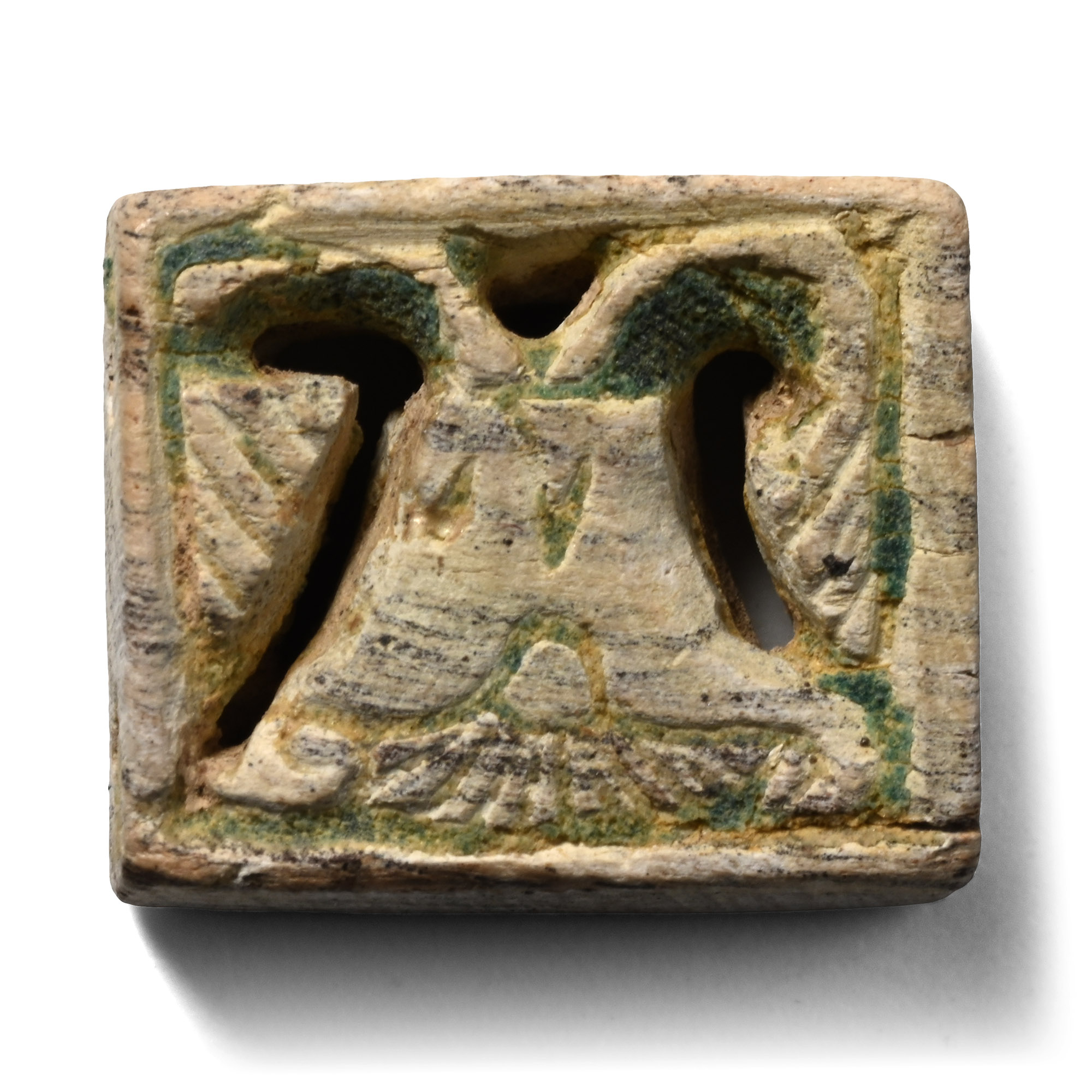
Egyptian Steatite Plaque Amulet with Lotus
LATE PERIOD, 664-332 B.C.
1/2 in. (1.77 grams, 14 mm).
Rectangular openwork plaque with two blooming lotus flowers, one on each side, pierced twice for suspension.
ProvenanceFrom an early 20th century UK collection.
Accompanied by a previously illustrated catalogue card with provenance.
TimeLine Auctions follows a vetting process to ensure the authenticity and legality of all items, reinforcing our commitment to integrity and responsible trading. Each antiquity, antique, and coin lot undergoes thorough examination by a vetting committee of at least ten external specialists, professional trade association members, scientists, and archaeologists: Our Vetting Process
AUCTIONS:
TimeLine is a leading auction house specialising in antiquities, ancient art, collectables, natural history, coins, medals, and books. Our auctions offer museums, collectors, historians, and enthusiasts the opportunity to acquire unique and historically significant pieces.
LOT 0474
Egyptian Steatite Plaque Amulet with Lotus
Estimate £100 - 140€120 - 160 (for guidance only)$140 - 190 (for guidance only)
-
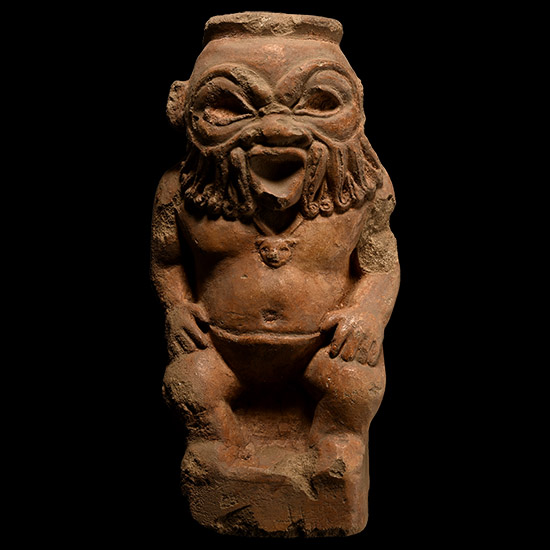
Egypto-Roman Seated Limestone Statuette of Bes
Ptolemaic-Roman Period, circa 332 B.C.-300 A.D.Estimate: £2,000 - 3,000 (+bp*)
Current Winning Bid: £1,000
Modelled in the round in a crouching pose on a rectangular base; the beard modelled in hanks with curled ends, the eyes recessed to accept inserts, mouth gaping; animal head amulet on the chest suspended on a cord; socket to reverse; chipped. 942 grams, 18.5 cm
Bonhams, London, 4 July 1995, no.36. Private collection, New York, USA. This lot has been checked against the Interpol Database of stolen works of art and is accompanied by search certificate number no.13294-255443.
From the New Kingdom onwards, Bes became one of ancient Egypt's most popular apotropaic deities. Despite his somewhat fearsome appearance, Bes served as the patron and protector of pregnant women and children and was also believed to shield them from snakes. -
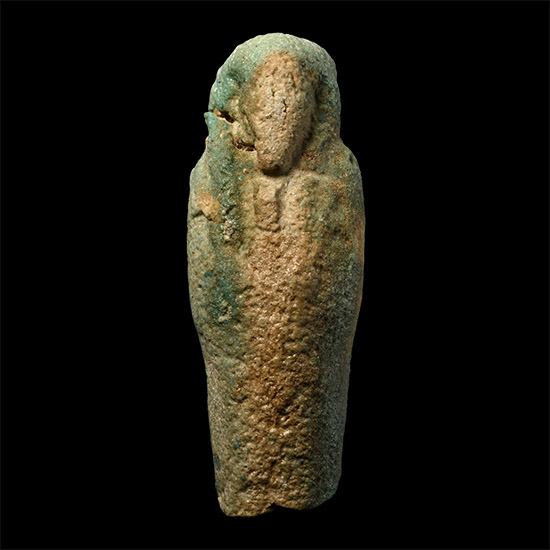
Egyptian Faience Shabti
Late Period, 664-332 B.C.Sold for (Inc. bp): £59
Plano-convex in section with moulded piriform face and wig, tools in the crossed hands, accompanied by an old handwritten note 'faience. Ceramic composed of crushed quartz or quartz sand with small amounts of lime and plant ash or naron. Coated with a bright blue or green glaze or soda[...]' and to verso 'Late period 700-400 BC Ex Margaret Seton-Jones from Flinders Petrie'. 10.5 grams, 49 mm
Ex Margaret Seton-Jones from Flinders Petrie. From the private collection of a Canadian gentleman living in Essex, UK, formed since the 1920s-circa 1990. Property of an Essex lady until the late 1990s; thence by descent. From the private collection of an Essex gentleman since the late 1990s. Accompanied by a handwritten slip with description and provenance. -
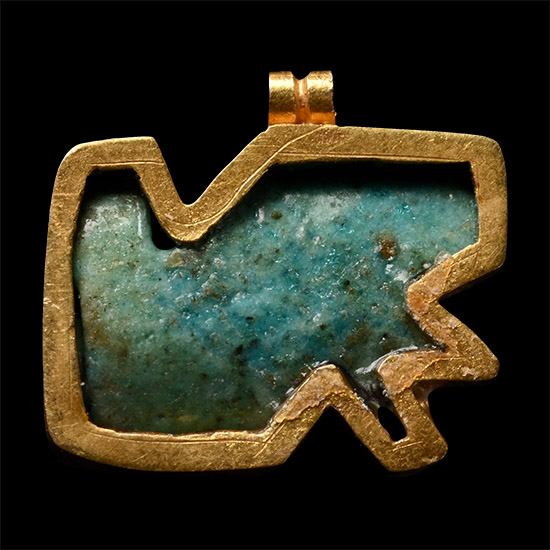
Egyptian Faience Eye of Horus in Gold Pendant
Late Period, 664-332 B.C. and laterSold for (Inc. bp): £124
Comprising a turquoise-glazed wedjat amulet set in a 14-carat gold pendant mount. 1.09 grams, 14 mm
Ex important German collection, 1960-1990.
The wedjat-eye amulet (also called the Eye of Horus) became one of the most recognisable symbols in ancient Egyptian culture. It signifies protection, healing, and restoration. In myth, Horus lost his eye during his battle with Seth, and it was later magically restored, symbolising healing and the return to wholeness. The Eye of Horus came to embody divine power and protection, and was often used in amulets to safeguard and promote well-being.
