
Loading, please wait...


LOT 0404
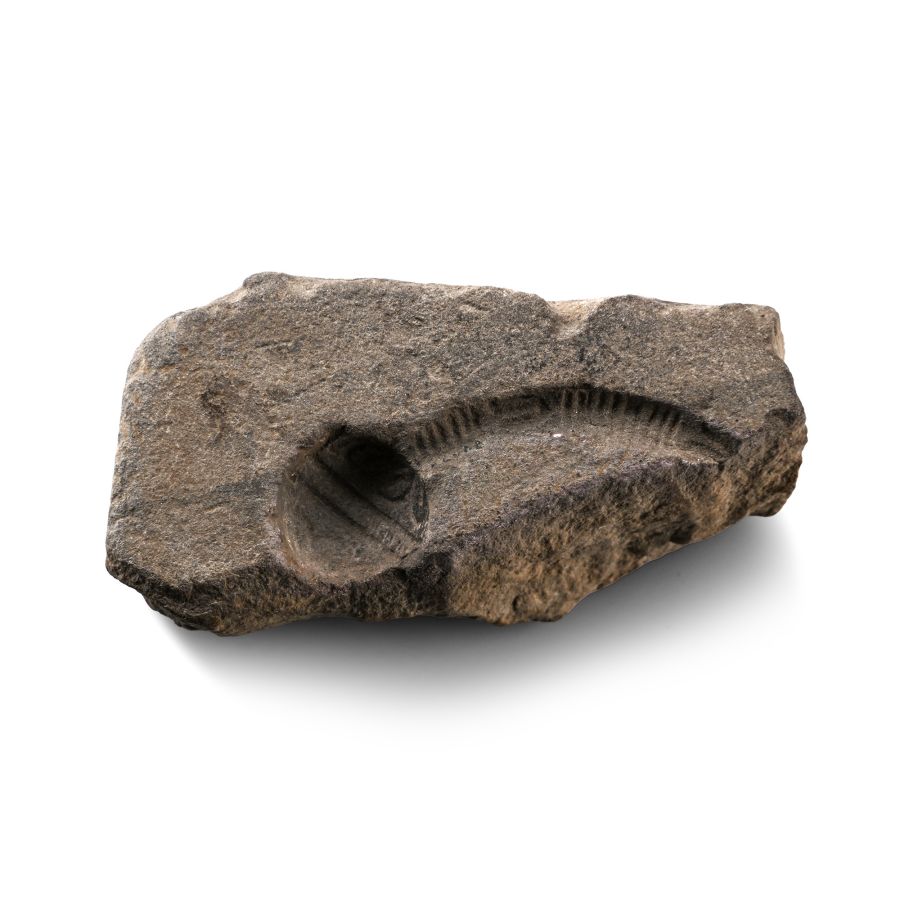
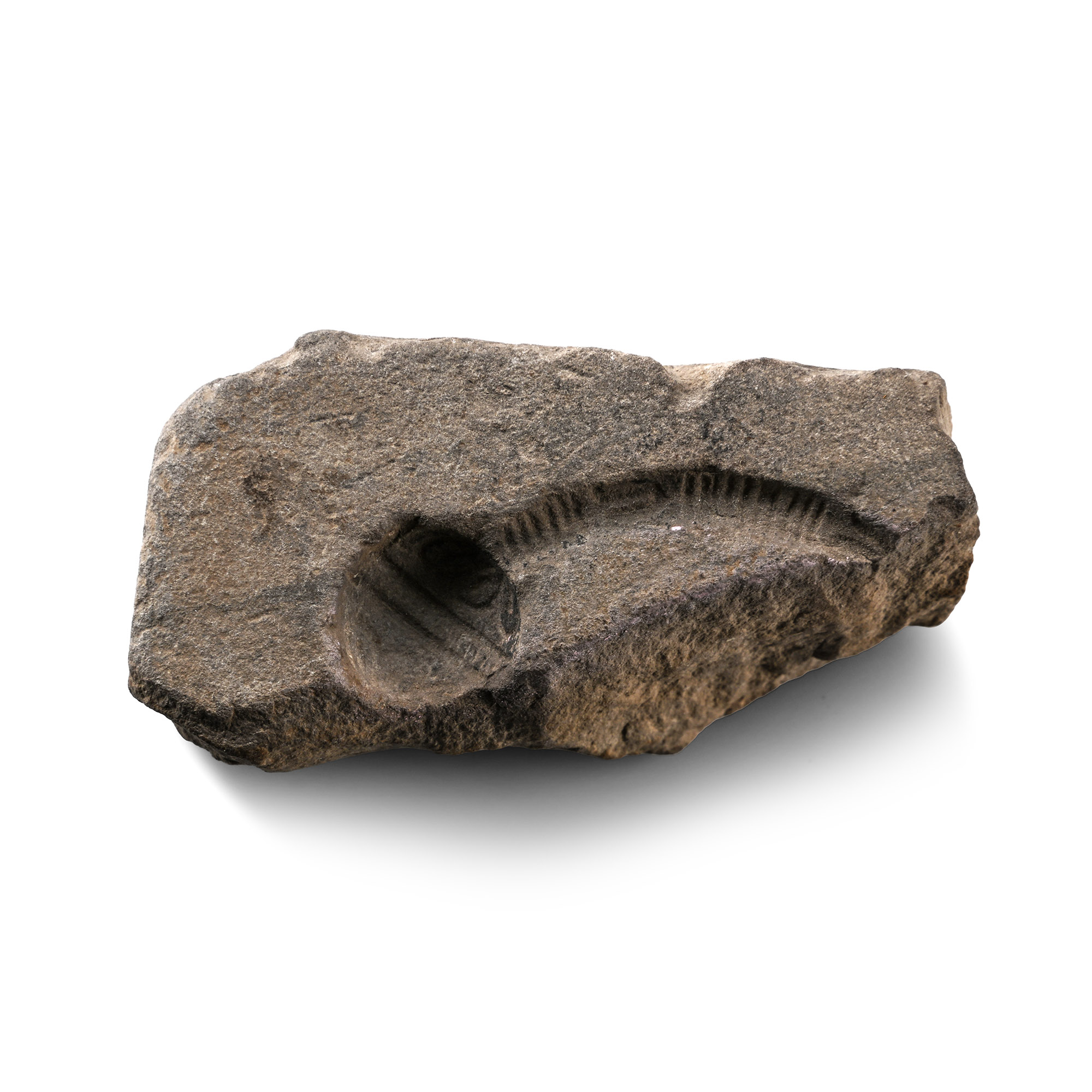
Egyptian Steatite Mould Fragment
NEW KINGDOM, 18TH DYNASTY, AMARNA PERIOD, 1379-1362 B.C.
2 1/2 in. (64 grams, 63 mm).
Irregular fragment with deep-cut design for an item of jewellery, ribbed shank ending in a sphere with rosette. [No Reserve]
ProvenanceAcquired in April 1980.
From the private collection of Peter Clayton, FCILIP, Dip, Arch, FSA, FRNS, Hemel Hempstead, Hertfordshire, UK; formed since the late 1950s.
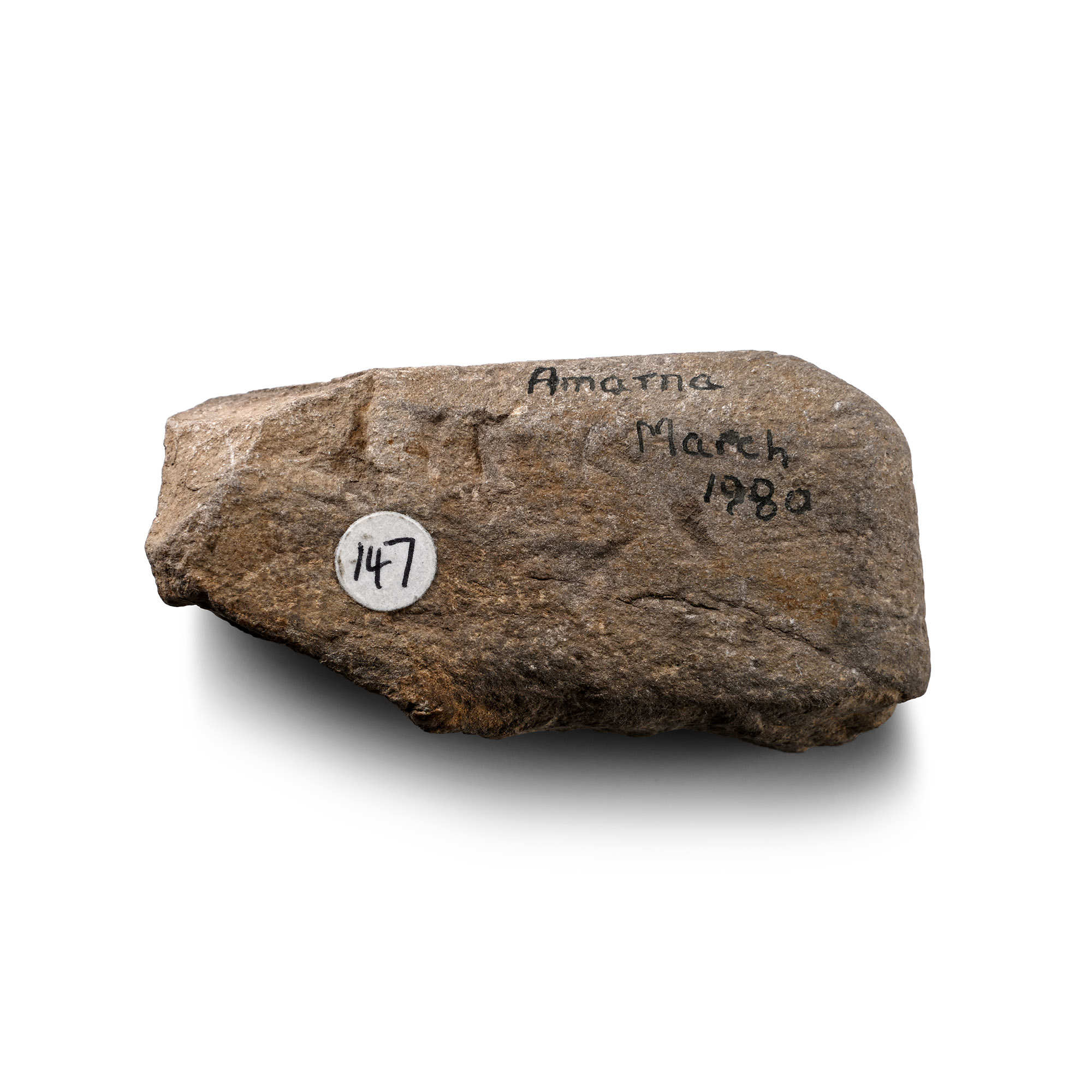
Accompanied by an old handwritten information card by Peter Clayton, collection no.147.
TimeLine Auctions follows a vetting process to ensure the authenticity and legality of all items, reinforcing our commitment to integrity and responsible trading. Each antiquity, antique, and coin lot undergoes thorough examination by a vetting committee of at least ten external specialists, professional trade association members, scientists, and archaeologists: Our Vetting Process
AUCTIONS:
TimeLine is a leading auction house specialising in antiquities, ancient art, collectables, natural history, coins, medals, and books. Our auctions offer museums, collectors, historians, and enthusiasts the opportunity to acquire unique and historically significant pieces.
LOT 0404
Egyptian Steatite Mould Fragment
Estimate £80 - 100€93 - 116 (for guidance only)$108 - 135 (for guidance only)
Opening Bid
£5 (EUR 6; USD 7) +BP*
-
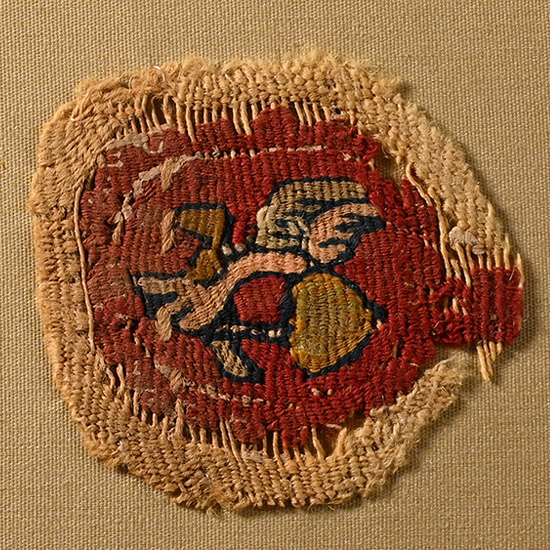
Egyptian Mounted Coptic Textile Terminal Fragment of a Clavus with Putto
Circa 6th century A.D.Estimate: £50 - 70 (+bp*)
Bids: 1 | Current Bid: £5
With a putto flying over a red woven surface, in red, green, and yellow wool, S-twist tapestry. 26 grams total, 52 mm
Acquired 1970s-1996. Property of a North American collector. London collection, 2016.
Among the many fragments of wool tunics, there are several long strips that match to form a nearly full-length central pectoral clavi. They were patterned with a profusion of small figures like this flying putto, kept in one orbiculus (round embroidery), forming the finial of a clavus. -
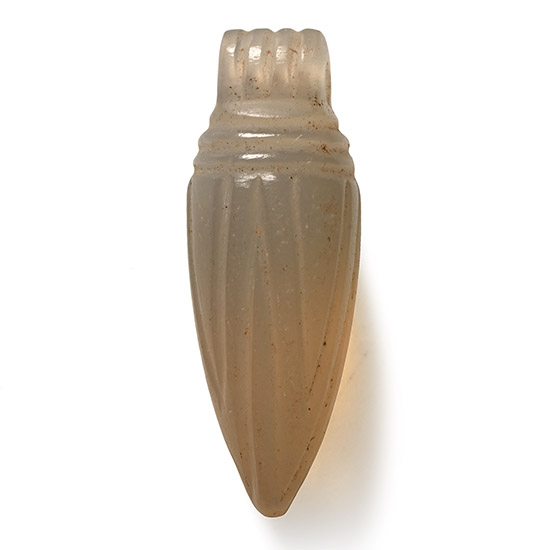
Egyptian Chalcedony Fluted Fruit Amulet
Late Period-Ptolemaic Period, circa 664-30 B.C.Estimate: £150 - 200 (+bp*)
Opening Bid: £50
Columnar in form with basal leaves to the finial, bindings and leaves beneath the ribbed loop. 1.45 grams, 21 mm
Property of a London, UK, gentleman, 1970-2000. -
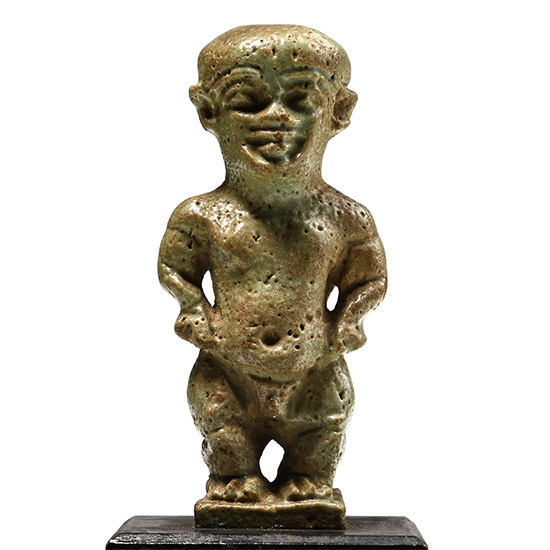
Large Egyptian Green Glazed Faience Bifacial Pataikos Amulet
Late Period, 664-332 B.C.Estimate: £500 - 700 (‡+bp*)
Opening Bid: £275
Nude Pataikos standing with slightly bent legs on a rectangular base; his short arms bent, and his clenched fists resting at the sides of his slightly protruding belly; janiform head topped with a smooth, closely fitting cap similar to the one worn by the god Ptah; loop at the nape of the neck for use as an amulet; mounted on a custom-made stand. 54.3 grams total, 95 mm including stand
Ex Mr E.C.(1923-2014), Israel. Inherited by his son D.L., Switzerland.
Amulets had a diverse range of functions: they were either worn by the living or used as small votive offerings in private and official cult contexts. They also played an important role in funerary practices, as they were either wrapped into the mummy, placed on it (mummy amulets), or given to the deceased as grave goods. In the Late Period, dwarfs were venerated as popular protective deities, in analogy to Bes and Harpocrates. Moreover, since the Late Period, the creator god Ptah, who was worshipped in Memphis, was also represented as a childlike dwarf.
