
Loading, please wait...
LOT 0047
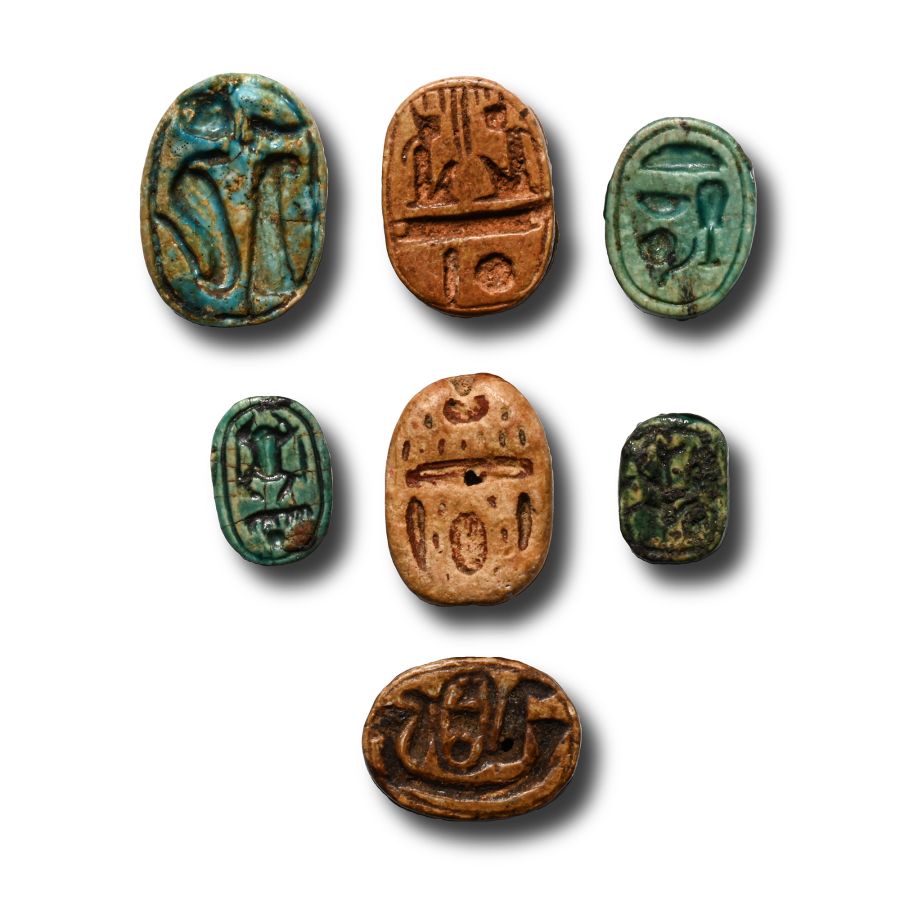
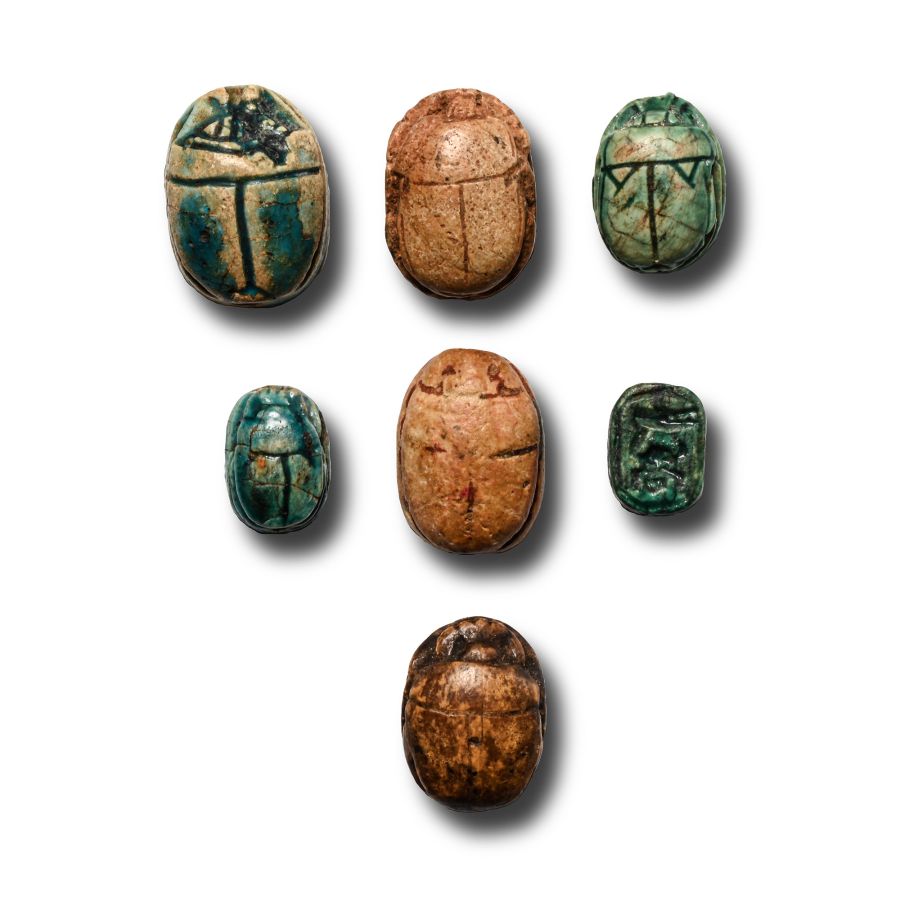
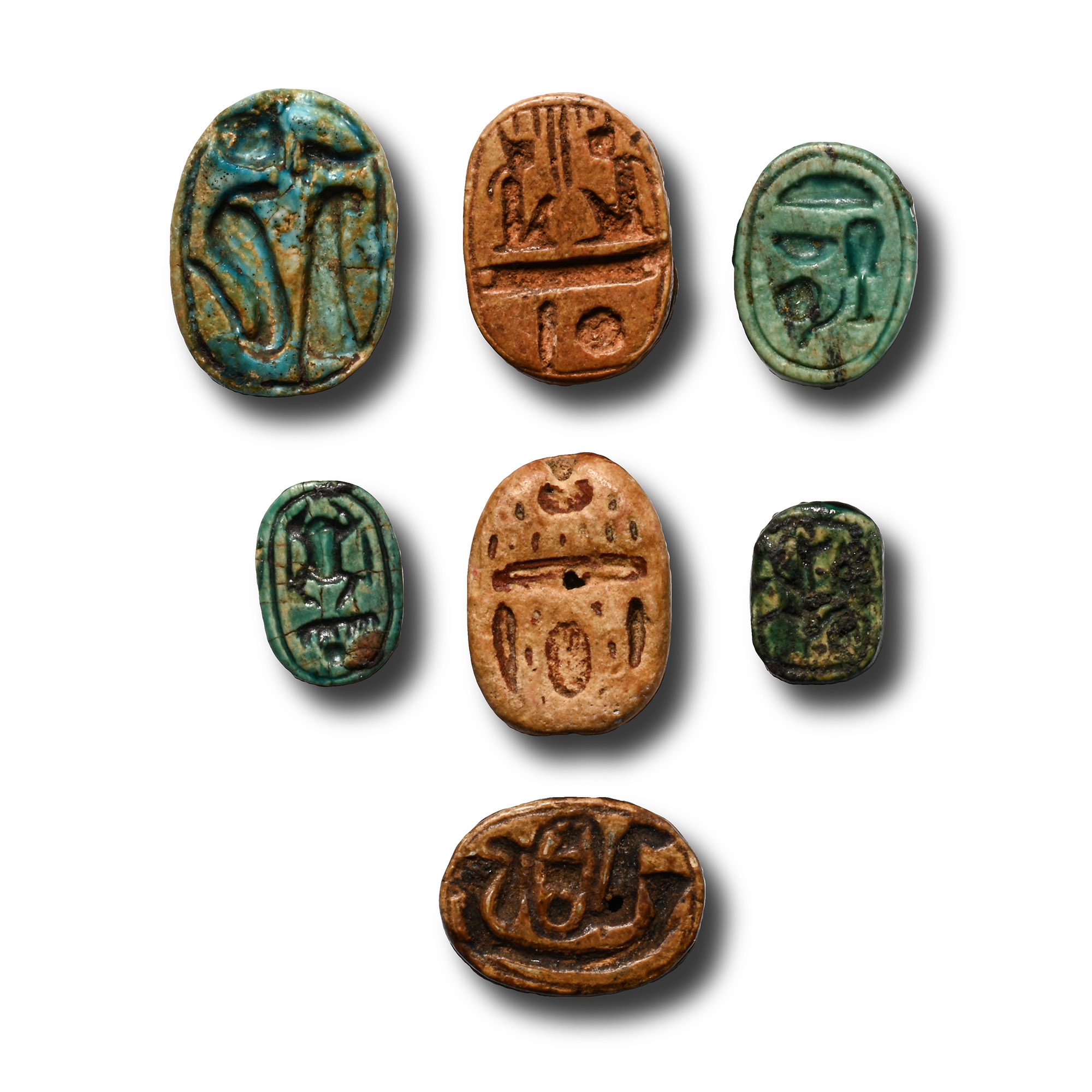
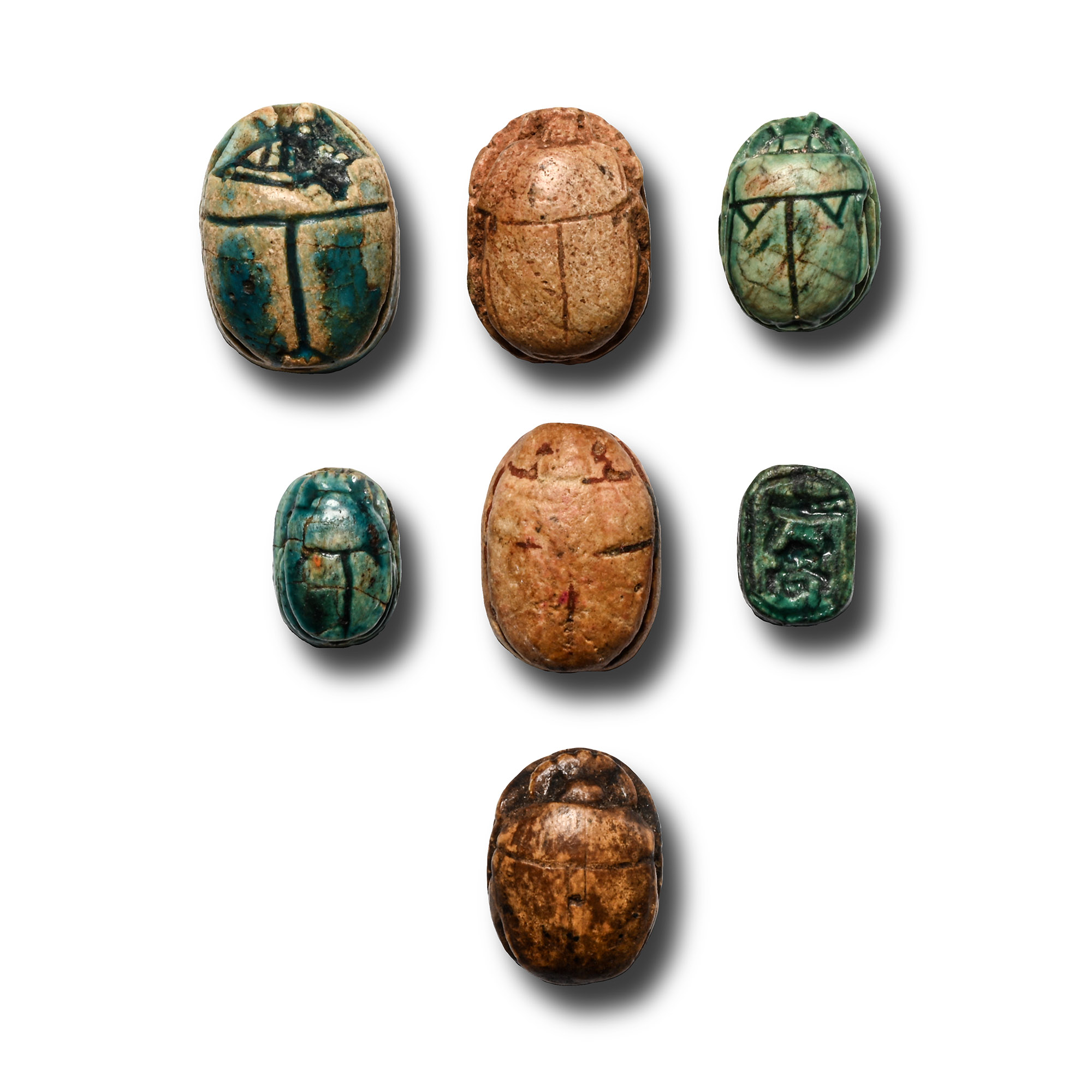
Egyptian Steatite and Other Scarab Collection
LATE PERIOD, 664-332 B.C.
3/8 - 5/8 in. (10.2 grams total, 10-17 mm).
Mixed group of scarabs and scaraboids in steatite and glazed composition with hieroglyphs to the underside. [7, No Reserve]
ProvenanceEx North London, UK, gentleman, 1990s.
CONDITIONTimeLine Auctions follows a vetting process to ensure the authenticity and legality of all items, reinforcing our commitment to integrity and responsible trading. Each antiquity, antique, and coin lot undergoes thorough examination by a vetting committee of at least ten external specialists, professional trade association members, scientists, and archaeologists: Our Vetting Process
AUCTIONS:
TimeLine is a leading auction house specialising in antiquities, ancient art, collectables, natural history, coins, medals, and books. Our auctions offer museums, collectors, historians, and enthusiasts the opportunity to acquire unique and historically significant pieces.
-
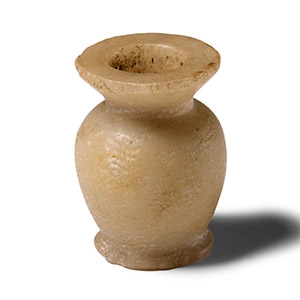
Egyptian Alabaster Cosmetic Vessel
Middle Kingdom, 12th Dynasty, circa 1985-1773 B.C. or laterSold for (Inc. bp): £286
With globular body and flared trumpet-shaped mouth; textile fragment inside. 40.8 grams, 38 mm
From the Peter Negus collection. Ex R. Gill Esq. collection, Wimbledon, London, UK. Ex Artemission, London SW5, UK. Private collection of Mr T.H., Norfolk, UK. Accompanied by a previous dealer's certificate of authenticity and invoice. -
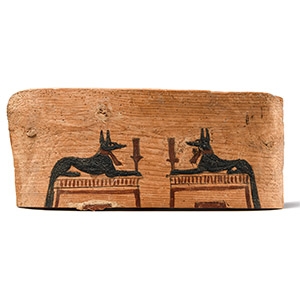
Egyptian Wooden Shabti Box Lid
Ptolemaic Period, 332-30 B.C.Estimate: £2,000 - 3,000 (+bp*)
Opening Bid: £1,000
Rectangular lid fragment with rounded upper corners, plano-convex in section; painted image of two jackals representing Anubis, the god of embalming, crouching above rectangular frames, probably tombs, with a sceptre held in its forepaws; remains of fixing pegs to the reverse. 268 grams, 26.5 cm wide
J.H.H. Claessen (1926-2006), Bladel, Netherlands. Acquired by the present owner from the above. This lot has been checked against the Interpol Database of stolen works of art and is accompanied by search certificate no.11944-209616. -
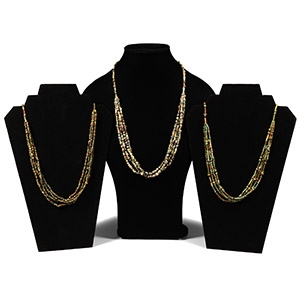
Egyptian Multi-Stranded Mummy Bead Necklace Collection
Late Period, 664-525 B.C.Sold for (Inc. bp): £468
Comprising three restrung composition necklaces, each composed of multiple strands of polychrome beads of mainly annular and tubular types. 75 grams total, 68-76 cm long
Acquired before 1979. From the private collection of Mr F. A., South Kensington, London, UK; thence by descent 2014.
Red and yellow faience were among the new colours appeared in the XVIIIth Dynasty, but they were in use until the Late Period. It was ideally formed from a core of sand and quartz and a vitreous alkaline glaze. It was the preferred medium of Egyptian jewellers even before the Fist Dynasty, because of its malleability and its ability to imitate other more expensive materials thanks to the colour of the glaze.
