
Loading, please wait...


LOT 0545
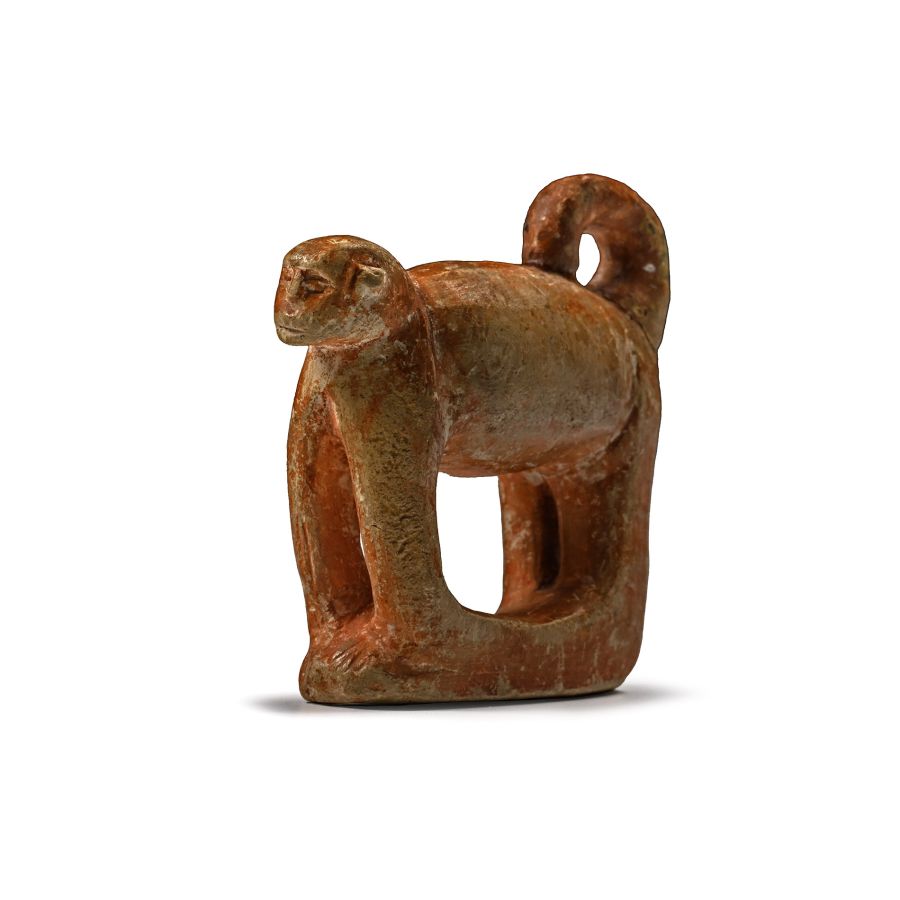
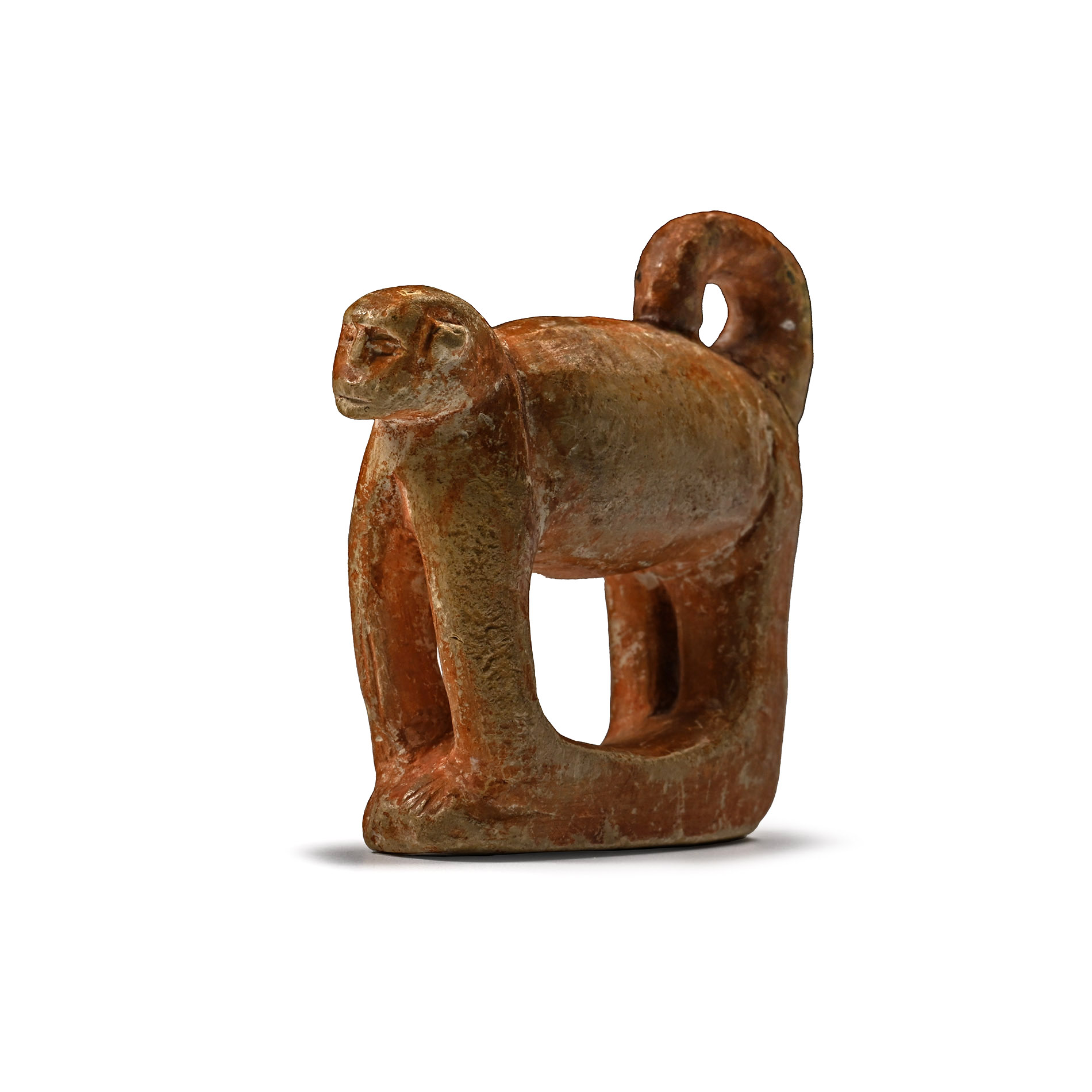
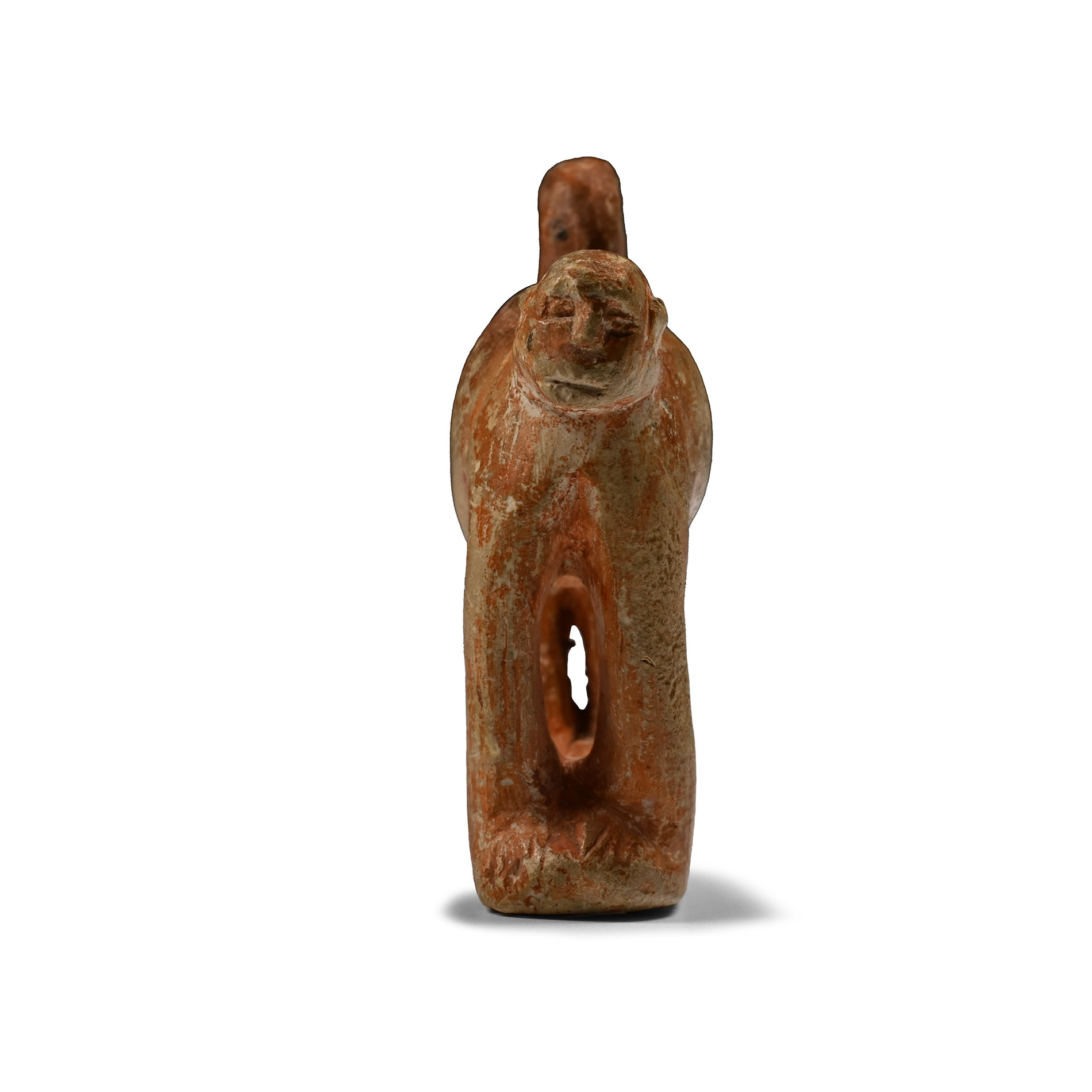
Egyptian Statuette of a Monkey
PTOLEMAIC PERIOD, 4TH-1ST CENTURY B.C.
2 3/8 in. (42.8 grams, 60 mm).
Standing on a rectangular plinth with head raised and tail curled above the hindquarters, barrel-shaped body with incised detailing at the shoulders and hips, traces of a white and reddish brown coating; partially restored; old collector's labels to underside '51' and 'N13234'.
ProvenanceEx Baden-Württemberg, Germany, formed since ca.1930.
Private collection Saarland, Germany.
Thereafter, Michael Schrôder, Germany.
Consigned to DAWO Auktion, 18 February 2017, no.824.
Accompanied by a copy of an Art Loss Register certificate no.S00123279.
TimeLine Auctions follows a vetting process to ensure the authenticity and legality of all items, reinforcing our commitment to integrity and responsible trading. Each antiquity, antique, and coin lot undergoes thorough examination by a vetting committee of at least ten external specialists, professional trade association members, scientists, and archaeologists: Our Vetting Process
AUCTIONS:
TimeLine is a leading auction house specialising in antiquities, ancient art, collectables, natural history, coins, medals, and books. Our auctions offer museums, collectors, historians, and enthusiasts the opportunity to acquire unique and historically significant pieces.
LOT 0545
Egyptian Statuette of a Monkey
Estimate £700 - 900€810 - 1,040 (for guidance only)$950 - 1,220 (for guidance only)
-
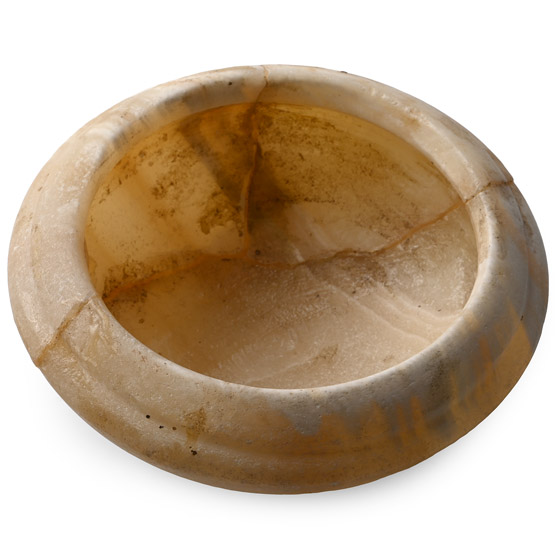
Egyptian Alabaster Bowl
2nd-1st millennium B.C.Estimate: £250 - 350 (+bp*)
Opening Bid: £125
Of conical profile with flattened base, carinated shoulder and stepped rounded rim. 369 grams, 11 cm wide
From a West Country, UK, collection, 1980-2020s. -
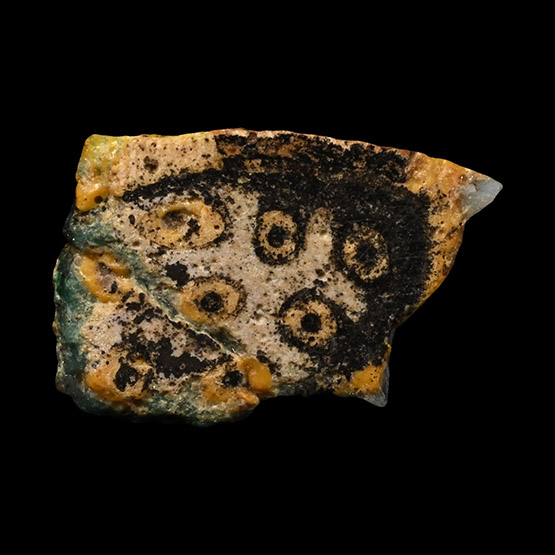
Egyptian Glass Panel with Eyes
Late Period, 664-332 B.C.Estimate: £220 - 320 (+bp*)
Opening Bid: £118
Irregular glass panel fragment with inlaid mosaic eye motifs; repaired. 1.57 grams, 18 mm
From the collection of a gentleman, acquired on the London art market in the 1990s. -
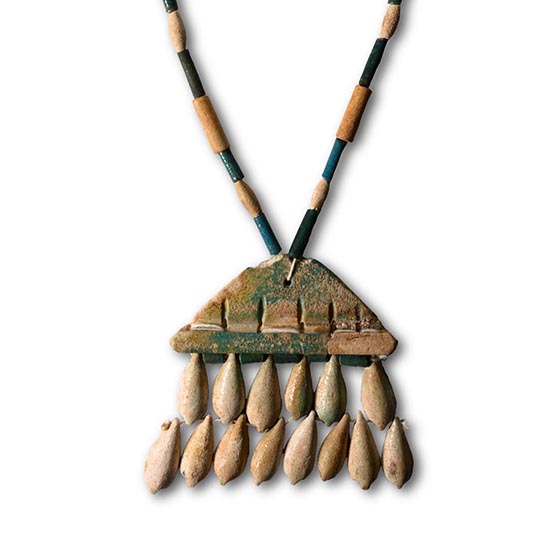
Egyptian Faience Necklace with Pendant
New Kingdom, 1400-1100 B.C.Estimate: £550 - 750 (‡+bp*)
Opening Bid: £300
Restrung group of tubular and fusiform faience beads with D-shaped pendant and two tiers of dangles beneath. 48 grams, 80 cm long
Acquired in the mid 1980s-1990s. Private collection, Switzerland, thence by descent. Private collection, since the late 1990s.
