
Loading, please wait...


LOT 0434
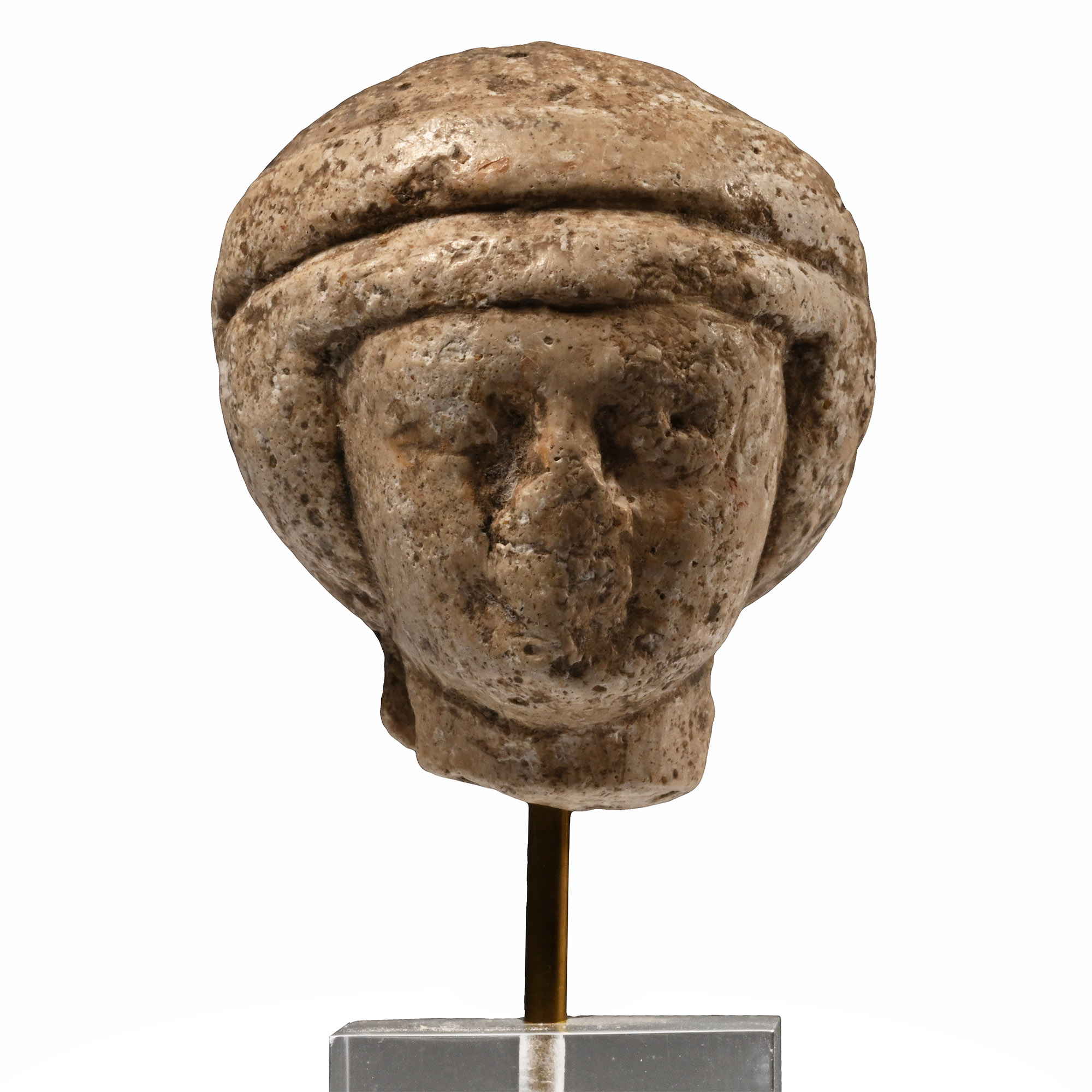
Egyptian Small Head with Wig
PTOLEMAIC PERIOD, 331-30 B.C.
1 3/8 in. (4 1/8 in.) (29 grams, 35 mm (57.6 grams total, 10.4 cm)).
Small carved head with bobbed curly wig and and narrow hair band or diadem; surface slightly worn; mounted on a display stand.
ProvenanceAntoni Sikorski collection, London, formed between the 1950s and 1970s.
with Chiswick Auctions, 11 May 2016, no.37 [Part].
This lot is accompanied by an illustrated lot declaration signed by the Head of the Antiquities Department, Dr Raffaele D’Amato.
Although worn, the presence of the narrow diadem and curly hair suggest that the head might depict a Ptolemaic priest. For better-preserved examples of the type cf. Bothmer, B.V., Egyptian Sculpture of the Late Period 700 B.C. to A.D. 100, New York, 1960, pp. 178-179, pls. 128 and 129, 343; Spier, J., Potts, T., and Cole, S.E. (eds.), Beyond the Nile: Egypt and the classical world, Los Angeles, 2018, p. 169 no. 101.
CONDITIONTimeLine Auctions follows a vetting process to ensure the authenticity and legality of all items, reinforcing our commitment to integrity and responsible trading. Each antiquity, antique, and coin lot undergoes thorough examination by a vetting committee of at least ten external specialists, professional trade association members, scientists, and archaeologists: Our Vetting Process
AUCTIONS:
TimeLine is a leading auction house specialising in antiquities, ancient art, collectables, natural history, coins, medals, and books. Our auctions offer museums, collectors, historians, and enthusiasts the opportunity to acquire unique and historically significant pieces.
-
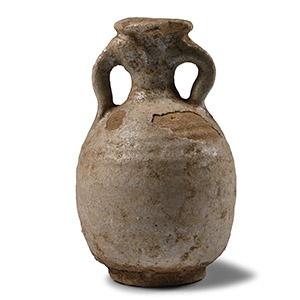
Faience Juglet
Parthian, 1st-2nd century A.D.Sold for (Inc. bp): £85
With barrel-shaped body. trumpet-shaped neck flanked by strap handles to the shoulder, horizontal ribbing. 106 grams, 10 cm
Acquired 1980-2015. Ex Abelita family collection. This lot is accompanied by an illustrated lot declaration signed by the Head of the Antiquities Department, Dr Raffaele D’Amato. -
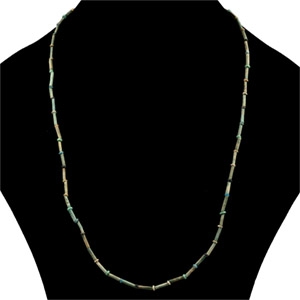
Egyptian Faience Bead Necklace String
Late Period, 664-332 B.C.Sold for (Inc. bp): £52
Comprising tubular beads with interstitial annular beads connecting. 5.11 grams, 70 cm
From an old English collection. Acquired from Helios Gallery, 2011. Ian Wilkinson collection, Nottinghamshire, UK, formed since 1985. This lot is accompanied by an illustrated lot declaration signed by the Head of the Antiquities Department, Dr Raffaele D’Amato. -
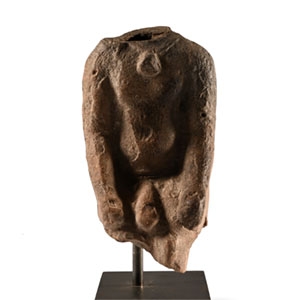
Egyptian Terracotta Seated Torso
Ptolemaic Period, 4th-3rd century B.CSold for (Inc. bp): £65
The headless deity, possibly Harpocrates, seated on a throne, forearms resting on thighs and flanking a protruding phallus, wearing a medallion around the neck; mounted on a custom-made display stand. 280 grams total, 97 mm including stand
The Erotica Collection Christian von Faber-Castell, Küsnacgt ZH, Switzerland, since the late 1970s. This lot is accompanied by an illustrated lot declaration signed by the Head of the Antiquities Department, Dr Raffaele D’Amato.
Figural plaques of ithyphallic Harpocrates seated on a block seat with forearms on thighs and hands each side of a projecting phallus were rare types from Naukratis, Temai el-Amohel. They can be dated to the early Hellenistic Period, circa 330 B.C. Christian von Faber-Castell (born 1950) is a renowned German entrepreneur and art collector, best known as a member of the prominent Faber-Castell family, famed for their iconic writing instruments. A passionate advocate for art and culture, Christian von Faber-Castell curated an extensive and diverse private collection of erotica, spanning centuries and cultures. His collection reflects a deep appreciation for the interplay of beauty, sensuality, and artistic expression, bringing together rare and unique works that explore themes of intimacy and human connection. Pieces from this collection have been featured in notable exhibitions and are celebrated for their artistic and historical significance. This offering represents a rare opportunity to acquire works from one of the most fascinating and eclectic private collections of its kind.
