
Loading, please wait...
LOT 0425
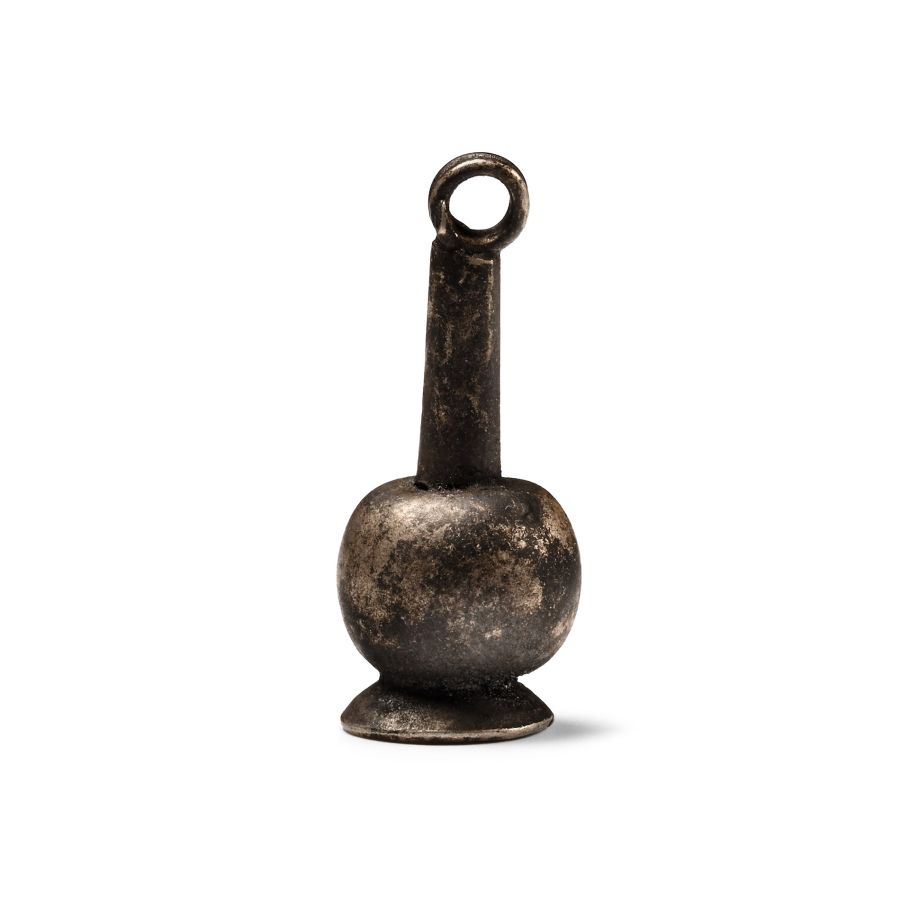
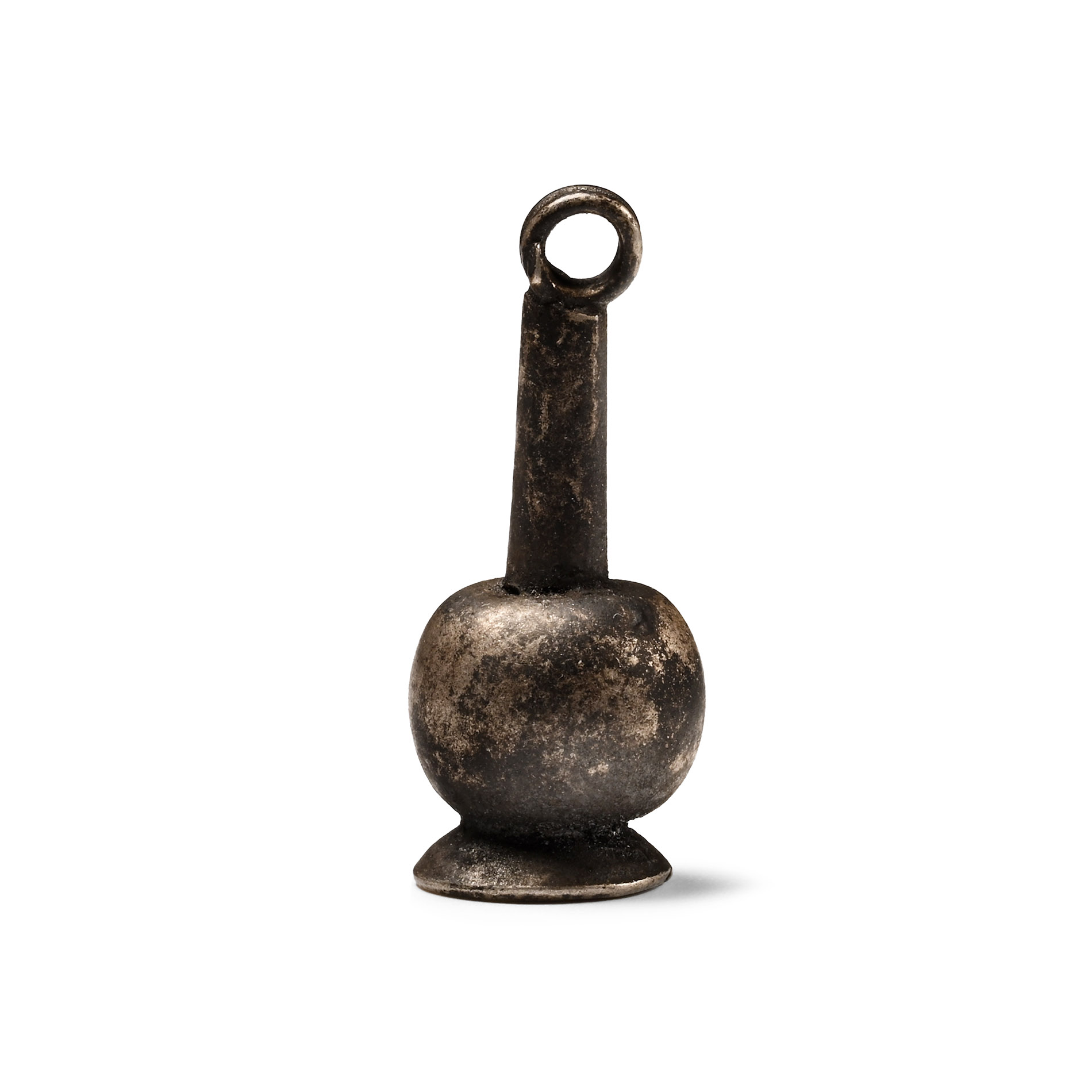
Egyptian Silver Poppy Amulet
LATE-PTOLEMAIC PERIOD, 664-30 B.C.
3/4 in. (1.46 grams, 19 mm).
Silver poppy-head with loop at the apex. [No Reserve]
ProvenanceFrom an early 20th century collection.
This lot is accompanied by an illustrated lot declaration signed by the Head of the Antiquities Department, Dr Raffaele D’Amato.
Cf. Andrews, C., Amulets of Ancient Egypt, London, 1994, pl.65 (n).
CONDITIONTimeLine Auctions follows a vetting process to ensure the authenticity and legality of all items, reinforcing our commitment to integrity and responsible trading. Each antiquity, antique, and coin lot undergoes thorough examination by a vetting committee of at least ten external specialists, professional trade association members, scientists, and archaeologists: Our Vetting Process
AUCTIONS:
TimeLine is a leading auction house specialising in antiquities, ancient art, collectables, natural history, coins, medals, and books. Our auctions offer museums, collectors, historians, and enthusiasts the opportunity to acquire unique and historically significant pieces.
-
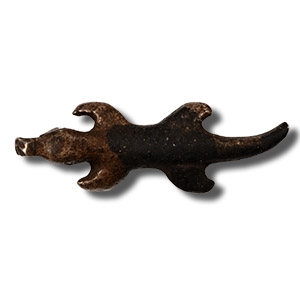
Egyptian Silver Crocodile Amulet
Late-Ptolemaic Period, 664-30 B.C.Sold for (Inc. bp): £111
Figure of a crocodile modelled in the round with pierced suspension lug. 0.49 grams, 15 mm
From an early 20th century collection. This lot is accompanied by an illustrated lot declaration signed by the Head of the Antiquities Department, Dr Raffaele D’Amato.
Crocodile amulets were worn for protective purposes to guard against dangerous creatures. -
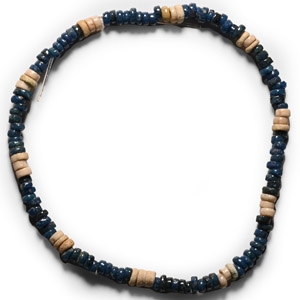
Egyptian Faience Bead Bracelet
Late Period, 664-332 B.C.Sold for (Inc. bp): £78
A restrung group of annular beads in shades of blue and white; mainly faience, but some possibly shell. 2.01 grams, 17.8 cm long
From the private collection of the late Mrs Belinda Ellison, a long time member of the Egyptian Exploration Society, c.1940-2020. This lot is accompanied by an illustrated lot declaration signed by the Head of the Antiquities Department, Dr Raffaele D’Amato. -
.jpg)
Very Large Egyptian Wooden Head of Osiris
30th Dynasty-Ptolemaic Period, 380-30 B.C.Sold for (Inc. bp): £13,000
Carved in the round head with plaster prepared surface; with integral Atef crown ornamented with lateral bronze ostrich plumes and uraeus to the brow; carved facial detailing with broad nose and small mouth; applied bronze braided beard with scrolled tip; ears pierced to accept earrings; mounted on a custom-made stand. 3.62 kg total, 52.5 cm high including stand
Acquired by the family from an antiquities dealer in Egypt, October 1982. Ex Dunkirk Manor, Theescombe, Stroud. Mr F.D. collection, acquired from the above. Accompanied by an academic report by Egyptologist Paul Whelan. This lot has been checked against the Interpol Database of stolen works of art and is accompanied by a search certificate number no.12513-231999. This lot has been cleared against the Art Loss Register database, and is accompanied by an illustrated lot declaration signed by the Head of the Antiquities Department, Dr Raffaele D’Amato.
This head likely originates from a large-scale standing figure of the underworld god Osiris. In contrast to the ubiquitous small bronze Osiris figurines found at cult sites throughout Egypt – which were left by pilgrims as votive offerings – large-scale wooden statues are much rarer. Their scarcity is partly due to the fragile nature of wood, which made such statues more susceptible to decay over time, but also because these larger figures were used in more specialised and exclusive ritual contexts. This is evidenced by the significant discovery of a large wooden Osiris statue in a cache of votive objects at Saqqara, associated with a temple shrine. The find suggests that the sizeable image of Osiris played an important role in religious ceremonies in the temple, where it presumably served as the focus of veneration. The Saqqara cache dates no later than the reign of Nectanebo II (360-343 B.C.), whose temple pavement covered it. However, the exact dating of the wooden statue is less certain, with estimates ranging from the New Kingdom to the 26th Dynasty.
