
Loading, please wait...
LOT 0439
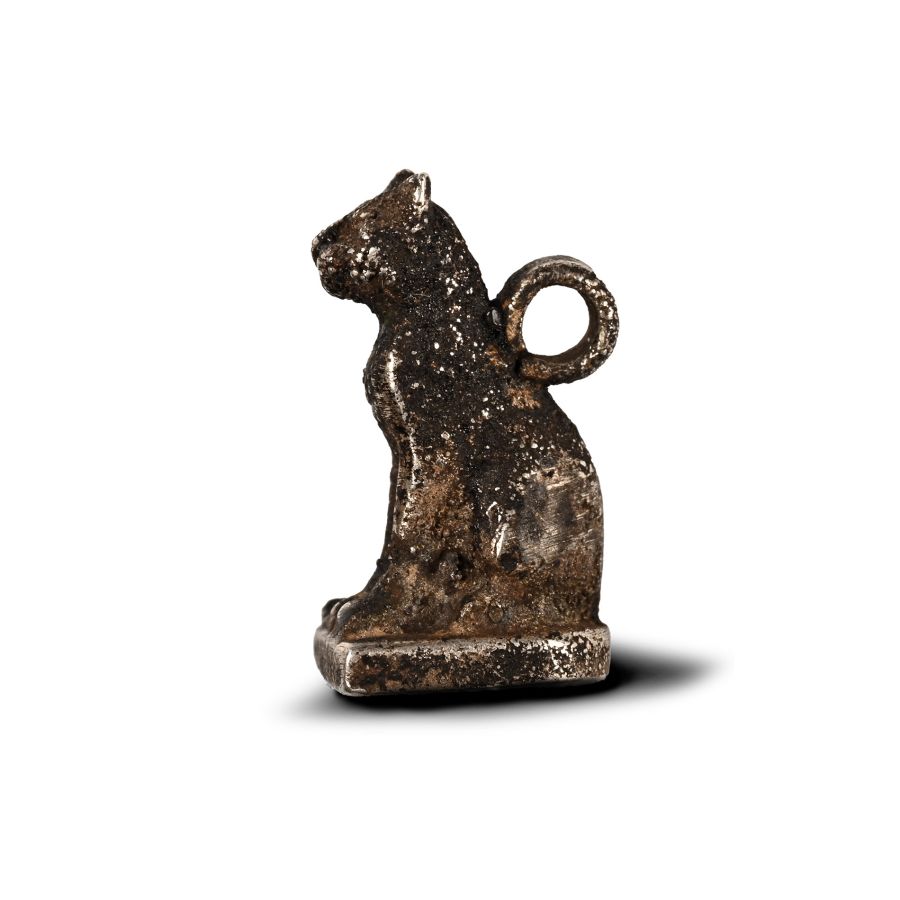
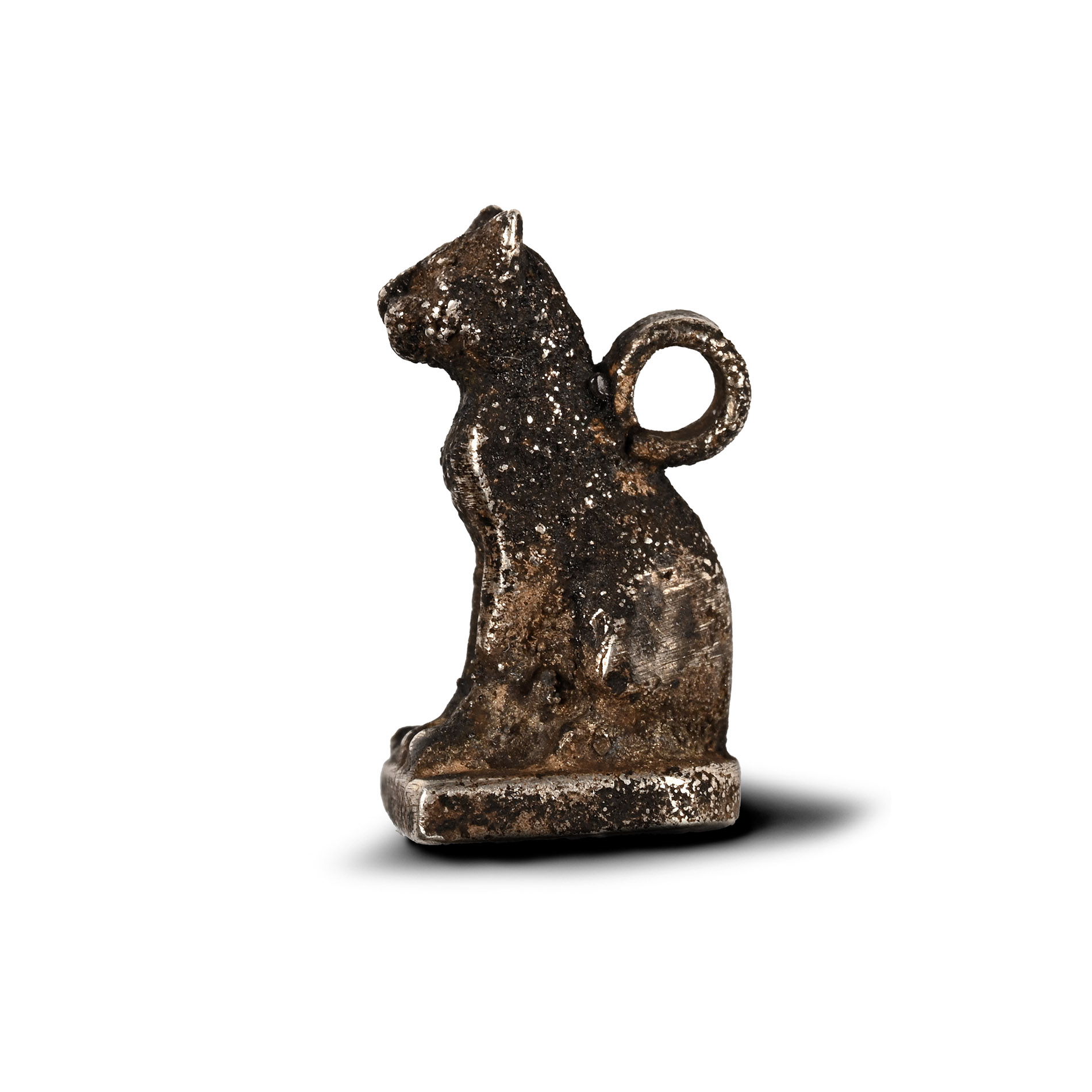
Egyptian Silver Goddess Bastet Cat Amulet
LATE-PTOLEMAIC PERIOD, 664-30 B.C.
3/8 in. (0.33 grams, 8 mm).
Modelled seated on a tongue-shaped base, with suspension loop to the back. [No Reserve]
ProvenanceFrom an early 20th century collection.
This lot is accompanied by an illustrated lot declaration signed by the Head of the Antiquities Department, Dr Raffaele D’Amato.
Cf. Andrews, C., Amulets of Ancient Egypt, London, 1994, item 29(c).
FootnotesThe cat was sacred to Bastet, a protective mother goddess and the daughter of the sun god Re. Amulets provided the wearer with the goddess's protection.
CONDITIONTimeLine Auctions follows a vetting process to ensure the authenticity and legality of all items, reinforcing our commitment to integrity and responsible trading. Each antiquity, antique, and coin lot undergoes thorough examination by a vetting committee of at least ten external specialists, professional trade association members, scientists, and archaeologists: Our Vetting Process
AUCTIONS:
TimeLine is a leading auction house specialising in antiquities, ancient art, collectables, natural history, coins, medals, and books. Our auctions offer museums, collectors, historians, and enthusiasts the opportunity to acquire unique and historically significant pieces.
-
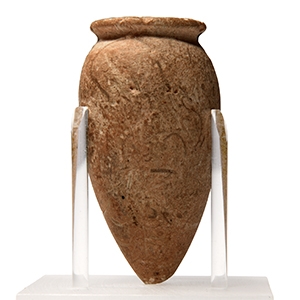
Egyptian Miniature Stone Alabastron
Late Old Kingdom, circa 2300 B.C.Sold for (Inc. bp): £260
The body with rounded shoulders, convex outer face and pointed base, everted rim; accompanied by a custom-made display base. 34.2 grams, 48 mm high (48.9 grams, 55 mm including stand)
Acquired in Europe before 1994. European collection. This lot is accompanied by an illustrated lot declaration signed by the Head of the Antiquities Department, Dr Raffaele D’Amato. -
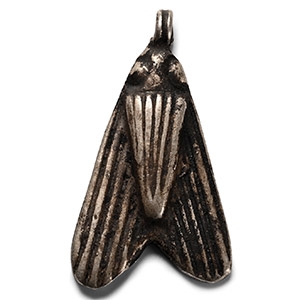
Egyptian Silver Fly Amulet
Late-Ptolemaic Period, 664-30 B.C.Sold for (Inc. bp): £221
With linear detailing to body and wings, loop above the head. 2 grams, 24 mm
From an early 20th century collection. This lot is accompanied by an illustrated lot declaration signed by the Head of the Antiquities Department, Dr Raffaele D’Amato.
Small fly amulets first appeared in burials during the Naqada II Period, c. 3200 B.C. These amulets grew in popularity and the materials used to make them expanded during the New Kingdom. They are crafted from a variety of materials such as gold, silver, lapis lazuli, carnelian, amethyst, faience, and bone. These amulets were thought to protect against insect bites and to ward off troublesome flying creatures through apotropaic magic. Some believe they may have even been intended to symbolise the fly’s fecundity. Additionally, pharaohs would bestow gold fly-shaped pendants as military awards to honour the bravery and fly-like persistence of soldiers in battle. -
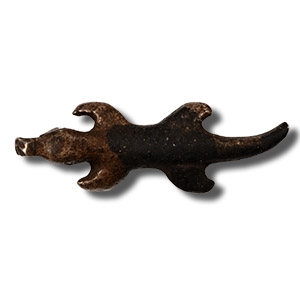
Egyptian Silver Crocodile Amulet
Late-Ptolemaic Period, 664-30 B.C.Sold for (Inc. bp): £111
Figure of a crocodile modelled in the round with pierced suspension lug. 0.49 grams, 15 mm
From an early 20th century collection. This lot is accompanied by an illustrated lot declaration signed by the Head of the Antiquities Department, Dr Raffaele D’Amato.
Crocodile amulets were worn for protective purposes to guard against dangerous creatures.
