
Loading, please wait...

LOT 0485
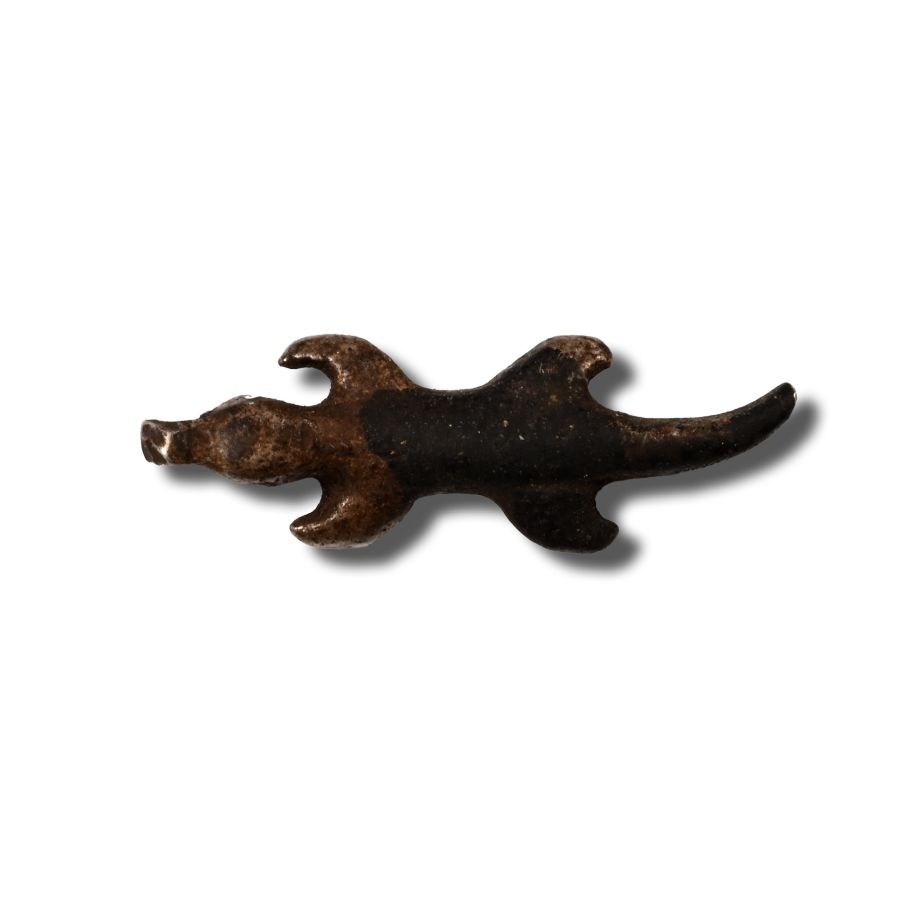
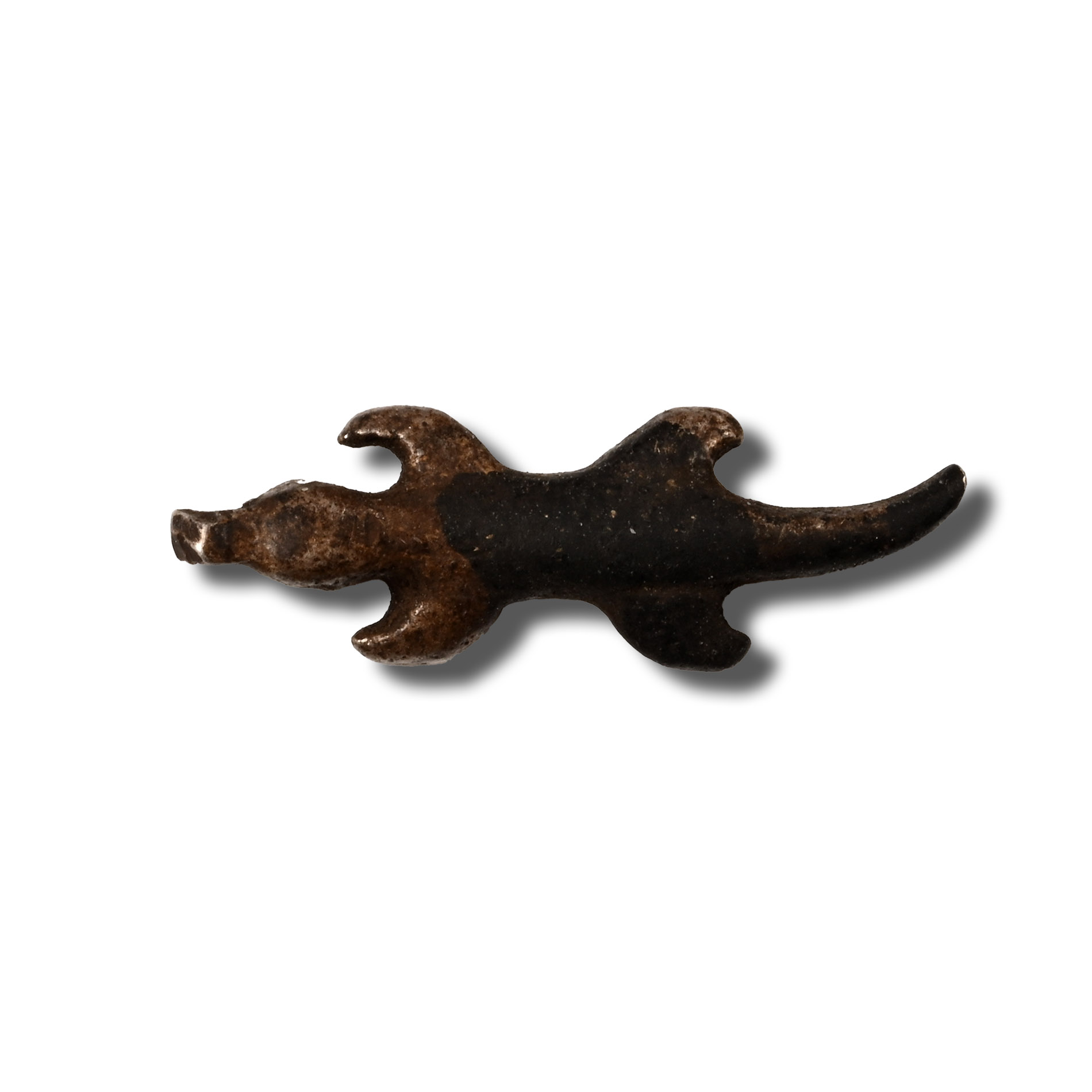
Egyptian Silver Crocodile Amulet
LATE-PTOLEMAIC PERIOD, 664-30 B.C.
5/8 in. (0.49 grams, 15 mm).
Figure of a crocodile modelled in the round with pierced suspension lug. [No Reserve]
ProvenanceFrom an early 20th century collection.
This lot is accompanied by an illustrated lot declaration signed by the Head of the Antiquities Department, Dr Raffaele D’Amato.
Petrie, W.M.F., Amulets. Illustrated by the Egyptian Collection in University College, London, 1914, pl. XLI, for examples of amuletic crocodile figurines.
FootnotesCrocodile amulets were worn for protective purposes to guard against dangerous creatures.
CONDITIONTimeLine Auctions follows a vetting process to ensure the authenticity and legality of all items, reinforcing our commitment to integrity and responsible trading. Each antiquity, antique, and coin lot undergoes thorough examination by a vetting committee of at least ten external specialists, professional trade association members, scientists, and archaeologists: Our Vetting Process
AUCTIONS:
TimeLine is a leading auction house specialising in antiquities, ancient art, collectables, natural history, coins, medals, and books. Our auctions offer museums, collectors, historians, and enthusiasts the opportunity to acquire unique and historically significant pieces.
-
Egyptian Silver Gazelle Amulet
Late-Ptolemaic Period, 664-30 B.C. or earlierSold for (Inc. bp): £221
Figure of a leaping gazelle modelled in the half-round, two attachment loops to the reverse. 1 grams, 21 mm
From an early 20th century collection. This lot is accompanied by an illustrated lot declaration signed by the Head of the Antiquities Department, Dr Raffaele D’Amato.
The ‘flying gallop’ pose of animal figures, including the ibex, in ancient Egyptian jewellery elements is considered to be of Aegean influence. -
Egyptian Silver Poppy Amulet
Late-Ptolemaic Period, 664-30 B.C.Sold for (Inc. bp): £85
Silver poppy-head with loop at the apex. 1.46 grams, 19 mm
From an early 20th century collection. This lot is accompanied by an illustrated lot declaration signed by the Head of the Antiquities Department, Dr Raffaele D’Amato. -
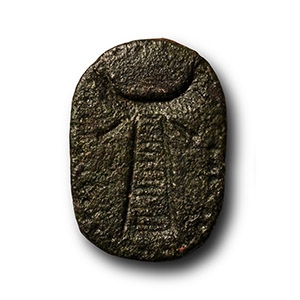
Phoenicio-Egyptian Dark Green Stone Scarab
Circa 9th-8th century B.C.Estimate: £250 - 350 (+bp*)
Opening Bid: £139
With textured carapace, bull-horned column to the reverse, possibly a symbol of Tanit. 3.94 grams, 15 mm
From the property of the late Mr SM, London, UK, 1969-1999. This lot is accompanied by an illustrated lot declaration signed by the Head of the Antiquities Department, Dr Raffaele D’Amato.
The widespread adoption of the scarab, both as a symbol linked to the concept of rebirth, and in its function as a seal, exemplifies the extent of Egyptian influence on Phoenician culture, from its origins in the Levant to its spread across the Mediterranean.
