
Loading, please wait...


LOT 0036
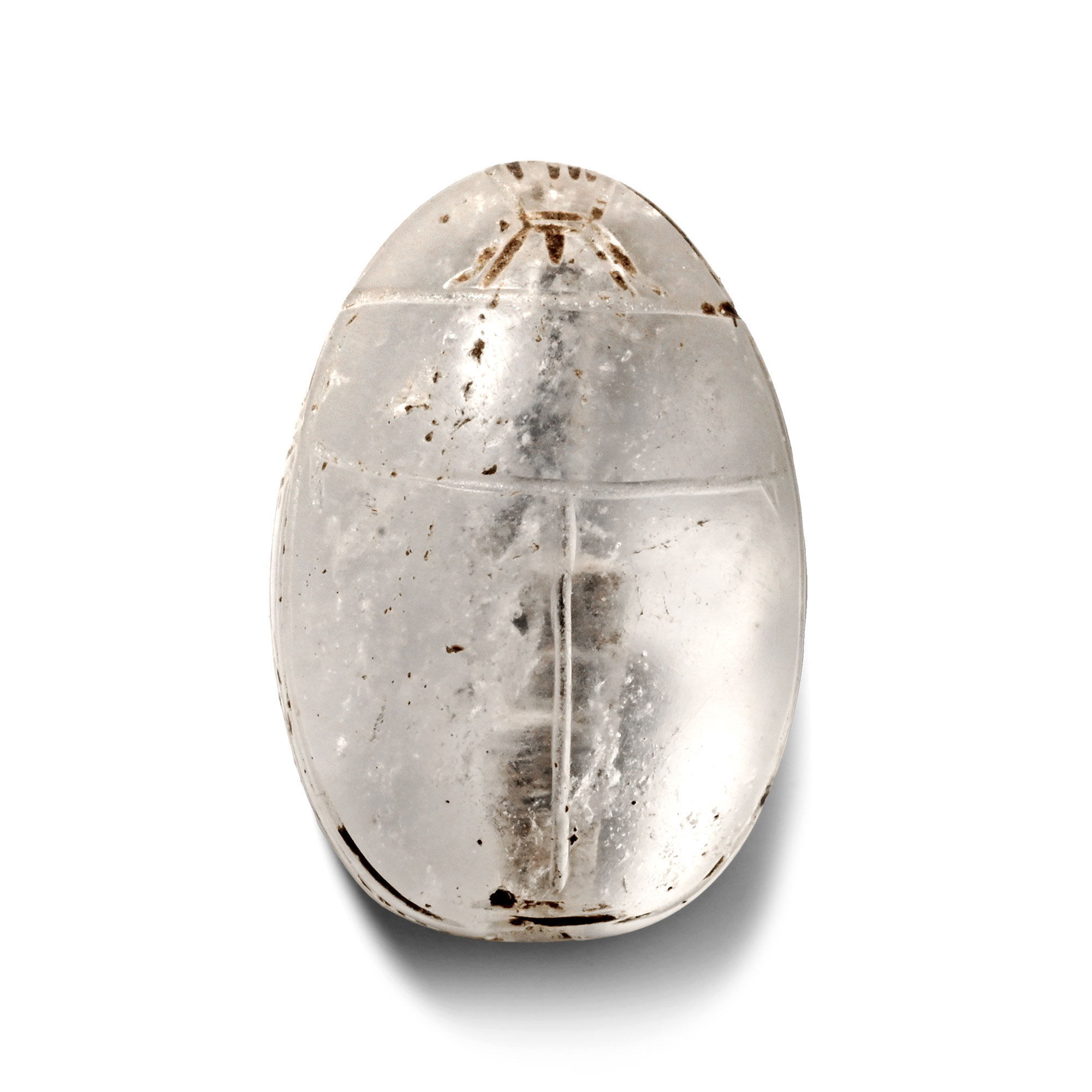
Egyptian Rock Crystal Scarab
LATE PERIOD, CIRCA 664-332 B.C.
7/8 in. (4.82 grams, 22 mm).
Oval body, with lightly incised detailing of the clypeus, head, prothorax, elytra, and legs; underside plain; longitudinally pierced for suspension.
ProvenanceEx Belinda Elliston collection, a member of the Egyptian Exploration Society, 1940s onwards.
LiteratureCf. Ben-Tor, D., The Scarab: A Reflection of Ancient Egypt, Tel Aviv, 1993, p. 79, no. 18, for a similar rock-crystal scarab with a plain underside.
CONDITIONTimeLine Auctions follows a vetting process to ensure the authenticity and legality of all items, reinforcing our commitment to integrity and responsible trading. Each antiquity, antique, and coin lot undergoes thorough examination by a vetting committee of at least ten external specialists, professional trade association members, scientists, and archaeologists: Our Vetting Process
AUCTIONS:
TimeLine is a leading auction house specialising in antiquities, ancient art, collectables, natural history, coins, medals, and books. Our auctions offer museums, collectors, historians, and enthusiasts the opportunity to acquire unique and historically significant pieces.
LOT 0036
Egyptian Rock Crystal Scarab
Estimate £700 - 900€810 - 1,040 (for guidance only)$950 - 1,220 (for guidance only)
Opening Bid
£350 (EUR 406; USD 473) +BP*
-
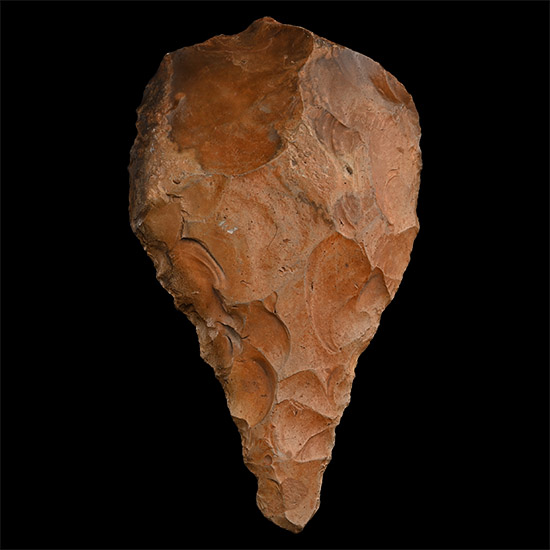
Egyptian Stone Age Knapped Classic Ficron Handaxe
Lower Palaeolithic Period, Acheulean, circa 200,000 B.P.Estimate: £400 - 600 (+bp*)
Bids: 6 | Current Bid: £110
Classic bifacial, teardrop- or pear-shaped form, with a broad, rounded butt and tapering sides that terminate in a pointed tip. 399 grams, 16.5 cm
From the collection of A.D. Passmore (1879-1958); his collection of flints from the area of Stonehenge was donated to the Ashmolean Museum in the 1950s. From the private collection of Peter Clayton, FCILIP, Dip, Arch, FSA, FRNS, Hemel Hempstead, Hertfordshire, UK; formed since the late 1950s. Accompanied by a copy of an old handwritten information card by Peter Clayton. -
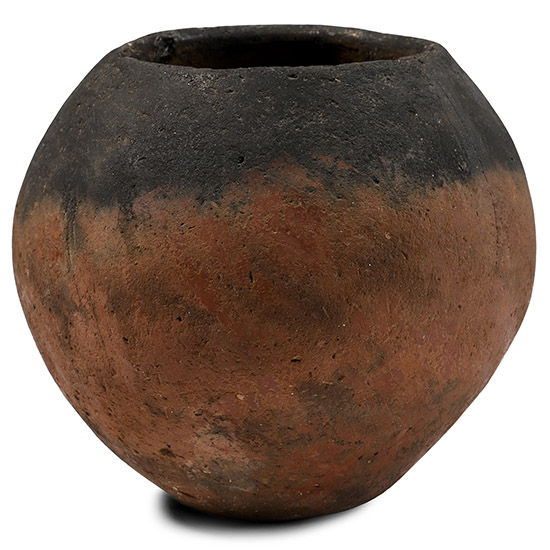
Egyptian Black-Topped Vase
Predynastic Period, Naqada II, circa 4000 B.C.Estimate: £300 - 400 (+bp*)
Bids: 3 | Current Bid: £95
Squat, spherical black-topped storage vase with a flattened base; old collector's ticket: 'Small predynastic Egyptian pot. Round form, flat bottom, usual black top and red body. From Naqada, c. 4000 B.C. Richardson St. Christopher's Mail(?), 27/10/61'. 391 grams, 10.5 cm
From the private collection of Peter Clayton, FCILIP, Dip, Arch, FSA, FRNS, Hemel Hempstead, Hertfordshire, UK; formed since the late 1950s. Accompanied by an old handwritten identification card written by Peter Clayton.
This decorative style's distinctive appearance came from an open-fire or pit-firing method in which the vessel was inverted into ash, organic matter, or smoke-heavy fuel. The buried or inverted top was starved of oxygen and turned black, while the exposed lower portion oxidised to red. -
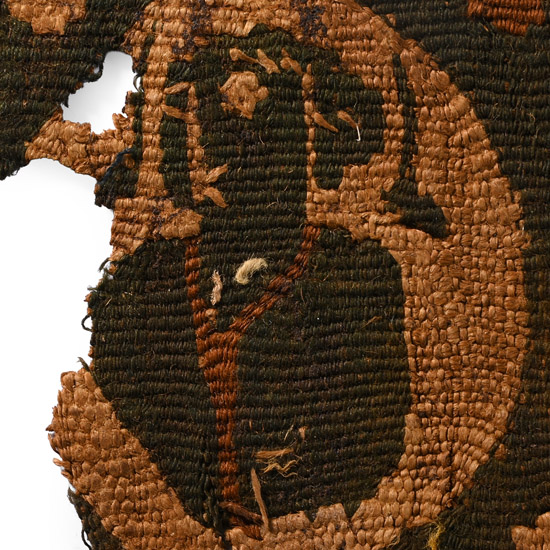
Egyptian Coptic Tunic Textile Fragment with Bust of a Man
Circa 6th century A.D.Estimate: £40 - 60 (+bp*)
Opening Bid: £5
A tablion in purple and red wool on linen, showing a male figure inside a medallion, four circlets on the corners. 3.41 grams, 82 mm
Acquired 1970s-1996. Property of a North American collector. London collection, 2016.
The tabula, or tablion, was a square embroidery used to decorate tunics or mantles. Such images, depicting black warriors or hunters, are possibly related to the Dionysiac cortege or to Nilotic iconography.
