
Loading, please wait...


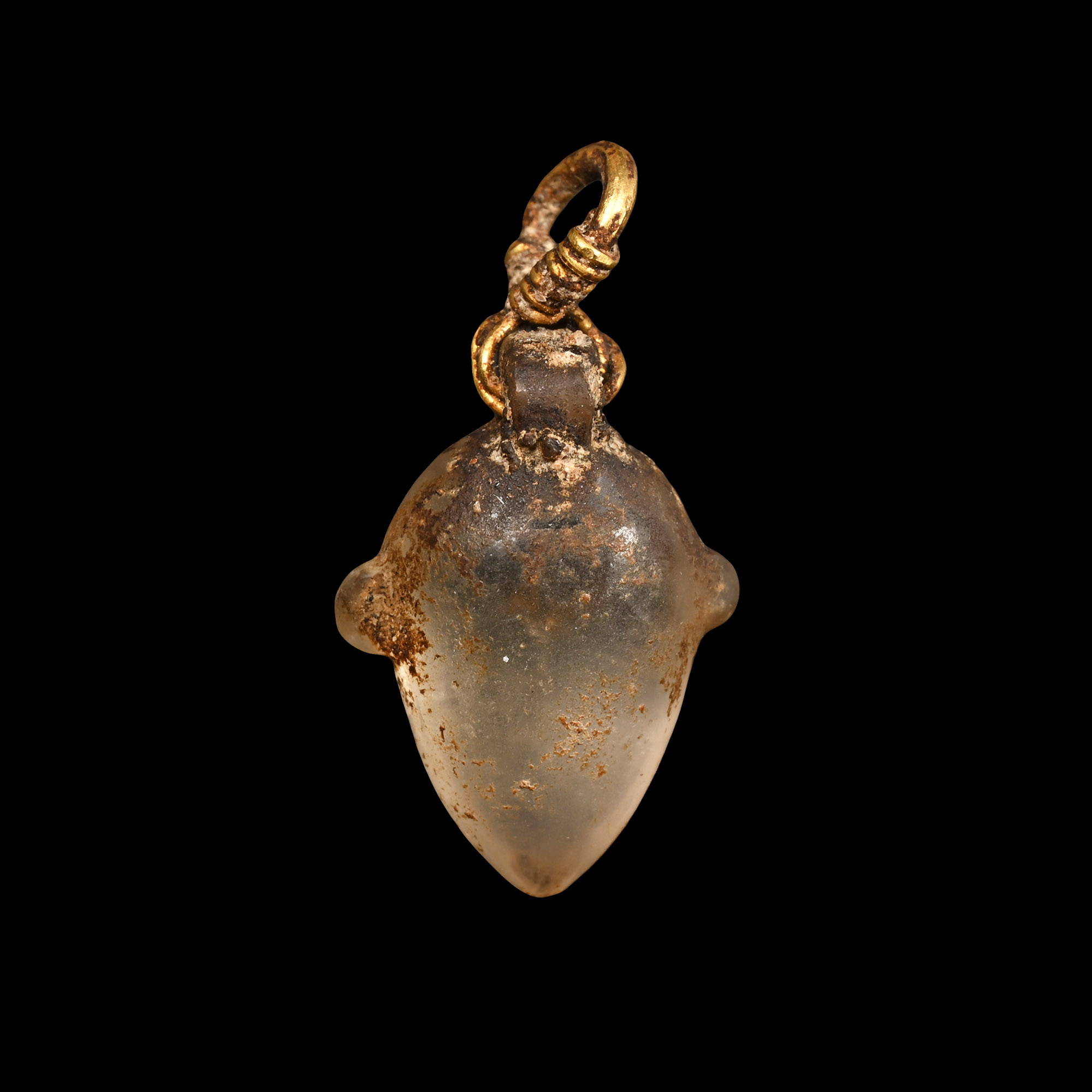
LOT 0016
Egyptian Rock Crystal Heart Amulet
6TH CENTURY B.C.
7/8 in. (1.54 grams, 21 mm).
Carved with lateral triangular lugs and ribbed bale, gold wire suspension loop.
ProvenancePrivate collection.
Acquired in 2009.
Private collection, Europe.
Cf. Petrie, W.M.F., Amulets. Illustrated by the Egyptian Collection in University College, London, 1914, pl. I, nos.7a-p, for type; Andrews, C., and van Dijk, J., Objects for Eternity: Egyptian Antiquities from the W. Arnold Meijer Collection, Mainz am Rhein, 2006, p.128, no. 2.34a, for type.
CONDITIONTimeLine Auctions follows a vetting process to ensure the authenticity and legality of all items, reinforcing our commitment to integrity and responsible trading. Each antiquity, antique, and coin lot undergoes thorough examination by a vetting committee of at least ten external specialists, professional trade association members, scientists, and archaeologists: Our Vetting Process
AUCTIONS:
TimeLine is a leading auction house specialising in antiquities, ancient art, collectables, natural history, coins, medals, and books. Our auctions offer museums, collectors, historians, and enthusiasts the opportunity to acquire unique and historically significant pieces.
-
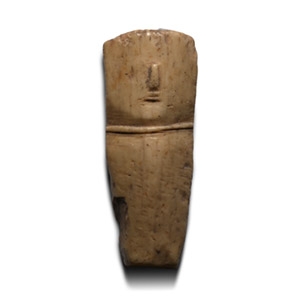
Coptic Bone Doll
5th-6th century A.D.Sold for (Inc. bp): £117
With a curved body and emphasised head, carved with a small slit mouth and a raised rectangular nose. 14.3 grams, 60 mm
Dr Amnon Rosen, Jerusalem. Private collection, Europe. -
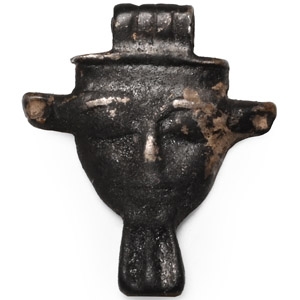
Egyptian Silver Hathor Head Amulet
Late Period, 664-332 B.C.Sold for (Inc. bp): £124
A finely detailed head of the goddess Hathor with a human face, divine beard, and cow ears, with a ribbed suspension loop on top. 0.68 grams, 11 mm
From an early 20th century collection. -
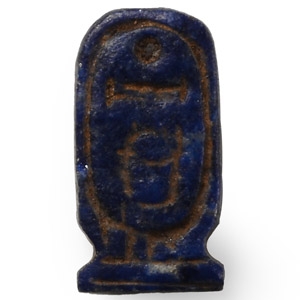
Egyptian Lapis Lazuli Amulet with Cartouche
New Kingdom, 1539-1075 B.C.Sold for (Inc. bp): £143
Rectangular in section with longitudinal piercing, hieroglyphic text. 1.38 grams, 16 mm
Acquired on the UK art market before 2000. Property of an Essex, UK, gentleman.
