
Loading, please wait...

LOT 0464
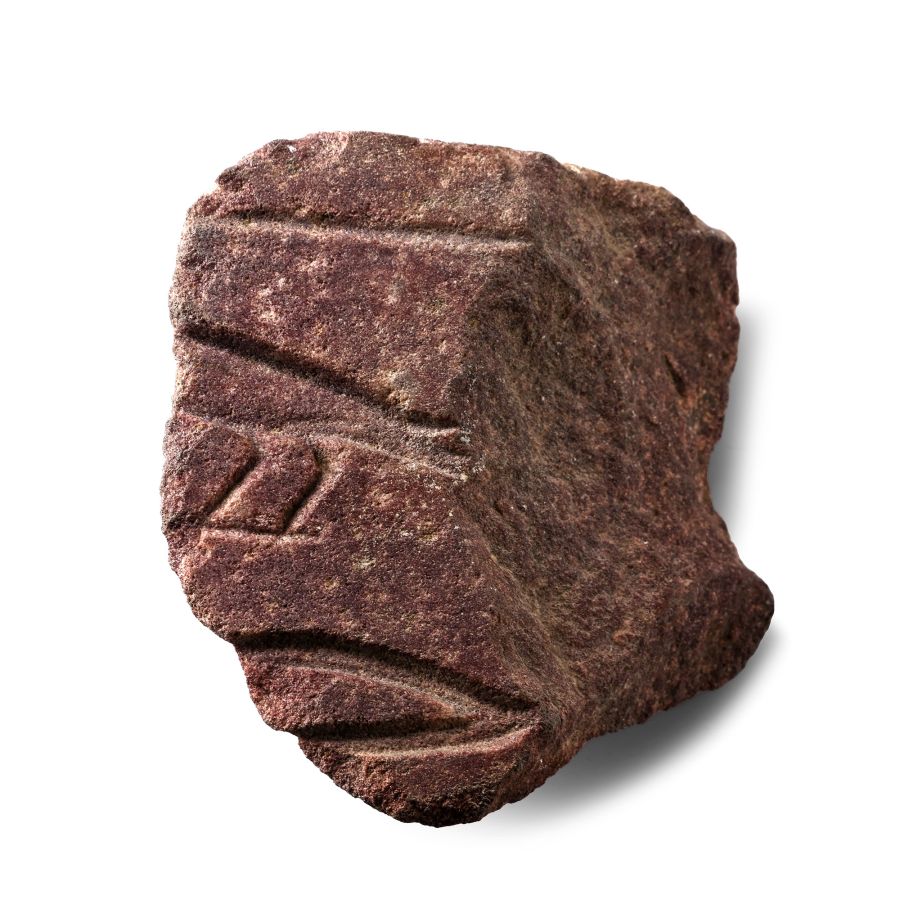
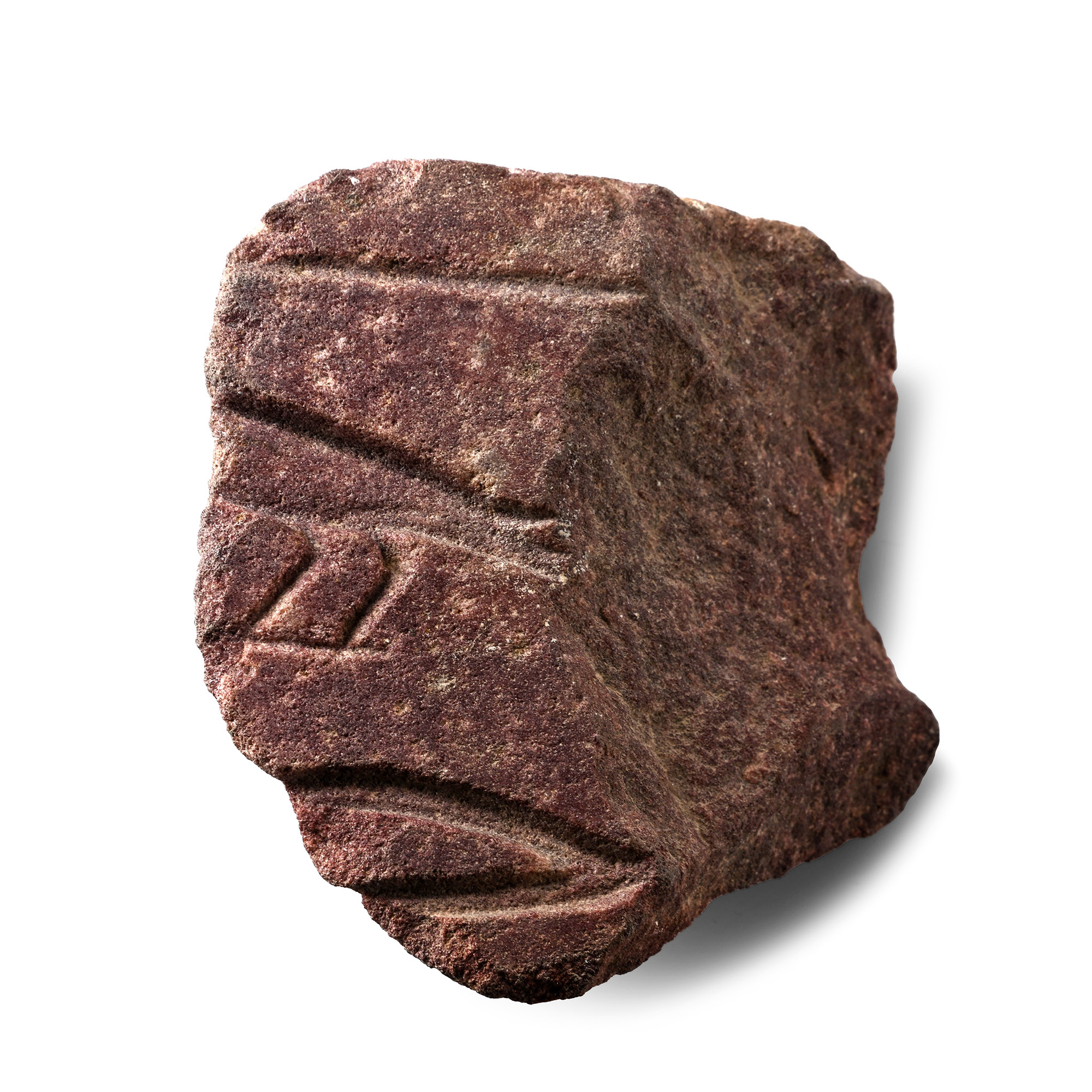
Egyptian Red Quartzite Granite Hieroglyphic Fragment
NEW KINGDOM, 18TH DYNASTY, AMARNA PERIOD, 1379-1362 B.C.
3 1/4 in. (150 grams, 81 mm).
Irregular fragment preserving two partial hieroglyphs: the swallow and the mouth signs, possibly writing the word wr, meaning 'great'. [No Reserve]
ProvenanceAcquired in April 1980.
From the private collection of Peter Clayton, FCILIP, Dip, Arch, FSA, FRNS, Hemel Hempstead, Hertfordshire, UK; formed since the late 1950s.
Accompanied by an old handwritten information card by Peter Clayton, collection no.145.
TimeLine Auctions follows a vetting process to ensure the authenticity and legality of all items, reinforcing our commitment to integrity and responsible trading. Each antiquity, antique, and coin lot undergoes thorough examination by a vetting committee of at least ten external specialists, professional trade association members, scientists, and archaeologists: Our Vetting Process
AUCTIONS:
TimeLine is a leading auction house specialising in antiquities, ancient art, collectables, natural history, coins, medals, and books. Our auctions offer museums, collectors, historians, and enthusiasts the opportunity to acquire unique and historically significant pieces.
LOT 0464
Egyptian Red Quartzite Granite Hieroglyphic Fragment
Estimate £100 - 140€120 - 160 (for guidance only)$140 - 190 (for guidance only)
Opening Bid
£5 (EUR 6; USD 7) +BP*
-
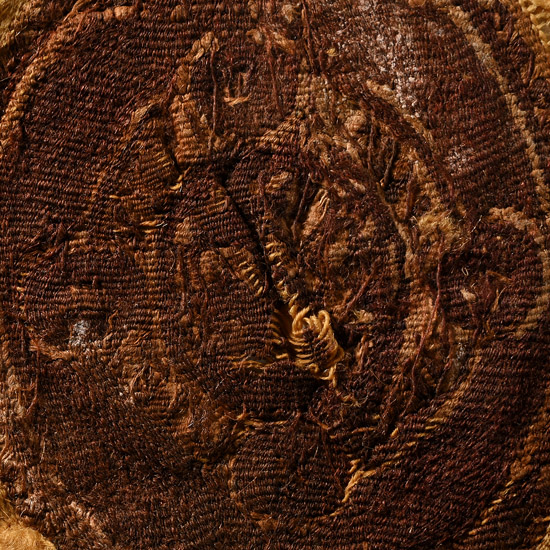
Egyptian Coptic Textile Fragment of an Orbiculus from a Tunic
Circa 4th century A.D.Estimate: £30 - 40 (+bp*)
Bids: 1 | Current Bid: £5
In purple wool and coarse linen, on a brown linen background, S-torsion, embroidered with vegetal ornaments, and the borders decorated with meanders. 6.38 grams, 10 x 9.8 cm
Acquired 1970s-1996. Property of a North American collector. London collection, 2016.
In the Late Roman Period, round orbiculi decorated the shoulders and the lower part of tunics and kamisia (inner tunics). These fabrics were of great decorative finesse, displaying an unusual and extremely well-preserved colour palette. When the tunic was removed from use, these embroideries could be recycled and patched onto another garment. -
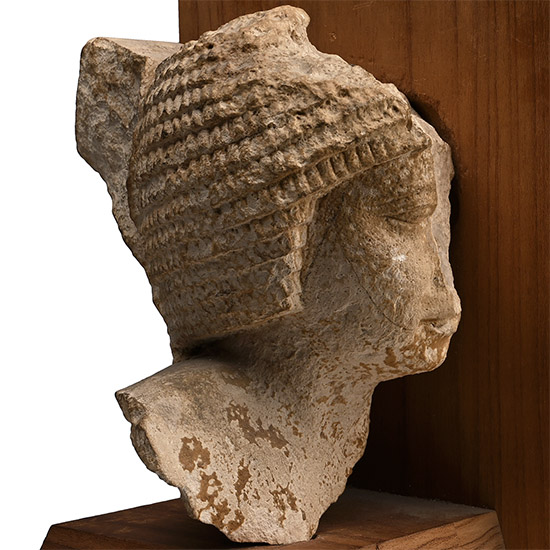
Egyptian Limestone Head of a Noble Wearing a Curled Wig
Old Kingdom, 5th-6th Dynasty, circa 2498-2181 B.C.Estimate: £2,000 - 3,000 (+bp*)
Bids: 11 | Current Bid: £220
Fragmentary limestone head of an elite official carved in the round, wearing a characteristic short wig composed of rows of small, tight concentric curls that completely cover the ears and terminate evenly at the brow; the rounded right side of the face preserves a carefully rendered almond-shaped eye, a raised relief eyebrow, and small yet prominent lips, with a custom wooden mount. 2.91 kg total, 25.4 cm high including stand
From the private collection of Norman Davis, Seattle, U.S.A. Received as a gift from Norman Davis in 1973. From the private collection of Peter Clayton, FCILIP, Dip, Arch, FSA, FRNS, Hemel Hempstead, Hertfordshire, UK; formed since the late 1950s. This lot has been checked against the Interpol Database of stolen works of art and is accompanied by search certificate no.13519-262983. -
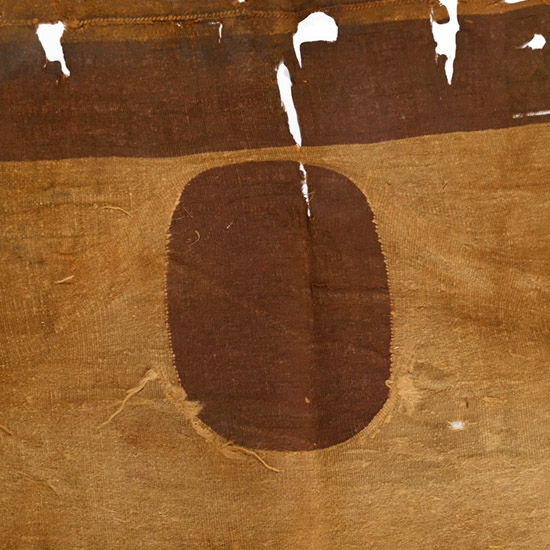
Large Egyptian Coptic Textile Shoulder Fragment of a Man's Military Tunic with Clavus and Orbiculus
Circa 5th-6th century A.D.Estimate: £200 - 300 (+bp*)
Bids: 1 | Current Bid: £5
Large section of a shoulder from a man's tunic in wool on linen, decorated with a long purple clavus featuring geometric squares and a purple orbiculus on the shoulder; tapestry, weave braids with right-angled borders. 233 grams total including paper folder, 82 cm
Acquired 1970s-1996. Property of a North American collector. London collection, 2016.
The tunic was decorated in purple with opus phrygium embroidery. This corresponds to the iconography of military tunics for 5th-7th century Roman soldiers. The archaeological evidence from the desert cemeteries of Egypt offers striking confirmation of pictorial sources on late Roman clothing around the empire.
