
Loading, please wait...


LOT 0401
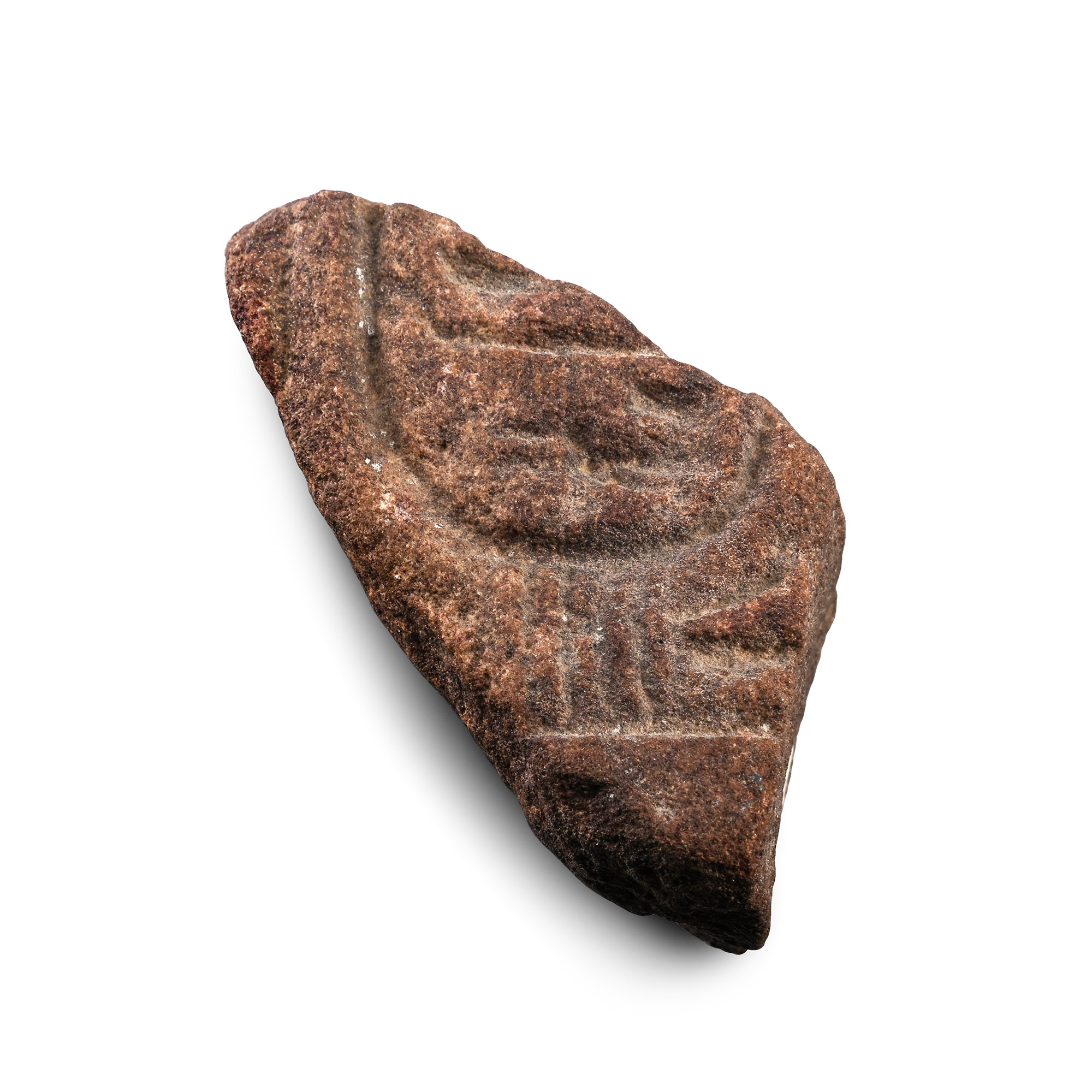
Egyptian Red Quartzite Granite Hieroglyphic Fragment with Remains of a Cartouche
NEW KINGDOM, 18TH DYNASTY, AMARNA PERIOD, 1379-1362 B.C.
2 5/8 in. (102 grams, 67 mm).
Dressed stone fragment preserving the lower part of an incised cartouche. [No Reserve]
ProvenanceAcquired in February 1978.
From the private collection of Peter Clayton, FCILIP, Dip, Arch, FSA, FRNS, Hemel Hempstead, Hertfordshire, UK; formed since the late 1950s.
Accompanied by an old handwritten information card by Peter Clayton, collection no.139.
The cartouche appears to contain two narrow horizontal hieroglyphs and the lower part of a circle, suggesting it is the throne name of Akhenaten, Neferkheperure.
CONDITIONTimeLine Auctions follows a vetting process to ensure the authenticity and legality of all items, reinforcing our commitment to integrity and responsible trading. Each antiquity, antique, and coin lot undergoes thorough examination by a vetting committee of at least ten external specialists, professional trade association members, scientists, and archaeologists: Our Vetting Process
AUCTIONS:
TimeLine is a leading auction house specialising in antiquities, ancient art, collectables, natural history, coins, medals, and books. Our auctions offer museums, collectors, historians, and enthusiasts the opportunity to acquire unique and historically significant pieces.
LOT 0401
Egyptian Red Quartzite Granite Hieroglyphic Fragment with Remains of a Cartouche
Estimate £60 - 80€70 - 93 (for guidance only)$81 - 108 (for guidance only)
Opening Bid
£5 (EUR 6; USD 7) +BP*
-
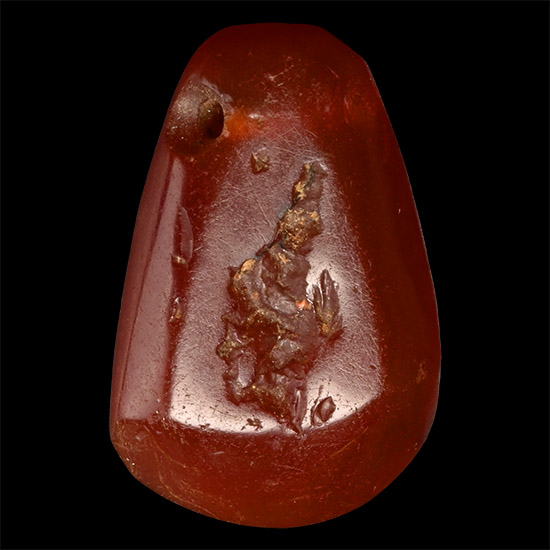
Egyptian Carnelian Amulet with Isis
Late-Ptolemaic Period, circa 664-30 B.C.Estimate: £200 - 300 (+bp*)
Opening Bid: £75
Trapezoidal in plan and biconvex in section, with faceted edges, bearing a depiction of Isis Lactans; pierced for suspension. 2.08 grams, 19 mm
Property of a London, UK, gentleman, 1970-2000. -
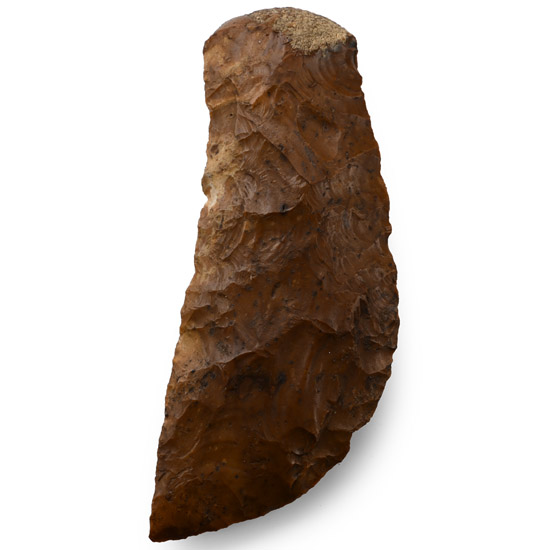
Egyptian Stone Age Knapped Curved Knife Blade from Thebes
Neolithic Period, 11,000-5,200 B.P.Estimate: £80 - 100 (+bp*)
Bids: 1 | Current Bid: £5
Lentoid in profile, with one curved blade and a sharp tip, rounded butt; accompanied by a handwritten label reading 'Knife with fine ripple flaking, Neolithic'. 59 grams, 10.4 cm
Found Thebes. From the collection of A.D. Passmore (1879-1958), his collection of flints from the area of Stonehenge was donated to the Ashmolean Museum in the 1950s. From the private collection of Peter Clayton, FCILIP, Dip, Arch, FSA, FRNS, Hemel Hempstead, Hertfordshire, UK; formed since the late 1950s. Accompanied by a copy of an old handwritten information card by Peter Clayton. -
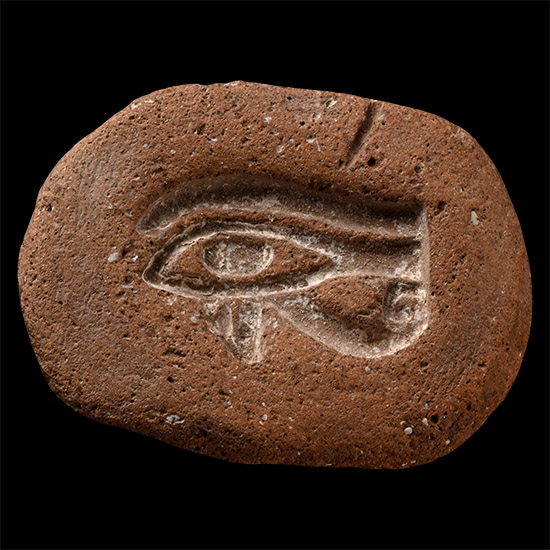
Egyptian Terracotta Mould for a Wedjat Eye
New Kingdom, 18th Dynasty, Amarna Period, 1379-1362 B.C.Estimate: £50 - 70 (+bp*)
Bids: 2 | Current Bid: £16
Oblate terracotta mould with an impression of the 'eye of Horus' (wedjat) on one side, accompanied by an old collector's record card detailing findspot, place of purchase and other details. 8.8 grams, 36 mm
Acquired in March 1977. From the private collection of Peter Clayton, FCILIP, Dip, Arch, FSA, FRNS, Hemel Hempstead, Hertfordshire, UK; formed since the late 1950s. Accompanied by an old handwritten information card by Peter Clayton, collection no.127.
Moulds like this example were used to cast metal or faience items. When used for faience, traces of white paste often appear in the mould, suggesting that this example was used to produce faience wedjat eyes.
